Introduction
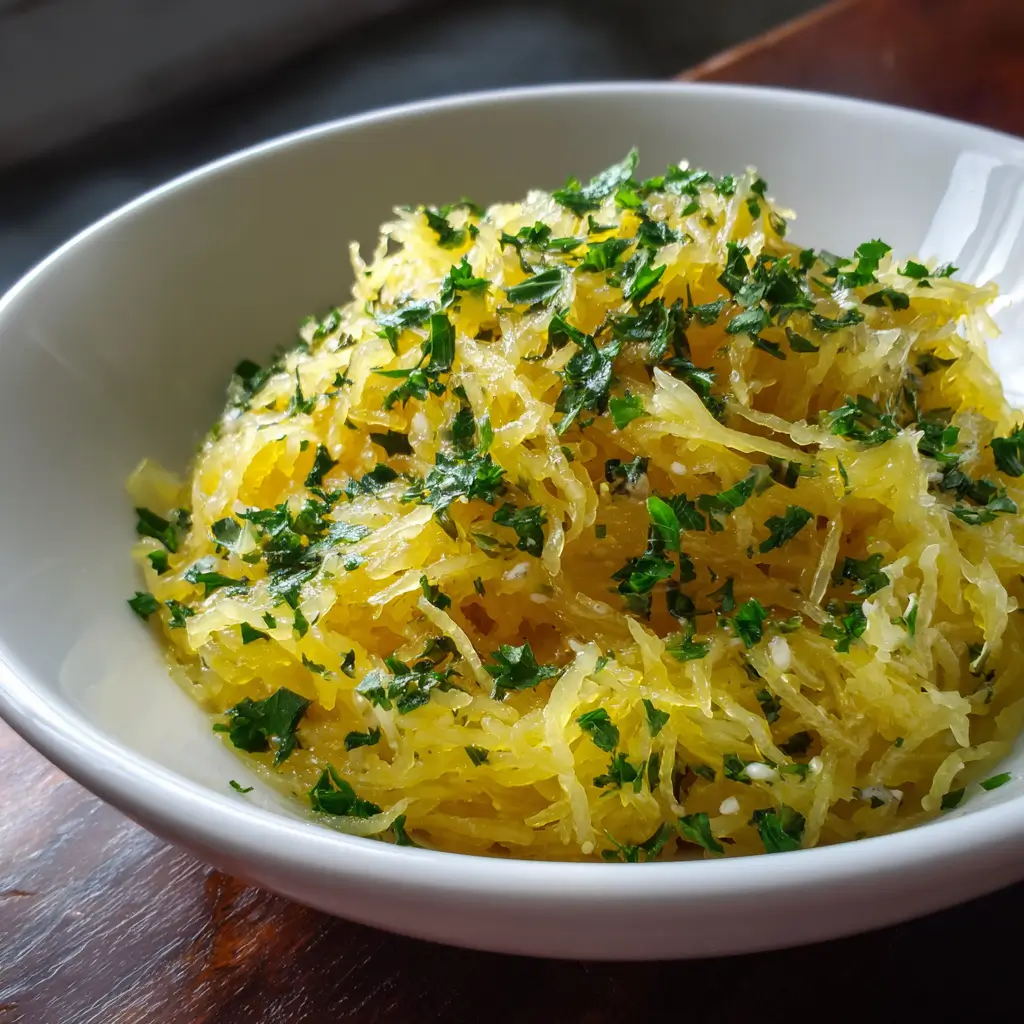
Spaghetti squash with garlic and herb sauce is a modern, wholesome twist on traditional pasta dishes that combines the natural texture of spaghetti-like strands from roasted squash with the bold, aromatic flavors of fresh garlic and a medley of herbs. This dish has gained widespread popularity among health-conscious eaters, low-carb dieters, and those exploring plant-based cuisine due to its light yet satisfying profile. Unlike conventional pasta, which can be heavy and high in carbohydrates, spaghetti squash offers a nutrient-rich alternative that doesn’t compromise on flavor or mouthfeel. Whether you’re looking for a gluten-free option, aiming to reduce your carb intake, or simply want to incorporate more vegetables into your meals, this recipe delivers exceptional taste and versatility. The gentle sweetness of the roasted squash pairs beautifully with the pungent garlic and fragrant herbs, creating a balanced symphony of flavors that feels both rustic and refined. It’s a perfect dish for weeknight dinners, meal prepping, or even impressing guests at a casual dinner party. With minimal prep time and easy-to-find ingredients, spaghetti squash with garlic and herb sauce stands out as a go-to recipe for anyone seeking comfort food with a healthy upgrade.
The History
Spaghetti squash, despite its name and pasta-like appearance, is not related to wheat-based spaghetti but rather belongs to the Cucurbitaceae family, which includes pumpkins, zucchini, and other winter squashes. Native to Central America, it was first cultivated by indigenous peoples thousands of years ago before spreading throughout North and South America. However, spaghetti squash didn’t gain significant attention in Western cuisine until the mid-20th century. Its rise began in the United States during the 1930s when seed companies started promoting it as a novelty vegetable due to its unique stringy flesh that separates into noodle-like strands when cooked. By the 1950s, it had become a curiosity in American kitchens, often served simply with butter and salt. As dietary trends evolved in the late 20th and early 21st centuries—particularly the growing interest in low-carbohydrate, gluten-free, and plant-forward diets—spaghetti squash experienced a resurgence in popularity. Health advocates and nutritionists began touting it as a smart substitute for traditional pasta. Meanwhile, culinary innovation brought new ways to prepare it, including roasting, steaming, microwaving, and air frying. The pairing of spaghetti squash with garlic and herb sauce draws inspiration from Italian-American cooking traditions, where garlic-infused olive oil and fresh herbs form the backbone of many classic sauces like aglio e olio. Over time, home cooks and chefs alike adapted these techniques to complement the mild flavor of the squash, leading to today’s beloved version: a light, fragrant, and nourishing dish that honors both tradition and modern wellness ideals.
Ingredients Breakdown
The beauty of spaghetti squash with garlic and herb sauce lies in its simplicity and reliance on fresh, high-quality ingredients. Each component plays a vital role in building layers of flavor while keeping the dish nutritious and satisfying. At the heart of the recipe is the spaghetti squash itself—an oblong winter squash with golden-yellow skin and tender, fibrous flesh that naturally separates into long, noodle-like strands when cooked. One medium-sized squash (about 2.5 to 3 pounds) typically yields enough for four generous servings. For the sauce, extra virgin olive oil serves as the base, providing richness and helping to carry the flavors of the aromatics. Fresh garlic is essential; its sharp, pungent notes mellow into a sweet, nutty depth when sautéed gently in oil. Depending on preference, anywhere from 4 to 8 cloves can be used to achieve the desired intensity. A blend of fresh herbs brings brightness and complexity—parsley adds freshness, basil contributes a slightly sweet anise note, thyme offers earthiness, and oregano lends a warm, slightly peppery tone. Dried herbs may be substituted in a pinch, though fresh ones deliver superior aroma and color. To enhance umami and depth, optional additions include nutritional yeast (for a cheesy, vegan-friendly flavor), grated Parmesan cheese (if not dairy-free), lemon zest or juice (to brighten the dish), red pepper flakes (for heat), and sea salt and freshly ground black pepper for seasoning. Some variations also incorporate cherry tomatoes, spinach, mushrooms, or white beans for added texture and nutrition. All ingredients are easily accessible, naturally gluten-free, and adaptable to various dietary needs, making this recipe inclusive and versatile.
Step-by-Step Recipe
- Preheat the Oven: Begin by preheating your oven to 400°F (200°C). Line a large baking sheet with parchment paper or lightly grease it to prevent sticking.
- Prepare the Squash: Carefully wash the exterior of the spaghetti squash. Using a sharp chef’s knife, cut the squash in half lengthwise from stem to end. This requires firm pressure and caution—place the squash on a stable surface and use a rocking motion to slice through. Once halved, use a large spoon to scrape out the seeds and fibrous strands from the center cavity. Discard or save the seeds for roasting later.
- Roast the Squash: Place the two halves cut-side up on the prepared baking sheet. Drizzle each half with about 1 tablespoon of olive oil and sprinkle lightly with sea salt and black pepper. Roast in the preheated oven for 35 to 45 minutes, depending on size, until the flesh is tender and easily pierced with a fork. The edges may begin to caramelize slightly, enhancing flavor.
- Cool and Shred: Remove the squash from the oven and let it cool for 5–10 minutes until manageable to handle. Use a fork to scrape the inside of each half, pulling from one end to the other. The flesh will separate into long, spaghetti-like strands. Transfer the shredded squash to a large bowl and fluff with the fork to loosen.
- Prepare the Garlic & Herb Sauce: While the squash is roasting, heat 3–4 tablespoons of extra virgin olive oil in a large skillet over medium-low heat. Add thinly sliced or minced garlic (start with 4 cloves) and cook slowly, stirring frequently, for 2–3 minutes until fragrant and just beginning to turn golden. Avoid browning to prevent bitterness.
- Add Herbs and Seasonings: Stir in ¼ cup chopped fresh parsley, 2 tablespoons chopped fresh basil, 1 teaspoon chopped fresh thyme, and ½ teaspoon dried oregano (or 1 tablespoon fresh). Cook for another minute to release the herbal oils. Optional: add a pinch of red pepper flakes, a squeeze of lemon juice, or 2 tablespoons of grated Parmesan or nutritional yeast.
- Combine and Toss: Add the roasted spaghetti squash strands to the skillet with the garlic-herb oil. Gently toss everything together using tongs or a large spoon, ensuring each strand is coated evenly. Cook for 2–3 minutes to warm through and allow flavors to meld.
- Serve Immediately: Taste and adjust seasoning with additional salt, pepper, lemon juice, or herbs if needed. Serve hot, optionally garnished with extra Parmesan, microgreens, pine nuts, or a drizzle of high-quality olive oil.
Tips
- Safety First: Cutting a raw spaghetti squash can be challenging due to its tough rind. To make it easier, microwave the whole squash for 2–3 minutes to soften slightly before slicing.
- Even Roasting: For more even cooking and better texture, place the squash halves cut-side down on the baking sheet. This allows steam to build up and results in moister strands.
- Avoid Sogginess: After shredding, let the squash sit in a colander for a few minutes to drain excess moisture, especially if you prefer a drier texture similar to al dente pasta.
- Garlic Control: Garlic burns quickly. Keep the heat low and monitor closely. If you love garlic flavor without the risk of bitterness, consider adding half at the beginning and the rest toward the end of sautéing.
- Fresh Herbs Matter: Whenever possible, use fresh herbs—they provide a vibrant, garden-fresh taste that dried versions cannot match. Chop them just before adding to preserve their essential oils.
- Flavor Boosters:
- Meal Prep Friendly: Roast the squash ahead of time and store the strands in an airtight container in the refrigerator for up to 4 days. Reheat with a splash of water or broth to restore moisture.
- Cooking Alternatives: You can also cook the squash in a slow cooker, Instant Pot, or microwave for faster preparation. In the microwave, pierce the whole squash several times, microwave for 10–12 minutes, then halve and scoop.
- Browning Option: For a deeper flavor, transfer the tossed squash to a skillet and let it sit undisturbed for 1–2 minutes to develop a slight crust.
- Serving Temperature: Always serve warm—cold spaghetti squash can become gummy and less appealing in texture.
Enhance the dish with sun-dried tomatoes, capers, olives, artichoke hearts, or roasted red peppers for Mediterranean flair.
Variations and Customizations
This recipe is highly adaptable to suit different tastes, dietary preferences, and seasonal ingredients. For a creamy version, stir in a few tablespoons of cashew cream, coconut milk, or Greek yogurt to create a richer sauce. Vegans might enjoy blending soaked cashews with garlic and herbs for a dairy-free Alfredo-style twist. To make it a protein-packed meal, top with grilled chicken, shrimp, tofu, tempeh, or chickpeas. For a Mediterranean spin, add chopped Kalamata olives, artichoke hearts, diced cucumber, cherry tomatoes, and crumbled feta cheese, finishing with a drizzle of tzatziki or hummus. Those craving an Italian-inspired dish can mix in marinara sauce, meatballs, or sautéed mushrooms and onions. For a low-FODMAP option, replace garlic with garlic-infused oil (without actual garlic pieces) and use herbs like parsley, chives, and basil. Spice lovers can increase the red pepper flakes or add a dash of smoked paprika or harissa paste. During fall and winter, incorporate roasted butternut squash cubes or caramelized apples for sweetness. In spring and summer, fold in fresh peas, asparagus, or zucchini ribbons. For a kid-friendly version, keep the garlic mild, add shredded mozzarella, and bake briefly until bubbly. You can even turn leftovers into a frittata or hash by mixing the squash with beaten eggs and pan-frying. The possibilities are endless, allowing this dish to evolve with your cravings and pantry staples.
Health Considerations and Nutritional Value
Spaghetti squash with garlic and herb sauce is a powerhouse of nutrition, offering numerous health benefits without sacrificing flavor. One cup (about 155 grams) of cooked spaghetti squash contains approximately 42 calories, 10 grams of carbohydrates, 2.2 grams of fiber, and 1 gram of protein, making it an excellent choice for those managing weight, blood sugar levels, or carbohydrate intake. It is naturally low in fat and free from cholesterol and sodium (when unsalted), supporting heart health. Rich in antioxidants such as vitamin C, beta-carotene, and various carotenoids, spaghetti squash helps combat oxidative stress and supports immune function. It also provides essential nutrients like manganese, vitamin B6, folate, and small amounts of omega-3 fatty acids. The inclusion of extra virgin olive oil enhances the absorption of fat-soluble vitamins and contributes heart-healthy monounsaturated fats, which have been linked to reduced inflammation and improved cardiovascular outcomes. Garlic, a key ingredient, possesses well-documented antimicrobial, anti-inflammatory, and potential cholesterol-lowering properties. Herbs like parsley and basil are rich in flavonoids and volatile oils that support detoxification and digestion. Because the dish is primarily plant-based, it aligns with vegetarian, vegan, paleo, gluten-free, and keto-friendly diets (in moderation). However, individuals on strict ketogenic diets should monitor portion sizes due to the squash’s moderate carbohydrate content. Those with nightshade sensitivities may need to avoid certain herbs or toppings, though the squash itself is not a nightshade. Overall, this dish promotes satiety, digestive health, and metabolic balance, making it a smart addition to a balanced eating plan.
Ingredients
- 1 medium spaghetti squash (2.5–3 lbs)
- 4–6 tablespoons extra virgin olive oil (divided)
- 4–8 cloves garlic, minced or thinly sliced
- ¼ cup fresh parsley, finely chopped
- 2 tablespoons fresh basil, chopped
- 1 teaspoon fresh thyme leaves
- ½ teaspoon dried oregano (or 1 tbsp fresh)
- ½ teaspoon sea salt (or to taste)
- Freshly ground black pepper, to taste
- Optional: juice of ½ lemon, 2 tbsp nutritional yeast or grated Parmesan, pinch of red pepper flakes, cherry tomatoes, spinach, or protein of choice
Directions
- Preheat oven to 400°F (200°C). Line a baking sheet with parchment paper.
- Carefully cut the spaghetti squash in half lengthwise and scoop out seeds.
- Place halves cut-side up on the baking sheet. Drizzle each with 1 tbsp olive oil and season with salt and pepper.
- Roast for 35–45 minutes until tender when pierced with a fork.
- Remove from oven and let cool slightly. Use a fork to shred the flesh into strands; set aside.
- In a large skillet, heat 3 tbsp olive oil over medium-low heat.
- Add garlic and cook for 2–3 minutes until fragrant but not browned.
- Stir in all herbs, red pepper flakes (if using), and lemon juice. Cook 1 minute.
- Add the shredded squash to the skillet and toss to coat. Warm through for 2–3 minutes.
- Taste and adjust seasoning. Add Parmesan or nutritional yeast if desired.
- Serve immediately, garnished with extra herbs, cheese, or a drizzle of olive oil.
FAQ
Is spaghetti squash really like pasta?
While it doesn’t have the exact chewiness of wheat pasta, spaghetti squash has a mild flavor and long, strand-like texture that makes it an excellent low-carb substitute, especially when paired with flavorful sauces.
Can I make this ahead of time?
Yes! Roast and shred the squash up to 4 days in advance. Store in an airtight container in the fridge. Reheat with a bit of oil or broth before tossing with the fresh garlic-herb sauce.
How do I store leftovers?
Keep in a sealed container in the refrigerator for up to 4 days. Reheat in a skillet over medium heat to preserve texture. Avoid microwaving for too long, as it can become mushy.
Can I freeze spaghetti squash?
Yes, though the texture may soften upon thawing. Freeze cooked, drained strands in a freezer-safe bag for up to 3 months. Thaw in the fridge and reheat gently.
Why is my squash watery?
Excess moisture is common. Try roasting cut-side down, draining after shredding, or sautéing longer to evaporate water.
Can I use dried herbs instead of fresh?
You can, but use one-third the amount (dried herbs are more concentrated). Fresh herbs offer brighter flavor and better aroma.
Is this recipe suitable for special diets?
Absolutely. It’s naturally gluten-free, vegan (if omitting cheese), paleo-friendly, and can fit into low-carb or diabetic meal plans with portion control.
What can I serve with this dish?
Pair with a crisp green salad, garlic bread (or cauliflower bread), roasted vegetables, or a protein like grilled salmon or chicken for a complete meal.
Summary
Spaghetti squash with garlic and herb sauce is a delicious, healthy, and versatile alternative to traditional pasta that celebrates fresh flavors and wholesome ingredients. Easy to prepare and endlessly customizable, it’s a nourishing dish perfect for any season and diet.