Introduction
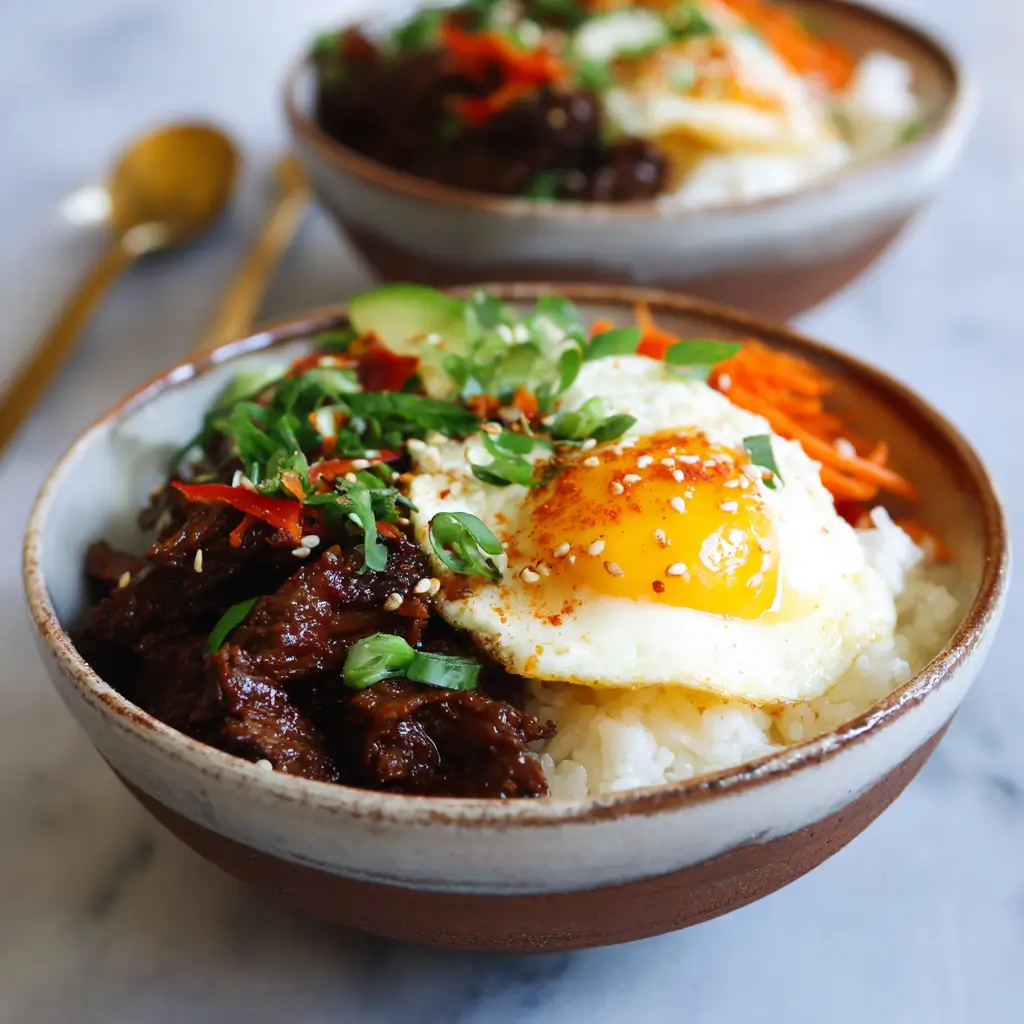
Korean Beef Bulgogi Bowls are a vibrant, flavorful, and satisfying meal that brings the essence of Korean cuisine straight to your table. Combining tender, marinated beef with fresh vegetables, steamed rice, and a variety of traditional toppings, these bowls offer a perfect balance of sweet, savory, spicy, and umami flavors. Whether you’re new to Korean food or a longtime fan, this dish is both approachable and deeply authentic. With its colorful presentation and customizable components, it’s ideal for weeknight dinners, meal prep, or impressing guests at a dinner party. In this comprehensive guide, we’ll walk you through everything you need to know about crafting the perfect Korean Beef Bulgogi Bowl—from the history behind the dish to ingredient breakdowns, step-by-step cooking instructions, expert tips, variations, health benefits, and more.
The History
Bulgogi, which translates to “fire meat” in Korean (불고기), has roots dating back to the Goguryeo era (37 BCE–668 CE), where thin slices of meat were grilled on a convex metal plate. Originally enjoyed by royalty and the upper class, bulgogi evolved over centuries into a beloved national dish accessible to all Koreans. During the Joseon Dynasty, grilling meat became more widespread, especially among commoners. The modern version of bulgogi emerged in the early 20th century with the introduction of soy sauce and sugar, which gave the marinade its signature sweet-savory profile. As Korean immigrants spread across the globe, bulgogi gained international fame, becoming one of the most recognizable Korean dishes worldwide. Today, it’s commonly served with rice, lettuce wraps, or as part of a bibimbap-style bowl—making it not only a cultural treasure but also a versatile culinary staple.
Ingredients Breakdown
The magic of Korean Beef Bulgogi Bowls lies in the harmony of its ingredients. Each component plays a crucial role in creating layers of flavor, texture, and nutrition:
- Beef: Traditionally made with ribeye or sirloin, thinly sliced for quick cooking and maximum tenderness.
- Soy Sauce: Provides saltiness and depth; use low-sodium if preferred.
- Asian Pear or Kiwi: Natural tenderizers that break down proteins, ensuring melt-in-your-mouth beef.
- Sugar or Honey: Balances the saltiness and adds caramelization when seared.
- Sesame Oil: Adds nutty aroma and richness to the marinade.
- Garlic and Ginger: Aromatic powerhouses that enhance flavor complexity.
- Green Onions: Offer freshness and mild onion bite.
- Toasted Sesame Seeds: Add crunch and visual appeal.
- Rice: Typically short-grain white rice, though brown rice or cauliflower rice can be used.
- Vegetables: Commonly include carrots, cucumbers, spinach, mushrooms, bean sprouts, and kimchi for color, texture, and nutrients.
- Gochujang (Korean Chili Paste): Optional for added heat and depth.
- Fried or Soft-Boiled Egg: Often placed on top for creaminess and protein boost.
- Perilla Leaves or Lettuce: Used as wraps or garnishes for freshness.
These ingredients work together to create a symphony of taste and texture—sweet, salty, spicy, tangy, crunchy, and tender—all in one bowl.
Step-by-Step Recipe
- Prepare the Marinade: In a large bowl, combine 1/2 cup soy sauce, 1/4 cup water, 3 tablespoons sugar (or honey), 2 tablespoons sesame oil, 1 tablespoon minced garlic, 1 tablespoon grated ginger, 1/2 cup pureed Asian pear (or kiwi), and 2 chopped green onions. Mix well until sugar dissolves.
- Marinate the Beef: Add 1 pound (450g) thinly sliced beef (ribeye or sirloin) to the marinade. Toss to coat evenly. Cover and refrigerate for at least 2 hours, preferably 4–6 hours (but no longer than 24 hours to avoid mushiness).
- Cook the Rice: Rinse 1 cup of short-grain rice under cold water until water runs clear. Cook according to package instructions or using a rice cooker. Set aside.
- Prepare the Vegetables:
- Saute 2 cups spinach in a hot pan with a drizzle of oil and a pinch of salt until wilted. Cool and squeeze out excess water.
- Julienne 1 carrot and season lightly with salt and sesame oil.
- Thinly slice cucumber and optionally quick-pickle with rice vinegar, sugar, and salt.
- If using mushrooms, sauté in sesame oil until golden.
- Have kimchi ready—store-bought or homemade.
- Cook the Beef: Heat 1 tablespoon vegetable oil in a large skillet or wok over high heat. Add the marinated beef (reserve marinade) in batches to avoid overcrowding. Sear for 2–3 minutes per side until caramelized and cooked through. Pour reserved marinade into the pan and simmer for 1–2 minutes until slightly thickened. Stir in 1 teaspoon toasted sesame seeds.
- Make the Fried Egg (Optional): Fry eggs sunny-side up or over-easy in a non-stick pan with a little oil until edges are crispy and yolks are runny.
- Assemble the Bowls: Divide cooked rice among serving bowls. Arrange bulgogi beef and assorted vegetables attractively around the bowl. Top with a fried egg, extra green onions, sesame seeds, and a drizzle of gochujang or sriracha mayo if desired.
- Serve Immediately: Enjoy while hot, mixing ingredients together for a full-flavored bite.
Tips
- Freeze the Beef Slightly: To get ultra-thin slices, partially freeze the beef for 30–60 minutes before slicing against the grain.
- Don’t Skip the Fruit: Asian pear or kiwi isn’t just for sweetness—it naturally tenderizes the meat without overpowering flavor.
- Use High Heat: For the best sear and caramelization, cook beef quickly over high heat. Avoid steaming by not overcrowding the pan.
- Double the Marinade: If prepping ahead, make extra marinade to freeze with raw beef for future meals.
- Rice Variations: Try black rice, forbidden rice, or quinoa for a twist.
- Batch Cooking: This recipe doubles easily—perfect for meal prep. Store components separately and assemble when ready.
- Add Crunch: Top with roasted seaweed strips or crushed peanuts for extra texture.
- Balance Flavors: Serve with a wedge of lime or lemon to add brightness before eating.
Variations and Customizations
Korean Beef Bulgogi Bowls are incredibly adaptable to different tastes, dietary needs, and available ingredients:
- Protein Swaps: Use chicken (Bulgogi Dak), pork (Daeji Bulgogi), or tofu/mushrooms for a vegetarian version.
- Gluten-Free Option: Substitute tamari or coconut aminos for soy sauce.
- Low-Sugar Version: Replace sugar with monk fruit sweetener or reduce sweeteners entirely; rely on pear for natural sweetness.
- Spicy Bulgogi: Add 1–2 tablespoons of gochujang or gochugaru (Korean chili flakes) to the marinade.
- Deconstructed Bibimbap Style: Serve everything over rice and mix with a raw egg yolk and gochujang before eating.
- Noodle Bowl Twist: Swap rice for glass noodles (japchae) or soba noodles.
- Grilled Version: Instead of pan-frying, grill the marinated beef on a barbecue for a smoky flavor.
- Kids’ Version: Omit spice, reduce soy sauce, and serve with mild vegetables like zucchini and corn.
- Premium Upgrade: Use wagyu beef for an ultra-luxurious experience.
Health Considerations and Nutritional Value
A typical serving of Korean Beef Bulgogi Bowl (approx. 1.5 cups with rice, beef, and vegetables) contains roughly:
- Calories: 550–700 kcal
- Protein: 30–40g (excellent source from beef and egg)
- Carbohydrates: 60–80g (mainly from rice and fruit in marinade)
- Fat: 20–25g (mostly healthy fats from sesame oil and beef)
- Sodium: 900–1200mg (can be reduced with low-sodium soy sauce)
Health Benefits:
- High-Quality Protein: Supports muscle repair and satiety.
- Antioxidants: Garlic, ginger, and sesame oil have anti-inflammatory properties.
- Digestive Health: Kimchi provides probiotics for gut health.
- Vitamins & Minerals: Spinach (iron), carrots (vitamin A), and sesame seeds (calcium, magnesium).
Considerations:
- Monitor sodium intake, especially for those with hypertension.
- Limit added sugars in marinade for diabetics or low-carb diets.
- Opt for leaner cuts of beef or plant-based proteins for heart health.
- Portion control helps manage calorie intake—use smaller bowls or increase veggie-to-rice ratio.
Ingredients
- 1 lb (450g) ribeye or sirloin steak, thinly sliced
- 1/2 cup soy sauce (low-sodium preferred)
- 1/4 cup water
- 3 tbsp sugar or honey
- 2 tbsp toasted sesame oil
- 1 tbsp minced garlic
- 1 tbsp grated fresh ginger
- 1/2 cup pureed Asian pear or kiwi (about 1 small pear)
- 2 green onions, chopped
- 1 tbsp vegetable oil (for cooking)
- 1 cup cooked short-grain white rice (per serving)
- 2 cups fresh spinach, blanched
- 1 carrot, julienned
- 1/2 cucumber, thinly sliced or pickled
- 1/2 cup kimchi
- 4 oz mushrooms (shiitake or button), sautéed
- 4 eggs (optional, for topping)
- 1 tsp toasted sesame seeds
- Optional: gochujang, sriracha mayo, perilla leaves, roasted seaweed
Directions
- In a mixing bowl, whisk together soy sauce, water, sugar, sesame oil, garlic, ginger, pureed pear, and green onions.
- Add sliced beef to the marinade, ensuring each piece is well-coated. Cover and refrigerate for 2–6 hours.
- Cook rice according to instructions and keep warm.
- Blanch spinach in boiling water for 30 seconds, drain, cool, and squeeze dry. Season with a dash of sesame oil and salt.
- Julienne carrot and season lightly. Slice cucumber and optionally pickle in vinegar-sugar brine for 15 minutes.
- Heat vegetable oil in a skillet over high heat. Remove beef from marinade (reserve liquid) and sear in batches for 2–3 minutes per side.
- Pour reserved marinade into the pan and simmer 1–2 minutes until sauce reduces slightly.
- Fry eggs to preference (sunny-side up recommended).
- Divide rice into bowls. Arrange beef, spinach, carrots, cucumber, mushrooms, and kimchi in sections over the rice.
- Top each bowl with a fried egg, sprinkle with sesame seeds and green onions.
- Serve immediately with optional condiments like gochujang on the side.
FAQ
Can I make bulgogi ahead of time?
Yes! Marinate the beef up to 24 hours in advance. Cooked bulgogi can be stored in the fridge for 3–4 days or frozen for up to 3 months.
Can I use frozen vegetables?
Fresh is best, but you can use thawed and drained frozen spinach or stir-fry mixes in a pinch.
Is bulgogi spicy?
Traditional bulgogi is not spicy, but you can add gochujang or chili flakes to make it spicy.
What can I substitute for Asian pear?
Kiwi, pineapple, or apple work as tenderizing alternatives, though pear is ideal for neutral flavor.
Can I bake the beef instead of frying?
Yes—spread marinated beef on a lined baking sheet and broil for 5–7 minutes per side.
Are these bowls gluten-free?
Only if you use tamari or a certified gluten-free soy sauce, as traditional soy sauce contains wheat.
How do I prevent soggy bowls?
Keep components separate until serving, and ensure vegetables are well-drained.
Can I use a slow cooker?
You can cook the marinated beef on low for 4–6 hours, but you’ll miss the charred sear—finish under the broiler for texture.
Summary
Korean Beef Bulgogi Bowls are a delicious fusion of sweet, savory, and umami flavors, featuring tender marinated beef, fresh vegetables, and fluffy rice in a beautifully balanced meal. Easy to customize and rich in cultural heritage, this dish brings restaurant-quality Korean comfort food right into your kitchen.