Cabbage Stir-Fry with Chicken: A Flavorful, Quick, and Nutritious Meal
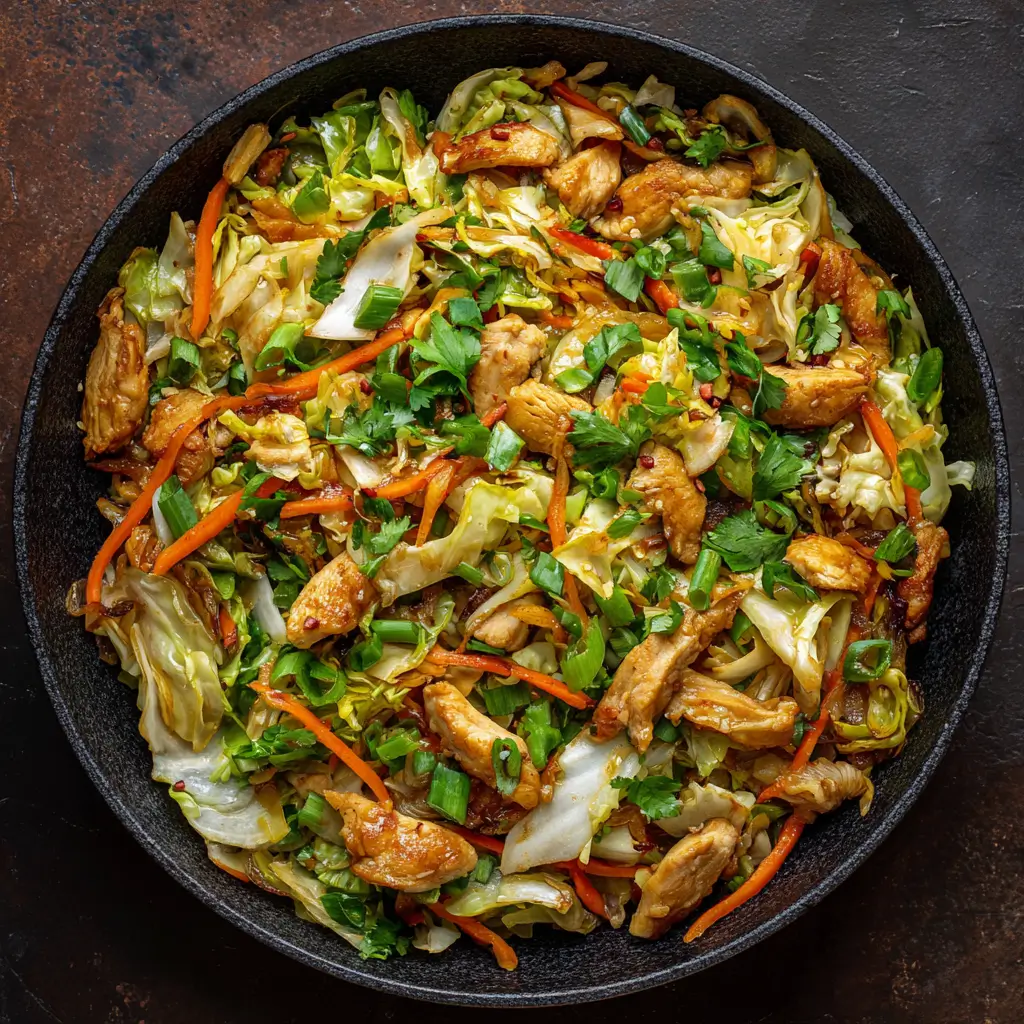
The Cabbage Stir-Fry with Chicken is a delightful fusion of tender chicken, crisp cabbage, and aromatic seasonings that come together in under 30 minutes. This dish balances savory umami flavors with a slight crunch, making it a go-to option for busy weeknights or healthy meal prepping. Whether you’re looking to boost your vegetable intake or simply enjoy a comforting yet light entrée, this stir-fry delivers on taste, nutrition, and convenience.
The History of Stir-Frying and Cabbage in Global Cuisine
Stir-frying is a cooking technique that originated in China over 2,000 years ago during the Han Dynasty. It was developed as an efficient method to cook food quickly over high heat using minimal oil, preserving nutrients and enhancing flavor through the Maillard reaction. The wok, a versatile curved pan, became central to this style of cooking, allowing ingredients to be tossed rapidly and evenly cooked.
Cabbage, meanwhile, has been cultivated for thousands of years and features prominently in European, Asian, and Eastern Mediterranean cuisines. In Asia, particularly in China and Korea, cabbage varieties like napa and bok choy are staples used in soups, stews, and stir-fries. Sauerkraut and coleslaw reflect its importance in Western culinary traditions. When combined with lean protein such as chicken, cabbage transforms into a satisfying meal that bridges cultural lines—this recipe embodies that harmony.
Ingredients Breakdown: What Goes Into a Perfect Cabbage Stir-Fry
The beauty of this Cabbage Stir-Fry with Chicken lies in its simplicity and balance of textures and flavors. Each ingredient serves a purpose:
- Chicken Breast or Thighs: Lean and rich in protein, chicken provides a hearty base. Thighs offer more moisture and flavor, while breasts are lighter and lower in fat.
- Green Cabbage: Crunchy and slightly sweet, green cabbage holds up well to high-heat cooking without turning mushy. You can substitute red cabbage for color or use napa cabbage for a more delicate texture.
- Aromatics (Garlic and Ginger): These add depth and warmth, forming the flavor foundation of the dish. Freshly minced versions deliver superior taste compared to powdered forms.
- Onion: Yellow or white onions contribute sweetness and complexity when sautéed.
- Carrots: Julienned carrots add color, subtle sweetness, and extra fiber.
- Soy Sauce: Provides saltiness and umami. Use low-sodium soy sauce to control salt levels, or tamari for a gluten-free alternative.
- Sesame Oil: Adds a nutty aroma and richness. Always use toasted sesame oil for maximum flavor, but sparingly—it’s potent.
- Vegetable Oil: High smoke point makes it ideal for stir-frying at high temperatures.
- Rice Vinegar or Apple Cider Vinegar: A splash brightens the dish, cutting through richness and enhancing freshness.
- Honey or Brown Sugar: A touch balances the savory and acidic components, rounding out the flavor profile.
- Red Pepper Flakes (Optional): For those who enjoy heat, a pinch adds mild spiciness.
- Cornstarch Slurry (Optional): Used to thicken the sauce slightly, giving it a glossy coat over the ingredients.
- Green Onions and Sesame Seeds: Garnishes that enhance visual appeal and add layers of flavor.
Step-by-Step Recipe: How to Make Cabbage Stir-Fry with Chicken
Follow these detailed steps for a perfectly balanced and restaurant-quality stir-fry every time:
- Prepare Ingredients: Slice 1 pound of boneless, skinless chicken breast or thighs into thin strips. Shred about 4 cups of green cabbage (remove tough core). Julienne 1 medium carrot and slice 1 small onion. Mince 3 cloves of garlic and 1 tablespoon of fresh ginger.
- Marinate Chicken (Optional): For enhanced tenderness and flavor, marinate chicken in 1 tbsp soy sauce, 1 tsp cornstarch, 1 tsp rice vinegar, and 1 tsp sesame oil for 15–30 minutes.
- Make Sauce: In a small bowl, whisk together 3 tbsp soy sauce, 1 tbsp rice vinegar, 1 tsp honey (or brown sugar), 1/2 tsp sesame oil, 1/2 tsp red pepper flakes (optional), and 2 tbsp water. Set aside.
- Heat Wok or Skillet: Place a large wok or non-stick skillet over high heat. Add 1 tbsp vegetable oil and swirl to coat.
- Cook Chicken: Add chicken in a single layer and sear for 2–3 minutes per side until golden brown and cooked through. Remove and set aside.
- Sauté Aromatics: Add another 1/2 tbsp oil if needed. Toss in onions, garlic, ginger, and carrots. Stir-fry for 1–2 minutes until fragrant and slightly softened.
- Add Cabbage: Increase heat to high and add shredded cabbage. Stir constantly for 3–4 minutes until cabbage wilts but still retains a pleasant crunch.
- Combine Everything: Return chicken to the pan. Pour sauce over the mixture and toss well to coat all ingredients. Cook for another 1–2 minutes.
- Thicken Sauce (Optional): If desired, mix 1 tsp cornstarch with 1 tbsp cold water and stir into the stir-fry. Simmer for 30 seconds until sauce thickens slightly.
- Finish and Serve: Remove from heat. Stir in chopped green onions and a sprinkle of toasted sesame seeds. Taste and adjust seasoning with more soy sauce, vinegar, or honey as needed.
Tips for the Best Cabbage Stir-Fry with Chicken
- Prep Ahead: Chop all ingredients before starting. Stir-frying happens fast, so having everything ready ensures smooth execution.
- High Heat is Key: Use the highest burner setting possible. This prevents steaming and promotes proper searing and caramelization.
- Don’t Overcrowd the Pan: Cook in batches if necessary. Overloading lowers the temperature and leads to soggy vegetables.
- Keep Cabbage Crisp-Tender: Avoid overcooking. The cabbage should be wilted but still have a nice bite.
- Vary Textures: Consider adding bell peppers, mushrooms, snap peas, or broccoli for additional texture and nutrients.
- Use Fresh Ingredients: Fresh garlic, ginger, and herbs make a noticeable difference versus dried or jarred alternatives.
- Rest the Chicken: Let marinated chicken sit at room temperature for 10–15 minutes before cooking for even doneness.
- Season in Layers: Lightly salt each component as you cook (e.g., chicken, veggies) rather than only at the end for deeper flavor.
Variations and Customizations
This recipe is highly adaptable based on dietary needs, flavor preferences, and ingredient availability:
- Vegetarian/Vegan Version: Replace chicken with tofu, tempeh, or chickpeas. Use vegan-friendly sauce (ensure no fish sauce or honey; substitute maple syrup).
- Low-Carb/Keto Option: Omit honey/sugar and serve over cauliflower rice instead of regular rice.
- Gluten-Free Adaptation: Substitute soy sauce with tamari or coconut aminos.
- Spicy Kick: Add sriracha, chili garlic paste, or sliced fresh Thai chilies along with the aromatics.
- Asian-Inspired Twists: Incorporate oyster sauce, hoisin sauce, or black bean sauce for regional flair.
- Extra Umami Boost: Add a teaspoon of miso paste to the sauce or a few drops of fish sauce.
- Noodle Stir-Fry: Toss in cooked rice noodles, udon, or soba at the end for a heartier dish.
- Colorful Veggie Mix: Add red bell pepper, zucchini, baby corn, or bok choy for visual appeal and nutritional diversity.
Health Considerations and Nutritional Value
Cabbage Stir-Fry with Chicken is not only delicious but also packed with health benefits:
Nutritional Highlights (per serving, approx. 1.5 cups):
- Calories: ~280–320 kcal (varies by oil and chicken cut)
- Protein: ~25–30g – supports muscle repair and satiety
- Fat: ~10–14g – mostly unsaturated from oils; reduce by using less oil or non-stick spray
- Carbohydrates: ~15–20g – primarily from vegetables and minimal added sugar
- Fiber: ~5g – excellent source due to cabbage, carrots, and optional additions
- Vitamin C: High – boosts immune function and acts as an antioxidant
- Vitamin K: Abundant in cabbage – essential for blood clotting and bone health
- Folate, Potassium, and Manganese: Present in meaningful amounts
Health Benefits:
- Supports Digestive Health: Cabbage contains insoluble fiber and compounds like glutamine that soothe the gut lining.
- Anti-Inflammatory Properties: Sulforaphane in cabbage and ginger’s gingerol help reduce inflammation.
- Heart Healthy: Low in saturated fat and rich in potassium, which helps regulate blood pressure.
- Weight Management Friendly: High volume, low-calorie density keeps you full longer.
- Blood Sugar Control: Low glycemic load makes it suitable for diabetics when sugar is minimized.
Dietary Notes:
- Can be adapted for paleo, Whole30 (omit sugar and soy sauce; use coconut aminos), and low-FODMAP diets (use garlic-infused oil and limit onion).
- Monitor sodium content by choosing low-sodium soy sauce and limiting added salt.
Complete Ingredients List
- 1 lb (450g) boneless, skinless chicken breast or thighs, thinly sliced
- 4 cups shredded green cabbage (about 1/2 medium head)
- 1 medium carrot, julienned
- 1 small yellow onion, thinly sliced
- 3 cloves garlic, minced
- 1 tbsp fresh ginger, grated or finely minced
- 2 tbsp vegetable oil (or avocado oil), divided
- 3 tbsp soy sauce (low-sodium preferred)
- 1 tbsp rice vinegar (or apple cider vinegar)
- 1 tsp honey or brown sugar
- 1/2 tsp toasted sesame oil
- 1/2 tsp red pepper flakes (optional)
- 2 tbsp water
- 1 tsp cornstarch + 1 tbsp water (optional, for thickening)
- 2 green onions, sliced (for garnish)
- 1 tsp toasted sesame seeds (for garnish)
Detailed Directions
- Prep All Ingredients: Wash and dry vegetables. Slice chicken into uniform strips for even cooking. Shred cabbage finely. Julienne the carrot. Slice onion. Mince garlic and grate ginger. Measure out all sauce ingredients and keep them separate until needed.
- Marinate Chicken (Recommended): In a bowl, combine chicken with 1 tbsp soy sauce, 1 tsp cornstarch, 1 tsp rice vinegar, and 1 tsp sesame oil. Mix well and let sit for 15–30 minutes at room temperature or refrigerated.
- Whisk Sauce: In a small bowl, blend 3 tbsp soy sauce, 1 tbsp rice vinegar, 1 tsp honey, 1/2 tsp sesame oil, 1/2 tsp red pepper flakes (if using), and 2 tbsp water. Set aside.
- Heat the Pan: Place a wok or large skillet over high heat. Add 1 tbsp vegetable oil and allow it to shimmer—this indicates it’s hot enough for stir-frying.
- Cook the Chicken: Add marinated chicken in a single layer. Sear undisturbed for 2 minutes, then stir-fry for another 2–3 minutes until fully cooked and lightly browned. Transfer to a plate.
- Sauté Aromatics: Add remaining 1/2 tbsp oil. Toss in onions, garlic, ginger, and carrots. Stir-fry for 1–2 minutes until onions begin to soften and fragrance fills the air.
- Add Cabbage: Add shredded cabbage to the pan. Stir constantly for 3–4 minutes until it begins to wilt but remains crisp. Do not cover—this keeps the texture firm.
- Return Chicken: Add cooked chicken back into the skillet with the vegetables.
- Pour in Sauce: Stir the sauce again and pour it over the mixture. Toss everything thoroughly to coat evenly. Cook for 1–2 minutes to heat through.
- Thicken (Optional): If a thicker sauce is desired, stir cornstarch slurry into the stir-fry. Cook for 30 seconds until glossy and slightly thickened.
- Finish and Serve: Remove from heat. Stir in green onions and sesame seeds. Taste and adjust seasoning—add more soy sauce for saltiness, vinegar for brightness, or honey for sweetness.
- Serving Suggestion: Serve immediately over steamed jasmine rice, brown rice, quinoa, or cauliflower rice for a complete meal.
Frequently Asked Questions (FAQ)
Q: Can I use frozen chicken?
A: It’s best to use thawed chicken for even cooking and better texture. If using frozen, ensure it’s fully defrosted and patted dry to avoid excess moisture.
Q: Can I make this ahead of time?
A: Yes, though it’s best served fresh. Store leftovers in an airtight container in the fridge for up to 3 days. Reheat in a skillet over medium heat to preserve texture—microwaving may make cabbage soggy.
Q: Why is my stir-fry watery?
A: Cabbage releases water when cooked. To prevent sogginess, cook over high heat with the pan uncovered, avoid covering the pan, and don’t overcrowd. You can also salt cabbage lightly beforehand and drain excess liquid.
Q: Can I use pre-shredded coleslaw mix?
A: Absolutely! Coleslaw mix (usually green and red cabbage with carrots) works well and saves prep time.
Q: Is this recipe freezer-friendly?
A: While freezing is possible, cabbage tends to become soft upon thawing. It’s better suited for refrigeration and short-term storage.
Q: What can I use instead of soy sauce?
A: Tamari (gluten-free), coconut aminos (soy-free, lower sodium), or liquid aminos are excellent substitutes.
Q: How do I get restaurant-style crisp-tender veggies?
A: Use high heat, minimal oil, and constant stirring. Don’t walk away—the entire process takes just minutes.
Q: Can I add eggs?
A: Yes! Push the stir-fry to one side, crack 1–2 eggs into the pan, scramble, then mix into the dish for added protein.
Summary
Cabbage Stir-Fry with Chicken is a quick, nutritious, and deeply flavorful dish that brings together lean protein and fiber-rich vegetables in a savory, slightly sweet sauce. Packed with vitamins and ready in under 30 minutes, it’s an ideal weeknight dinner that’s easy to customize and hard to resist.