Thai Basil Chicken Stir-Fry: A Flavorful Journey Through Thailand’s Street Food Gem
The History of Thai Basil Chicken Stir-Fry
Thai Basil Chicken Stir-Fry, known locally as Kai Pad Krapow (ไก่ผัดกระเพรา), is a beloved staple in Thai cuisine and a quintessential street food dish. Originating from central Thailand, this aromatic stir-fry has deep roots in the country’s culinary traditions, where bold flavors, fresh ingredients, and quick cooking methods define everyday meals. Historically, it began as a humble home-cooked dish, using readily available ingredients like minced chicken, garlic, chilies, and holy basil—herbs that have long been cultivated across rural Thai farms.
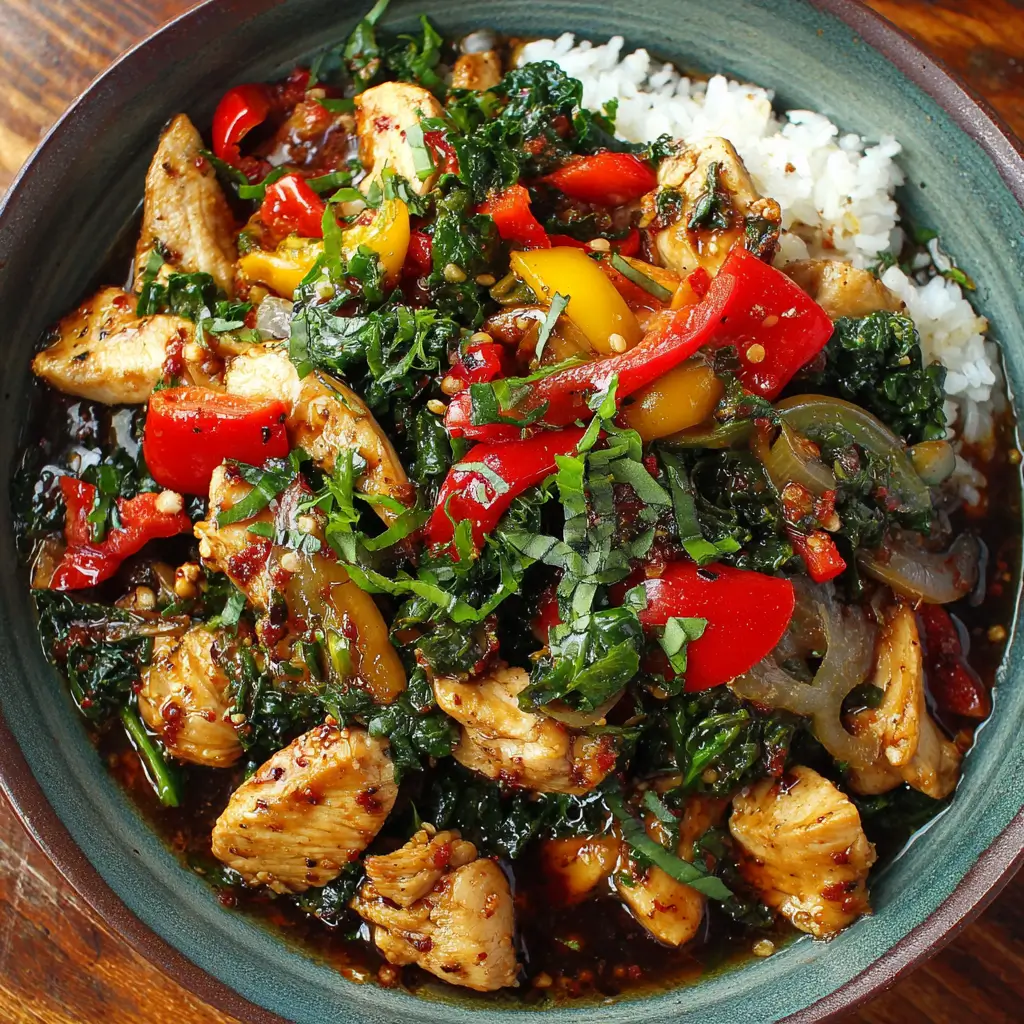
Over time, Kai Pad Krapow gained immense popularity among locals and travelers alike, becoming a go-to meal served in roadside stalls, markets, and family-run eateries throughout Bangkok and beyond. Its rise in global recognition came with the international surge in Thai food popularity during the late 20th century. Today, it’s not only a national favorite but also a symbol of Thai comfort food—a perfect harmony of spicy, savory, and herbal notes served over steaming jasmine rice and often crowned with a fried egg.
The dish reflects Thailand’s regional diversity in flavor profiles, particularly the balance of heat from bird’s eye chilies, saltiness from fish sauce, sweetness from palm sugar, and the unique aroma of holy basil. Unlike its Italian counterpart, holy basil (kaprow) has a peppery, clove-like fragrance that elevates the dish to something truly distinctive. While variations exist—using pork, beef, or tofu—the chicken version remains one of the most popular due to its lean protein content and delicate texture.
Ingredients Breakdown: The Soul of Authentic Flavor
The magic of Thai Basil Chicken Stir-Fry lies in the careful selection and balance of its ingredients. Each component plays a vital role in building layers of flavor, aroma, and texture. Here’s an in-depth look at what goes into making this dish exceptional:
- Minced Chicken: Traditionally made with ground chicken thigh meat for juiciness and depth of flavor, though breast can be used for a leaner option. Thighs offer more fat, which helps carry the spices and prevents dryness during high-heat cooking.
- Holy Basil (Krapow): The star herb. Holy basil (Ocimum sanctum) is essential—it should not be substituted with sweet or Italian basil. It has a spicy, slightly bitter, clove-anise aroma that defines the dish. Found in Asian grocery stores or grown fresh in gardens.
- Garlic: Freshly minced garlic provides a pungent base note that blooms beautifully when sautéed in oil.
- Bird’s Eye Chilies: These small but mighty peppers bring intense heat. Adjust quantity based on spice tolerance—typically 3–6 chilies are used, finely chopped.
- Fish Sauce (Nam Pla): A cornerstone of Thai seasoning, fish sauce adds umami and saltiness without overpowering. Made from fermented anchovies, it enhances savory depth.
- Oyster Sauce: Adds richness, body, and a subtle sweetness. It helps create a glossy coating on the meat and vegetables.
- Soy Sauce (Light): Used sparingly to deepen color and add complexity without making the dish too salty.
- Palm Sugar: A natural sweetener with caramel-like notes. Balances the salt and spice. Brown sugar can substitute if unavailable.
- Cooking Oil: A neutral oil with a high smoke point—like vegetable, canola, or peanut oil—is ideal for stir-frying at high temperatures.
- Vegetables (Optional): Common additions include sliced bell peppers, green beans, onions, or baby corn for added crunch and nutrition.
- Fried Egg (Khai Dao): Served on top, the runny yolk blends into the stir-fry, adding creaminess and richness. A classic accompaniment.
- Jasmine Rice: The traditional side. Its floral aroma and slightly sticky texture perfectly complement the bold stir-fry.
Step-by-Step Recipe: How to Make Thai Basil Chicken Stir-Fry at Home
With the right technique and timing, you can recreate this restaurant-quality dish in your own kitchen. Follow these detailed steps for an authentic experience:
- Prepare Ingredients: Mince 500g (about 1 lb) of boneless, skinless chicken thighs. Finely chop 4–6 bird’s eye chilies (adjust to taste). Mince 4 cloves of garlic. Slice 1 medium onion (optional). Cut 1 bell pepper into thin strips. Measure out 1 cup of fresh holy basil leaves. Have all sauces ready near the stove—this is a fast-paced dish!
- Make the Sauce Mixture: In a small bowl, combine 2 tablespoons fish sauce, 1 tablespoon oyster sauce, 1 teaspoon light soy sauce, and 1/2 teaspoon palm sugar (or brown sugar). Stir until sugar dissolves. Set aside.
- Heat the Wok or Pan: Place a wok or large skillet over high heat. Add 2 tablespoons of cooking oil and swirl to coat. Wait until the oil shimmers and starts to lightly smoke—this ensures proper searing.
- Sauté Aromatics: Add the minced garlic and chopped chilies. Stir-fry for 15–20 seconds until fragrant but not burnt. If using onions, add them now and stir for another 30 seconds.
- Cook the Chicken: Add the ground chicken in batches if needed to avoid steaming. Use a spatula to break it apart and spread it evenly. Let it sear for 30 seconds before stirring. Cook for 3–4 minutes, stirring occasionally, until the chicken is fully cooked and slightly browned.
- Add Vegetables: Toss in bell peppers or green beans (if using) and stir-fry for 1–2 minutes until tender-crisp.
- Pour in the Sauce: Give the sauce mixture a quick stir and pour it over the chicken. Mix well to coat everything evenly. Cook for another 1 minute to let flavors meld.
- Add the Holy Basil: Turn off the heat or reduce to medium. Add the holy basil leaves and toss gently. The residual heat will wilt the leaves just enough to release their essential oils without burning them.
- Taste and Adjust: Sample carefully. You may want to add a splash more fish sauce for saltiness, a pinch of sugar for sweetness, or extra chili for heat.
- Serve Immediately: Spoon the stir-fry over hot jasmine rice. Top with a crispy-edged fried egg (khai dao) if desired. Garnish with sliced cucumber, lime wedges, and extra chilies on the side.
Tips for the Perfect Thai Basil Chicken Stir-Fry
- Use High Heat: Stir-frying requires intense heat to achieve the signature smoky wok hei (breath of the wok) flavor. Don’t overcrowd the pan—cook in batches if necessary.
- Fresh Holy Basil Is Non-Negotiable: Regular basil won’t give you the same peppery kick. Look for holy basil in Southeast Asian markets or grow your own.
- Prep Everything Ahead: Once you start cooking, there’s no time to chop or measure. Mise en place is crucial.
- Don’t Overcook the Basil: Add it at the end and turn off the heat. Overcooking turns it black and bitter.
- Use Chicken Thighs: They stay juicy and flavorful compared to breast, which can dry out quickly under high heat.
- Fry the Egg Right Before Serving: For the perfect runny yolk and crispy edges, fry the egg in a separate pan with plenty of oil over medium-high heat.
- Balance the Flavors: Taste as you go. The final dish should be spicy, salty, slightly sweet, and aromatic—all in harmony.
- Serve Immediately: This dish loses its appeal if left sitting. Serve piping hot for best results.
Variations and Customizations
While the traditional recipe centers around chicken, Thai Basil Stir-Fry is highly adaptable. Here are some popular twists:
- Protein Swaps: Substitute chicken with ground pork (the most common alternative), beef, shrimp, tofu, or even jackfruit for a vegan version.
- Vegetarian/Vegan Option: Replace fish sauce with soy sauce or tamari, and use mushroom sauce instead of oyster sauce. Choose firm tofu or textured vegetable protein (TVP) as the base.
- Different Basil Types: In a pinch, Thai sweet basil can be used, but the flavor will be milder and less spicy. Avoid Italian basil entirely.
- Extra Heat: Add more chilies or a dash of sriracha for those who love fiery dishes. Some street vendors even serve raw chilies on the side.
- Low-Sodium Version: Use reduced-sodium fish sauce or coconut aminos. Limit added salt and rely on herbs and aromatics for flavor.
- Gluten-Free Adaptation: Ensure your fish sauce and soy sauce are gluten-free (many brands are). Tamari works well here.
- Noodle Version: Toss the stir-fry with rice noodles or glass noodles for a different texture. Known as Pad See Ew Krapow, this fusion style is gaining popularity.
- Add Pineapple: For a sweet-tangy twist, add diced pineapple at the end. It pairs surprisingly well with the spicy-savory profile.
Health Considerations and Nutritional Value
Thai Basil Chicken Stir-Fry can be a nutritious and balanced meal when prepared mindfully. Here’s a breakdown of its health aspects:
Nutritional Highlights:
- High-Quality Protein: Ground chicken provides lean protein, essential for muscle repair and satiety.
- Low in Carbohydrates (without rice): The stir-fry itself is low-carb, making it suitable for keto or low-glycemic diets when served with cauliflower rice.
- Rich in Vitamins and Antioxidants: Holy basil contains antioxidants like eugenol and rosmarinic acid, which may have anti-inflammatory properties. Bell peppers add vitamin C, while garlic supports immune function.
- Healthy Fats: When using moderate amounts of oil and chicken thighs, the dish includes beneficial monounsaturated fats.
Potential Concerns:
- Sodium Content: Fish sauce and soy sauce are high in sodium. One serving can contain up to 1,000mg of sodium depending on quantity used. To reduce, use lower-sodium versions or dilute with water.
- Spice Sensitivity: The chilies may cause discomfort for individuals with acid reflux, IBS, or sensitive stomachs.
- Cooking Oil Quantity: Excessive oil can increase calorie density. Stick to 1–2 tablespoons for a full batch.
Calorie Estimate (per serving, without rice): Approximately 280–320 kcal, with 25g protein, 18g fat, and 6g carbohydrates. With jasmine rice (1 cup), total calories rise to about 550–600 kcal.
To make it heart-healthier: use skinless chicken breast, minimize oil, increase vegetables, and serve with brown rice for added fiber.
Ingredients
- 500g (1 lb) ground chicken (preferably thigh)
- 2 tablespoons vegetable oil
- 4 cloves garlic, minced
- 4–6 red bird’s eye chilies, finely chopped (adjust to taste)
- 1 medium onion, sliced (optional)
- 1 bell pepper, thinly sliced (optional)
- 1 cup fresh holy basil leaves (kaprow)
- 2 tablespoons fish sauce
- 1 tablespoon oyster sauce
- 1 teaspoon light soy sauce
- ½ teaspoon palm sugar (or brown sugar)
- Cooked jasmine rice, for serving
- 1–2 eggs, fried (optional, for topping)
- Lime wedges, cucumber slices, extra chilies (for garnish)
Directions
- Gather and prep all ingredients. Combine fish sauce, oyster sauce, soy sauce, and palm sugar in a small bowl. Set aside.
- Heat oil in a wok or large skillet over high heat until shimmering.
- Add garlic and chilies; stir-fry for 15–20 seconds until fragrant.
- Add onions and bell peppers (if using); stir-fry for 30 seconds.
- Add ground chicken, breaking it apart with a spatula. Cook 3–4 minutes until browned and cooked through.
- Stir in the sauce mixture. Cook for 1 minute, allowing flavors to blend.
- Add vegetables (if not already added) and cook 1–2 minutes until tender-crisp.
- Turn off heat, add holy basil, and toss until wilted.
- Taste and adjust seasoning—add more fish sauce, sugar, or chili as needed.
- Serve immediately over jasmine rice, topped with a fried egg and garnishes.
FAQ
Q: Can I use regular basil instead of holy basil?
A: While possible, the flavor will be significantly different. Holy basil has a spicier, more complex profile. Sweet Thai basil is the closest substitute.
Q: Is Thai Basil Chicken Stir-Fry spicy?
A: Yes, traditionally it is quite spicy due to bird’s eye chilies. Reduce the number of chilies or remove seeds to make it milder.
Q: Can I make it ahead of time?
A: Best eaten fresh. However, you can prep ingredients in advance and stir-fry quickly when ready to serve.
Q: What does holy basil taste like?
A: It has a peppery, clove-like, slightly minty flavor with a hint of anise—distinct from the sweeter Italian basil.
Q: Can I freeze leftovers?
A: Yes, though texture may change slightly. Store in an airtight container for up to 3 months. Reheat in a pan to restore texture.
Q: Why is my stir-fry soggy?
A: Likely due to low heat or overcrowding the pan. Always cook on high heat and avoid steaming the ingredients.
Q: Can I use frozen ground chicken?
A: Yes, but thaw completely and pat dry to prevent excess moisture during cooking.
Summary
Thai Basil Chicken Stir-Fry is a vibrant, aromatic dish that captures the essence of Thai street food—spicy, savory, and deeply satisfying. Packed with bold flavors and quick to prepare, it’s a must-try for anyone exploring authentic Southeast Asian cuisine.