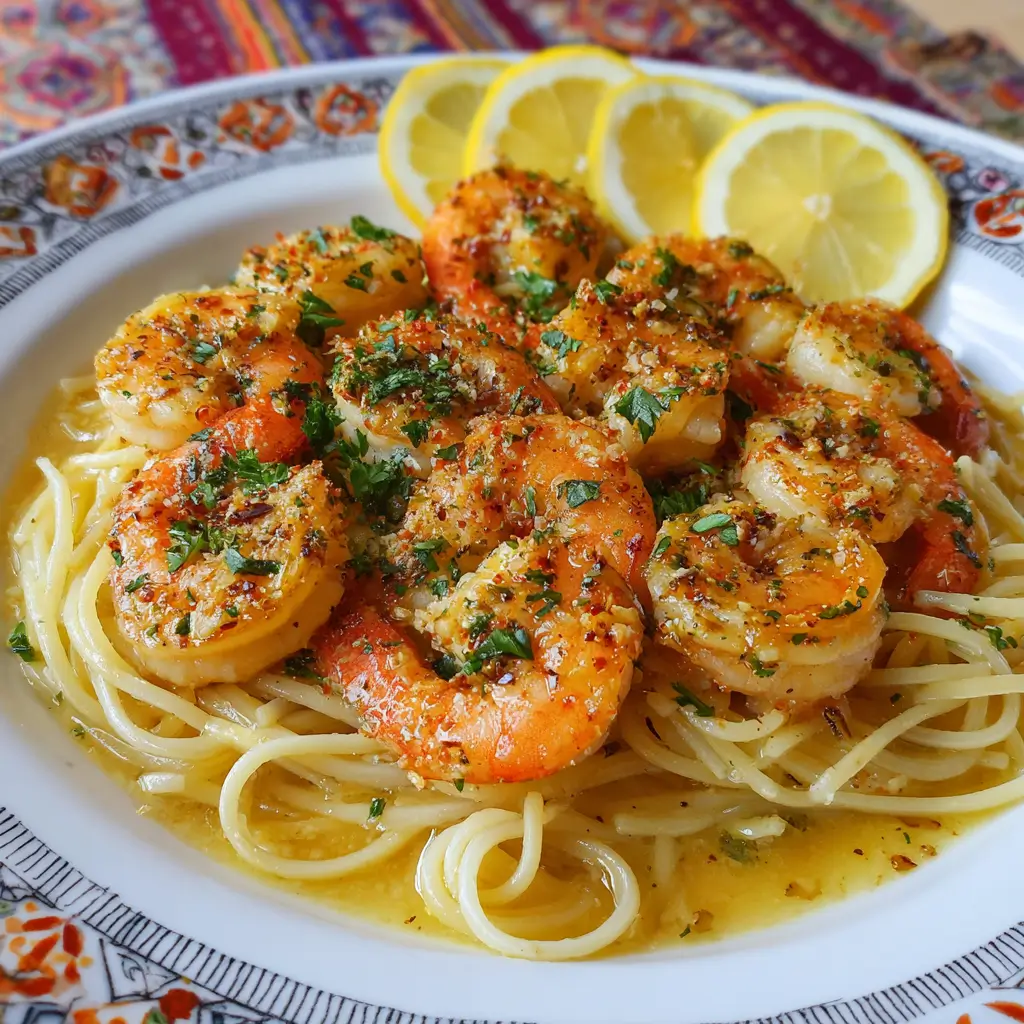
Lemon & Garlic Shrimp Scampi: A Zesty, Garlicky Seafood Delight
The allure of Lemon & Garlic Shrimp Scampi lies in its perfect balance of bright citrus, pungent garlic, and succulent shrimp—all brought together with a rich, buttery finish. This classic dish has stood the test of time, captivating palates across continents with its simplicity and bold flavors. Whether served over a bed of al dente pasta, atop crusty bread, or alongside a crisp green salad, Shrimp Scampi remains a favorite for weeknight dinners and special occasions alike. In this comprehensive guide, we’ll dive deep into every aspect of this beloved recipe—from its intriguing origins to detailed preparation steps, nutritional insights, variations, and expert tips that will help you master it flawlessly.
The History of Shrimp Scampi
Despite its Italian-sounding name, Shrimp Scampi as we know it today is largely an American-Italian creation. The term “scampi” actually refers to a type of shellfish—specifically, langoustines—which are small lobster-like crustaceans found in the Mediterranean. In Italy, scampi are traditionally prepared alla busara, meaning sautéed with garlic, olive oil, white wine, and tomatoes, often served with polenta.
However, true scampi were not readily available in the United States, leading Italian immigrants to substitute them with local shellfish—most notably, large shrimp. Over time, the dish evolved into what Americans now recognize as “Shrimp Scampi”: plump shrimp sautéed in a luxurious sauce of butter, garlic, lemon juice, white wine, and parsley. By the mid-20th century, Shrimp Scampi had become a staple on Italian-American restaurant menus, praised for its elegant taste and quick preparation. Today, it’s celebrated globally as a symbol of coastal cuisine, blending the freshness of the sea with the warmth of Mediterranean herbs and seasonings.
Ingredients Breakdown: What Makes It Shine?
The magic of Lemon & Garlic Shrimp Scampi lies in the harmony of a few high-quality ingredients. Each component plays a crucial role in building layers of flavor:
- Shrimp: Large, peeled and deveined shrimp (with tails on or off) are ideal. Freshness is key—look for firm, translucent shrimp with a mild ocean scent. Frozen wild-caught shrimp, properly thawed, work excellently too.
- Garlic: Freshly minced garlic delivers the signature pungency and aroma. Don’t skimp—this dish celebrates garlic!
- Lemons: Both zest and juice contribute brightness. The zest adds floral citrus notes, while the juice provides acidity that cuts through the richness.
- Butter: Unsalted butter forms the base of the sauce, lending a velvety texture and rich mouthfeel. For a lighter version, part butter can be replaced with olive oil.
- Olive Oil: Extra-virgin olive oil helps prevent the butter from burning and adds a fruity undertone.
- Dry White Wine: A crisp, acidic wine like Pinot Grigio, Sauvignon Blanc, or unoaked Chardonnay enhances depth and balances sweetness. Avoid cooking wines—they contain added salt and preservatives.
- Red Pepper Flakes: Just a pinch adds subtle heat without overwhelming the dish.
- Fresh Parsley: Flat-leaf (Italian) parsley adds color and a fresh, slightly peppery finish. Always add at the end to preserve its vibrancy.
- Salt & Black Pepper: Essential for seasoning. Adjust to taste, especially after reducing the sauce.
- Pasta (optional): Linguine or fettuccine are traditional pairings. Whole wheat or gluten-free alternatives work well for dietary needs.
Step-by-Step Recipe: How to Make Perfect Lemon & Garlic Shrimp Scampi
Follow these detailed instructions to create a restaurant-quality Shrimp Scampi in under 30 minutes:
- Prepare Ingredients: Pat the shrimp dry with paper towels to ensure proper searing. Mince 4–5 cloves of garlic, zest one lemon, and juice two lemons (about 1/3 cup). Chop 1/4 cup of fresh parsley. If using pasta, bring a large pot of salted water to a boil and cook linguine according to package directions until al dente. Reserve 1/2 cup of pasta water before draining.
- Heat the Pan: Place a large skillet or sauté pan over medium heat. Add 2 tablespoons of olive oil and 2 tablespoons of unsalted butter. Allow the butter to melt and combine with the oil—this prevents burning.
- Sauté the Garlic: Add the minced garlic and red pepper flakes. Cook for about 30–60 seconds, stirring constantly, until fragrant but not browned. Burnt garlic turns bitter, so keep the heat moderate.
- Add the Shrimp: Increase heat to medium-high. Add the shrimp in a single layer and season lightly with salt and black pepper. Sear for 1–2 minutes per side, until the shrimp turn pink and opaque. Do not overcook—shrimp should be just curled into a ‘C’ shape. Remove shrimp and set aside.
- Build the Sauce: Pour 1/2 cup of dry white wine into the hot pan. Use a wooden spoon to scrape up any browned bits (fond), which adds immense flavor. Let the wine simmer for 2–3 minutes to reduce by half.
- Incorporate Lemon and Butter: Reduce heat to low. Stir in 3 more tablespoons of cold unsalted butter, one piece at a time, swirling the pan to emulsify the sauce. Add lemon juice and zest. Taste and adjust seasoning.
- Finish the Dish: Return the shrimp to the pan and toss to coat in the sauce. Simmer gently for 1 minute to reheat. Stir in chopped parsley.
- Serve: If serving with pasta, toss the cooked linguine directly into the skillet with a splash of reserved pasta water to help the sauce cling. Alternatively, plate the pasta first and top generously with shrimp and sauce. Garnish with extra parsley, lemon slices, and a sprinkle of red pepper flakes or grated Parmesan cheese if desired.
Pro Tips for the Best Shrimp Scampi
- Don’t Overcook the Shrimp: Shrimp cook quickly. Once they turn pink and curl, they’re done. Overcooking makes them rubbery.
- Use Cold Butter: Adding cold butter at the end creates a silky, emulsified sauce. Cut it into cubes for easier incorporation.
- Reserve Pasta Water: The starchy water helps bind the sauce to the pasta, creating a cohesive, glossy finish.
- Brown the Fond: Those caramelized bits left in the pan after searing shrimp are flavor gold. Deglaze thoroughly with wine.
- Balance Acidity: Taste before serving. If the lemon is too sharp, a tiny pinch of sugar or a bit more butter can mellow it.
- Fresh Herbs Only: Dried parsley lacks the vibrancy needed. Always use fresh herbs for garnish and flavor.
- Prep Ahead: Mince garlic, zest and juice lemons, and chop parsley in advance. Since the dish cooks fast, having everything ready is essential (mise en place).
Variations and Customizations
Lemon & Garlic Shrimp Scampi is wonderfully adaptable. Here are some popular twists:
- Creamy Scampi: Add 1/4 cup heavy cream or crème fraîche at the end for a richer, silkier sauce.
- Tomato Scampi: Stir in 1 cup of halved cherry tomatoes during the last minute of cooking for a pop of sweetness and color.
- Spicy Scampi: Double the red pepper flakes or add a dash of hot sauce like Calabrian chili paste or sriracha.
- Herb Variations: Substitute parsley with fresh basil, tarragon, or dill for a different aromatic profile.
- Gluten-Free Option: Serve over zucchini noodles (zoodles), spaghetti squash, or cauliflower rice.
- Dairy-Free Scampi: Replace butter with vegan butter or all olive oil. The flavor will be lighter but still delicious.
- Seafood Medley: Mix shrimp with scallops, mussels, or clams for a surf-and-turf style scampi.
- Wine-Free Version: Substitute white wine with low-sodium chicken or vegetable broth mixed with 1 tablespoon white wine vinegar.
Health Considerations and Nutritional Value
Lemon & Garlic Shrimp Scampi can be both indulgent and nutritious when prepared thoughtfully:
- Shrimp: Low in calories and high in protein, shrimp provide selenium, vitamin B12, phosphorus, and omega-3 fatty acids. They are also relatively low in mercury compared to other seafood.
- Garlic & Lemon: Both have antioxidant and anti-inflammatory properties. Garlic may support heart health, while lemon boosts vitamin C intake.
- Butter & Olive Oil: While high in fat, these healthy fats aid nutrient absorption. Using a mix of olive oil and butter reduces saturated fat content.
- Calorie Control: A typical serving (without pasta) contains around 250–300 calories. Adding a cup of cooked pasta increases this by 200–250 calories.
- Sodium Awareness: The dish can be high in sodium due to butter and added salt. Use low-sodium butter or limit added salt, especially for those monitoring blood pressure.
- Heart-Healthy Modifications: Opt for whole grain pasta, increase vegetables (add spinach or asparagus), and use mostly olive oil instead of butter.
This dish is naturally gluten-free if served without pasta and is suitable for low-carb or keto diets when paired with vegetable noodles. However, individuals with shellfish allergies should avoid it entirely.
Ingredients
- 1 1/2 pounds (680g) large shrimp, peeled and deveined (tails on or off)
- 4–5 cloves garlic, minced
- 1 lemon (zested and juiced, plus extra slices for garnish)
- 4 tablespoons unsalted butter, divided
- 2 tablespoons extra-virgin olive oil
- 1/2 cup dry white wine (e.g., Pinot Grigio)
- 1/4 teaspoon red pepper flakes (adjust to taste)
- 1/4 cup fresh flat-leaf parsley, finely chopped
- Salt and freshly ground black pepper, to taste
- 8 oz (225g) linguine or pasta of choice (optional)
- Grated Parmesan cheese, for serving (optional)
Directions
- Bring a large pot of salted water to a boil. Cook pasta according to package instructions until al dente. Reserve 1/2 cup of pasta water, then drain and set aside.
- In a large skillet over medium heat, warm olive oil and 2 tablespoons of butter. Add minced garlic and red pepper flakes; sauté for 30–60 seconds until fragrant.
- Increase heat to medium-high. Add shrimp in a single layer, season with salt and pepper, and cook 1–2 minutes per side until pink and just cooked through. Transfer shrimp to a plate and set aside.
- Pour white wine into the skillet, scraping up any browned bits. Simmer 2–3 minutes until reduced by half.
- Reduce heat to low. Whisk in remaining 2 tablespoons of cold butter, one piece at a time, until sauce is smooth and glossy.
- Stir in lemon juice, lemon zest, and half of the chopped parsley. Taste and adjust seasoning.
- Return shrimp to the skillet and warm through for 1 minute. Stir in remaining parsley.
- If using pasta, add it to the skillet along with a splash of reserved pasta water. Toss to coat evenly. Alternatively, divide pasta among plates and top with shrimp and sauce.
- Garnish with extra parsley, lemon slices, and optional Parmesan. Serve immediately.
Frequently Asked Questions (FAQ)
Can I make Shrimp Scampi without wine?
Yes! Substitute with low-sodium chicken or vegetable broth mixed with 1 tablespoon white wine vinegar or lemon juice for acidity.
How do I prevent the sauce from breaking?
Keep the heat low when adding butter and whisk or swirl continuously. Cold butter added gradually helps form a stable emulsion.
Can I use frozen shrimp?
Absolutely. Thaw frozen shrimp in the refrigerator overnight or under cold running water. Pat dry before cooking.
How long does leftover Shrimp Scampi last?
Store in an airtight container in the refrigerator for up to 2 days. Reheat gently on the stove to avoid overcooking shrimp.
Can I double the recipe?
Yes, but cook in batches to avoid overcrowding the pan, which leads to steaming instead of searing.
Is Shrimp Scampi healthy?
It can be! Shrimp are lean and packed with nutrients. To lighten the dish, reduce butter, use olive oil, skip pasta, or add vegetables.
What sides go well with Shrimp Scampi?
Try a simple arugula salad, garlic bread, roasted asparagus, grilled vegetables, or a crisp white wine.
Summary
Lemon & Garlic Shrimp Scampi is a vibrant, flavorful dish that combines tender shrimp with a tangy, garlicky butter-wine sauce, finished with fresh herbs and citrus zest. Quick to prepare and endlessly customizable, it’s a timeless recipe that brings the taste of the seaside straight to your kitchen table.