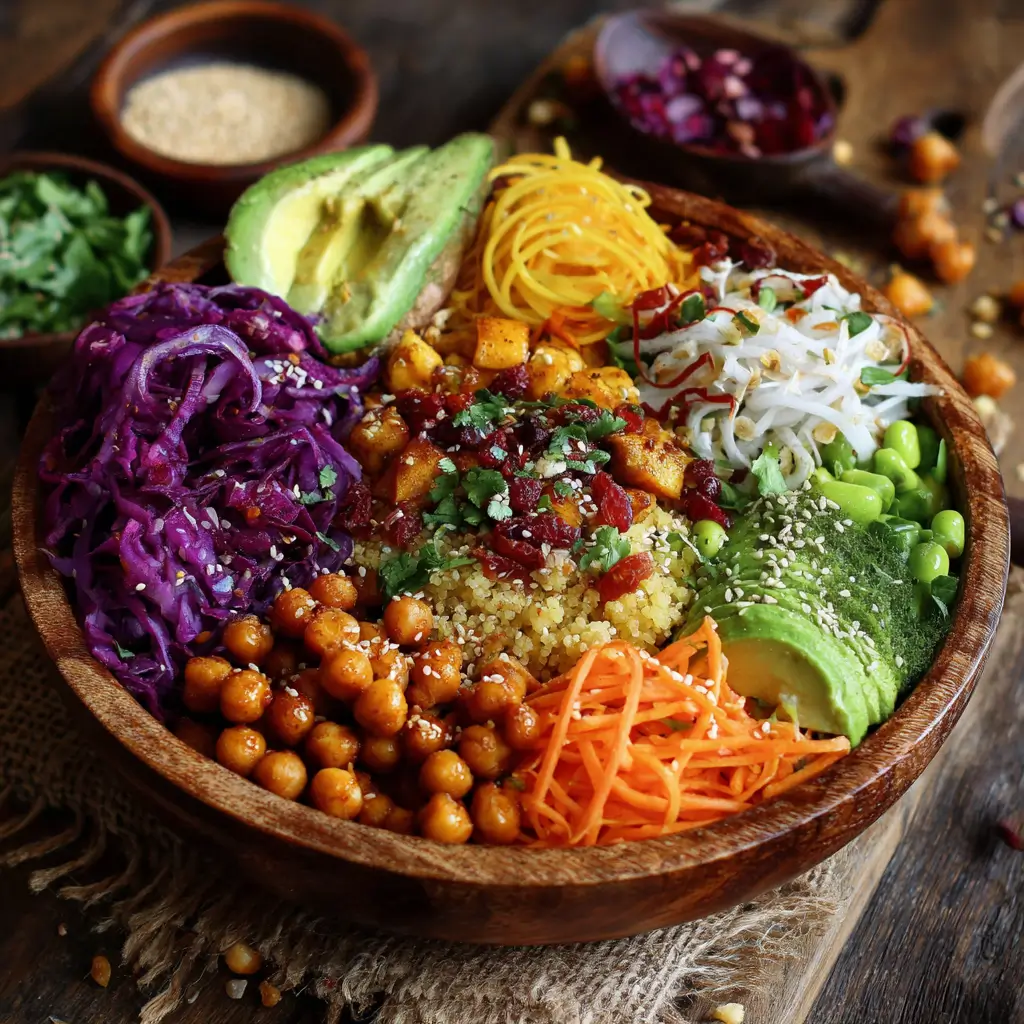
Vegan Buddha Bowl: A Nutritious, Wholesome Plant-Based Feast
The Vegan Buddha Bowl has become a beloved staple in the world of plant-based eating, celebrated not only for its vibrant colors and satisfying textures but also for its incredible versatility and nutritional balance. Whether you’re a long-time vegan, transitioning to a plant-powered lifestyle, or simply looking for a wholesome meal option, the Buddha bowl offers a complete, nourishing experience that delights both the palate and the body.
The History of the Buddha Bowl
The term “Buddha Bowl” emerged from the broader trend of grain bowls and macrobiotic diets, which emphasize whole, natural foods in harmony with Eastern philosophies. While there is no definitive origin story, the name likely derives from the plump, rounded shape of the bowl resembling the belly of Buddha, symbolizing abundance, peace, and nourishment. Originally rooted in Asian-inspired cuisine, modern Buddha bowls have evolved into global fusion dishes, incorporating flavors and ingredients from around the world. They embody the essence of mindful eating—simple, balanced, and deeply satisfying. Over the past decade, especially with the rise of health-conscious and sustainable living movements, the Vegan Buddha Bowl has gained widespread popularity in cafes, homes, and meal prep routines across North America, Europe, and beyond.
Ingredients Breakdown: Building Your Perfect Bowl
A well-crafted Vegan Buddha Bowl is more than just a random assortment of vegetables—it’s a thoughtfully composed plate designed to offer a balance of macronutrients (carbohydrates, proteins, fats) and micronutrients (vitamins and minerals). The key components typically include:
- Base Grains: Brown rice, quinoa, farro, millet, or cauliflower rice provide complex carbohydrates for sustained energy.
- Protein Sources: Chickpeas, black beans, lentils, edamame, tofu, tempeh, or seitan ensure satiety and muscle support.
- Roasted Vegetables: Sweet potatoes, beets, Brussels sprouts, carrots, broccoli, or zucchini add fiber, antioxidants, and deep flavor.
- Raw Vegetables: Cucumber, shredded cabbage, bell peppers, cherry tomatoes, radishes, or microgreens contribute crunch and freshness.
- Healthy Fats: Avocado slices, olives, pumpkin seeds, sunflower seeds, or a drizzle of tahini or olive oil enhance nutrient absorption and mouthfeel.
- Flavor Boosters: Fresh herbs (cilantro, parsley, mint), lemon juice, pickled vegetables, kimchi (vegan), or nutritional yeast elevate taste and complexity.
- Sauce or Dressing: Creamy tahini dressing, peanut sauce, miso-ginger vinaigrette, or lemon-turmeric tahini tie everything together with rich flavor.
The beauty of the Vegan Buddha Bowl lies in its adaptability—you can rotate ingredients seasonally, use leftovers creatively, and tailor it to your dietary needs and flavor preferences.
Step-by-Step Recipe: How to Make a Flavorful Vegan Buddha Bowl
Follow this detailed guide to create a restaurant-quality Vegan Buddha Bowl at home. This recipe serves two generously or can be prepped as four meal-prep portions.
Ingredients
- 1 cup uncooked quinoa (or brown rice)
- 2 cups water or vegetable broth
- 1 medium sweet potato, peeled and cubed
- 1 cup chickpeas, drained and rinsed (or ½ cup dried, cooked)
- 1 tablespoon olive oil or avocado oil
- ½ teaspoon smoked paprika
- ½ teaspoon garlic powder
- ¼ teaspoon cumin
- Salt and pepper to taste
- 1 cup shredded purple cabbage
- 1 cup steamed broccoli florets
- 1 medium avocado, sliced
- ½ cup cherry tomatoes, halved
- ¼ cup red onion, thinly sliced
- 2 tablespoons pumpkin seeds (pepitas)
- 2 tablespoons sunflower seeds
- Fresh cilantro or parsley, chopped
Dressing – Creamy Lemon-Tahini Sauce
- ¼ cup tahini
- 2 tablespoons fresh lemon juice
- 1 tablespoon maple syrup or agave
- 1 small garlic clove, minced
- 2–4 tablespoons water (to thin)
- Salt to taste
Directions
- Cook the Grain Base: Rinse quinoa under cold water. In a saucepan, combine quinoa and water (or broth). Bring to a boil, then reduce heat to low, cover, and simmer for 15 minutes or until liquid is absorbed and quinoa is fluffy. Remove from heat and let sit covered for 5 minutes. Fluff with a fork.
- Roast the Vegetables: Preheat oven to 400°F (200°C). On a baking sheet, toss sweet potato cubes with ½ tablespoon oil, smoked paprika, garlic powder, cumin, salt, and pepper. Spread evenly and roast for 25–30 minutes, flipping halfway, until tender and golden.
- Prepare the Chickpeas: Pat chickpeas dry. Toss with remaining ½ tablespoon oil and spices. Roast on a separate tray (or same pan if space allows) for 20–25 minutes until slightly crispy. Alternatively, sauté in a pan with spices for 8–10 minutes.
- Steam the Broccoli: Place broccoli in a steamer basket over boiling water for 5–6 minutes until bright green and tender-crisp. Set aside.
- Make the Tahini Dressing: In a small bowl, whisk tahini, lemon juice, maple syrup, and minced garlic. Add water one tablespoon at a time until desired consistency is reached (creamy but pourable). Season with salt.
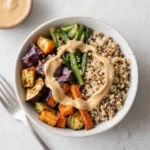
- Assemble the Bowls: Divide quinoa between two large bowls. Arrange roasted sweet potatoes, spiced chickpeas, steamed broccoli, shredded cabbage, cherry tomatoes, red onion, and avocado slices in sections over the grains. Sprinkle with pumpkin and sunflower seeds. Drizzle generously with tahini dressing and garnish with fresh herbs.
- Serve Immediately: Enjoy warm, or chill components separately for a cold version. Stir gently before eating to blend flavors.
Tips for the Perfect Vegan Buddha Bowl
- Meal Prep Friendly: Cook grains, roast veggies, and prepare dressings ahead of time. Store components separately in airtight containers for up to 4 days.
- Balanced Nutrition: Aim for 40% grains, 30% vegetables, 20% protein, and 10% healthy fats per bowl for optimal balance.
- Add Texture Contrast: Combine creamy (avocado, tahini), crunchy (seeds, raw veggies), and chewy (grains, roasted legumes) elements for a dynamic bite.
- Boost Umami: Use tamari, miso paste, nutritional yeast, or sautéed mushrooms to deepen savory flavor without animal products.
- Color Matters: Include a rainbow of produce—red (tomatoes), orange (sweet potato), green (kale), purple (cabbage)—to maximize phytonutrient diversity.
- Warm vs. Cold: Serve warm for comfort meals or chilled for refreshing summer lunches.
- Portion Control: Use wide, shallow bowls to visually fill the plate, promoting satisfaction even with moderate portions.
Variations and Customizations
The Vegan Buddha Bowl is infinitely customizable. Here are some delicious variations to inspire your creativity:
- Mediterranean Style: Use couscous or bulgur as the base; top with hummus, kalamata olives, cucumber, tomato, red onion, spinach, artichoke hearts, and a lemon-oregano vinaigrette.
- Asian-Inspired: Swap quinoa for brown rice or sushi rice. Add stir-fried bok choy, edamame, shredded carrots, pickled ginger, nori strips, and marinated tofu. Drizzle with a sesame-soy-ginger sauce.
- Mexican Fiesta: Base of cilantro-lime rice or quinoa. Layer black beans, corn, pico de gallo, guacamole, shredded lettuce, and jalapeños. Top with cashew crema or avocado-cilantro dressing.
- Winter Harvest: Use roasted squash, parsnips, kale massaged with lemon, wild rice, cranberries, walnuts, and a maple-mustard dressing.
- Protein-Powered: Double the legumes, add baked tempeh, hemp seeds, or vegan protein crumbles for post-workout recovery.
- Low-Carb/Keto-Friendly: Replace grains with riced cauliflower, extra greens, and increase healthy fats like avocado and olive oil.
- Gluten-Free: Ensure all ingredients (especially sauces and soy products) are certified gluten-free. Use tamari instead of soy sauce.
You can also theme your bowls by season—spring pea shoots and asparagus, summer berries and zucchini, fall apples and Brussels sprouts, winter citrus and root vegetables.
Health Considerations and Nutritional Value
The Vegan Buddha Bowl is naturally packed with nutrients essential for overall wellness. When properly balanced, it supports heart health, digestion, immune function, and weight management.
- Fiber-Rich: Whole grains, legumes, and vegetables promote gut health and stable blood sugar levels.
- Plant-Based Protein: Chickpeas, lentils, tofu, and seeds provide essential amino acids without saturated fat.
- Healthy Fats: Avocado and seeds supply monounsaturated and omega-3 fats crucial for brain and hormone health.
- Vitamins & Minerals: Sweet potatoes (vitamin A), leafy greens (vitamin K, iron), citrus (vitamin C), and seeds (zinc, magnesium) cover a broad spectrum.
- Antioxidants: Colorful vegetables contain polyphenols and carotenoids that combat oxidative stress and inflammation.
- Low in Saturated Fat: Naturally free from cholesterol and animal fats, supporting cardiovascular health.
- Hydration Support: High-water-content veggies like cucumber and tomatoes help maintain fluid balance.
Nutritional Estimate (per serving, average bowl):
| Calories | 550–650 |
| Protein | 18–22g |
| Carbohydrates | 70–80g (with 12–15g fiber) |
| Fat | 20–25g (mostly unsaturated) |
| Sodium | Varies (reduce with low-sodium ingredients) |
For those with specific health goals—such as managing diabetes, lowering cholesterol, or increasing iron intake—the Buddha bowl can be adjusted accordingly. For example, pair vitamin C-rich foods (like lemon or bell peppers) with iron-rich greens (spinach, kale) to enhance non-heme iron absorption.
Frequently Asked Questions (FAQ)
Q: Can I make a Vegan Buddha Bowl without grains?
A: Absolutely! Substitute grains with cauliflower rice, spiralized zucchini, baby spinach, or a mix of leafy greens for a low-carb or grain-free option.
Q: How do I store leftover Buddha bowls?
A: Store components separately in sealed containers in the refrigerator for up to 4 days. Assemble when ready to eat to prevent sogginess, especially with dressing.
Q: Are Buddha bowls good for weight loss?
A: Yes, when portion-controlled and rich in fiber and protein, they promote fullness and reduce cravings. Avoid excessive oils, sugary dressings, or oversized portions.
Q: Can I freeze a Vegan Buddha Bowl?
A: It’s best not to freeze assembled bowls. However, grains, roasted vegetables, and beans can be frozen separately for up to 3 months. Thaw and reheat before assembling.
Q: Is a Buddha bowl the same as a grain bowl?
A: All Buddha bowls are grain bowls, but not all grain bowls are Buddha bowls. The term “Buddha bowl” often implies a holistic, balanced, and plant-centric composition, sometimes with spiritual or mindful eating connotations.
Q: How can I make my bowl more filling?
A: Increase protein (add lentils, tofu, tempeh), include healthy fats (avocado, nuts), and choose high-fiber grains like farro or barley.
Q: Can I use canned beans?
A: Yes! Canned beans are convenient and nutritious. Just rinse them thoroughly to remove excess sodium and improve digestibility.
Q: Are Vegan Buddha Bowls suitable for kids?
A: Definitely! Customize with milder flavors, fun shapes (use cookie cutters for sweet potatoes), and involve children in assembly for interactive, healthy eating.
Summary
The Vegan Buddha Bowl is a celebration of whole, plant-based foods brought together in a harmonious, nourishing meal that supports both physical health and culinary joy. Packed with color, texture, and flavor, it’s a flexible, sustainable way to eat well every day.