Honey Balsamic Glazed Chicken: A Perfect Balance of Sweet and Tangy
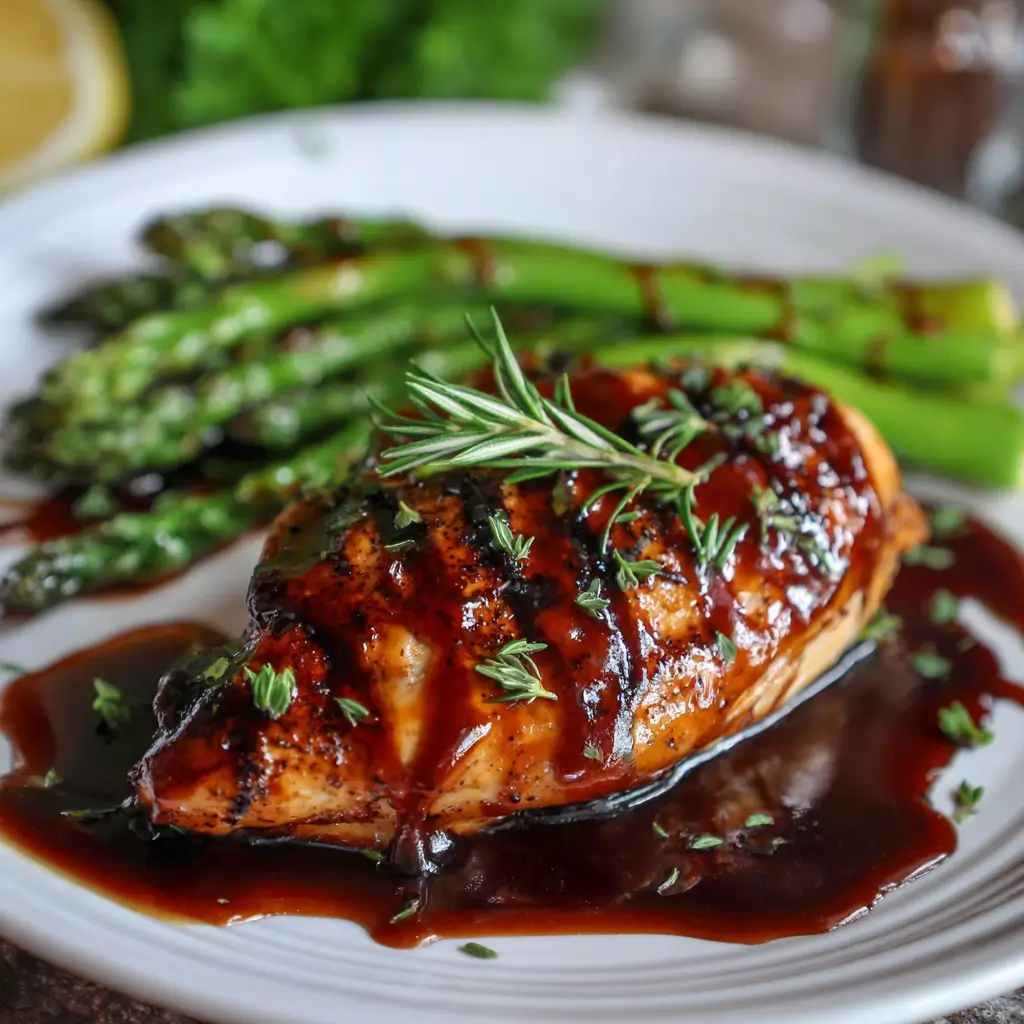
There’s something undeniably satisfying about the rich, glossy sheen of a perfectly glazed piece of chicken. Among the most beloved glazes in modern home cooking is the honey balsamic combination—a harmonious blend of sweet, tangy, and savory that transforms simple chicken breasts into a gourmet centerpiece. Whether you’re preparing a weeknight dinner or hosting a weekend gathering, Honey Balsamic Glazed Chicken delivers bold flavor with minimal effort. This dish has earned its place on dinner tables across America and beyond, thanks to its versatility, ease of preparation, and crowd-pleasing taste.
The History Behind the Flavor
The roots of this recipe lie at the intersection of culinary traditions from Italy and Northern Europe. Balsamic vinegar, originating from Modena, Italy, has been crafted since the Middle Ages and prized for its deep complexity and natural sweetness after aging in wooden barrels. Meanwhile, honey has been used as a natural sweetener for thousands of years, valued across ancient Egyptian, Greek, and Roman civilizations. The fusion of these two ingredients—balsamic vinegar and honey—emerged more recently in American cuisine during the late 20th century, coinciding with the rise of “gourmet” home cooking and an increased interest in balancing flavors.
Chefs and home cooks alike began experimenting with reductions and glazes using readily available pantry staples, and the honey-balsamic combo quickly gained popularity for its ability to caramelize beautifully while enhancing proteins like chicken, salmon, and pork. Over time, it evolved into a signature glaze featured in restaurants and food magazines, eventually becoming a staple in family kitchens due to its simplicity and universal appeal.
Ingredients Breakdown: Why Each One Matters
- Chicken breasts (boneless, skin-on or skinless): The star of the dish. Boneless, skin-on breasts are ideal because the skin crisps up during cooking, locking in moisture. Skinless works too but benefits from extra care to avoid dryness.
- Balsamic vinegar: Adds acidity and depth. High-quality aged balsamic brings out a syrupy richness; avoid cheap versions with added sugars and thickeners.
- Honey: Provides natural sweetness and helps create a sticky, caramelized glaze. Opt for raw or local honey for deeper floral notes.
- Olive oil: Used for searing the chicken and emulsifying the glaze. Extra virgin olive oil adds a fruity note that complements the other ingredients.
- Garlic (freshly minced): Enhances savory umami flavor and blends beautifully with the acidic-sweet base.
- Dijon mustard: An unexpected but essential addition—it stabilizes the emulsion, adds tang, and deepens the overall flavor profile.
- Fresh rosemary or thyme: Herbs lend earthiness and aromatic complexity. Rosemary pairs especially well with balsamic.
- Salt and black pepper: Crucial for seasoning each layer of flavor.
- Optional: Red pepper flakes: For a subtle kick that contrasts the sweetness.
Step-by-Step Recipe
- Prep the Chicken: Start by patting 4 boneless, skin-on chicken breasts dry with paper towels. Dry meat ensures better browning. Season generously with salt and freshly ground black pepper on both sides. If desired, lightly pound thicker parts to ensure even cooking.
- Make the Glaze: In a small saucepan, combine 1/2 cup balsamic vinegar, 1/3 cup honey, 2 tablespoons Dijon mustard, 3 minced garlic cloves, 1 tablespoon olive oil, 1 teaspoon fresh rosemary (or 1/2 tsp dried), and a pinch of red pepper flakes (optional). Bring to a gentle simmer over medium heat, stirring frequently. Reduce heat and let it cook for 8–10 minutes until the mixture thickens enough to coat the back of a spoon. Remove from heat and set aside. This reduction will be your finishing glaze.
- Sear the Chicken: Heat 1–2 tablespoons of olive oil in a large oven-safe skillet (cast iron works best) over medium-high heat. Once hot, add the chicken breasts, skin-side down. Sear without moving for 5–6 minutes until golden brown and crispy. Flip and sear the other side for 3 minutes. Drain excess fat if needed.
- Glaze and Roast: Preheat your oven to 375°F (190°C). Brush the top of each chicken breast generously with the warm balsamic-honey glaze. Transfer the skillet to the preheated oven and roast for 18–22 minutes, or until the internal temperature reaches 165°F (74°C) at the thickest part.
- Final Glaze and Rest: Remove the chicken from the oven and brush once more with additional glaze. Let rest for 5–7 minutes before serving to allow juices to redistribute. Spoon any remaining glaze over the top just before plating.
Pro Tips for the Best Results
- Don’t skip the sear: Browning the chicken creates a flavorful crust through the Maillard reaction, which enhances the overall taste.
- Use a meat thermometer: Prevents overcooking, which can lead to dry chicken. Pull the chicken out when it hits 160°F—it will carry over to 165°F while resting.
- Reduce the glaze properly: It should be thick and syrupy, not watery. If too thin, simmer longer; if too thick, add a splash of water or broth.
- Skillet choice matters: An oven-safe pan eliminates the need to transfer dishes, preserving fond and simplifying cleanup.
- Double the glaze: Make extra and save half in a jar for future use—great on grilled vegetables, salmon, or as a salad dressing base.
- Resting is non-negotiable: Cutting too soon causes juice loss, leading to drier meat.
Variations and Customizations
This recipe is highly adaptable to different tastes and dietary needs:
- For a smoky twist: Add 1/2 teaspoon smoked paprika to the glaze or use smoked sea salt.
- Low-sugar option: Replace honey with sugar-free maple syrup or monk fruit-based honey alternative, though the caramelization may vary.
- Grilled version: Instead of roasting, grill the chicken over medium heat, basting frequently with the glaze during the last few minutes to prevent burning.
- Slow cooker method: Brown chicken first, then place in a slow cooker with half the glaze. Cook on low for 4–5 hours, then finish under the broiler with a fresh glaze layer.
- Sheet pan dinner: Arrange chicken alongside baby potatoes, carrots, and Brussels sprouts. Drizzle everything with olive oil and season. Roast together, glazing the chicken halfway and again at the end.
- Asian-inspired fusion: Add 1 tablespoon soy sauce or tamari and 1 teaspoon grated ginger to the glaze for an umami boost.
- Herb swaps: Try fresh thyme, oregano, or even basil depending on the season and pairing.
Health Considerations and Nutritional Value
Honey Balsamic Glazed Chicken offers a balanced nutritional profile when prepared mindfully:
- Protein-rich: Chicken breast is a lean source of high-quality protein, essential for muscle repair and satiety.
- Heart-healthy fats: Olive oil provides monounsaturated fats linked to improved cholesterol levels.
- Natural sweeteners: While honey contains antioxidants and anti-inflammatory properties, it’s still a form of sugar. Use in moderation, especially for those managing blood sugar.
- Low-carb friendly: With only ~15g of carbs per serving (mainly from honey and balsamic), it fits well within many balanced diets.
- Sodium control: You can reduce added salt and choose low-sodium Dijon to manage sodium intake.
A typical serving (one chicken breast with 2 tbsp glaze) contains approximately:
- Calories: 320–360
- Protein: 35g
- Fat: 12g (mostly healthy fats)
- Carbohydrates: 20–25g
- Sugar: 18g (natural from honey and balsamic)
- Fiber: 0g (unless served with veggies)
To make it healthier, serve with steamed greens, quinoa, or a mixed salad. Avoid over-glazing to keep sugar content in check.
Full Ingredient List
- 4 boneless, skin-on chicken breasts (about 6 oz each)
- 1/2 cup balsamic vinegar (preferably aged)
- 1/3 cup raw honey
- 2 tablespoons Dijon mustard (unsweetened)
- 3 cloves garlic, finely minced
- 1 tablespoon extra virgin olive oil (plus more for searing)
- 1 teaspoon fresh rosemary, chopped (or 1/2 tsp dried)
- Freshly ground black pepper, to taste
- Kosher salt, to taste
- Pinch of red pepper flakes (optional)
Detailed Directions
- Prepare the chicken: Pat chicken dry and season both sides with salt and pepper. Set aside.
- Create the glaze: In a small saucepan, whisk together balsamic vinegar, honey, Dijon mustard, olive oil, garlic, rosemary, and red pepper flakes. Simmer over medium heat for 8–10 minutes, stirring occasionally, until reduced by nearly half and thickened into a syrup. Remove from heat and cool slightly. Reserve 1/4 cup for final brushing.
- Preheat oven: Set to 375°F (190°C). Ensure your skillet is oven-safe.
- Sear the chicken: Heat 1–2 tbsp olive oil in a large skillet over medium-high heat. Place chicken skin-side down and cook undisturbed for 5–6 minutes until deeply golden. Flip and cook for another 3 minutes. Remove any excess fat.
- Glaze and bake: Brush the top of each breast with glaze. Transfer the skillet to the oven and bake for 18–22 minutes, or until internal temperature reaches 165°F.
- Final touch: Remove from oven, brush with reserved glaze, and let rest for 5–7 minutes. Garnish with fresh herbs if desired.
- Serve: Plate with roasted vegetables, mashed potatoes, rice, or a crisp green salad.
Frequently Asked Questions (FAQ)
Can I use chicken thighs instead of breasts?
Yes! Boneless, skin-on chicken thighs work wonderfully and are more forgiving due to higher fat content. Adjust cooking time to 22–26 minutes in the oven.
Is there a substitute for balsamic vinegar?
Apple cider vinegar with a bit of brown sugar can mimic the tang and sweetness, but the depth will differ. Red wine vinegar plus a drizzle of molasses is another alternative.
Can I make this ahead of time?
Absolutely. Marinate the chicken in half the glaze (before cooking) for up to 24 hours. Or fully cook, store in the fridge for 3–4 days, and reheat gently with a fresh glaze layer.
Why did my glaze burn?
Honey and sugar-rich glazes caramelize quickly. Avoid high heat during the final roasting phase and monitor closely. If grilling, apply glaze only in the last 3–5 minutes.
Can I freeze the leftovers?
Yes. Freeze cooked chicken in an airtight container for up to 3 months. Thaw in the refrigerator and reheat in the oven at 325°F with a splash of broth to retain moisture.
Is this recipe gluten-free?
Yes, provided you use a certified gluten-free Dijon mustard (some brands contain additives).
How do I store extra glaze?
Store in a sealed glass jar in the refrigerator for up to 2 weeks. Reheat gently with a teaspoon of water to restore consistency.
Summary
Honey Balsamic Glazed Chicken combines the rich tang of aged balsamic vinegar with the natural sweetness of honey to create a luxurious, restaurant-quality dish in your own kitchen. Easy to prepare and endlessly customizable, it’s a go-to recipe for flavorful, healthy meals that impress every time.