Salmon & Avocado Sushi Bowls: A Fresh, Flavorful Twist on Japanese Cuisine
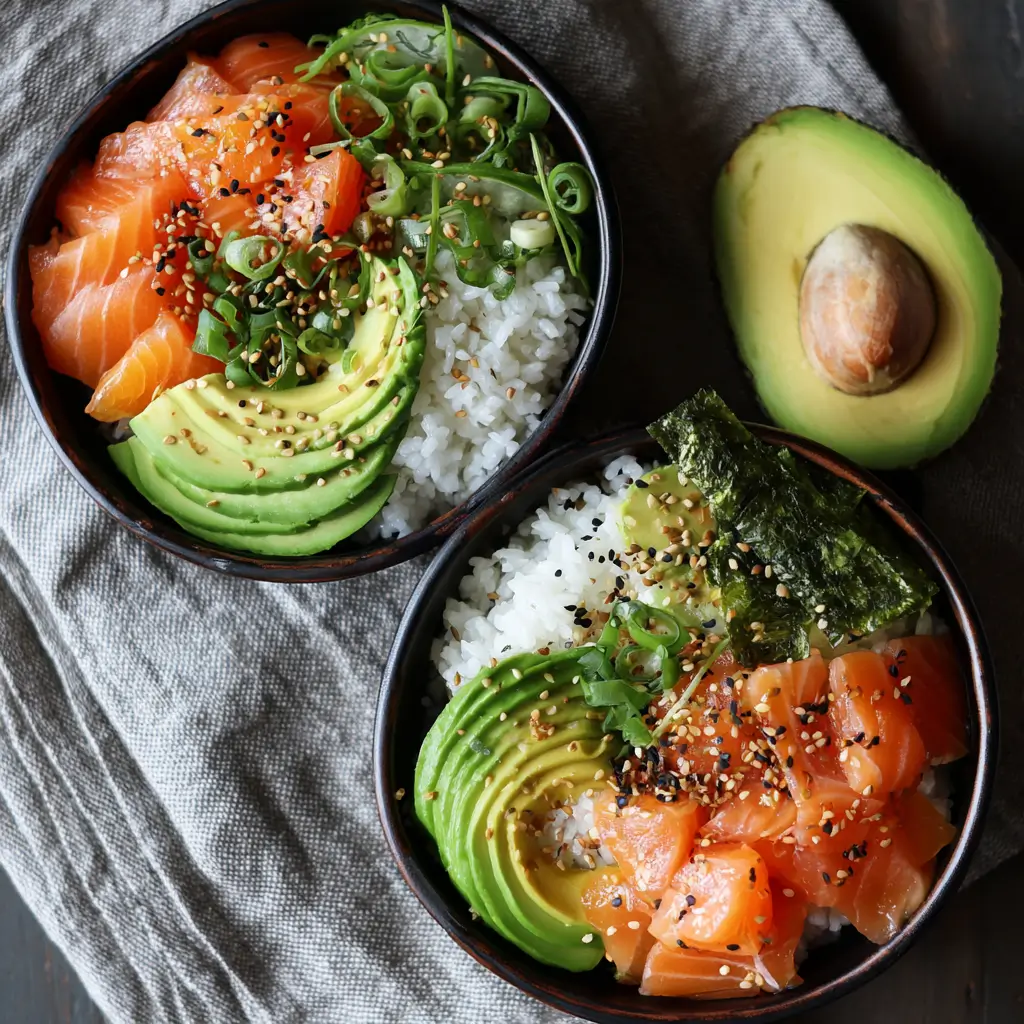
If you’re a fan of sushi but prefer something simpler than rolling maki or hand-rolling nigiri, the Salmon & Avocado Sushi Bowl is your perfect go-to meal. This deconstructed version of traditional sushi combines all the bold flavors and fresh textures of classic Japanese rolls in an easy-to-make, nourishing bowl format. Packed with omega-3s, healthy fats, and vibrant ingredients, this dish brings restaurant-quality taste to your kitchen—without the need for special tools or advanced techniques.
The History Behind the Sushi Bowl Revolution
Sushi has a rich history dating back centuries in Japan, where it began as a method of preserving fish by fermenting it with rice and salt. Over time, sushi evolved into the delicate, artful cuisine we know today—featuring raw fish, vinegared rice, seaweed, and precise knife work. However, in recent decades, especially with the global popularity of Japanese food, creative adaptations have emerged.
The sushi bowl, sometimes called “poke-inspired” or “deconstructed sushi,” gained traction in the 2010s, particularly in health-conscious communities across the U.S. and Western countries. Born from Hawaiian poke culture and influenced by Japanese traditions, these bowls make sushi more accessible by eliminating the need for rolling and offering customizable, nutrient-dense meals. The Salmon & Avocado Sushi Bowl is one of the most beloved variations—celebrating freshness, balance, and ease.
Ingredients Breakdown: What Makes This Bowl Shine
The magic of the Salmon & Avocado Sushi Bowl lies in its carefully selected components that mirror authentic sushi while enhancing nutrition and flavor. Each ingredient plays a key role:
- Fresh salmon: High in protein and heart-healthy omega-3 fatty acids, wild-caught salmon provides a buttery texture and rich taste. It can be served raw (if sushi-grade) or seared for a warm variation.
- Ripe avocado: Adds creaminess, fiber, and monounsaturated fats. Its mild flavor complements the salmon beautifully.
- Sushi rice: Short-grain Japanese rice seasoned with rice vinegar, sugar, and salt gives the bowl its signature tangy-sweet base.
- Vegetables: Cucumber, shredded carrots, and pickled ginger add crunch, color, and digestive benefits.
- Seaweed: Nori strips or furikake seasoning provide umami and essential minerals like iodine.
- Soy sauce or tamari: Offers savory depth; low-sodium versions help control salt intake.
- Sesame seeds and green onions: For nutty aroma and visual appeal.
- Wasabi and pickled ginger: Traditional condiments that cleanse the palate and add heat or tang.
Optional extras include edamame, microgreens, radish sprouts, or a drizzle of spicy mayo or eel sauce for extra indulgence.
Step-by-Step Recipe: Crafting Your Perfect Sushi Bowl
- Cook the Sushi Rice: Rinse 1 cup of short-grain sushi rice under cold water until the water runs clear. Combine with 1¼ cups water in a saucepan, bring to a boil, then reduce to a simmer. Cover and cook for 18–20 minutes. Remove from heat and let sit for 10 minutes. Transfer to a bowl and gently fold in 2 tablespoons rice vinegar, 1 tablespoon sugar, and ½ teaspoon salt. Allow to cool slightly.
- Prepare the Salmon: If using raw salmon, ensure it’s labeled “sushi-grade.” Slice into thin cubes (about ½ inch). Alternatively, pan-sear the salmon: Season with salt and pepper, heat oil in a skillet over medium-high, and cook for 2–3 minutes per side until lightly browned but still tender inside.
- Chop the Vegetables: Dice cucumber, shred carrots, thinly slice green onions, and cut avocado in half, remove pit, and scoop out flesh into slices or chunks.
- Assemble the Bowl: In a wide, shallow bowl, spoon ¾ to 1 cup of prepared sushi rice. Arrange cubed salmon, avocado, cucumber, carrots, and any additional toppings in sections over the rice for a visually appealing layout.
- Add Finishing Touches: Sprinkle with sesame seeds, nori strips, and furikake. Place a small mound of pickled ginger on the side and add a dab of wasabi if desired.
- Serve with Sauce: Drizzle with soy sauce, tamari, or a mix of soy sauce and a teaspoon of toasted sesame oil. For a creamy twist, use a store-bought or homemade spicy mayo (mayo + sriracha).
Tips for the Best Salmon & Avocado Sushi Bowl Experience
- Always use sushi-grade salmon if consuming raw. Look for bright color, firm texture, and a clean ocean scent. Purchase from trusted fishmongers or high-end grocery stores.
- Don’t skip the rice seasoning. The vinegar-sugar-salt mixture is what transforms plain rice into authentic sushi rice.
- Keep ingredients cold until serving to maintain freshness, especially the salmon.
- Use a sharp knife when slicing salmon to prevent tearing and ensure clean, even pieces.
- Balance textures and colors. Aim for a variety of crunchy, creamy, chewy, and soft elements to keep each bite interesting.
- Prep ahead: Cook rice and chop veggies in advance. Store separately in airtight containers in the fridge. Assemble just before eating to avoid sogginess.
- Warm option: Lightly sear the salmon or serve the rice warm for a comforting, hot version of the bowl.
Variations and Customizations: Make It Your Own
One of the greatest strengths of the sushi bowl is its versatility. Feel free to adapt it to your taste, dietary needs, or what’s in your pantry:
- Vegan/Vegetarian Version: Replace salmon with marinated tofu, tempeh, or hearts of palm. Add smoked mushrooms for a savory depth.
- Spicy Kick: Toss salmon cubes in spicy mayo or sriracha before placing them on the bowl.
- Protein Swap: Use cooked shrimp, tuna, crab salad, or even grilled chicken instead of salmon.
- Grain Alternatives: Substitute sushi rice with brown rice, quinoa, cauliflower rice (for low-carb), or forbidden black rice for added antioxidants.
- Extra Veggies: Include bell peppers, blanched asparagus, kimchi, daikon radish, or seaweed salad.
- Tropical Twist: Add mango or pineapple chunks for a sweet contrast to the savory elements.
- Keto-Friendly: Skip the rice entirely and build the bowl on a bed of mixed greens or chopped cabbage.
- Family-Friendly: Omit wasabi and use mild sauces to suit younger palates.
Health Considerations and Nutritional Value
The Salmon & Avocado Sushi Bowl isn’t just delicious—it’s also a powerhouse of nutrients when made thoughtfully. Here’s what you gain from a typical serving (approx. 1 bowl with 4 oz salmon, ½ avocado, ¾ cup rice, and veggies):
- Calories: ~550–650 kcal (depending on size and additions)
- Protein: 25–30g – supports muscle repair and satiety
- Omega-3 Fatty Acids: Abundant from salmon; supports brain, heart, and joint health
- Healthy Fats: Monounsaturated fats from avocado promote good cholesterol
- Fiber: From avocado, vegetables, and optional whole grains—great for digestion
- Vitamins & Minerals: Rich in B vitamins (especially B12 from salmon), vitamin E, potassium, selenium, and folate
- Low in saturated fat when prepared without heavy sauces
Considerations:
- Sodium: Soy sauce can be high in sodium. Opt for reduced-sodium versions or use coconut aminos as a gluten-free, lower-salt alternative.
- Raw Fish Risk: Pregnant women, immunocompromised individuals, and young children should avoid raw seafood. Choose fully cooked salmon instead.
- Mercury: While salmon is generally low in mercury compared to other fish, moderation is advised for frequent consumers.
- Allergens: Contains fish and possibly soy, sesame, and eggs (if using mayo-based sauces). Adjust accordingly for allergies.
This bowl fits well into Mediterranean, pescatarian, and balanced omnivorous diets. With mindful portioning and ingredient choices, it aligns with weight management, heart health, and anti-inflammatory eating patterns.
Ingredients
- 1 cup sushi rice (short-grain Japanese rice)
- 1¼ cups water
- 2 tbsp rice vinegar
- 1 tbsp sugar
- ½ tsp salt
- 6 oz sushi-grade salmon (or cooked salmon), cubed
- 1 ripe avocado, sliced
- ½ cucumber, diced
- ¼ cup shredded carrots
- 2 green onions, thinly sliced
- 1 tbsp toasted sesame seeds
- 1 sheet nori, cut into strips (or 1 tsp furikake)
- 2 tbsp soy sauce or tamari (low-sodium preferred)
- 1 tsp toasted sesame oil (optional)
- 1 tbsp pickled ginger (gari)
- 1 tsp wasabi (optional)
- Additional toppings: edamame, microgreens, radish sprouts, etc.
Directions
- In a fine-mesh strainer, rinse the sushi rice under cold water until the water runs clear. Drain well.
- In a small saucepan, combine the rinsed rice and water. Bring to a boil, then reduce heat to low, cover, and simmer for 18–20 minutes. Do not stir.
- After cooking, remove from heat and let stand, covered, for 10 minutes. Fluff with a fork.
- While rice is still warm, transfer to a non-metallic bowl. Gently mix in rice vinegar, sugar, and salt. Fold gently to avoid mashing the grains. Let cool to room temperature.
- While rice cools, prepare all toppings: cube the salmon, slice the avocado, dice the cucumber, shred the carrots, and slice the green onions.
- In a serving bowl, add ¾ to 1 cup of seasoned sushi rice as the base.
- Arrange the salmon, avocado, cucumber, carrots, green onions, and any additional toppings in distinct sections over the rice.
- Sprinkle with sesame seeds and nori strips or furikake.
- Serve with a side of pickled ginger and a small dollop of wasabi.
- Drizzle with soy sauce or a blend of soy sauce and sesame oil just before eating. Toss lightly if desired, or enjoy layered.
- For best texture and safety, consume immediately or within 2 hours if left at room temperature. Refrigerate leftovers promptly (up to 24 hours).
FAQ
Q: Can I use frozen salmon?
A: Yes, but only if it’s labeled sushi-grade and thawed properly in the refrigerator. Freezing can kill parasites, making it safer for raw consumption. Never use regular frozen salmon from the supermarket unless explicitly labeled for raw eating.
Q: Is it safe to eat raw salmon?
A: Only if it’s designated sushi-grade and handled properly. Sushi-grade means it has been inspected, processed, and stored to meet standards for raw consumption. When in doubt, cook the salmon.
Q: How do I store leftover sushi bowls?
A: Store components separately if possible. Keep rice and toppings in sealed containers in the fridge for up to 2 days. Assemble just before eating. Note: avocado may brown—add fresh when serving.
Q: Can I make this ahead for meal prep?
A: Absolutely! Prep rice, chop veggies, and store in containers. Cook or cube salmon the night before and refrigerate. Assemble bowls the morning of or just before eating for maximum freshness.
Q: What can I use instead of sushi rice?
A: Brown rice, quinoa, cauliflower rice, or even couscous can substitute. Just adjust liquid and cooking times. Note: flavor and stickiness will differ.
Q: Are sushi bowls gluten-free?
A: They can be. Use tamari instead of soy sauce (which contains wheat), and check labels on furikake or sauces to ensure no hidden gluten.
Q: Can I add a fried egg?
A: Definitely! A soft-poached or runny fried egg adds richness and makes the bowl more filling—common in Japanese donburi-style meals.
Summary
The Salmon & Avocado Sushi Bowl blends the elegance of Japanese cuisine with modern convenience, offering a nutritious, flavorful, and customizable meal in minutes. Packed with omega-3s, fiber, and vibrant ingredients, it’s as wholesome as it is delicious.