Vegan Lemon & Basil Pasta: A Zesty, Fresh, and Wholesome Delight
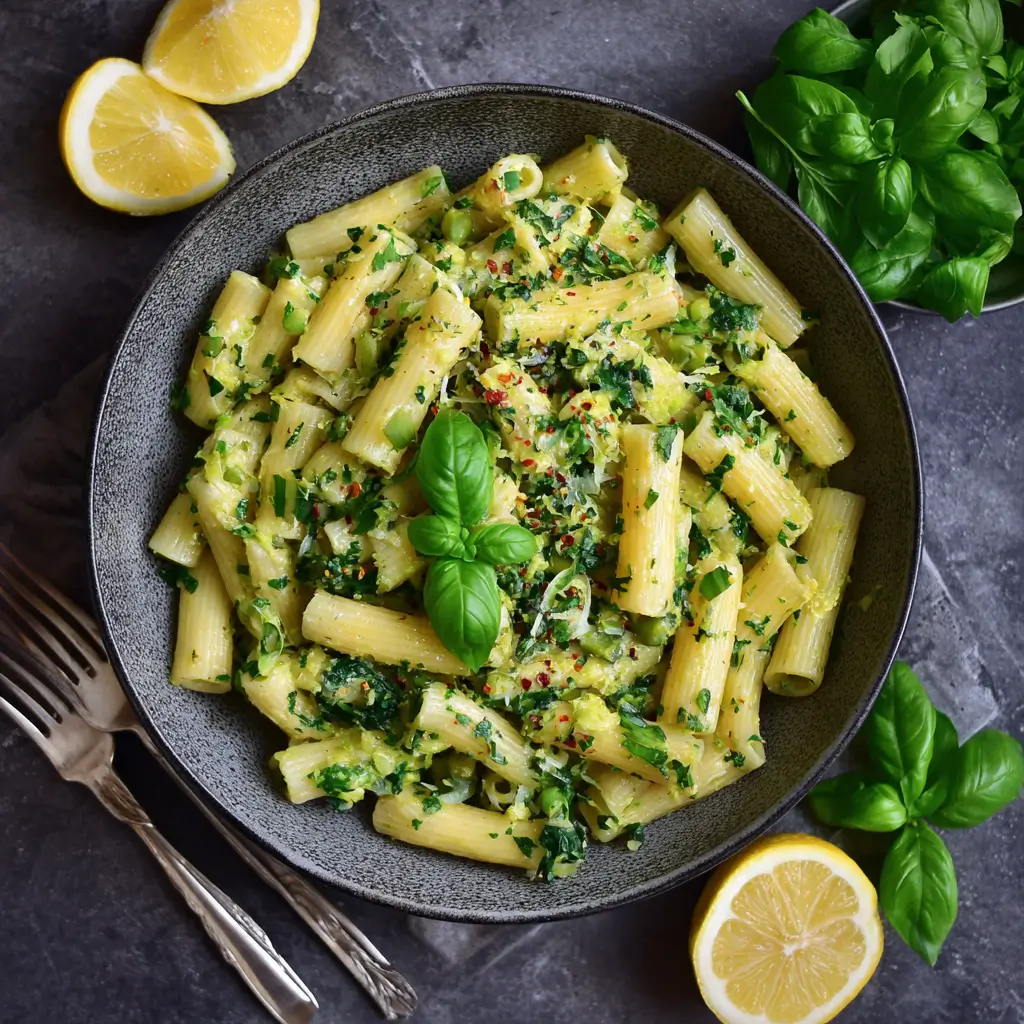
If you’re searching for a dish that’s light, vibrant, and bursting with Mediterranean flair, look no further than Vegan Lemon & Basil Pasta. This plant-based recipe is a celebration of simplicity and flavor—combining the bright acidity of fresh lemons with the aromatic sweetness of basil, all tossed over tender al dente pasta. Perfect for warm spring evenings or as a refreshing weeknight dinner, this dish requires minimal ingredients but delivers maximum satisfaction. Whether you’re a seasoned vegan or simply exploring meatless meals, this lemony, herbaceous pasta will quickly become a staple in your culinary repertoire.
The History of Lemon and Herb-Based Pastas
Pastas infused with citrus and herbs have roots deeply embedded in Italian culinary tradition, particularly in regions like Campania and Sicily where lemons grow abundantly along sun-drenched coastlines. While traditional recipes often include butter and Parmesan, the essence of these dishes lies in their freshness and balance—qualities that translate beautifully into vegan adaptations. Over time, as plant-based eating has gained popularity, chefs and home cooks alike have reimagined classic lemon pastas using cruelty-free ingredients without sacrificing taste. The incorporation of basil, a fragrant herb native to the Mediterranean, complements the tartness of lemon with its subtle peppery-sweet notes, creating a harmonious blend that feels both rustic and refined.
Ingredients Breakdown: What Makes This Dish Shine
The magic of Vegan Lemon & Basil Pasta comes from a handful of high-quality ingredients, each playing a vital role in building layers of flavor:
- Fresh Lemons: The star of the show. Lemon juice provides tangy brightness, while lemon zest adds intense citrus aroma without extra acidity. Always opt for organic lemons when using zest to avoid pesticides.
- Basil: This tender herb brings a sweet, slightly anise-like flavor that elevates the entire dish. Fresh basil is non-negotiable—dried basil lacks the vibrancy needed for this recipe.
- Pasta: Choose a long, slender variety like linguine, fettuccine, or spaghetti for optimal sauce adherence. For a healthier twist, use whole wheat, legume-based (like chickpea or lentil), or gluten-free pasta.
- Garlic: Adds depth and warmth. Minced finely or thinly sliced, garlic infuses the oil with savory complexity.
- Olive Oil: High-quality extra virgin olive oil acts as the base of the sauce, contributing richness and fruitiness. It emulsifies with the starchy pasta water to create a silky texture.
- Nutritional Yeast: A vegan pantry essential that mimics the umami and cheesiness of Parmesan. It adds a nutty depth and boosts B-vitamins.
- Vegetable Broth or Pasta Water: Used to adjust consistency and bind the sauce. Starchy pasta water is especially effective at helping the sauce cling to noodles.
- Salt and Black Pepper: Essential seasonings that enhance all other flavors.
- Optional Add-ins: Capers, sun-dried tomatoes, toasted pine nuts, or sautéed mushrooms can add texture and complexity.
Step-by-Step Recipe: Crafting Your Perfect Bowl
- Cook the Pasta: Bring a large pot of salted water to a boil (use about 1 tablespoon of salt per 4 quarts of water). Add your chosen pasta and cook according to package instructions until al dente. Before draining, reserve at least 1 cup of the starchy cooking water—it’s gold for sauce-making!
- Prepare the Sauce Base: While the pasta cooks, heat 1/4 cup of extra virgin olive oil in a large skillet over medium-low heat. Add 3-4 minced garlic cloves and sauté gently for 1–2 minutes until fragrant but not browned (to avoid bitterness).
- Add Citrus Elements: Stir in the zest of 2 medium lemons and the juice of 3 lemons (about 1/3 cup). Reduce heat to low and let the mixture warm through for 1 minute, releasing the essential oils and mellowing the sharpness.
- Incorporate Umami Boosters: Sprinkle in 1/4 to 1/3 cup of nutritional yeast, stirring continuously to combine. Gradually add 1/2 cup of warm vegetable broth or reserved pasta water to create a creamy, emulsified sauce. Simmer gently for 2–3 minutes.
- Combine Pasta and Sauce: Drain the cooked pasta and immediately transfer it to the skillet with the sauce. Toss vigorously over low heat for 1–2 minutes, adding more reserved pasta water as needed (in 1/4 cup increments) until the sauce coats each strand luxuriously.
- Finish with Fresh Herbs: Remove from heat. Tear or chiffonade 1 cup of fresh basil leaves and fold them into the pasta. The residual heat will release their fragrance without wilting them completely.
- Season and Serve: Taste and adjust seasoning with sea salt and freshly ground black pepper. For extra zing, add a splash more lemon juice if desired.
Pro Tips for the Best Vegan Lemon & Basil Pasta
- Don’t Overcook the Garlic: Burnt garlic turns bitter. Keep the heat low and watch closely during sautéing.
- Use Room-Temperature Lemon Juice: Cold lemon juice straight from the fridge can cool the sauce too quickly, preventing proper emulsification.
- Toss Pasta Immediately: Transferring hot pasta directly into the sauce ensures maximum absorption and coating.
- Reserve That Pasta Water: The starch helps bind the sauce. You’ll likely use 1/2 to 3/4 cup depending on how much sauce you need.
- Add Basil at the End: This preserves its fresh color, aroma, and delicate flavor.
- Let It Rest Briefly: Allow the dressed pasta to sit for 2–3 minutes before serving. This lets the flavors meld and the sauce absorb into the noodles.
- Use a Large Skillet or Dutch Oven: Ensures even tossing and prevents overcrowding.
Variations and Customizations
This recipe is wonderfully adaptable. Here are some creative ways to personalize your Vegan Lemon & Basil Pasta:
- Protein-Packed Version: Add white beans, chickpeas, marinated tofu cubes, or tempeh bacon for extra satiety.
- Roasted Vegetable Twist: Toss in roasted asparagus, cherry tomatoes, zucchini, or artichoke hearts for added texture and nutrients.
- Spicy Kick: Infuse the olive oil with red pepper flakes or add a dash of sriracha for heat.
- Creamier Texture: Blend soaked raw cashews with lemon juice and water to make a dairy-free cream base. Use this instead of (or alongside) olive oil for a richer mouthfeel.
- Different Herbs: Substitute or complement basil with fresh parsley, dill, or mint for a unique profile.
- Lemon Alternatives: Try lime or yuzu for a tropical twist, or blood orange for floral notes.
- Gourmet Touch: Finish with vegan parmesan (store-bought or homemade from blended cashews, nutritional yeast, and salt), toasted pine nuts, or lemon-infused olive oil drizzle.
- Gluten-Free Option: Use certified gluten-free pasta made from rice, corn, or quinoa. Be mindful that GF pastas vary in starch content, so adjust pasta water usage accordingly.
Health Considerations and Nutritional Value
Vegan Lemon & Basil Pasta isn’t just delicious—it’s also nutritionally balanced and supportive of various wellness goals:
- Low in Saturated Fat: Naturally free from animal products, this dish relies on heart-healthy monounsaturated fats from olive oil.
- Rich in Antioxidants: Lemons provide vitamin C and flavonoids, which support immune function and combat oxidative stress. Basil contains eugenol, an anti-inflammatory compound.
- Dietary Fiber: Especially when using whole grain or legume-based pasta, this meal offers significant fiber for digestive health and blood sugar regulation.
- Plant-Based Protein: With additions like chickpeas or lentil pasta, protein content increases substantially, making it suitable for active lifestyles.
- No Cholesterol: As a fully plant-based recipe, it contains zero dietary cholesterol.
- Supports Alkaline Balance: Despite their tartness, lemons have an alkalizing effect in the body once metabolized, potentially reducing acid load.
- Low Sodium Option: Easily adapted by reducing added salt and using low-sodium broth, ideal for those managing blood pressure.
Note: Those with citrus sensitivities or GERD may want to reduce lemon juice quantity or consume this dish in moderation due to acidity.
Full Ingredient List (Serves 4)
- 12 oz (340g) dried pasta (linguine, spaghetti, or fettuccine)
- 3 large lemons (zest and juice)
- 1/4 cup extra virgin olive oil (plus extra for garnish)
- 4 garlic cloves, minced
- 1 cup fresh basil leaves, loosely packed (chiffonade or torn)
- 1/3 cup nutritional yeast
- 1 cup reserved pasta water or warm vegetable broth
- 1 tsp sea salt (or to taste)
- Freshly ground black pepper to taste
Detailed Directions
- Fill a large pot with water, add 1 tbsp salt, and bring to a rolling boil. Add pasta and cook until al dente (check package for timing). Reserve 1 cup of pasta water before draining.
- While pasta cooks, zest two lemons and juice all three (you should get about 1/3 cup juice). Set aside.
- In a large skillet, heat olive oil over medium-low heat. Add minced garlic and cook for 60–90 seconds until aromatic. Do not let it brown.
- Stir in lemon zest and cook for 30 seconds to release oils.
- Pour in lemon juice and stir. Reduce heat to low.
- Add nutritional yeast gradually, whisking constantly to prevent clumping. Slowly pour in 1/2 cup of reserved pasta water or broth, stirring to form a smooth, creamy sauce. Simmer for 2–3 minutes.
- Add drained pasta to the skillet. Toss well over low heat, incorporating the sauce. Add more pasta water as needed (up to 1/2 cup more) until sauce clings evenly.
- Remove from heat. Fold in fresh basil leaves gently.
- Season with salt and pepper. Taste and adjust—add more lemon juice for tang, nutritional yeast for cheesiness, or olive oil for richness.
- Divide among bowls. Garnish with extra basil, lemon slices, cracked pepper, and a drizzle of olive oil. Serve immediately.
Frequently Asked Questions (FAQ)
Can I make this pasta ahead of time?
Yes, but best served fresh. If preparing in advance, undercook the pasta slightly, chill components separately, and reheat gently with a splash of water or broth before finishing with basil.
Why is my sauce watery or separating?
Too much liquid or insufficient emulsification. Ensure you’re using starchy pasta water and tossing over low heat. Adding nutritional yeast slowly helps stabilize the sauce.
Is nutritional yeast necessary?
It’s highly recommended for its cheesy flavor and nutrient content. Omit only if allergic; consider a small amount of white miso paste as an alternative umami booster.
Can I freeze leftovers?
Not recommended. Fresh herbs and texture degrade upon freezing. Store in the fridge for up to 3 days and reheat gently.
How do I keep the pasta from sticking?
Toss frequently while cooking and don’t rinse after draining—rinsing removes the starch needed for sauce adhesion.
What can I serve with this dish?
Pair with a crisp green salad, garlic-roasted vegetables, or vegan garlic bread. A chilled glass of Sauvignon Blanc or sparkling water with lemon complements beautifully.
Summary
Vegan Lemon & Basil Pasta is a refreshing, nutrient-rich dish that combines zesty citrus, aromatic herbs, and silky olive oil into a satisfying plant-based meal. Quick to prepare and endlessly customizable, it’s proof that simple ingredients can create extraordinary flavor.