Crispy Baked Chicken Wings: A Flavorful, Healthier Twist on a Classic Favorite
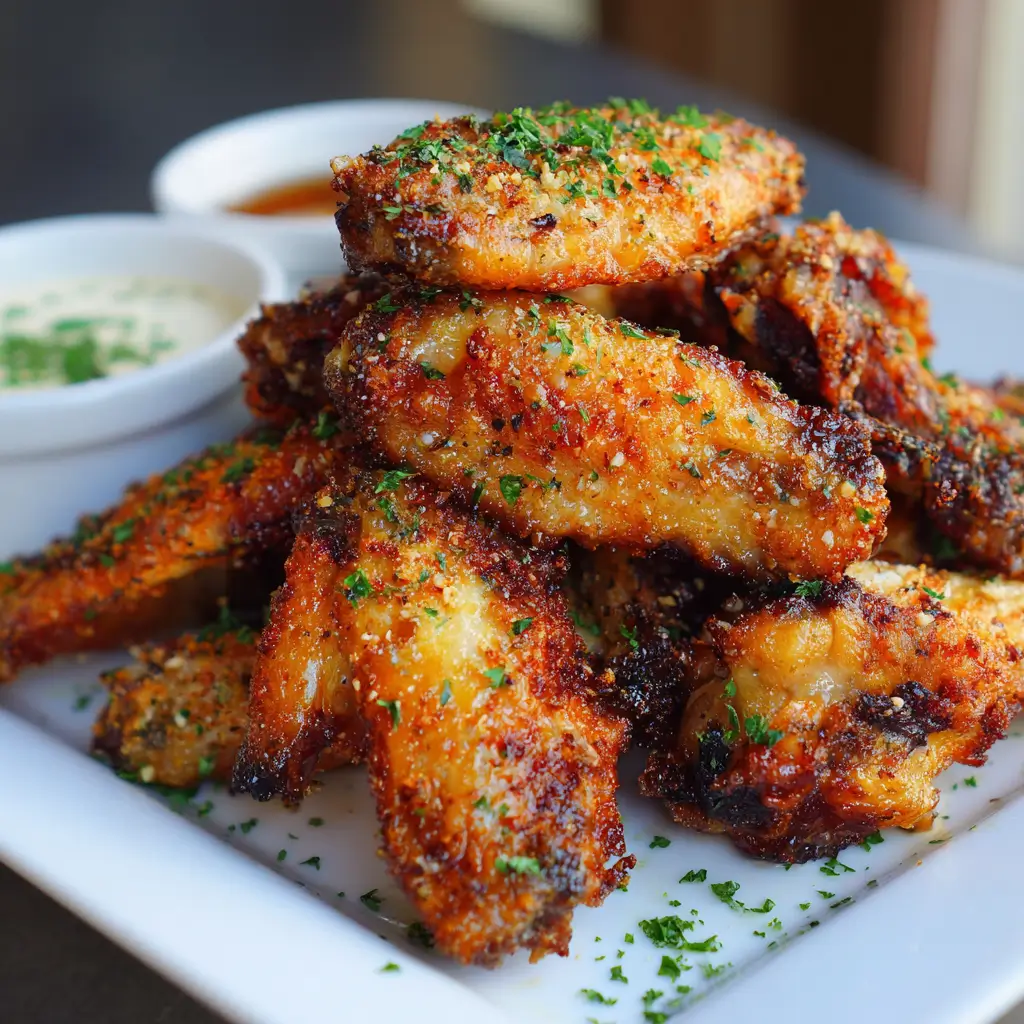
There’s something universally satisfying about chicken wings—crispy on the outside, juicy on the inside, and endlessly customizable in flavor. While traditionally deep-fried for maximum crunch, baked chicken wings offer a healthier alternative without sacrificing taste or texture. With the right techniques, you can achieve restaurant-quality crispy skin using your oven alone. This guide dives deep into everything you need to know about making perfect Crispy Baked Chicken Wings—from their fascinating history to expert tips, nutritional insights, and creative variations that will keep your taste buds excited.
The History of Chicken Wings
Believe it or not, chicken wings were once considered a throwaway cut of meat. Farmers and butchers didn’t see much value in them until the now-legendary Anchor Bar in Buffalo, New York, changed their fate in 1964. According to popular lore, Teressa Bellissimo, co-owner of the bar, fried up some wings in hot sauce as a late-night snack for her son and his friends. The result? The birth of the iconic Buffalo wing.
From there, chicken wings exploded in popularity across the United States and eventually the world. What started as a spicy, saucy appetizer evolved into countless preparations—grilled, baked, smoked, glazed, dry-rubbed, and more. Today, wings are a staple at sports bars, Super Bowl parties, and backyard gatherings. While frying remains common, health-conscious cooks have embraced baking as a way to enjoy wings with less oil but just as much crunch—especially when technique is optimized.
Ingredients Breakdown: Why Each Component Matters
Creating truly crispy baked wings isn’t just about cooking; it’s about understanding how each ingredient contributes to texture and flavor. Here’s a detailed look at the core ingredients and their roles:
- Chicken Wings: Use whole wings (about 2–3 pounds), separated into drumettes and flats. Avoid pre-cut or frozen wings with additives, as excess moisture and preservatives hinder crispiness.
- Baking Powder (NOT baking soda): A surprising but crucial ingredient! Aluminum-free baking powder helps draw moisture from the skin and raises the pH level, promoting browning and extreme crispiness without altering flavor.
- Salt: Enhances flavor and helps dry out the skin. Kosher salt is preferred due to its clean taste and ideal grain size.
- Black Pepper: Adds subtle heat and complexity. Freshly ground works best.
- Garlic Powder & Onion Powder: Provide savory depth and umami notes without burning easily in the oven.
- Paprika (smoked or sweet): Contributes color and a mild earthy or smoky flavor depending on variety.
- Olive Oil or Avocado Oil (optional): Light brushing or tossing in a small amount of high-smoke-point oil can enhance browning and help spices adhere.
Note: For sauced wings, additional ingredients like butter, hot sauce (e.g., Frank’s RedHot), honey, soy sauce, garlic, and vinegar come into play after baking to add flavor and sheen.
Step-by-Step Recipe: How to Make Crispy Baked Chicken Wings at Home
Ingredients
- 2.5 lbs (about 1.1 kg) chicken wings, split into drumettes and flats, tips removed or saved for stock
- 1 tablespoon aluminum-free baking powder (critical for crispiness)
- 1.5 teaspoons kosher salt
- 1 teaspoon freshly ground black pepper
- 1 teaspoon garlic powder
- 1 teaspoon onion powder
- 1 teaspoon smoked paprika (or sweet paprika)
- 1–2 tablespoons avocado oil (optional, for extra browning)
Directions
- Prep the Wings: Pat the wings completely dry with paper towels. Moisture is the enemy of crispiness, so take time to blot every surface. Place wings in a large mixing bowl.
- Season Dry: In a small bowl, mix together baking powder, salt, pepper, garlic powder, onion powder, and paprika. Sprinkle evenly over the wings. Toss thoroughly to coat every piece. Do not add any liquid at this stage.
- Optional Oil Toss: For deeper browning, lightly drizzle 1–2 tablespoons of oil over the seasoned wings and toss again. This step improves Maillard reaction but isn’t mandatory if you’re minimizing fat.
- Rest (Optional but Recommended): Transfer wings to a wire rack set over a baking sheet. Refrigerate uncovered for 4–12 hours. This air-dries the surface even more, resulting in ultra-crispy skin.
- Preheat Oven: Set oven to 425°F (220°C). Position a rack in the middle. Line a baking sheet with foil (for easy cleanup) and place a wire rack on top. Lightly grease the rack to prevent sticking.
- Arrange Wings: Lay wings in a single layer on the rack, ensuring space between each piece for proper air circulation.
- Bake First Stage: Roast for 30 minutes. Flip each wing carefully using tongs.
- Bake Second Stage: Continue roasting for another 25–40 minutes, or until skin is golden brown, blistered, and crispy. Internal temperature should reach 165°F (74°C).
- Broil (Optional): For extra crunch, switch to broil for 2–4 minutes at the end, watching closely to avoid burning.
- Sauce (If Desired): Transfer wings to a large bowl. Add your favorite sauce (e.g., Buffalo, BBQ, honey garlic) while hot, tossing gently to coat evenly.
- Serve Immediately: Plate wings with dipping sauces like blue cheese, ranch, or sriracha mayo. Garnish with chopped parsley or celery sticks.
Pro Tips for Perfect Crispy Baked Chicken Wings
- Dry Thoroughly: The drier the skin, the crispier the result. Blot well and consider an overnight chill on a rack.
- Use Baking Powder, Not Baking Soda: Baking soda is too alkaline and can leave a metallic taste. Stick to aluminum-free baking powder.
- Don’t Skip the Wire Rack: Elevating wings allows hot air to circulate all around, preventing soggy bottoms.
- Avoid Crowding: Overlapping wings steam instead of roast. Use two racks or bake in batches if needed.
- Flip Halfway: Ensures even browning on both sides.
- Let Them Rest Before Saucing: If adding sauce, let wings sit for a few minutes after baking to further crisp up before tossing.
- Double-Bake Method: For maximum crunch, bake at 350°F for 40 minutes, cool completely, then re-bake at 425°F for 20–30 minutes.
Variations and Customizations
One of the greatest joys of chicken wings is their versatility. Once you’ve mastered the base recipe, experiment with these delicious twists:
- Buffalo Wings: Toss baked wings in a mixture of melted butter, Frank’s RedHot sauce, Worcestershire, and a splash of vinegar.
- Honey Garlic Wings: Combine honey, minced garlic, soy sauce, rice vinegar, and ginger. Simmer into a glaze and toss with wings.
- BBQ Ranch Wings: Coat with smoky barbecue sauce, then drizzle with ranch dressing and sprinkle with chives.
- Lemon Pepper Wings: Skip paprika and add lemon zest, cracked black pepper, and dried oregano to the dry rub.
- Korean Gochujang Wings: Mix gochujang paste, soy sauce, brown sugar, sesame oil, and garlic for a sweet-spicy-savory glaze.
- Dry-Rub “Nashville Hot” Wings: After baking, brush with hot oil infused with cayenne, brown sugar, and spices for that fiery kick.
- Herb & Citrus Wings: Rub with rosemary, thyme, lemon juice, and olive oil for a Mediterranean flair.
- Sriracha Maple Wings: Blend sriracha, pure maple syrup, lime juice, and garlic for a bold, balanced finish.
You can also customize based on dietary needs—use gluten-free tamari instead of soy sauce, sugar-free substitutes in glazes, or skip sauce altogether for a keto-friendly option.
Health Considerations and Nutritional Value
Compared to deep-fried wings, baked chicken wings are significantly lower in calories and fat. By avoiding immersion frying, you eliminate hundreds of unnecessary calories from absorbed oil. Here’s a rough nutritional comparison per 4 oz (113g) serving:
| Nutrient | Baked Wings (No Sauce) | Deep-Fried Wings (No Sauce) |
|---|---|---|
| Calories | 220 | 320 |
| Total Fat | 14g | 24g |
| Saturated Fat | 4g | 6g |
| Protein | 22g | 21g |
| Sodium | 450mg | 600mg+ |
Key Health Notes:
- Chicken wings are a good source of protein and contain essential nutrients like niacin, selenium, and phosphorus.
- Skin contains most of the fat, but also contributes to satiety and flavor. Removing skin reduces fat but sacrifices crispiness.
- Baking powder used in small amounts is safe and does not significantly affect sodium content.
- Watch sauce choices—many commercial sauces are high in sugar, sodium, and preservatives. Homemade versions give you full control.
- Pair wings with raw veggies, celery sticks, or a fresh salad to balance the meal nutritionally.
Frequently Asked Questions (FAQ)
Can I make crispy baked wings without baking powder?
Yes, but they won’t be as uniformly crispy. Baking powder is key for pH elevation and moisture removal. Alternatives include cornstarch (used in Asian-style recipes) or simply relying on long drying and high heat.
Can I use frozen wings?
Yes, but thaw them completely in the refrigerator first and pat very dry. Frozen wings release more water, which hinders crispiness.
How do I store leftovers?
Store cooled wings in an airtight container in the fridge for up to 3 days. Re-crisp in the oven at 375°F for 10–15 minutes. Avoid microwaving, which makes them rubbery.
Can I bake wings ahead of time?
Absolutely. Bake them fully, cool, and refrigerate. Reheat in a hot oven before saucing and serving for game day convenience.
Why are my wings not crispy?
Common causes: insufficient drying, overcrowding the pan, skipping the wire rack, using baking soda instead of baking powder, or baking at too low a temperature.
Are baked wings keto-friendly?
Plain baked wings without sugary sauces are naturally low-carb and keto-compliant. Just monitor added ingredients in glazes.
Can I cook wings in an air fryer?
Yes! Air fryer wings cook faster and often get even crispier. Cook at 400°F for 22–28 minutes, flipping halfway through.
Summary
Crispy Baked Chicken Wings are a delicious, healthier alternative to fried versions, achieving golden, crunchy skin through smart techniques like drying, baking powder use, and proper roasting. With endless flavor possibilities and straightforward preparation, they’re perfect for weeknight dinners or entertaining guests.