Introduction
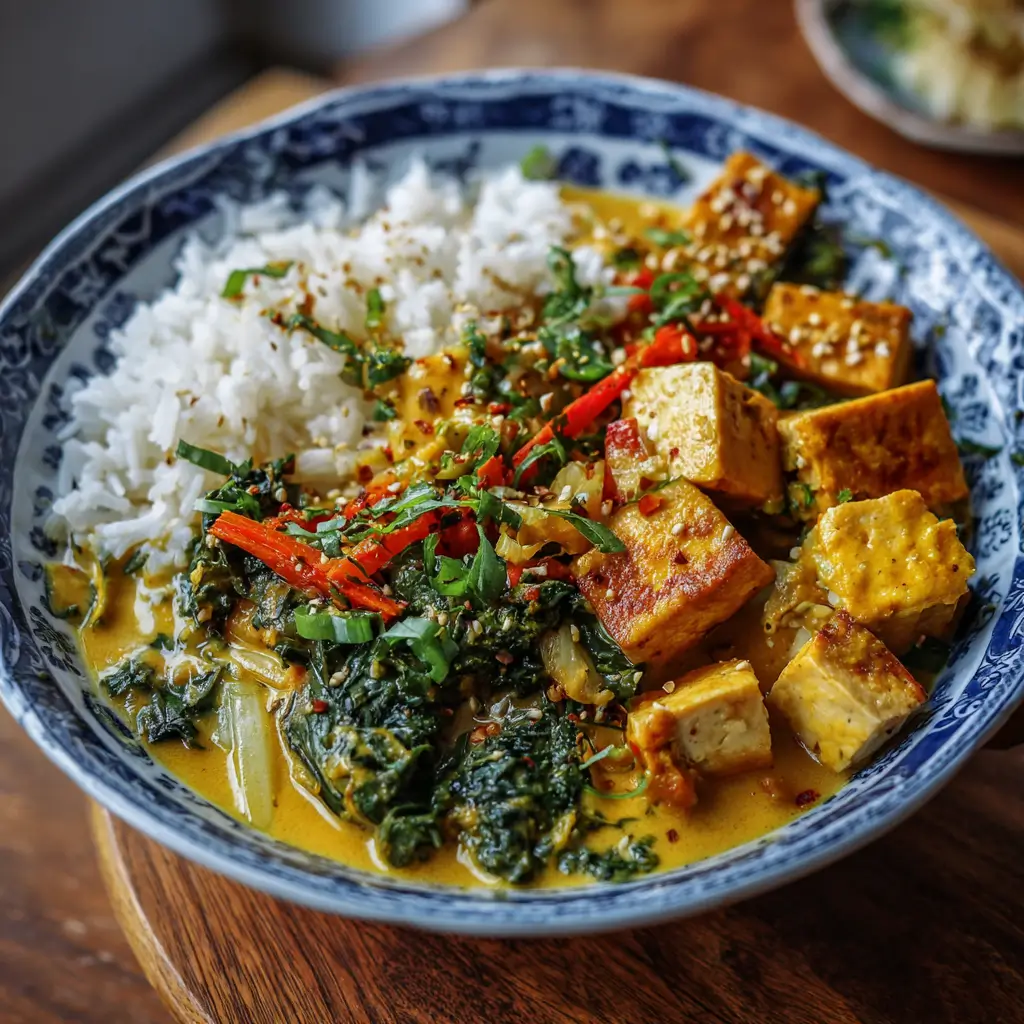
Welcome to a flavorful journey through one of the most beloved plant-based dishes in modern cuisine — Vegan Coconut Curry with Tofu. This rich, aromatic, and creamy curry is a celebration of bold spices, wholesome ingredients, and vibrant textures that come together in a single pot. Whether you’re a long-time vegan, exploring plant-based eating, or simply looking for a comforting meal that’s both nutritious and delicious, this recipe will quickly become a staple in your kitchen. With its luscious coconut milk base, tender chunks of tofu, and a symphony of vegetables, this dish brings the essence of Southeast Asian flavors right to your dinner table. It’s easy to prepare, endlessly customizable, and perfect for weeknight dinners or weekend gatherings. Let’s dive into the history, ingredients, and techniques that make this Vegan Coconut Curry with Tofu an unforgettable culinary experience.
The History
Curry, as a concept, spans across multiple cultures and continents, but its roots are deeply embedded in the Indian subcontinent, where spiced stews have been enjoyed for thousands of years. The word “curry” itself is an anglicized version of the Tamil word “kari,” meaning sauce or relish for rice. Over centuries, as trade routes expanded and colonial influences spread, curry traveled across Asia, adapting to local tastes and ingredients. In Thailand, Malaysia, Indonesia, and other tropical regions, coconut milk became a foundational ingredient in curries, replacing or complementing yogurt or ghee used in Indian versions. Thai red, green, and yellow curries, in particular, gained global popularity for their balance of sweet, salty, sour, and spicy elements.
Vegan Coconut Curry with Tofu draws inspiration from these Southeast Asian traditions, especially Thai cuisine, where coconut milk-based curries are common. Tofu, originating in China over 2,000 years ago, was adopted throughout Asia as a versatile protein source, particularly in Buddhist vegetarian traditions. As veganism has grown in popularity worldwide, chefs and home cooks alike have reimagined traditional meat- and seafood-based curries using plant-based proteins like tofu, tempeh, and seitan. This fusion of ancient spice knowledge, tropical ingredients, and modern dietary ethics has given rise to accessible, compassionate, and deeply satisfying dishes like this Vegan Coconut Curry. Today, it stands as a symbol of culinary evolution — honoring tradition while embracing sustainability and inclusivity.
Ingredients Breakdown
The magic of Vegan Coconut Curry with Tofu lies in its harmonious blend of ingredients, each contributing flavor, texture, and nutrition. Let’s explore them in detail:
- Firm or Extra-Firm Tofu: The star protein of the dish. Tofu absorbs the curry’s flavors beautifully while providing a chewy, satisfying bite. Pressing the tofu removes excess water, allowing it to crisp up when pan-fried and hold its shape during simmering.
- Coconut Milk: Full-fat canned coconut milk is essential for a rich, creamy texture. It provides natural sweetness and helps mellow out the heat from spices. Light coconut milk can be used for a thinner consistency, but full-fat yields the most luxurious results.
- Aromatics (Onion, Garlic, Ginger): These form the flavor foundation. Onion adds sweetness, garlic brings pungency, and fresh ginger contributes warmth and brightness.
- Red Curry Paste: A blend of dried red chilies, lemongrass, galangal, shallots, garlic, and spices. Store-bought versions (like Thai Kitchen or Maesri) are convenient, but homemade paste offers deeper, fresher flavor. Adjust quantity based on desired heat level.
- Vegetables: Bell peppers add color and crunch; carrots provide sweetness and texture; broccoli or cauliflower offer heartiness. Feel free to use seasonal or frozen vegetables like zucchini, green beans, mushrooms, or spinach.
- Soy Sauce or Tamari: Adds umami and saltiness. Tamari is gluten-free and often richer in flavor than standard soy sauce.
- Maple Syrup or Coconut Sugar: A touch of sweetness balances the spice and acidity. Maple syrup is ideal for its depth and vegan-friendly nature.
- Lime Juice: Freshly squeezed lime juice brightens the dish at the end, cutting through the richness of the coconut milk.
- Vegetable Broth: Enhances the depth of the sauce without overpowering the other flavors. Use low-sodium if preferred.
- Cooking Oil: Neutral oils like avocado, sunflower, or refined coconut oil work well for sautéing without imparting strong flavors.
- Fresh Herbs (Cilantro, Thai Basil): Cilantro adds a citrusy freshness, while Thai basil lends a slightly licorice-like aroma unique to Southeast Asian dishes.
- Garnishes: Sliced green onions, crushed peanuts, toasted cashews, or sesame seeds add crunch and visual appeal.
Optional additions: bamboo shoots, baby corn, edamame, kaffir lime leaves, or red chili flakes for extra heat.
Step-by-Step Recipe
- Prepare the Tofu: Remove the tofu from its packaging and drain the liquid. Wrap it in a clean kitchen towel or paper towels and place a heavy object (like a skillet or books) on top for 15–30 minutes to press out excess moisture. Once pressed, cut into ¾-inch cubes.
- Pan-Fry the Tofu: Heat 1 tablespoon of oil in a large non-stick skillet or wok over medium-high heat. Add the tofu cubes in a single layer and cook for 3–4 minutes per side, until golden brown and crispy. Remove and set aside.
- Sauté the Aromatics: In the same pan, add another tablespoon of oil. Lower the heat to medium and add diced onion. Sauté for 4–5 minutes until translucent. Stir in minced garlic and grated ginger, cooking for another 1–2 minutes until fragrant.
- Bloom the Curry Paste: Add 2–3 tablespoons of red curry paste (depending on heat preference) to the onions. Stir constantly for 1–2 minutes to toast the spices and deepen their flavor.
- Add Coconut Milk: Pour in one 13.5–14 oz can of full-fat coconut milk. Whisk well to combine with the curry paste, scraping the bottom of the pan to incorporate any browned bits.
- Simmer the Base: Bring the mixture to a gentle simmer. Stir in ½ cup vegetable broth, 2 tablespoons soy sauce (or tamari), and 1 tablespoon maple syrup. Allow to simmer for 5 minutes to meld the flavors.
- Add Vegetables: Stir in chopped carrots, bell peppers, and any harder vegetables first. Simmer for 5–7 minutes until they begin to soften. Add softer veggies like broccoli or mushrooms and cook for another 5 minutes.
- Incorporate Tofu: Gently fold in the pan-fried tofu cubes. Simmer for 5–10 minutes to allow the tofu to absorb the flavors of the curry.
- Finish with Freshness: Turn off the heat. Stir in the juice of half a lime and a handful of torn Thai basil or cilantro leaves.
- Taste and Adjust: Sample the curry. Adjust seasoning by adding more soy sauce for saltiness, lime for acidity, or maple syrup for sweetness.
- Serve: Ladle the curry over steamed jasmine rice, brown rice, quinoa, or rice noodles. Garnish generously with fresh herbs, green onions, and a sprinkle of crushed nuts.
Tips
- Press Tofu Well: The drier the tofu, the better it browns and absorbs flavors. Consider freezing and thawing tofu before pressing—it creates a chewier, more porous texture that soaks up sauce even better.
- Toasting the Curry Paste: Don’t skip blooming the curry paste in oil. This step unlocks complex aromas and reduces raw spice harshness.
- Use Full-Fat Coconut Milk: Light coconut milk tends to separate and lacks creaminess. Shake the can well before opening, or stir thoroughly if using a carton.
- Control the Heat: Start with less curry paste and add more gradually. You can always increase spiciness, but you can’t take it away.
- Add Greens at the End: Spinach, kale, or bok choy should be stirred in during the last 2–3 minutes of cooking to retain color and texture.
- Let It Rest: Curries taste even better the next day. Allow leftovers to sit overnight—the flavors deepen and meld beautifully.
- Prevent Curdling: Avoid boiling the coconut milk vigorously. Keep the heat at a gentle simmer to maintain a smooth texture.
- Boost Umami: Add a teaspoon of miso paste or a splash of vegan fish sauce (like Ocean’s Halo) for an extra savory kick.
- Batch Cooking: This recipe doubles easily and freezes well for up to 3 months. Store in airtight containers and reheat gently on the stove.
Variations and Customizations
This Vegan Coconut Curry with Tofu is incredibly adaptable. Here are some creative twists to suit different tastes and dietary needs:
- Protein Swaps: Replace tofu with tempeh, seitan, chickpeas, lentils, or baked mushrooms for varied textures.
- Different Curries: Use green curry paste for a fresher, herbal flavor, or yellow curry paste for a milder, turmeric-rich profile.
- Noodle Curry: Add cooked rice noodles or udon to turn it into a curry noodle bowl.
- Thai Green Papaya: Incorporate shredded green papaya or mango for a tangy, crunchy contrast.
- Creamy Nut Butter Version: Stir in a spoonful of almond or cashew butter for added richness and nuttiness.
- Root Vegetable Upgrade: Swap bell peppers for sweet potatoes, parsnips, or butternut squash—perfect for colder months.
- Spicy Kick: Add sliced fresh red chilies, chili garlic sauce, or a dash of sriracha for extra heat.
- Low-Fat Option: Use light coconut milk and reduce oil by sautéing in broth instead.
- Kid-Friendly: Omit spicy elements and add peas, corn, and mild veggies. Serve with naan bread for dipping.
- Mediterranean Twist: Use smoked paprika, olives, and artichokes with a hint of lemon for a fusion flair.
Health Considerations and Nutritional Value
Vegan Coconut Curry with Tofu is not only delicious but also packed with nutrients that support overall health. Here’s a breakdown of its key components:
- Tofu: A complete plant-based protein containing all nine essential amino acids. Rich in calcium, iron, magnesium, and manganese. Isoflavones in tofu may support heart health and hormonal balance.
- Coconut Milk: High in saturated fat, but primarily medium-chain triglycerides (MCTs), which are metabolized differently than animal-based fats and may support energy and metabolism. Consume in moderation if monitoring fat intake.
- Vegetables: Provide fiber, antioxidants, vitamins (A, C, K), and phytonutrients that support immune function, digestion, and inflammation reduction.
- Ginger and Garlic: Known for anti-inflammatory, antimicrobial, and digestive benefits.
- Coconut Oil or Other Cooking Oils: Choose heart-healthy options and use sparingly to manage calorie density.
- Soy Sauce: High in sodium, so opt for reduced-sodium versions if managing blood pressure.
Nutritional Estimate (per serving, serves 4 with rice):
- Calories: ~450–550 kcal
- Protein: 18–22g
- Fat: 25–30g (mostly healthy fats)
- Carbohydrates: 35–45g
- Fiber: 6–8g
- Sodium: 600–900mg (adjustable)
This dish is naturally cholesterol-free, low in trans fats, and suitable for vegan, dairy-free, egg-free, and nut-free diets (check labels on curry paste). It supports balanced blood sugar when paired with whole grains and is ideal for those seeking high-protein, plant-forward meals.
Ingredients
- 1 block (14–16 oz) extra-firm tofu, pressed and cubed
- 2 tablespoons neutral oil (avocado, sunflower, or coconut)
- 1 medium yellow onion, diced
- 4 cloves garlic, minced
- 1 tablespoon fresh ginger, grated
- 2–3 tablespoons red curry paste (Thai brand recommended)
- 1 can (13.5–14 oz) full-fat coconut milk
- ½ cup vegetable broth (low-sodium preferred)
- 2 tablespoons soy sauce or tamari (gluten-free if needed)
- 1 tablespoon maple syrup or coconut sugar
- 1 red bell pepper, sliced
- 1 yellow bell pepper, sliced
- 1 large carrot, thinly sliced
- 1 cup broccoli florets
- Juice of ½ lime (about 1–2 tablespoons)
- ¼ cup fresh cilantro or Thai basil, chopped
- 2 green onions, sliced (for garnish)
- Crushed peanuts or cashews (optional, for crunch)
- Cooked jasmine rice, brown rice, or quinoa (for serving)
Directions
- Press tofu for 15–30 minutes, then cut into cubes.
- Heat 1 tbsp oil in a large skillet or pot over medium-high heat. Add tofu and cook until golden on all sides, about 8–10 minutes total. Remove and set aside.
- Add remaining 1 tbsp oil to the pan. Sauté onion for 4–5 minutes until soft.
- Add garlic and ginger; cook for 1 minute until fragrant.
- Stir in red curry paste and cook for 1–2 minutes to bloom the spices.
- Pour in coconut milk and whisk to combine. Add vegetable broth, soy sauce, and maple syrup. Bring to a simmer.
- Add carrots and bell peppers. Simmer for 7 minutes.
- Add broccoli and cook for 5 more minutes until vegetables are tender-crisp.
- Return tofu to the pan. Simmer gently for 5–10 minutes to infuse flavors.
- Remove from heat. Stir in lime juice and fresh herbs.
- Taste and adjust seasoning—add more soy sauce, lime, or sweetness as desired.
- Serve hot over rice, garnished with green onions and crushed nuts.
FAQ
Can I make this curry oil-free?
Yes! Sauté the aromatics in a few tablespoons of vegetable broth or water instead of oil. Just be careful to stir frequently to prevent sticking.
Is this curry gluten-free?
It can be! Use tamari instead of soy sauce and ensure your curry paste is certified gluten-free (some brands contain wheat).
How do I store leftovers?
Cool completely and store in an airtight container in the refrigerator for up to 5 days. Reheat gently on the stove with a splash of water or broth to loosen the sauce.
Can I freeze this curry?
Absolutely. Freeze in portion-sized containers for up to 3 months. Thaw overnight in the fridge and reheat slowly to preserve texture.
Why did my coconut milk separate?
This can happen if the curry boils too hard. Always keep it at a gentle simmer. Stirring frequently and adding a little starch (like cornstarch slurry) can help stabilize it.
Can I use silken tofu?
Not recommended. Silken tofu is too delicate and will break apart. Stick with firm or extra-firm for best results.
What can I serve with this curry?
Jasmine rice is classic, but try basmati rice, quinoa, rice noodles, or even cauliflower rice for a low-carb option. Naan or roti works well for dipping.
How can I make it spicier or milder?
For more heat, add fresh chilies, chili oil, or extra curry paste. For milder flavor, reduce the paste to 1 tablespoon and add a bit more coconut milk.
Summary
Vegan Coconut Curry with Tofu is a creamy, aromatic, and protein-rich dish that combines bold Southeast Asian flavors with wholesome plant-based ingredients. Easy to customize and perfect for meal prep, it delivers comfort and nutrition in every bite.