Introduction
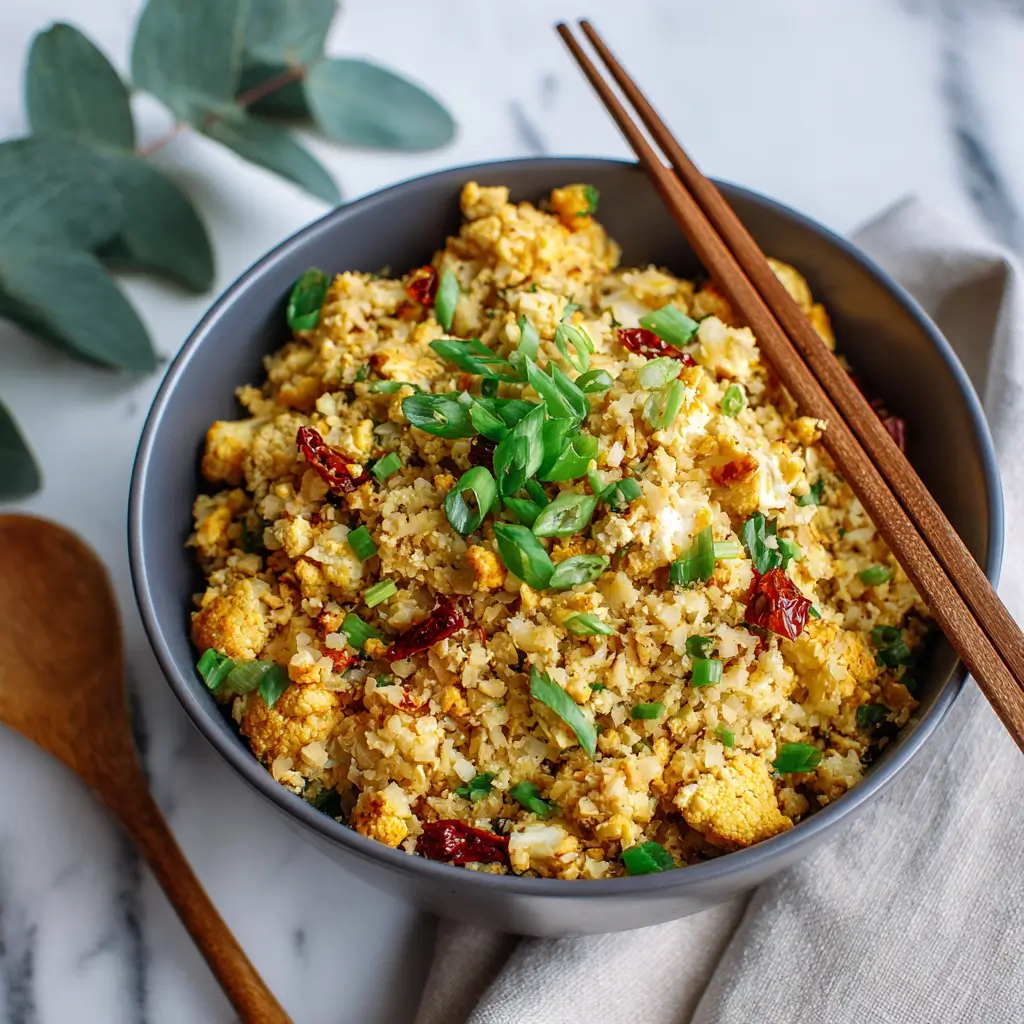
Vegan Cauliflower Fried Rice is a delicious, healthy, and satisfying plant-based alternative to traditional fried rice. Packed with vibrant vegetables, aromatic spices, and the wholesome texture of riced cauliflower, this dish offers a guilt-free way to enjoy one of the most beloved staples of Asian cuisine. Whether you’re on a weight-loss journey, managing dietary restrictions, or simply embracing a more plant-forward lifestyle, this recipe delivers bold flavors without relying on animal products. It’s quick to prepare, budget-friendly, and endlessly customizable—making it an ideal weeknight dinner, meal prep staple, or side dish for your favorite vegan entrees.
The History
Fried rice has its roots in ancient China, where resourcefulness in the kitchen led to the creation of dishes that repurposed leftover rice and vegetables. Traditional fried rice typically includes eggs, meat, and soy sauce, stir-fried at high heat to achieve that signature smoky wok hei flavor. Over centuries, the dish spread across Asia and eventually the globe, adapting to local tastes and ingredients. In recent years, the rise of health-conscious eating and plant-based diets has inspired creative reinterpretations, including grain-free and low-carb versions. Enter cauliflower rice—a finely chopped or processed form of cauliflower that mimics the texture of grains. Vegan Cauliflower Fried Rice emerged as a modern fusion of culinary tradition and wellness innovation, offering a lighter, nutrient-dense take on a classic comfort food while staying true to its umami-rich essence.
Ingredients Breakdown
The beauty of Vegan Cauliflower Fried Rice lies in its simplicity and versatility. Each ingredient serves a purpose—adding flavor, color, texture, or nutrition:
- Cauliflower (riced): The star of the dish, providing a low-calorie, low-carb base rich in fiber, vitamin C, and antioxidants. Fresh or frozen riced cauliflower works well.
- Vegetable oil or sesame oil: Used for sautéing. Sesame oil adds a nutty depth, while neutral oils like avocado or sunflower allow other flavors to shine.
- Garlic and ginger: These aromatics are essential for building a savory foundation. They offer anti-inflammatory benefits and intense flavor.
- Onion (yellow or red): Adds sweetness and complexity when caramelized slightly during cooking.
- Carrots: Diced small for texture and color, they contribute beta-carotene and a subtle earthy sweetness.
- Green peas (frozen or fresh): A pop of sweetness and vibrant green hue. Rich in protein and fiber.
- Red bell pepper: Offers crunch and a boost of vitamin C and antioxidants.
- Green onions (scallions): Used both during cooking and as a garnish for freshness and mild onion flavor.
- Soy sauce or tamari: Provides the essential salty, umami backbone. Tamari is gluten-free and often less processed.
- Coconut aminos: A soy-free, lower-sodium alternative to soy sauce with a slightly sweet profile—ideal for those with soy allergies.
- White pepper or black pepper: Adds gentle heat and enhances overall flavor.
- Nutritional yeast (optional): For a cheesy, umami depth without dairy—great for boosting B-vitamins.
- Toasted sesame seeds (optional garnish): Add crunch and nuttiness, enhancing both texture and visual appeal.
- Crushed red pepper flakes (optional): For those who enjoy a spicy kick.
Step-by-Step Recipe
- Prepare the cauliflower rice: If using a whole cauliflower, remove the leaves and stem, then cut into florets. Pulse in a food processor until it reaches a rice-like consistency (do not over-process). Alternatively, use pre-riced cauliflower from the freezer section—thaw and drain excess moisture.
- Dry the riced cauliflower: Place the riced cauliflower on a clean kitchen towel or paper towels and squeeze gently to remove excess water. This prevents mushiness during cooking.
- Heat the oil: In a large skillet or wok over medium-high heat, add 1–2 tablespoons of oil (sesame or vegetable). Swirl to coat the pan evenly.
- Sauté aromatics: Add minced garlic and grated ginger, stirring constantly for about 30 seconds until fragrant—be careful not to burn them.
- Add onions and carrots: Stir in diced onions and carrots. Cook for 3–4 minutes, allowing the onions to soften and the carrots to begin tenderizing.
- Incorporate remaining vegetables: Add red bell pepper and green peas. Stir-fry for another 2–3 minutes until vegetables are crisp-tender.
- Add cauliflower rice: Increase heat to high and pour in the prepared cauliflower rice. Stir continuously to prevent sticking and ensure even cooking.
- Season the dish: Drizzle soy sauce (or tamari/coconut aminos) over the mixture—start with 2–3 tablespoons. Add a pinch of white pepper and optional red pepper flakes. Mix thoroughly.
- Enhance flavor (optional): Sprinkle in 1–2 tablespoons of nutritional yeast for a richer, savory note.
- Finish with green onions: Stir in sliced green onions (reserve some for garnish) and cook for an additional 1–2 minutes until everything is heated through.
- Taste and adjust: Sample the dish and adjust seasoning—more soy sauce for saltiness, a splash of lime juice for brightness, or a drizzle of maple syrup for balance.
- Serve hot: Transfer to serving bowls, garnish with extra green onions and toasted sesame seeds, and enjoy immediately.
Tips
- Avoid soggy rice: Always dry your riced cauliflower before cooking. Excess moisture is the main culprit behind mushy results.
- Use high heat: Stir-frying at high temperatures ensures quick cooking and helps develop flavor without steaming the ingredients.
- Don’t overcrowd the pan: Cook in batches if necessary. Overcrowding lowers the temperature and leads to uneven cooking.
- Prep ahead: Chop all ingredients before starting, as stir-frying moves quickly.
- Toast your spices: Briefly toasting garlic and ginger in oil unlocks their full aroma and flavor potential.
- Let leftovers breathe: Store cooled portions in shallow containers to prevent condensation and maintain texture.
- Reheat properly: Use a skillet instead of a microwave to restore texture when reheating. A splash of water or oil helps revive dryness.
Variations and Customizations
Vegan Cauliflower Fried Rice is incredibly adaptable. Here are some creative twists to keep the dish exciting:
- Protein-packed version: Add cubed tofu, tempeh, edamame, or chickpeas for added satiety and plant-based protein.
- Tropical twist: Include diced pineapple, mango, or shredded coconut for a sweet and tangy Caribbean-inspired flavor.
- Mediterranean style: Swap soy sauce for lemon juice, olives, and oregano; add cherry tomatoes and artichoke hearts.
- Kimchi fried rice: Stir in vegan kimchi and a dash of gochujang for a spicy, fermented kick.
- Curry cauliflower rice: Replace soy sauce with turmeric, cumin, coriander, and coconut milk for an Indian-inspired dish.
- Peanut sauce variation: Toss the finished rice with a homemade peanut sauce made from natural peanut butter, lime juice, garlic, and tamari.
- “Everything but the kitchen sink”: Use up leftover roasted veggies, beans, or greens like spinach or kale.
- Low-FODMAP option: Omit garlic and onion; use garlic-infused oil and green parts of scallions instead.
Health Considerations and Nutritional Value
Vegan Cauliflower Fried Rice is a powerhouse of nutrition, making it an excellent choice for various dietary goals:
- Low in calories and carbohydrates: A cup of riced cauliflower contains only about 25 calories and 5 grams of carbs, compared to ~200 calories and 45 grams in white rice—ideal for low-carb, keto, or weight management diets.
- Rich in fiber: Promotes digestive health, stabilizes blood sugar, and supports satiety.
- High in antioxidants: Cauliflower, bell peppers, and carrots provide vitamins A and C, which support immune function and skin health.
- Gluten-free options available: Using tamari or coconut aminos makes the dish safe for those with celiac disease or gluten sensitivity.
- Soy-free possibility: Substitute soy sauce with coconut aminos to make it soy-free and suitable for allergen-sensitive diets.
- Heart-healthy fats: When prepared with oils like avocado or sesame, it includes monounsaturated and polyunsaturated fats.
- Potential sodium concern: Soy sauce can be high in sodium. Opt for low-sodium versions or limit quantity, especially for individuals with hypertension.
- Balanced macronutrients: When paired with legumes or tofu, the dish becomes a complete meal with protein, healthy fats, and complex carbs.
Nutrition estimate per serving (approx. 1.5 cups, without added protein):
- Calories: 90–110
- Fat: 5–7g
- Carbohydrates: 10–12g
- Fiber: 4–5g
- Protein: 3–4g
- Vitamin C: 80% DV
- Vitamin A: 45% DV
- Folate, K, and B6: Moderate amounts
Ingredients
- 1 large head of cauliflower (or 4–5 cups riced cauliflower)
- 2 tbsp sesame oil or vegetable oil
- 3 cloves garlic, minced
- 1 tbsp fresh ginger, grated
- 1/2 medium yellow onion, finely diced
- 1/2 cup carrots, finely diced
- 1/2 cup frozen green peas, thawed
- 1/2 red bell pepper, diced
- 4 green onions, sliced (white and green parts separated)
- 3 tbsp low-sodium soy sauce or tamari
- 1/2 tsp white pepper (or black pepper)
- Optional: 1 tbsp nutritional yeast
- Optional: 1/4 tsp crushed red pepper flakes
- Garnish: toasted sesame seeds, extra green onions
Directions
- Remove the leaves and core from the cauliflower and chop into florets. Pulse in a food processor until it resembles rice grains (about 10–15 pulses). Spread on a towel and squeeze out excess moisture. Set aside.
- Heat oil in a large non-stick skillet or wok over medium-high heat.
- Add garlic and ginger; stir for 30 seconds until aromatic.
- Add onion and carrots; cook for 3–4 minutes, stirring frequently.
- Stir in red bell pepper and green peas; cook for 2 minutes more.
- Raise heat to high, add the riced cauliflower, and stir-fry for 5–6 minutes until tender but not mushy.
- Pour in soy sauce, sprinkle with white pepper, and add nutritional yeast and red pepper flakes if using. Mix well.
- Stir in the white parts of the green onions and cook for 1 minute.
- Add the green parts of the scallions and stir briefly to combine.
- Taste and adjust seasoning. Serve hot, garnished with sesame seeds and extra green onions.
FAQ
Can I use frozen riced cauliflower?
Yes! Frozen riced cauliflower is convenient and works well. Just thaw and drain excess liquid before cooking.
How do I store leftovers?
Store in an airtight container in the refrigerator for up to 4 days. Reheat in a skillet over medium heat for best texture.
Can I freeze Vegan Cauliflower Fried Rice?
It’s not recommended, as the texture of the cauliflower may become watery upon thawing. Best enjoyed fresh or refrigerated.
Is this recipe gluten-free?
Yes, if you use tamari or coconut aminos instead of regular soy sauce.
Why is my cauliflower rice soggy?
Excess moisture wasn’t removed before or after cooking. Always dry the riced cauliflower and avoid covering the pan during stir-frying.
Can I make this oil-free?
Yes—use vegetable broth or water for sautéing instead of oil, though the flavor will be milder.
What can I serve with this dish?
Pair it with vegan stir-fries, teriyaki tofu, dumplings, spring rolls, or a simple miso soup for a complete meal.
Summary
Vegan Cauliflower Fried Rice is a nutritious, flavorful, and versatile plant-based dish that reimagines a classic favorite with health in mind. Quick to prepare and endlessly customizable, it’s perfect for anyone seeking a light, satisfying meal without compromising on taste.