Introduction
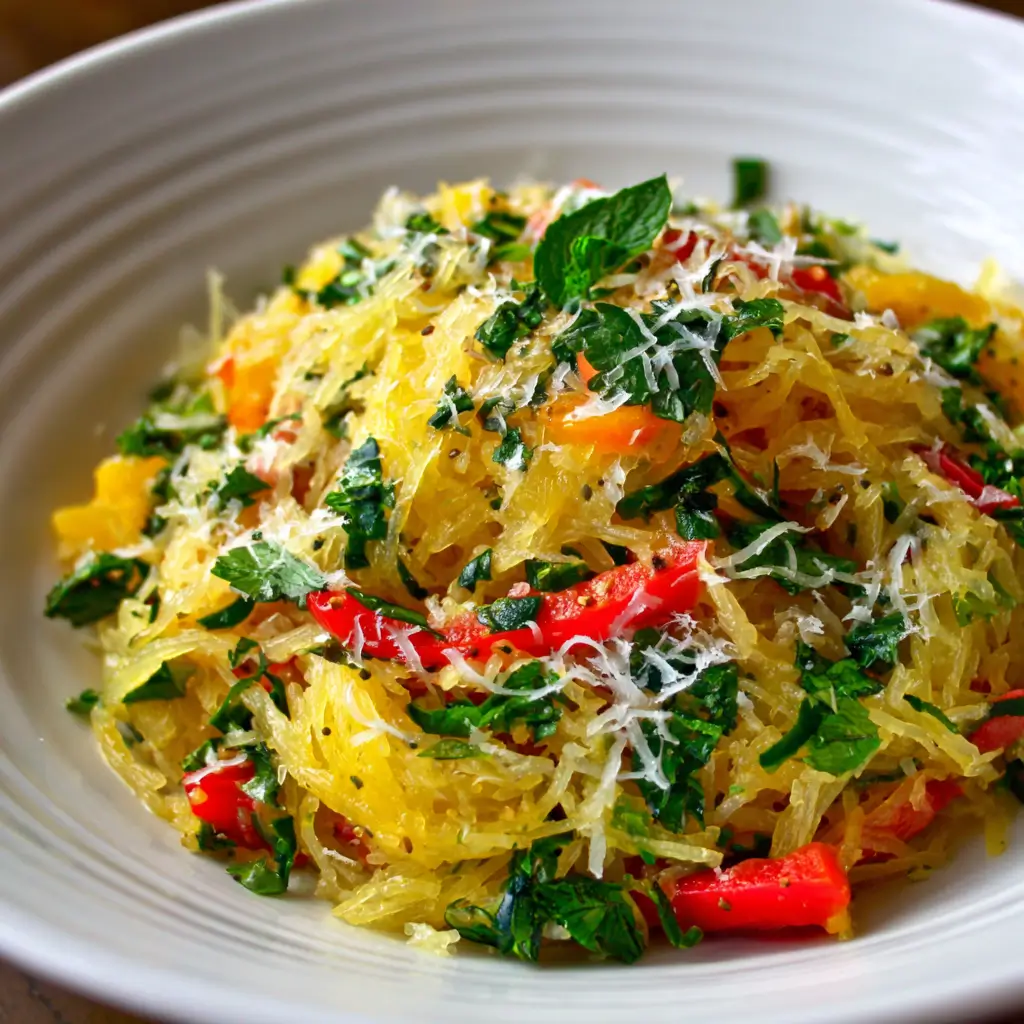
Spaghetti squash primavera is a vibrant, nutritious, and delicious twist on the classic Italian-American pasta dish, primavera. Instead of traditional wheat-based spaghetti, this version uses roasted spaghetti squash as the base, transforming it into tender, noodle-like strands that soak up the flavors of fresh seasonal vegetables and a light, savory sauce. This dish brings together the best of Mediterranean-inspired cooking—colorful produce, heart-healthy fats, and bold herbs—making it ideal for anyone seeking a wholesome, gluten-free, or low-carb alternative to conventional pasta dishes.
Beyond its health benefits, spaghetti squash primavera shines with its versatility. It can be customized to suit vegan, vegetarian, dairy-free, or omnivore diets with ease. Whether you’re preparing a weeknight dinner, meal prepping for the days ahead, or hosting a casual gathering, this dish delivers restaurant-quality taste with minimal effort. Its bright colors and aromatic seasonings make it as pleasing to the eye as it is satisfying to the palate. Let’s dive into the fascinating history behind this modern comfort food and learn how to prepare it perfectly every time.
The History
The term “primavera” means “spring” in both Italian and Spanish, and the dish known as “pasta primavera” was born out of a fusion of Italian culinary traditions and American innovation. While the concept of tossing pasta with fresh spring vegetables has roots in Italy, the specific dish gained international fame in the 1970s at Le Cirque, a renowned restaurant in New York City. According to culinary lore, chef Sirio Maccioni created pasta primavera after an impromptu collaboration with visiting Italian chefs who wanted to craft a vegetable-rich dish using seasonal ingredients available in the U.S.
The original recipe featured fettuccine tossed with broccoli, zucchini, carrots, and peas in a creamy sauce, often enriched with Parmesan and butter. Over the decades, the dish evolved to reflect changing dietary preferences and a growing emphasis on health-conscious eating. Enter spaghetti squash—a winter squash that, when cooked, separates into stringy, spaghetti-like strands. Though native to North America and cultivated by indigenous peoples long before European contact, spaghetti squash rose to prominence in home kitchens during the late 20th century, particularly among those exploring low-carb or grain-free diets.
Combining spaghetti squash with the primavera concept was a natural progression. It preserved the essence of the original dish—fresh vegetables, aromatic herbs, and a light yet flavorful sauce—while reducing calories, carbohydrates, and allergens. Today, spaghetti squash primavera stands as a symbol of modern, adaptive cuisine: honoring tradition while embracing innovation, nutrition, and sustainability.
Ingredients Breakdown
Understanding each ingredient in spaghetti squash primavera allows you to appreciate not only the flavor profile but also the nutritional synergy that makes this dish so balanced and satisfying. Below is a detailed breakdown of the core components:
- Spaghetti Squash: The star of the dish, this oblong winter squash has a mild, slightly sweet flavor and a unique texture that mimics al dente pasta when roasted and shredded. It’s low in calories and carbohydrates compared to grain-based pasta and provides fiber, vitamin C, vitamin B6, potassium, and antioxidants like beta-carotene.
- Olive Oil: A cornerstone of Mediterranean cooking, extra-virgin olive oil adds richness, helps sauté vegetables evenly, and enhances the absorption of fat-soluble vitamins (A, D, E, K). It also contains heart-healthy monounsaturated fats and anti-inflammatory compounds.
- Garlic: Fresh garlic contributes depth and pungency, activating when heated to release allicin—a compound linked to immune support and cardiovascular health.
- Shallots or Yellow Onion: These alliums add sweetness and complexity. Shallots are milder and slightly more delicate, making them ideal for refined flavor profiles.
- Seasonal Vegetables: A rainbow of vegetables typically includes bell peppers (red, yellow, or orange), zucchini, yellow squash, cherry tomatoes, broccoli florets, carrots, and peas. Each brings color, crunch, fiber, and essential micronutrients such as vitamin A, vitamin C, folate, and potassium.
- Fresh Herbs: Basil, parsley, and sometimes thyme or oregano are used to finish the dish. Basil, in particular, pairs beautifully with tomatoes and adds a fragrant, slightly peppery note.
- Lemon Juice: Brightens the entire dish, cutting through richness and enhancing freshness. It also boosts vitamin C content.
- Salt and Pepper: Essential seasonings that enhance flavor balance. Use sea salt or kosher salt for better texture and mineral content.
- Optional Add-ins: For added protein and creaminess, many versions include grated Parmesan cheese, crumbled feta, goat cheese, pine nuts, toasted almonds, grilled chicken, shrimp, or white beans. Vegan alternatives might use nutritional yeast or cashew cream.
Step-by-Step Recipe
Creating spaghetti squash primavera from scratch is simpler than it sounds. Follow these detailed steps for a perfectly roasted squash and crisp-tender vegetables every time.
- Preheat the Oven: Set your oven to 400°F (200°C). Line a large baking sheet with parchment paper or lightly grease it with olive oil to prevent sticking.
- Prepare the Spaghetti Squash: Wash the exterior of one medium spaghetti squash (about 2.5–3 pounds). Carefully cut it in half lengthwise using a sharp, sturdy chef’s knife. Use a spoon to scoop out the seeds and fibrous pulp from the center cavity. Reserve the seeds if desired—they can be roasted like pumpkin seeds.
- Rose the Squash: Place the halves cut-side up on the prepared baking sheet. Drizzle each half with about 1 tablespoon of olive oil and sprinkle lightly with salt and pepper. Roast in the preheated oven for 35–45 minutes, depending on size, until the flesh is tender and easily pierced with a fork. The edges may begin to caramelize slightly.
- Cool and Shred: Remove the squash from the oven and let it cool for 10–15 minutes. Once cool enough to handle, use a fork to scrape the inside of each half in long, upward motions. The flesh will separate into spaghetti-like strands. Transfer the strands to a large bowl and set aside. Reduce oven temperature to 375°F (190°C) if roasting vegetables.
- Prep the Vegetables: While the squash is roasting, wash and chop your chosen vegetables into uniform sizes for even cooking. Suggested amounts for four servings:
- 1 red bell pepper, thinly sliced
- 1 small zucchini, halved and sliced
- 1 small yellow squash, sliced
- 1 cup broccoli florets
- 1/2 cup sliced carrots
- 1/2 cup cherry tomatoes, halved
- 1/2 cup frozen peas (thawed)
- Sauté the Aromatics: In a large skillet over medium heat, warm 2 tablespoons of olive oil. Add 1 finely chopped shallot (or 1/2 small onion) and cook for 3–4 minutes until translucent. Stir in 3 cloves of minced garlic and cook for another 30 seconds until fragrant—do not let it burn.
- Cook the Vegetables: Increase heat to medium-high. Add the harder vegetables first—carrots and broccoli—and sauté for 4–5 minutes. Then add bell peppers, zucchini, and yellow squash, cooking for another 5–6 minutes until crisp-tender. Finally, stir in cherry tomatoes and peas, cooking just until warmed through (about 2 minutes).
- Combine and Season: Add the shredded spaghetti squash to the skillet with the vegetables. Toss gently to combine. Squeeze in the juice of half a lemon (about 1–2 tablespoons), then season generously with salt, black pepper, and 1 teaspoon dried Italian herbs (or 1 tablespoon fresh basil and parsley). Adjust acidity and seasoning to taste.
- Finish and Serve: Remove from heat. If using cheese, stir in 1/4–1/2 cup grated Parmesan or crumbled feta. Garnish with additional fresh herbs and a drizzle of olive oil if desired. Serve immediately while warm.
Tips
- Choose the Right Squash: Look for a firm, heavy spaghetti squash with a pale yellow rind and no soft spots. Medium-sized squashes yield the best texture—not too watery, not too stringy.
- Speed Up Cooking: To save time, microwave the whole squash for 3–5 minutes before cutting to soften the skin. Alternatively, pierce the squash several times with a knife and microwave each half for 8–10 minutes instead of roasting.
- Avoid Sogginess: After shredding, place the spaghetti squash on a clean kitchen towel or paper towels and gently press to remove excess moisture, especially if you plan to store leftovers.
- Roast the Veggies Too: For deeper flavor, toss chopped vegetables with olive oil, salt, and pepper, then roast them on a separate tray at 400°F for 20–25 minutes alongside the squash.
- Layer Flavors: Add a splash of white wine to the pan after sautéing garlic to deglaze and build a more complex sauce base.
- Use Fresh Garlic: Pre-minced garlic from jars lacks the punch of freshly crushed cloves. Always opt for fresh when possible.
- Don’t Overcook: Keep vegetables vibrant and slightly crisp to maintain texture contrast against the soft squash.
- Make Ahead: Roast the squash and chop vegetables up to two days in advance. Store separately in airtight containers and combine when ready to cook.
Variations and Customizations
One of the greatest strengths of spaghetti squash primavera is its adaptability. Here are some creative ways to personalize the dish based on dietary needs, flavor preferences, or what’s in season:
- Vegan Version: Skip animal products entirely. Use nutritional yeast instead of Parmesan for a cheesy, umami flavor. Add toasted pine nuts or walnuts for richness and crunch.
- Gluten-Free: Naturally gluten-free, this dish is safe for those with celiac disease or gluten sensitivity—just ensure all added ingredients (like broth or sauces) are certified GF.
- Protein-Packed: Stir in grilled chicken strips, shrimp, tofu cubes, tempeh, chickpeas, or lentils to transform it into a complete meal.
- Creamy Twist: For a richer sauce, mix in 2–3 tablespoons of mascarpone, ricotta, or Alfredo-style cashew cream.
- Pesto Infusion: Swirl in 2–3 tablespoons of homemade or store-bought pesto (basil, kale, or sun-dried tomato) for an herby, nutty upgrade.
- Seafood Delight: Add scallops, clams, or crabmeat during the final minutes of cooking for a luxurious coastal flair.
- Spicy Kick: Include red pepper flakes, diced jalapeño, or a dash of hot sauce for heat lovers.
- Low-FODMAP Option: Replace garlic and onions with chives or garlic-infused oil, and avoid high-FODMAP veggies like cauliflower and peas.
- Winter Variation: Swap summer vegetables for roasted butternut squash, kale, Brussels sprouts, and mushrooms during colder months.
- Mediterranean Style: Add kalamata olives, artichoke hearts, capers, and feta cheese for a Greek-inspired twist.
Health Considerations and Nutritional Value
Spaghetti squash primavera isn’t just tasty—it’s a powerhouse of nutrients that supports overall wellness. Here’s a closer look at its health benefits and considerations:
- Low in Calories and Carbs: One cup of cooked spaghetti squash contains only about 40 calories and 10 grams of carbohydrates (compared to ~200 calories and 40+ grams in regular pasta), making it ideal for weight management and blood sugar control.
- Rich in Fiber: With 2–3 grams of fiber per cup, this dish aids digestion, promotes satiety, and helps regulate cholesterol levels.
- Vitamin-Rich: Packed with vitamins A (from beta-carotene in squash and carrots), C (from bell peppers and tomatoes), and K (from leafy greens like broccoli), it supports immune function, skin health, and bone strength.
- Antioxidant Boost: Colorful vegetables provide polyphenols and carotenoids that combat oxidative stress and inflammation.
- Heart-Healthy Fats: Olive oil contributes monounsaturated fats that support cardiovascular health and improve lipid profiles.
- Hydration Support: High water content in squash and vegetables helps maintain hydration and cellular function.
- Dietary Flexibility: Easily tailored for diabetes-friendly, keto (with modifications), plant-based, and heart-healthy eating patterns.
- Considerations: Be mindful of portion sizes when adding cheese, oils, or proteins. Those with nightshade sensitivities may need to avoid tomatoes, peppers, and eggplant. Always consult a healthcare provider for personalized advice, especially if managing chronic conditions.
Estimated Nutritional Profile (per serving, serves 4):
| Calories | Approx. 180–220 kcal |
| Total Fat | 10–12g (mostly unsaturated) |
| Saturated Fat | 2–3g (higher if cheese is added) |
| Carbohydrates | 20–25g |
| Dietary Fiber | 5–7g |
| Sugars | 8–10g (naturally occurring) |
| Protein | 5–8g (varies with add-ins) |
| Sodium | 300–500mg (adjustable by salt use) |
Ingredients
- 1 medium spaghetti squash (about 2.5–3 lbs)
- 3 tablespoons extra-virgin olive oil, divided
- Salt and freshly ground black pepper, to taste
- 1 shallot or ½ small yellow onion, finely chopped
- 3 cloves garlic, minced
- 1 red bell pepper, sliced
- 1 small zucchini, sliced
- 1 small yellow squash, sliced
- 1 cup broccoli florets
- ½ cup sliced carrots
- ½ cup cherry tomatoes, halved
- ½ cup frozen peas, thawed
- Juice of ½ lemon
- 1 teaspoon dried Italian seasoning (or 1 tbsp fresh herbs)
- ¼–½ cup grated Parmesan cheese or feta (optional)
- Fresh basil or parsley, chopped (for garnish)
Directions
- Preheat oven to 400°F (200°C). Line a baking sheet with parchment paper.
- Cut spaghetti squash in half lengthwise and scoop out seeds. Drizzle cut sides with 1 tbsp olive oil, season with salt and pepper.
- Place halves cut-side up on baking sheet and roast for 35–45 minutes until tender. Let cool slightly, then shred flesh with a fork into strands. Set aside.
- In a large skillet over medium heat, warm 2 tbsp olive oil. Add shallot and sauté for 3–4 minutes until soft.
- Add garlic and cook for 30 seconds until fragrant.
- Add carrots and broccoli; sauté 4–5 minutes. Add bell pepper, zucchini, and yellow squash; cook 5–6 minutes more.
- Stir in cherry tomatoes and peas; cook 2 minutes until warmed.
- Add shredded spaghetti squash, lemon juice, Italian seasoning, salt, and pepper. Toss well to combine.
- Remove from heat. Stir in cheese if using. Garnish with fresh herbs and serve warm.
FAQ
Q: Can I make spaghetti squash primavera ahead of time?
Yes! Roast the squash and chop the vegetables up to two days in advance. Store them separately in airtight containers. Reheat vegetables briefly before combining with the squash, or enjoy cold as a salad.
Q: How do I store leftovers?
Keep in an airtight container in the refrigerator for up to 4 days. Reheat gently in a skillet over medium heat to preserve texture.
Q: Can I freeze this dish?
While technically possible, freezing may cause the vegetables and squash to become mushy upon thawing. Best enjoyed fresh or refrigerated.
Q: Is spaghetti squash primavera good for weight loss?
Yes, due to its low calorie and carbohydrate content, high fiber, and nutrient density, it’s an excellent choice for those managing weight.
Q: What can I use instead of spaghetti squash?
Zucchini noodles (zoodles), carrot noodles, or shirataki noodles are great low-carb substitutes, though they lack the same hearty texture.
Q: Can I cook the squash in the microwave?
Absolutely. Pierce the whole squash several times, microwave on high for 10–12 minutes, let rest 5 minutes, then slice and seed before microwaving the halves for another 8–10 minutes.
Q: Why is my spaghetti squash watery?
Overcooking or not draining excess liquid can lead to sogginess. Always allow proper roasting time and consider patting the strands dry before mixing.
Q: Can I add meat?
Yes! Grilled chicken, shrimp, sausage, or turkey meatballs pair wonderfully. Add them at the end to warm through.
Summary
Spaghetti squash primavera is a nutritious, colorful, and adaptable dish that combines the wholesome goodness of roasted squash with a medley of fresh vegetables in a light, herb-infused sauce. Perfect for healthy eaters, vegetarians, and anyone craving a comforting yet guilt-free meal.