Sheet Pan Honey Garlic Chicken: A Complete Guide to the Perfect One-Pan Meal
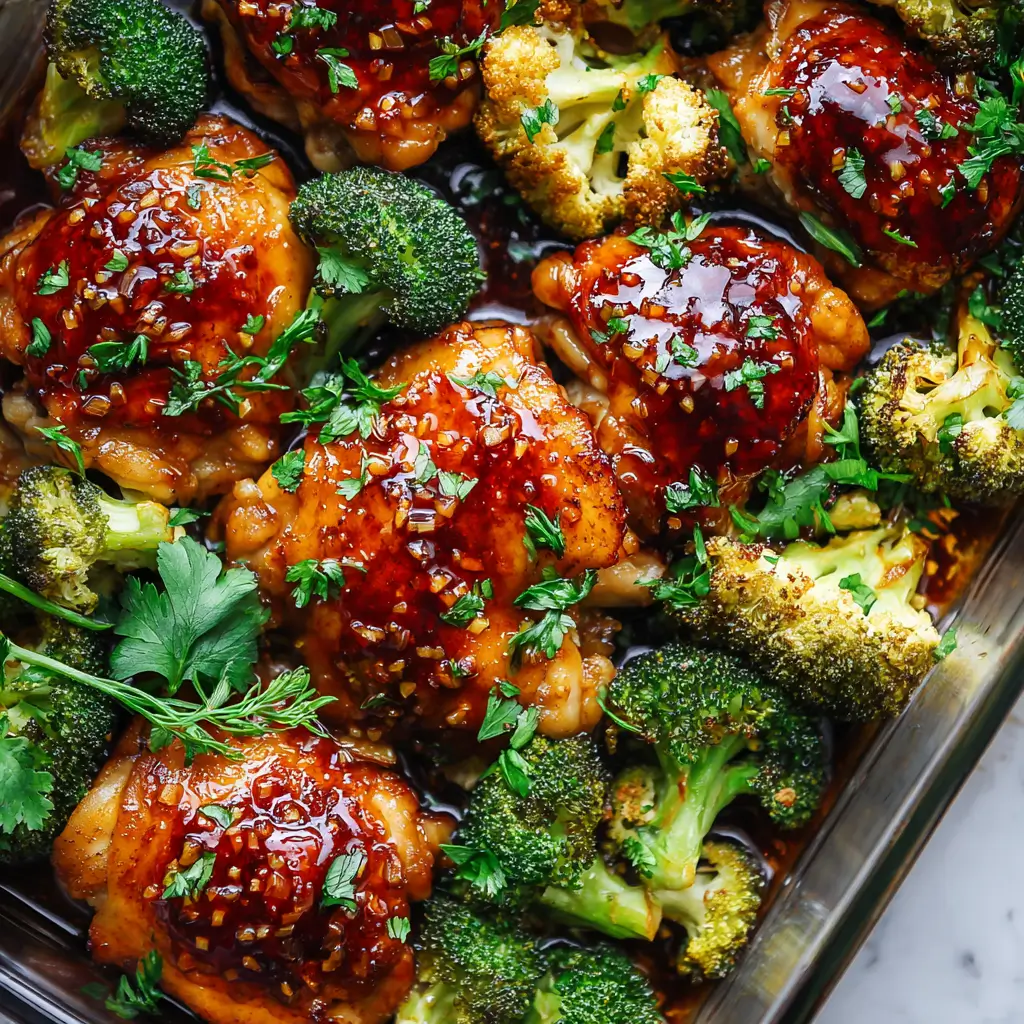
If you’re searching for a delicious, easy-to-make, and family-friendly dinner that requires minimal cleanup, look no further than Sheet Pan Honey Garlic Chicken. This modern classic has taken home kitchens by storm thanks to its bold flavors, simple preparation, and efficient cooking method. By combining juicy chicken thighs or breasts with a sweet and savory honey garlic sauce and roasting everything on a single sheet pan, this recipe delivers maximum flavor with minimum effort. Whether you’re a beginner cook or a seasoned home chef, this guide will walk you through every aspect of creating the perfect Sheet Pan Honey Garlic Chicken—complete with history, ingredients, step-by-step instructions, tips, variations, nutritional insights, and more.
The History of Sheet Pan Meals and Honey Garlic Chicken
Sheet pan meals have roots in both European and American culinary traditions, where roasting meats and vegetables together on large trays was a common practice in bakeries and communal kitchens. However, the modern popularity of “sheet pan dinners” surged in the 2010s as busy families and health-conscious individuals sought quick, nutritious, and low-mess meal solutions. These one-pan wonders became staples in meal prep routines and weeknight menus alike.
Honey garlic chicken, on the other hand, draws inspiration from Chinese-American cuisine, particularly dishes like Honey Garlic Sauce Chicken found in North American Chinese takeout restaurants. The combination of honey’s natural sweetness and garlic’s pungent depth creates a sauce that’s both sticky and aromatic—perfect for glazing proteins. Over time, home cooks began adapting these takeout favorites into healthier oven-baked versions, leading to the creation of the now-iconic Sheet Pan Honey Garlic Chicken. Its evolution reflects a broader trend toward simplifying complex flavors and making gourmet-style meals accessible in everyday kitchens.
Ingredients Breakdown: What Makes This Dish Shine
The beauty of Sheet Pan Honey Garlic Chicken lies in its simplicity and balance of ingredients. Each component plays a crucial role in building layers of flavor, texture, and nutrition. Here’s a detailed breakdown:
- Chicken (Thighs or Breasts): Boneless, skin-on or skinless chicken thighs are preferred for their juiciness and ability to absorb flavors without drying out. However, chicken breasts can be used for a leaner option—just be careful not to overcook them.
- Honey: Raw or pure honey adds natural sweetness and helps create a glossy glaze. It also aids in caramelization during roasting, giving the chicken a beautiful golden-brown finish.
- Fresh Garlic: Minced fresh garlic is essential for authentic flavor. Avoid jarred minced garlic when possible, as it often contains preservatives that alter taste.
- Soy Sauce (Low-Sodium Recommended): Provides umami depth and saltiness. Using low-sodium soy sauce allows better control over the dish’s overall salt content.
- Olive Oil or Avocado Oil: Helps coat the chicken and vegetables evenly, promotes browning, and carries flavor throughout the dish.
- Lime Juice or Rice Vinegar: Adds brightness and balances the sweetness of the honey. Fresh citrus juice enhances the overall complexity of the sauce.
- Ground Ginger or Fresh Ginger: Imparts warmth and a subtle spiciness that complements the garlic and honey perfectly.
- Red Pepper Flakes (Optional): For those who enjoy a bit of heat, red pepper flakes add a gentle kick that contrasts beautifully with the sweetness.
- Vegetables: Common choices include bell peppers (red, yellow, green), red onion, broccoli florets, zucchini, or carrots. These not only add color and nutrition but also soak up the flavorful sauce as they roast.
- Cornstarch (Optional Thickener): Sometimes added to the sauce to help it cling better to the chicken and develop a richer glaze consistency.
- Sesame Seeds and Green Onions (for garnish): Final touches that enhance presentation and add nutty, fresh notes.
Every ingredient works in harmony to create a dish that’s simultaneously sweet, salty, tangy, and aromatic—a true symphony of flavors on a single tray.
Step-by-Step Recipe: How to Make Sheet Pan Honey Garlic Chicken
Follow these detailed steps to make a flawless Sheet Pan Honey Garlic Chicken every time. This recipe serves 4–6 people and takes approximately 50 minutes from start to finish.
Ingredients:
- 1.5 lbs (680g) boneless, skinless chicken thighs or breasts, cut into 1.5-inch pieces
- 1/3 cup honey (preferably raw)
- 1/4 cup low-sodium soy sauce
- 3 tablespoons olive oil
- 5 cloves garlic, minced
- 1 tablespoon fresh ginger, grated
- 2 tablespoons lime juice or rice vinegar
- 1/2 teaspoon red pepper flakes (optional)
- 1 teaspoon cornstarch (optional, for thicker glaze)
- 1 red bell pepper, sliced
- 1 yellow bell pepper, sliced
- 1 medium red onion, cut into wedges
- 2 cups broccoli florets
- Salt and black pepper to taste
- Sesame seeds and chopped green onions for garnish
Directions:
- Preheat Oven: Preheat your oven to 400°F (200°C). Line a large rimmed baking sheet with parchment paper or lightly grease it with cooking spray to prevent sticking.
- Prepare the Sauce: In a medium bowl, whisk together honey, soy sauce, olive oil, minced garlic, grated ginger, lime juice, red pepper flakes, and cornstarch (if using). Mix until smooth and well combined. Taste and adjust seasoning if needed—add a splash more lime for acidity or honey for sweetness.
- Marinate the Chicken: Place the chicken pieces in a large mixing bowl. Pour half of the honey garlic sauce over the chicken and toss thoroughly to coat. Let it marinate for at least 15–20 minutes at room temperature (or up to 2 hours in the refrigerator for deeper flavor).
- Prepare Vegetables: While the chicken marinates, slice all vegetables uniformly so they cook evenly. Toss the vegetables in a separate bowl with 1–2 tablespoons of olive oil, salt, and pepper.
- Arrange on Sheet Pan: Spread the marinated chicken in a single layer on one side of the prepared baking sheet. On the other side, arrange the seasoned vegetables in an even layer, ensuring they aren’t overcrowded. Overcrowding leads to steaming instead of roasting, which reduces browning.
- Roast First Stage: Place the sheet pan in the preheated oven and roast for 20 minutes. This initial phase allows the chicken to begin cooking and the vegetables to soften slightly.
- Baste and Stir: After 20 minutes, remove the pan from the oven. Carefully baste the chicken with the remaining honey garlic sauce. Use tongs to flip the chicken pieces and stir the vegetables to ensure even cooking and caramelization.
- Continue Roasting: Return the pan to the oven and roast for another 15–20 minutes, or until the chicken reaches an internal temperature of 165°F (74°C) and the vegetables are tender-crisp with lightly browned edges.
- Broil (Optional): For extra caramelization and a glossy finish, switch the oven to broil for 2–3 minutes at the end. Watch closely to prevent burning.
- Garnish and Serve: Remove from oven and let rest for 5 minutes. Sprinkle with toasted sesame seeds and freshly chopped green onions before serving.
Tips for the Best Results
- Cut Uniformly: Ensure chicken and vegetables are cut into similar sizes for even cooking. Uneven pieces may result in some being undercooked while others dry out.
- Don’t Skip Marinating: Even a short 15-minute marinate makes a noticeable difference in flavor penetration.
- Use a Rimmed Baking Sheet: Prevents juices and sauce from spilling into the oven. A half-sheet pan (approx. 18×13 inches) is ideal.
- Avoid Overcrowding: If necessary, use two pans to give ingredients space. Crowding lowers the temperature and causes steaming.
- Rotate the Pan: Halfway through cooking, rotate the pan front to back for even heat distribution, especially in ovens with hot spots.
- Check Internal Temperature: Always use a meat thermometer to ensure chicken is fully cooked but not overdone.
- Let It Rest: Allowing the chicken to rest for 5 minutes after roasting helps retain moisture.
- Double the Sauce? Save Some! Consider doubling the sauce and setting aside a portion before adding to raw chicken, so you have clean sauce for drizzling after cooking.
Variations and Customizations
One of the greatest strengths of Sheet Pan Honey Garlic Chicken is its adaptability. Here are creative ways to customize it based on dietary needs, preferences, or what you have on hand:
- Gluten-Free Version: Replace soy sauce with tamari or a certified gluten-free soy sauce alternative.
- Dairy-Free & Nut-Free: This recipe is naturally free of dairy and nuts, making it suitable for many allergy-sensitive diets.
- Keto-Friendly Option: Substitute honey with a keto-approved sugar-free syrup like allulose-based honey alternative, and reduce or omit cornstarch.
- Vegetarian/Vegan Twist: Replace chicken with tofu, tempeh, or chickpeas. Press and cube firm tofu, then marinate and roast alongside vegetables.
- Spicy Version: Increase red pepper flakes or add sriracha, chili garlic paste, or sliced fresh jalapeños to the sauce.
- Fruit Additions: Add pineapple chunks or orange slices for a tropical flair—the fruit caramelize beautifully and pair wonderfully with honey garlic flavors.
- Herb Infusion: Stir in fresh cilantro, Thai basil, or mint after cooking for a burst of freshness.
- Different Veggies: Try baby potatoes, Brussels sprouts, asparagus, mushrooms, or cherry tomatoes depending on seasonality.
- Cooking Method Variations: Adapt this recipe for the air fryer (in batches) or grill (using a grilling basket for veggies).
Health Considerations and Nutritional Value
Sheet Pan Honey Garlic Chicken can be a balanced and nutritious meal when prepared thoughtfully. Here’s a general nutritional breakdown per serving (based on 6 servings, including chicken and vegetables):
- Calories: ~320–380 kcal
- Protein: ~28–32g (Excellent source of lean protein)
- Fat: ~12–15g (Mostly healthy fats from olive oil)
- Carbohydrates: ~28–35g (Primarily from honey and vegetables)
- Sugar: ~20–25g (Mainly from honey; natural but should be consumed in moderation)
- Sodium: ~500–700mg (Lower if using low-sodium soy sauce)
- Fiber: ~3–5g (From colorful vegetables)
Health Benefits:
- High-Quality Protein: Supports muscle maintenance, satiety, and metabolic health.
- Antioxidant-Rich: Garlic and ginger contain compounds with anti-inflammatory and immune-boosting properties.
- Heart-Healthy Fats: Olive oil contributes monounsaturated fats linked to improved cardiovascular health.
- Vitamins and Minerals: Bell peppers (vitamin C), broccoli (vitamin K, fiber), and onions (prebiotics) enhance micronutrient intake.
Considerations:
- Sugar Content: Honey is natural but still high in sugars. Those managing blood sugar (e.g., diabetics) should monitor portions or use alternatives.
- Sodium Awareness: Soy sauce is high in sodium. Opt for reduced-sodium versions and avoid adding extra salt.
- Balancing the Plate: Serve with quinoa, brown rice, or cauliflower rice to add fiber and complex carbs for a well-rounded meal.
Frequently Asked Questions (FAQ)
Q: Can I use frozen chicken?
A: Yes, but thaw it first for even cooking and better flavor absorption. Cooking from frozen may lead to uneven doneness and excess moisture.
Q: Can I prepare this ahead of time?
A: Absolutely! Marinate the chicken and chop the vegetables the night before. Store separately in airtight containers and assemble on the pan just before baking.
Q: How long do leftovers last?
A: Store cooled leftovers in an airtight container in the refrigerator for up to 4 days. Reheat in the oven or microwave.
Q: Can I freeze Sheet Pan Honey Garlic Chicken?
A: Yes, though vegetables may become softer upon thawing. Freeze in portioned containers for up to 3 months. Thaw overnight in the fridge before reheating.
Q: Why did my sauce turn out too thin/thick?
A: Thin sauce may need cornstarch slurry (mix 1 tsp cornstarch with 1 tbsp water). Thick sauce can be thinned with a splash of water, broth, or lime juice.
Q: Can I use honey substitutes?
A: Maple syrup, agave nectar, or date syrup can replace honey, though flavor will vary slightly. For sugar-free options, use monk fruit syrup or allulose blends.
Q: Is this recipe kid-friendly?
A: Yes! Most children love the sweet and mild garlicky flavor. You can reduce garlic or spice levels if needed.
Q: Can I cook everything at once or should I stagger timing?
A: For best results, place slower-cooking vegetables (like carrots or potatoes) in first, then add quicker-cooking ones (like zucchini or spinach) later. With standard veggies like peppers and broccoli, simultaneous cooking works well.
Summary
Sheet Pan Honey Garlic Chicken is a flavorful, fuss-free meal that brings together tender chicken, vibrant vegetables, and a sticky-sweet garlic sauce—all roasted on one pan for easy cleanup. Packed with bold tastes and wholesome ingredients, it’s perfect for busy weeknights, meal prep, or impressing guests without stress.