Sautéed Lemon Garlic Shrimp & Spinach: A Zesty, Nutrient-Packed Delight
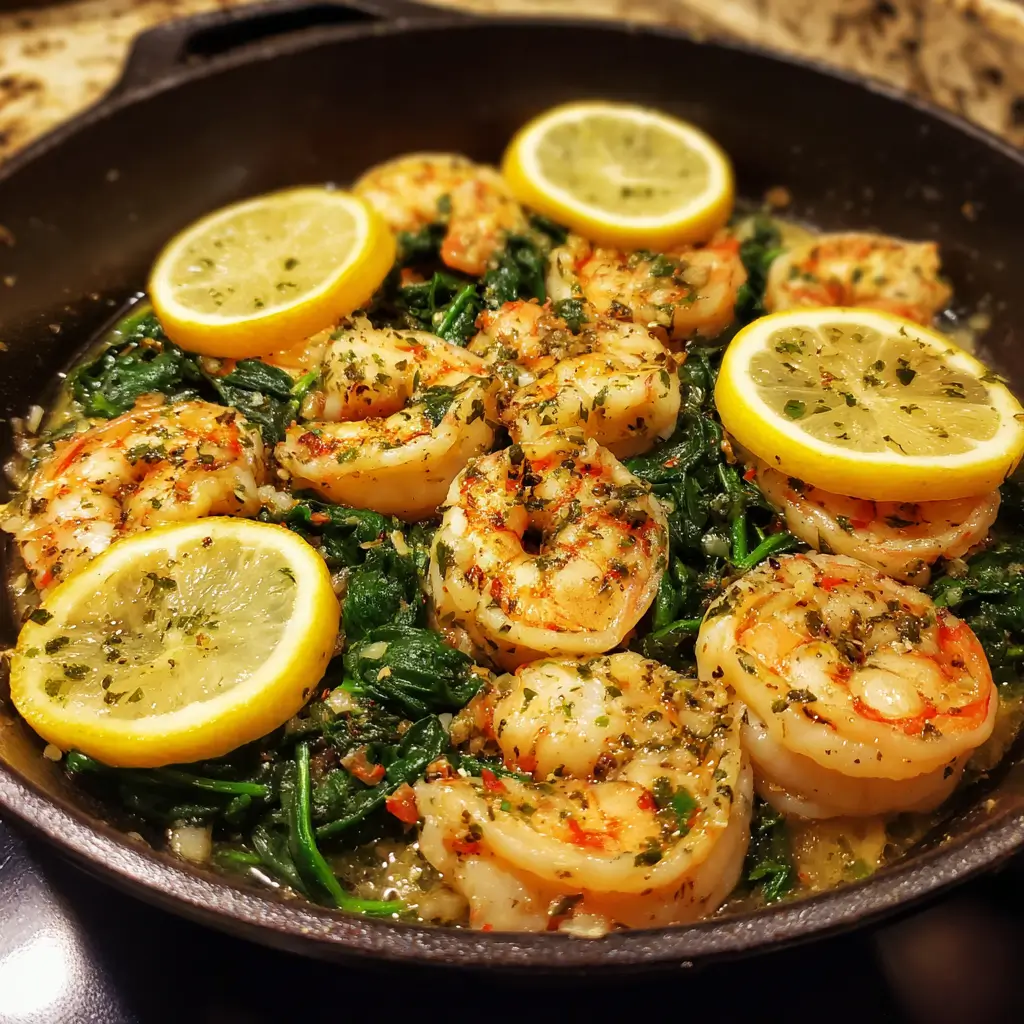
Sautéed Lemon Garlic Shrimp & Spinach is a vibrant, restaurant-quality dish that can be prepared in under 30 minutes with minimal effort. Bursting with bold flavors and fresh ingredients, this meal combines succulent shrimp, tender baby spinach, aromatic garlic, and the bright tang of lemon to create a dish that’s as nutritious as it is delicious. Whether you’re preparing a weeknight dinner for two or looking for a light yet satisfying entrée to impress guests, this recipe delivers on every level—flavor, texture, and health benefits. It’s low in carbs, high in protein, and rich in essential vitamins and antioxidants, making it a favorite among health-conscious food lovers and seafood enthusiasts alike.
The History of Sautéed Seafood and Greens
The tradition of sautéing seafood with vegetables and citrus traces back centuries across Mediterranean and coastal cuisines. In regions like Southern Italy, Greece, and Provence in France, simple cooking techniques using olive oil, garlic, lemon, and fresh herbs have long been used to highlight the natural sweetness of seafood. Shrimp, in particular, has been prized for its quick cooking time and delicate flavor, often paired with leafy greens such as spinach or Swiss chard to add color, nutrients, and earthiness. The combination of acidic lemon juice and pungent garlic not only enhances taste but also acts as a natural preservative and digestion aid—a hallmark of traditional culinary wisdom. Over time, this style of preparation has evolved into a modern classic, celebrated for its balance of simplicity and elegance, and embraced worldwide in both home kitchens and fine dining establishments.
Ingredients Breakdown: What Makes This Dish Shine
The magic of Sautéed Lemon Garlic Shrimp & Spinach lies in its carefully chosen ingredients, each playing a vital role in building layers of flavor and nutrition:
- Shrimp: Large or jumbo shrimp (peeled and deveined) are ideal for their meaty texture and ability to absorb flavors without overcooking. Opt for wild-caught when possible for sustainability and superior taste.
- Fresh Spinach: Baby spinach is preferred for its tender leaves and mild flavor, which wilts beautifully without becoming bitter. It adds fiber, iron, and a lush green base.
- Garlic: Freshly minced garlic provides a robust, savory backbone. When gently sautéed, it becomes sweet and aromatic rather than sharp.
- Lemon: Both zest and juice contribute a bright, citrusy punch that cuts through the richness of the oil and enhances the shrimp’s natural sweetness.
- Olive Oil: Extra virgin olive oil is used for its fruity aroma and heart-healthy monounsaturated fats, forming the foundation of the sauté.
- Shallot or Onion: Adds subtle sweetness and depth, enhancing the overall umami profile.
- Butter: A small amount enriches the sauce, giving it a silky mouthfeel and balancing the acidity of the lemon.
- Red Pepper Flakes: For a touch of heat—optional but recommended for those who enjoy a little spice.
- Fresh Herbs: Parsley or basil adds freshness and color, elevating both presentation and taste.
- Salt & Black Pepper: Essential seasonings to bring all components together.
Step-by-Step Recipe
Follow these detailed steps to create a perfectly balanced, flavorful dish every time:
- Prep Your Ingredients: Begin by peeling and deveining the shrimp if not already done. Pat them dry with paper towels to ensure they sear properly. Mince 4 cloves of garlic, finely chop one small shallot (or half a small onion), zest one lemon, and squeeze out about 3 tablespoons of fresh juice. Measure out 5 ounces (about 5 cups) of fresh baby spinach. Chop 2 tablespoons of fresh parsley. Have everything ready before heating the pan—this is key for fast-cooking dishes like this one.
- Heat the Pan: Place a large skillet or sauté pan over medium-high heat. Add 2 tablespoons of extra virgin olive oil and allow it to warm until shimmering but not smoking.
- Sear the Shrimp: Add the shrimp in a single layer, making sure not to overcrowd the pan. Season lightly with salt and black pepper. Cook for 1–2 minutes per side, just until the shrimp turn pink and opaque. Remove them from the pan and set aside on a plate—do not overcook at this stage.
- Sauté Aromatics: In the same pan, reduce the heat to medium. Add 1 tablespoon of unsalted butter along with the chopped shallot. Sauté for 1–2 minutes until softened. Stir in the minced garlic and a pinch of red pepper flakes (about ¼ teaspoon), cooking for another 30 seconds until fragrant—be careful not to burn the garlic.
- Wilt the Spinach: Increase the heat slightly and add the fresh spinach in batches, stirring constantly. The spinach will quickly begin to wilt down. Continue adding more until all the spinach is incorporated and fully wilted, about 2–3 minutes total.
- Add Lemon and Deglaze: Pour in the freshly squeezed lemon juice and use a wooden spoon to scrape up any browned bits from the bottom of the pan—these add incredible flavor. Let the liquid simmer for about 1 minute to mellow the acidity.
- Return Shrimp to Pan: Add the cooked shrimp back into the pan, tossing gently to reheat and coat them evenly with the sauce. Sprinkle in the lemon zest and stir to combine.
- Finish with Butter and Herbs: Remove the pan from heat. Stir in an additional tablespoon of cold butter (optional for richness) and the chopped parsley. The butter will emulsify into the sauce, creating a glossy finish.
- Taste and Adjust: Season with additional salt and pepper if needed. If desired, add a splash more lemon juice for brightness.
- Serve Immediately: Transfer to warmed plates or bowls. Garnish with extra parsley, a lemon wedge, and a sprinkle of red pepper flakes for visual appeal.
Tips for Perfect Results Every Time
- Don’t Overcook the Shrimp: Shrimp cook very quickly and become rubbery if left too long. They’re done when they turn opaque and form a loose “C” shape. A tight “O” means they’re overdone.
- Use Fresh Lemon Juice: Bottled lemon juice lacks the vibrant, clean flavor of fresh-squeezed. Always use real lemons for best results.
- Dry the Shrimp: Moisture prevents proper searing. Patting the shrimp dry ensures a nice golden exterior instead of steaming.
- Work in Batches: If doubling the recipe, avoid crowding the pan. Cook shrimp in batches to maintain consistent heat and prevent soggy textures.
- Keep Heat Controlled: Garlic burns easily. Keep the heat at medium when sautéing aromatics to avoid bitterness.
- Season in Layers: Lightly season the shrimp while searing, then adjust final seasoning at the end after combining all ingredients.
- Serve Right Away: This dish is best enjoyed immediately while the shrimp are tender and the spinach is vibrant.
- Save Leftovers Properly: Store leftovers in an airtight container in the refrigerator for up to 2 days. Reheat gently to avoid overcooking the shrimp.
Variations and Customizations
This versatile recipe lends itself beautifully to creative adaptations based on dietary preferences, seasonal availability, or cultural twists:
- Creamy Version: Stir in 2–3 tablespoons of heavy cream, crème fraîche, or coconut milk for a richer, velvety sauce.
- With White Wine: After sautéing the garlic, deglaze the pan with ½ cup of dry white wine (like Sauvignon Blanc or Pinot Grigio). Simmer until reduced by half before adding spinach.
- Protein Swap: Replace shrimp with scallops, chicken breast strips, or firm tofu for different textures and dietary needs.
- Greens Variation: Substitute spinach with kale, arugula, Swiss chard, or even bok choy. Adjust cooking time accordingly—kale may need longer to soften.
- Low-Fat Option: Skip the butter and use only olive oil for a lighter version. Use lemon zest generously to compensate for lost richness.
- Keto-Friendly: Naturally low in carbohydrates, this dish fits perfectly into a ketogenic diet. Serve with cauliflower rice or zucchini noodles.
- Gluten-Free: All ingredients are naturally gluten-free, making it safe for those with celiac disease or sensitivity.
- Mediterranean Twist: Add sun-dried tomatoes, kalamata olives, capers, and feta cheese for a Greek-inspired flair.
- Asian Fusion: Swap lemon for lime, add ginger, soy sauce, and a drizzle of sesame oil for an Eastern twist.
- Pasta Addition: Toss the finished dish with whole wheat spaghetti, linguine, or angel hair pasta for a heartier meal. Reserve some pasta water to help bind the sauce.
Health Considerations and Nutritional Value
Sautéed Lemon Garlic Shrimp & Spinach isn’t just tasty—it’s a powerhouse of nutrition. Here’s why it deserves a regular spot in your healthy eating plan:
- High-Quality Protein: Shrimp provides about 20 grams of lean protein per 3-ounce serving, supporting muscle maintenance and satiety.
- Low in Calories: A typical serving (about 1 cup) contains approximately 250–300 calories, depending on oil and butter usage.
- Rich in Antioxidants: Spinach is loaded with lutein, zeaxanthin, vitamin C, and beta-carotene, which support eye health and immune function.
- Heart-Healthy Fats: Olive oil contributes monounsaturated fats linked to reduced inflammation and improved cholesterol levels.
- Omega-3 Fatty Acids: Shrimp contain small amounts of anti-inflammatory omega-3s, beneficial for brain and cardiovascular health.
- Iron and Folate: Spinach is a good source of non-heme iron and folate, important for energy production and red blood cell formation.
- Vitamin K: One cup of cooked spinach offers over 100% of the daily recommended intake of vitamin K, crucial for blood clotting and bone health.
- Liver Support: Garlic contains allicin, a compound known for its antimicrobial and detoxifying properties.
- Digestive Benefits: The fiber in spinach promotes healthy digestion and gut microbiome balance.
- Cautions: Those with shellfish allergies should avoid this dish entirely. Individuals on blood thinners should monitor vitamin K intake due to its interaction with medications like warfarin. Also, be mindful of sodium content if using pre-seasoned shrimp or added salt.
Full Ingredient List
- 1 pound (450g) large or jumbo shrimp, peeled and deveined
- 5 ounces (about 5 cups) fresh baby spinach
- 4 cloves garlic, minced
- 1 small shallot, finely chopped (or ½ small yellow onion)
- Zest and juice of 1 large lemon (about 3 tbsp juice)
- 2 tablespoons extra virgin olive oil
- 2 tablespoons unsalted butter, divided
- ¼ teaspoon red pepper flakes (adjust to taste)
- 2 tablespoons fresh parsley, chopped (plus extra for garnish)
- Salt and freshly ground black pepper, to taste
Detailed Cooking Directions
- Pat the shrimp dry with paper towels and season lightly with salt and pepper.
- Heat olive oil in a large skillet over medium-high heat.
- Add shrimp in a single layer and cook 1–2 minutes per side until just pink and opaque. Transfer to a plate and set aside.
- Reduce heat to medium, add 1 tablespoon butter to the same pan, then sauté shallot for 1–2 minutes until soft.
- Stir in garlic and red pepper flakes; cook 30 seconds until fragrant.
- Increase heat to medium-high, add spinach in batches, stirring constantly until wilted (2–3 minutes).
- Pour in lemon juice, scraping up browned bits; simmer 1 minute.
- Return shrimp to the pan, toss to combine, and heat through.
- Remove from heat; stir in lemon zest, remaining 1 tablespoon butter, and chopped parsley.
- Taste and adjust seasoning with salt, pepper, or additional lemon juice.
- Serve immediately with optional sides like quinoa, crusty bread, or roasted vegetables.
Frequently Asked Questions (FAQ)
Can I use frozen shrimp?
Yes, but make sure to thaw them properly in the refrigerator overnight or under cold running water. Pat them very dry before cooking to prevent excess moisture and steaming.
Is it safe to eat undercooked shrimp?
No. Shrimp should be cooked until opaque and no longer translucent. Undercooked shrimp may carry bacteria like Vibrio, which can cause foodborne illness.
Can I make this ahead of time?
It’s best served fresh. However, you can prep ingredients (chop garlic, measure spices, wash spinach) ahead of time. Assemble and cook just before serving.
What can I serve with this dish?
Excellent pairings include garlic mashed potatoes, brown rice, couscous, farro, polenta, or a simple mixed green salad. For low-carb options, try zoodles or cauliflower rice.
Why did my sauce turn out watery?
This could happen if the shrimp were not dried properly or if too much liquid was released from the spinach. Make sure to drain any excess liquid and simmer briefly to reduce the sauce.
Can I freeze leftovers?
Not recommended. Shrimp tend to become tough and rubbery when reheated after freezing. It’s better to store in the fridge and consume within 1–2 days.
How do I know when spinach is fully cooked?
Spinach is done when it has completely wilted and turned deep green, usually within 2–3 minutes of cooking. Avoid overcooking, which can lead to nutrient loss and mushiness.
Can I use garlic powder instead of fresh garlic?
Fresh garlic is strongly recommended for optimal flavor. If necessary, substitute ½ teaspoon garlic powder, but add it earlier in the cooking process to distribute evenly.
Is this dish suitable for weight loss diets?
Yes, especially if you reduce butter and oil slightly. High in protein and low in carbs, it helps keep you full longer without excessive calories.
Can I add other vegetables?
Absolutely! Bell peppers, cherry tomatoes, mushrooms, or asparagus can be sautéed alongside the shallots for added color and nutrition.
Summary
Sautéed Lemon Garlic Shrimp & Spinach is a quick, elegant dish that balances bold flavors with wholesome nutrition. Ready in under 30 minutes, it’s perfect for healthy weeknight dinners or impressive date-night meals.