Introduction
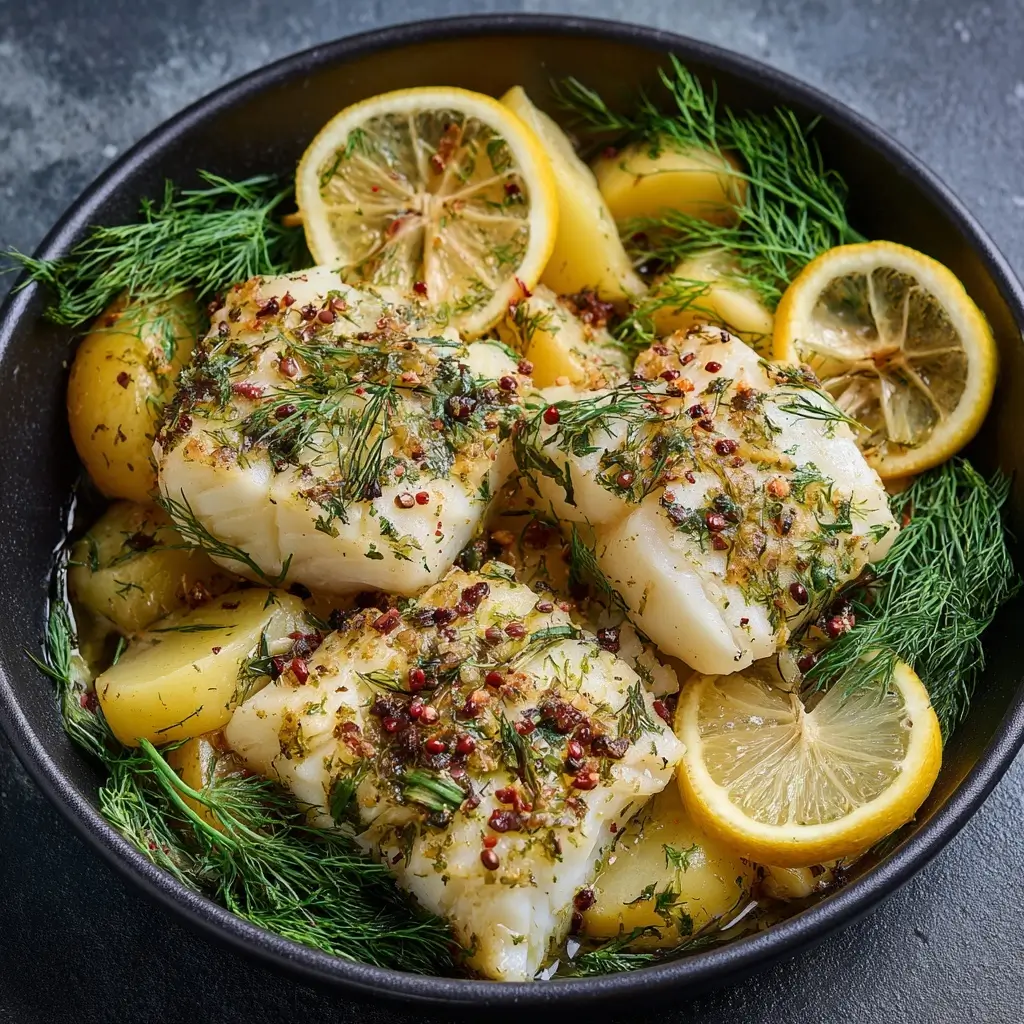
Lemon & Dill Baked Cod is a vibrant, healthy, and elegant dish that brings together the delicate flavor of cod with the bright tang of fresh lemon and the herbal freshness of dill. Perfect for both weeknight dinners and special occasions, this recipe is simple enough for novice cooks yet sophisticated enough to impress dinner guests. Cod, known for its mild taste and flaky texture, serves as an ideal canvas for the zesty citrus and aromatic herbs, creating a harmonious balance of flavors. Whether you’re looking for a light meal rich in protein and omega-3 fatty acids or simply craving something fresh and delicious, this baked cod recipe delivers on every level. With minimal prep time and easy cleanup, it’s an excellent addition to any home cook’s repertoire.
The History
Cod has been a staple in coastal cuisines around the world for centuries, especially in Northern Europe and Scandinavia, where cold waters provide ideal conditions for this firm white fish. Historically, cod was often salted and dried (as in the famous “saltfish” or “bacalhau”) to preserve it for long voyages and winter months. However, with modern refrigeration and global fishing practices, fresh cod became widely available and began appearing in a variety of culinary traditions. The pairing of lemon and dill with fish dates back to ancient times—lemon juice was used not only for flavor but also as a natural preservative and tenderizer, while dill, native to the Mediterranean and Western Asia, has long been associated with digestion and fish dishes. In Nordic countries like Sweden and Norway, dill is a quintessential herb used in gravlax, pickled herring, and baked fish recipes. Over time, the combination of lemon and dill found its way into mainstream European and American cooking, becoming a classic flavor profile for seafood. Today, Lemon & Dill Baked Cod reflects a fusion of traditional techniques and modern health-conscious cooking, celebrating simplicity, freshness, and clean eating.
Ingredients Breakdown
- Cod Fillets: 4 (6 oz each) skinless cod fillets – Fresh or previously frozen cod works well. Look for firm, translucent flesh with no strong odor.
- Fresh Lemon: 1 large lemon – Zested and juiced. The zest provides intense citrus aroma, while the juice adds acidity and brightness.
- Fresh Dill: 3 tablespoons chopped – Fresh dill is essential for authentic flavor; avoid dried dill if possible, as it lacks vibrancy.
- Extra Virgin Olive Oil: 3 tablespoons – Adds moisture and richness while helping distribute flavors evenly.
- Minced Garlic: 2 cloves – Offers a subtle pungency that complements the fish without overpowering it.
- Salt: ¾ teaspoon kosher salt – Enhances overall flavor and helps draw out moisture for better texture.
- Black Pepper: ½ teaspoon freshly ground black pepper – Adds mild heat and depth.
- Onion Powder: ¼ teaspoon – Provides a savory background note.
- Paprika: ¼ teaspoon (optional) – For a hint of warmth and color.
- Butter (unsalted): 2 tablespoons (optional) – For added richness and a silky sauce when melted over the top.
- White Wine (dry): ¼ cup (optional) – Helps deglaze the pan and infuse extra flavor during baking.
- Cherry Tomatoes or Sliced Lemons: For garnish and visual appeal.
This ingredient list emphasizes fresh, whole foods that highlight the natural qualities of the fish. Each component plays a role in building layers of flavor while keeping the dish light and nutritious.
Step-by-Step Recipe
- Preheat the Oven: Begin by preheating your oven to 400°F (200°C). Line a baking sheet with parchment paper or lightly grease it with olive oil to prevent sticking.
- Prepare the Cod: Pat the cod fillets dry with paper towels. This step is crucial—it ensures proper browning and prevents excess moisture from pooling during baking.
- Season the Fish: Place the fillets on the prepared baking sheet. Season both sides evenly with salt, black pepper, onion powder, and paprika (if using).
- Make the Lemon-Dill Mixture: In a small bowl, combine the olive oil, lemon juice, lemon zest, minced garlic, chopped dill, and optional white wine. Whisk until well blended.
- Coat the Fillets: Spoon or brush the lemon-dill mixture generously over the top of each fillet, making sure to cover the surface completely. If using butter, dot the top of each fillet with small pieces of butter so it melts into the fish as it bakes.
- Add Aromatics (Optional): Arrange lemon slices or halved cherry tomatoes around the fish for added flavor and presentation.
- Bake: Transfer the baking sheet to the preheated oven. Bake for 12–15 minutes, depending on the thickness of the fillets. The fish is done when it flakes easily with a fork and reaches an internal temperature of 145°F (63°C).
- Rest and Garnish: Remove from the oven and let the cod rest for 2–3 minutes. Sprinkle with additional fresh dill and a squeeze of fresh lemon juice before serving.
- Serve: Serve immediately, ideally with a side of roasted vegetables, quinoa, mashed potatoes, or a crisp green salad.
Tips
- Choose High-Quality Cod: Look for sustainably sourced cod with firm, moist flesh. Avoid fillets that appear grayish or have a strong fishy smell.
- Don’t Overcook: Cod cooks quickly and can become dry if left in the oven too long. Keep a close eye after the 12-minute mark.
- Use Fresh Herbs: Dried dill cannot replicate the bright, grassy flavor of fresh dill. If absolutely necessary, use 1 teaspoon of dried dill, but expect a milder result.
- Enhance Flavor with Wine: Adding a splash of dry white wine (like Sauvignon Blanc or Pinot Grigio) to the sauce enhances complexity and balances acidity.
- Even Thickness: If your fillets vary in thickness, gently press thicker areas with your fingers or fold under thinner edges to promote even cooking.
- Let It Rest: Allowing the fish to rest briefly after baking helps retain juices and improves texture.
- Double the Sauce: Consider doubling the lemon-dill sauce if you plan to serve this with grains or want extra flavor drizzled at the table.
- Broil for Color (Optional): For a golden finish, switch the oven to broil for the last 1–2 minutes, watching closely to avoid burning.
Variations and Customizations
- Herb Swaps: Substitute dill with parsley, tarragon, chives, or a mix of herbs for a different flavor profile.
- Spicy Kick: Add a pinch of red pepper flakes or a dash of hot sauce to the marinade for some heat.
- Creamy Version: Mix in 2 tablespoons of Greek yogurt or crème fraîche into the sauce before baking for a richer, creamier topping.
- Citrus Variations: Use lime or orange instead of lemon for a tropical twist. Grapefruit can also work for a more bitter, bold flavor.
- Cod Alternatives: This recipe works equally well with other white fish such as halibut, haddock, sea bass, or tilapia.
- Crumb Topping: For added texture, sprinkle panko breadcrumbs mixed with Parmesan cheese and olive oil over the top before baking.
- Asian-Inspired Twist: Replace dill with cilantro and add ginger, soy sauce, and sesame oil for an Eastern flavor fusion.
- Stuffed Cod: Make a pocket in each fillet and stuff with a mixture of capers, olives, sun-dried tomatoes, and feta cheese before baking.
- Sheet Pan Dinner: Arrange sliced potatoes, asparagus, zucchini, or bell peppers around the fish and roast everything together for a complete one-pan meal.
- Dairy-Free Option: Omit butter entirely or replace it with a plant-based alternative to keep the dish dairy-free.
Health Considerations and Nutritional Value
Cod is a lean source of high-quality protein, low in calories and saturated fat, making it an excellent choice for heart-healthy and weight-conscious diets. A 6-ounce serving of baked cod contains approximately 140–160 calories, 30–35 grams of protein, and less than 2 grams of fat. It’s rich in essential nutrients such as vitamin B12 (important for nerve function), phosphorus (for bone health), selenium (a powerful antioxidant), and iodine (crucial for thyroid function). The addition of olive oil contributes heart-healthy monounsaturated fats, which support cholesterol balance. Lemons provide a boost of vitamin C—an immune-supportive antioxidant that also enhances iron absorption from plant-based foods. Fresh dill offers anti-inflammatory properties and may aid digestion. Together, these ingredients form a nutrient-dense, balanced meal that supports metabolic health, muscle repair, and overall wellness. This dish is naturally gluten-free and can be adapted to fit paleo, keto (with modifications), and Mediterranean diet patterns. To reduce sodium content, use low-sodium seasoning or omit added salt altogether, relying on herbs and citrus for flavor.
Ingredients
- 4 (6 oz) skinless cod fillets
- 1 large lemon (zested and juiced)
- 3 tablespoons fresh dill, finely chopped
- 3 tablespoons extra virgin olive oil
- 2 cloves garlic, minced
- ¾ teaspoon kosher salt
- ½ teaspoon freshly ground black pepper
- ¼ teaspoon onion powder
- ¼ teaspoon paprika (optional)
- 2 tablespoons unsalted butter, cut into small pieces (optional)
- ¼ cup dry white wine (optional)
- 4 lemon slices or ½ cup cherry tomatoes (for garnish)
Directions
- Preheat oven to 400°F (200°C). Line a baking sheet with parchment paper or lightly grease it.
- Pat cod fillets dry with paper towels and place them on the baking sheet.
- Season both sides of the fillets with salt, black pepper, onion powder, and paprika.
- In a small bowl, whisk together olive oil, lemon juice, lemon zest, garlic, dill, and white wine (if using).
- Brush the lemon-dill mixture evenly over the top of each fillet. Dot with small pieces of butter if desired.
- Arrange lemon slices or cherry tomatoes around the fish for added flavor and presentation.
- Bake for 12–15 minutes, or until the fish flakes easily with a fork and reaches an internal temperature of 145°F (63°C).
- Remove from oven, rest for 2–3 minutes, then garnish with extra dill and a fresh squeeze of lemon juice.
- Serve warm with your favorite sides.
FAQ
Can I use frozen cod?
Yes, you can use frozen cod. Thaw it thoroughly in the refrigerator overnight before cooking to ensure even baking and optimal texture.
How do I know when cod is fully cooked?
Cod turns opaque and flakes easily with a fork when done. Use a meat thermometer to confirm the internal temperature has reached 145°F (63°C).
Can I make this ahead of time?
You can prepare the lemon-dill mixture and season the fish up to 2 hours in advance and refrigerate it covered. However, bake just before serving for best results.
Is this recipe safe for pregnant women?
Yes, cod is low in mercury and considered safe for consumption during pregnancy when properly cooked to 145°F.
What sides go well with Lemon & Dill Baked Cod?
Excellent pairings include roasted asparagus, wild rice, quinoa, mashed sweet potatoes, steamed broccoli, or a mixed arugula salad with vinaigrette.
Can I grill instead of bake?
Absolutely! Grill the cod on a preheated grill pan or foil-lined grate over medium heat for 4–5 minutes per side, basting with the sauce.
How should I store leftovers?
Store cooled leftovers in an airtight container in the refrigerator for up to 2 days. Reheat gently in the oven or microwave to avoid overcooking.
Why did my cod turn out dry?
Overcooking is the most common cause. Cod should be baked only until it just begins to flake. Also, starting with very thin fillets increases the risk of drying out.
Summary
Lemon & Dill Baked Cod is a flavorful, healthy, and effortless dish that highlights the natural delicacy of cod with zesty lemon and fragrant fresh dill. Perfect for quick dinners or elegant meals, it’s a nutritious, satisfying option that everyone will love.