Introduction
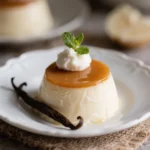
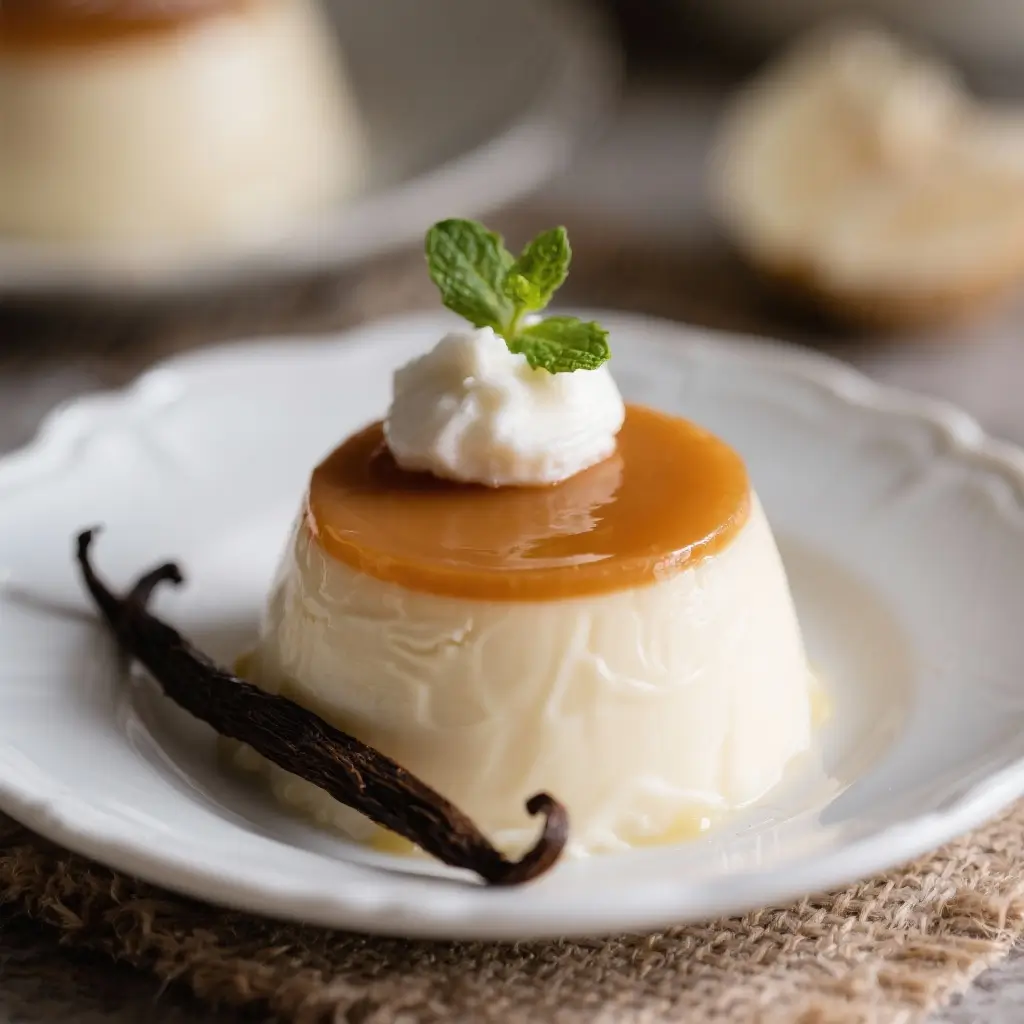
Vanilla Bean Panna Cotta is a luxurious Italian dessert that embodies elegance in simplicity. Originating from the Piedmont region of Northern Italy, this silky, creamy custard has gained international acclaim for its smooth texture and delicate flavor profile. Unlike traditional custards that rely on eggs, panna cotta sets with gelatin, giving it a wobble that’s both playful and refined. The star of the show—real vanilla bean—infuses the cream with rich, floral notes and tiny speckles of black seeds that elevate both appearance and taste. Whether served solo or paired with vibrant fruit coulis, this dessert is perfect for dinner parties, romantic evenings, or as a quiet indulgence after a long day. Its minimalist preparation belies its gourmet appeal, making it a favorite among home cooks and professional chefs alike.
The History
Panna cotta, which translates to “cooked cream” in Italian, traces its roots back to the early 20th century in the Langhe area of Piedmont, Italy. While dairy-based desserts have existed in various forms across Europe for centuries, panna cotta as we know it today emerged as a regional specialty in rural farms where cream, sugar, and gelatin were combined into a simple yet satisfying treat. Originally flavored with whatever was available—such as coffee, chocolate, or fruit—the vanilla version eventually became the most iconic due to its clean, pure taste that showcases high-quality ingredients. The dessert remained relatively unknown outside of Italy until the 1980s and 1990s when Italian cuisine gained popularity worldwide. Chefs began introducing variations with layered flavors, colorful fruit sauces, and artistic plating techniques, turning panna cotta into a modern classic featured in upscale restaurants and dessert menus around the globe. Despite its evolution, the essence of panna cotta remains unchanged: a celebration of fresh cream, subtle sweetness, and aromatic vanilla.
Ingredients Breakdown
The beauty of Vanilla Bean Panna Cotta lies in its minimalistic ingredient list, each component playing a crucial role in achieving the perfect texture and flavor:
- Heavy Cream: The foundation of panna cotta, heavy cream provides richness and body. It should be fresh and preferably unhomogenized for a more luxurious mouthfeel.
- Whole Milk (optional): Some recipes include a small amount of milk to lighten the texture slightly while maintaining creaminess.
- Sugar: Granulated sugar balances the richness of the cream. Adjustments can be made based on desired sweetness, but too little may result in a flat flavor profile.
- Vanilla Bean: A whole vanilla bean pod is essential for authentic flavor. Splitting and scraping the seeds ensures even distribution of those prized black flecks throughout the custard.
- Unflavored Gelatin: This is the setting agent. It dissolves into the warm cream mixture and cools into a soft, jiggly gel. Proper blooming and dissolution are critical to avoid lumps.
- Water: Used to bloom the gelatin, ensuring it activates properly without clumping.
- Optional Additions: A splash of vanilla extract enhances aroma; a pinch of salt brings out sweetness; and a touch of alcohol like rum or liqueur can deepen complexity.
Using high-quality, natural ingredients is paramount—especially the vanilla bean, as synthetic substitutes cannot replicate the depth and floral nuances of real vanilla.
Step-by-Step Recipe
- Bloom the Gelatin: In a small bowl, sprinkle 2¼ teaspoons (one packet) of unflavored gelatin over ¼ cup cold water. Let it sit for 5–10 minutes until it becomes spongy and opaque. This process, called blooming, prepares the gelatin to dissolve evenly into the hot cream.
- Heat the Cream Mixture: In a medium saucepan, combine 2 cups heavy cream, ½ cup granulated sugar, and the seeds scraped from one vanilla bean pod. Add the empty pod to the pot as well to maximize flavor extraction. Warm over medium heat, stirring gently until the sugar dissolves completely. Do not boil—aim for just below simmering (around 175°F or 80°C).
- Incorporate Gelatin: Remove the saucepan from heat. Discard the vanilla pod (or save it for another use, such as making vanilla sugar). Slowly whisk in the bloomed gelatin until fully dissolved and no granules remain. This step requires patience to ensure a perfectly smooth texture.
- Strain the Mixture: For extra silkiness, strain the liquid through a fine-mesh sieve into a large measuring cup or spouted bowl. This removes any undissolved particles and ensures a flawless finish.
- Pour Into Molds: Lightly grease ramekins, glasses, or silicone molds with nonstick spray or a neutral oil for easier release. Pour the mixture carefully into each container, filling them about ¾ full.
- Chill Until Set: Transfer the filled molds to the refrigerator and chill for at least 4 hours, preferably overnight. The panna cotta should be firm to the touch and cleanly pull away from the sides when ready.
- Unmold (Optional): To serve unmolded, dip each ramekin briefly in hot water (about 10 seconds), then place a plate upside-down over the top. Invert quickly and gently shake if needed. A soft jiggle means success!
- Serve: Garnish with berries, caramel, chocolate sauce, or edible flowers. Serve chilled.
Tips
- Use Real Vanilla Beans: Imitation vanilla lacks the complexity and visual appeal of real beans. One high-quality Madagascar or Tahitian vanilla bean goes a long way.
- Don’t Boil the Cream: Overheating can cause the cream to separate or scorch. Gentle warming preserves texture and flavor.
- Proper Gelatin Handling: Always bloom gelatin before adding it to hot liquids. If it clumps, reheat gently while whisking constantly.
- Avoid Air Bubbles: When pouring into molds, let the mixture flow down the side of the container rather than splashing to minimize bubbles.
- Grease Molds Slightly: Especially important if you plan to unmold. Even a thin film helps achieve clean releases.
- Refrigerate Thoroughly: Rushing the chilling process leads to a runny dessert. Allow at least 6 hours for foolproof results.
- Serve in the Same Glass: For effortless presentation, skip unmolding and serve directly in elegant glassware with toppings drizzled on top.
- Clean Knife Between Cuts: If slicing a large slab-style panna cotta, wipe the knife with a damp cloth between cuts for neat edges.
Variations and Customizations
While classic vanilla bean panna cotta is timeless, its neutral base makes it ideal for creative twists:
- Fruit Swirls: Layer with raspberry coulis, mango purée, or passionfruit curd before chilling for a burst of color and tartness.
- Chocolate Panna Cotta: Stir in melted dark chocolate after dissolving the gelatin for a decadent variation.
- Coffee or Espresso: Replace ¼ cup of cream with strong brewed coffee or espresso for a mocha-inspired treat.
- Tea-Infused: Steep Earl Grey, jasmine, or matcha in the warm cream for floral or earthy undertones.
- Coconut Version: Substitute half the cream with full-fat coconut milk for a tropical flair.
- Lavender or Rose: Add a few drops of food-grade essential oil or culinary dried petals for an aromatic twist.
- Alcoholic Infusions: Fold in a tablespoon of Grand Marnier, amaretto, or Baileys for adult-friendly versions.
- Layered Panna Cotta: Create stunning tiers by alternating flavors (e.g., vanilla, berry, and chocolate) and chilling each layer before adding the next.
- Dairy-Free Option: Use cashew cream or oat-based alternatives with agar-agar instead of gelatin for a vegan adaptation.
- Salted Caramel Topper: Drizzle warm salted caramel sauce over the top for a contrast of sweet and savory.
Health Considerations and Nutritional Value
Vanilla Bean Panna Cotta is a rich, indulgent dessert best enjoyed in moderation. Here’s a breakdown of its nutritional aspects:
- Calories: A typical ½-cup serving contains approximately 300–350 calories, primarily from fat and sugar.
- Fat Content: High in saturated fat due to heavy cream. Opt for lower-fat dairy alternatives cautiously, as they may affect texture and stability.
- Sugar Levels: Contains added sugar, so those managing blood glucose should consume sparingly or consider using erythritol or monk fruit sweetener (though results may vary).
- Protein & Calcium: Provides some protein and calcium from dairy, though not in significant amounts compared to other sources.
- Gelatin Benefits: Gelatin contains collagen, which may support joint and skin health. However, the quantity per serving is modest.
- Allergens: Contains dairy and may not be suitable for lactose-intolerant individuals unless modified. Always check gelatin source for dietary restrictions (some are derived from pork or beef).
- Gluten-Free: Naturally gluten-free, making it safe for celiac diets provided all ingredients are certified.
- Keto-Friendly Modifications: Can be adapted using heavy cream, low-carb sweeteners, and grass-fed gelatin, keeping net carbs under 5g per serving.
To make a lighter version, substitute part of the cream with evaporated skim milk or Greek yogurt, though this may yield a less firm set. Always balance indulgence with mindful eating.
Ingredients
- 2 cups (480 ml) heavy whipping cream
- ½ cup (100 g) granulated sugar
- 1 whole vanilla bean (preferably Madagascar or Tahitian)
- 2¼ teaspoons (1 packet, ~7 g) unflavored powdered gelatin
- ¼ cup (60 ml) cold water
- Pinch of fine sea salt (optional, enhances flavor)
- 1 teaspoon pure vanilla extract (optional, boosts aroma)
Directions
- In a small bowl, sprinkle the gelatin over cold water. Stir lightly and set aside for 5–10 minutes to bloom.
- Split the vanilla bean lengthwise and use the back of a knife to scrape out the tiny black seeds.
- In a medium saucepan, combine heavy cream, sugar, vanilla seeds, and the spent pod. Add a pinch of salt and optional vanilla extract.
- Warm over medium heat, stirring occasionally, until the sugar dissolves and the mixture reaches just below a simmer (do not boil). Remove from heat.
- Discard the vanilla pod or rinse and dry it for future use (e.g., infusing sugar or alcohol).
- Gradually whisk in the bloomed gelatin until completely dissolved and smooth.
- Strain the mixture through a fine-mesh sieve into a large measuring cup or pouring pitcher.
- Lightly grease four 4-ounce ramekins, glasses, or molds with cooking spray or neutral oil.
- Pour the liquid evenly into the prepared containers, avoiding overflow.
- Cover loosely with plastic wrap and refrigerate for at least 4–6 hours, or preferably overnight, until fully set.
- When ready to serve, either leave in the glass or unmold by dipping the bottom in hot water for 10 seconds, then inverting onto a plate.
- Garnish with fresh berries, mint leaves, fruit compote, or sauces of choice. Serve immediately.
FAQ
Can I make panna cotta without gelatin?
Yes, though the texture will differ. Agar-agar (a plant-based alternative) can be used at a ratio of 1 teaspoon agar powder per cup of liquid, but it sets firmer and less delicately than gelatin.
Why did my panna cotta not set?
Common causes include expired gelatin, insufficient blooming time, too much liquid, or exposure to acidic ingredients that weaken gelatin. Ensure accurate measurements and proper technique.
How long does panna cotta last in the fridge?
It keeps well for up to 5 days when covered tightly with plastic wrap. Flavor may intensify slightly over time.
Can I freeze panna cotta?
Freezing is not recommended—it disrupts the emulsion and leads to separation upon thawing. Stick to refrigeration only.
Can I double the recipe?
Absolutely. Just scale ingredients proportionally and use larger or additional molds. Chilling time remains the same, but deeper molds may require longer.
Is panna cotta the same as custard?
No. Traditional custard uses eggs as a thickening agent and is often baked. Panna cotta relies on gelatin and is chilled, resulting in a different texture and richer dairy-forward profile.
Can I use vanilla extract instead of a vanilla bean?
Yes, but you’ll miss the visual appeal and nuanced flavor. Substitute 1–2 teaspoons of pure vanilla extract if necessary, but real beans are preferred.
What’s the best way to unmold panna cotta?
Dip the mold briefly in hot water, wipe dry, place a plate on top, and flip swiftly. A gentle shake usually releases it cleanly.
Summary
Vanilla Bean Panna Cotta is a sumptuous Italian dessert known for its velvety texture and fragrant vanilla flavor, achieved with just a few premium ingredients. Effortless to prepare yet impressive enough for special occasions, it’s a timeless treat that delights the senses with every spoonful.