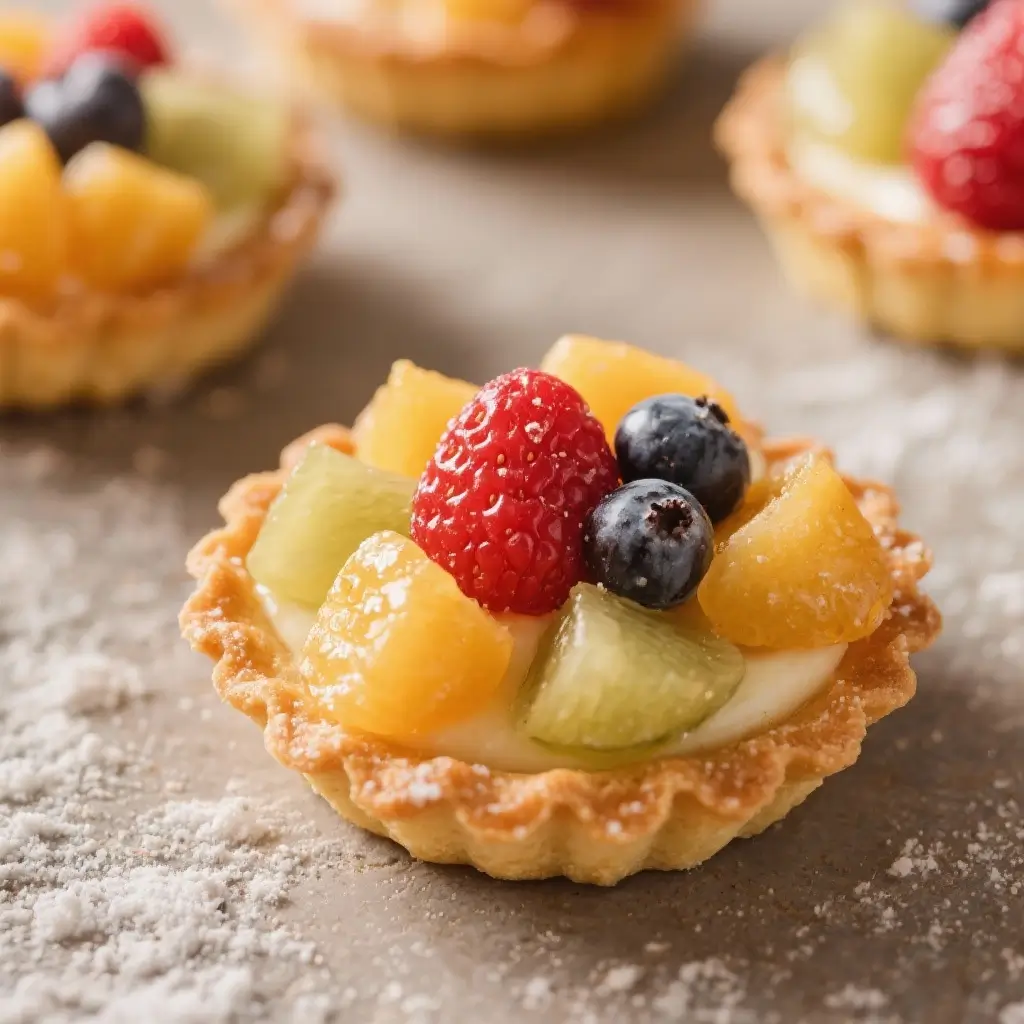
Mini Fruit Tartlets: A Delightful Bite of Elegance and Flavor
There’s something undeniably charming about mini fruit tartlets. These petite, jewel-toned desserts are not just a feast for the taste buds but also a visual masterpiece on any dessert table. Whether you’re hosting an elegant afternoon tea, celebrating a birthday, or simply indulging in a sweet treat, mini fruit tartlets bring sophistication and freshness to every occasion. Their buttery crusts, creamy fillings, and vibrant fruit toppings make them a favorite among bakers and dessert lovers alike. In this comprehensive guide, we’ll explore everything you need to know about crafting perfect mini fruit tartlets—from their fascinating history to step-by-step instructions, health considerations, variations, and expert tips that will elevate your baking game.
The History of Mini Fruit Tartlets
Fruit tartlets trace their origins back to French patisserie traditions, where tarts have long been a staple of culinary artistry. The classic French tarte aux fruits, which translates to “fruit tart,” emerged as a way to showcase seasonal produce atop a rich pastry base. While large fruit tarts were common in 18th and 19th century Europe, the concept of miniaturizing desserts gained popularity during the Victorian era, when elaborate multi-course meals included petits fours—small,精致 confections served at the end of fine dining experiences.
By the early 20th century, with the rise of home ovens and accessible baking tools, miniature versions of traditional tarts became popular among home bakers. The post-war era saw further evolution with the introduction of stabilized whipped creams and gelatin-based glazes, allowing fruit arrangements to stay fresh and glossy longer. Today, mini fruit tartlets are celebrated worldwide, often customized with local flavors, gluten-free crusts, vegan creams, and exotic fruits, making them a versatile canvas for creative expression in modern baking.
Ingredients Breakdown: What Makes Mini Fruit Tartlets Irresistible?
The magic of mini fruit tartlets lies in the harmony of three essential components: the crust, the filling, and the fruit topping. Each ingredient plays a crucial role in creating balance between texture, flavor, and appearance.
- For the Crust (Pâte Sucrée):
- Butter: High-quality unsalted butter provides richness and flakiness. It should be cold when mixed to create a tender, crumbly texture.
- Confectioners’ Sugar: Finely ground sugar blends smoothly into the dough without adding graininess, enhancing sweetness and aiding in browning.
- All-Purpose Flour: Provides structure. Some bakers substitute part of it with almond flour for a nutty depth.
- Egg Yolk: Adds moisture and helps bind the dough while contributing to a golden color after baking.
- Salt: Balances sweetness and enhances overall flavor complexity.
- Vanilla Extract: Optional but recommended for aromatic warmth.
- For the Filling:
- Cream Cheese or Pastry Cream (Crème Pâtissière): Cream cheese offers a tangy, velvety layer; pastry cream is richer and more traditional. Mascarpone is another luxurious option.
- Heavy Whipping Cream: Used to lighten fillings or make Chantilly cream. Must be cold for proper whipping.
- Confectioners’ Sugar: Sweetens the filling subtly without overpowering.
- Vanilla Bean Paste or Extract: Enhances aroma and complements both creamy and fruity notes.
- Lemon Zest (optional): Brightens the filling and cuts through richness.
- For the Topping:
- Fresh Seasonal Fruits: Berries like strawberries, blueberries, raspberries, blackberries; citrus slices; kiwi; mango; peaches; figs; grapes. Choose firm, ripe, and visually appealing fruits.
- Apricot Glaze (or Neutral Glaze): Made from warmed apricot jam strained and thinned with water or liqueur. This gives the fruit a shiny, preserved look and prevents drying.
- Mint Leaves (for garnish): Add contrast and freshness to the presentation.
Step-by-Step Recipe: How to Make Perfect Mini Fruit Tartlets
Follow these detailed steps to create bakery-quality mini fruit tartlets right in your kitchen. Yield: Approximately 18–24 tartlets depending on mold size (standard 3-inch tartlet pans).
Ingredients
For the Pâte Sucrée (Sweet Tart Dough):
- 1 cup (2 sticks / 226g) unsalted butter, cold and cubed
- 1/2 cup (60g) confectioners’ sugar
- 1 large egg yolk
- 2 cups (250g) all-purpose flour
- 1/4 teaspoon salt
- 1/2 teaspoon pure vanilla extract
- 1–2 tablespoons ice water (if needed)
For the Vanilla Pastry Cream:
- 2 cups (480ml) whole milk
- 1/2 cup (100g) granulated sugar
- 4 large egg yolks
- 1/4 cup (30g) cornstarch
- 1 tablespoon all-purpose flour
- Pinch of salt
- 2 tablespoons unsalted butter
- 1 1/2 teaspoons vanilla bean paste or 1 vanilla bean, split and scraped
For Assembly:
- 1 1/2 cups mixed fresh fruits (strawberries, kiwi, blueberries, raspberries, etc.)
- 1/3 cup apricot preserves
- 1 tablespoon warm water or orange liqueur
- Fresh mint leaves for garnish
Directions
- Prepare the Tart Dough: In the bowl of a food processor, combine flour, sugar, and salt. Pulse briefly to mix. Add cold cubed butter and pulse until the mixture resembles coarse sand with some pea-sized pieces. Add egg yolk and vanilla. Pulse until clumps begin to form. If the dough doesn’t come together, add ice water one tablespoon at a time. Do not overmix.
- Chill the Dough: Turn the dough out onto a lightly floured surface and shape into a flat disk. Wrap in plastic wrap and refrigerate for at least 1 hour (up to 2 days). This relaxes the gluten and firms up the butter for easier rolling.
- Preheat Oven & Prepare Pans: Preheat oven to 350°F (175°C). Lightly grease mini tart pans with removable bottoms or use non-stick spray. For easy release, avoid skipping this step.
- Roll and Line Tart Pans: On a floured surface, roll the chilled dough to about 1/8-inch thickness. Using a round cutter slightly larger than your tart pans, cut circles and gently press each into the molds. Trim excess dough with a knife. Prick the bottom of each shell with a fork to prevent puffing.
- Blind Bake the Shells: Line each tart shell with parchment paper and fill with pie weights or dried beans. Bake for 12 minutes. Remove weights and parchment, then bake for another 8–10 minutes until golden brown. Cool completely on a wire rack.
- Make the Pastry Cream: In a saucepan, heat milk and vanilla over medium heat until steaming (do not boil). In a separate bowl, whisk egg yolks, sugar, cornstarch, flour, and salt until pale and thick. Slowly pour hot milk into the yolk mixture while whisking constantly (this is called tempering). Return the mixture to the saucepan.
- Cook the Custard: Cook over medium heat, stirring constantly with a wooden spoon or silicone spatula, until the mixture thickens and comes to a boil. Let it bubble for 1 minute to cook out the starch taste. Remove from heat and stir in butter until smooth.
- Cool the Cream: Transfer to a bowl and cover with plastic wrap pressed directly onto the surface to prevent a skin from forming. Chill for at least 2 hours or until fully set.
- Whip (Optional): For a lighter texture, beat the chilled pastry cream with an electric mixer for 1–2 minutes until fluffy. Alternatively, fold in 1/2 cup of freshly whipped heavy cream for a mousse-like consistency.
- Fill the Tartlets: Using a piping bag fitted with a plain tip or a small spoon, fill each cooled tart shell with about 1–2 tablespoons of pastry cream. Don’t overfill.
- Arrange the Fruit: Begin with larger fruits like strawberry halves or kiwi slices as anchors, then fill gaps with smaller berries. Be artistic—overlapping slightly creates dimension. Use tweezers for precision if desired.
- Glaze the Fruit: Warm apricot preserves with water or liqueur in a small saucepan. Strain to remove chunks. Using a pastry brush, gently coat the fruit with a thin, even layer of glaze. This adds shine and protects the fruit from oxidizing.
- Garnish and Chill: Add a small mint leaf to each tartlet. Refrigerate for 30 minutes before serving to set the filling and enhance flavors.
Expert Tips for Success
- Keep Everything Cold: Butter and dough must remain cold until baking to ensure a crisp, flaky crust. Work quickly in a cool kitchen.
- Don’t Skip Blind Baking: This ensures a fully cooked, non-soggy base that can support moist fillings.
- Use Fresh, Dry Fruit: Wet fruit will bleed into the cream. Pat berries dry with paper towels before arranging.
- Work Quickly with Pastry Cream: Stir occasionally while cooling to prevent lumps and maintain smoothness.
- Pipe Neatly: A piping bag gives uniform filling distribution and a professional look.
- Serve Within 4 Hours: For best texture, serve shortly after assembly. Crust softens over time due to moisture absorption.
- Freeze Shells Ahead: Baked tart shells can be stored in an airtight container for up to 1 month. Fill and decorate day-of.
Variations and Customizations
Mini fruit tartlets are incredibly adaptable. Here are creative ways to customize them for dietary needs, seasons, and occasions:
- Gluten-Free: Substitute all-purpose flour with a high-quality gluten-free flour blend (look for ones with xanthan gum). Almond flour crusts also work beautifully.
- Vegan: Use plant-based butter, coconut oil, and a flax egg (1 tbsp ground flax + 3 tbsp water = 1 egg). For filling, opt for cashew cream or silken tofu blended with maple syrup and vanilla.
- Dairy-Free: Replace butter with vegan butter and use coconut milk in place of dairy milk for the custard.
- Low-Sugar: Reduce sugar in crust and filling, and use naturally sweet fruits like mango or banana. Stevia or erythritol can be used cautiously in small amounts.
- Flavor Infusions: Add citrus zest, almond extract, or spices like cinnamon to the crust. Infuse milk with lavender, rose, or matcha for unique custards.
- Seasonal Themes:
- Spring: Strawberries, rhubarb, edible flowers
- Summer: Berries, peaches, cherries
- Fall: Apples, pears, figs, pomegranate seeds
- Winter: Clementines, kiwi, cranberries, poinsettia-shaped mint garnishes
- Holiday Versions: Red and green berries for Christmas, heart-shaped strawberries for Valentine’s Day, pastel fruits for Easter.
- Savory-Sweet Twists: Add goat cheese or ricotta to the filling for a tangy contrast. Top with balsamic-glazed strawberries or honey-roasted figs.
Health Considerations and Nutritional Value
While mini fruit tartlets are undeniably decadent, they can be made more nutritious with mindful adjustments.
Nutritional Profile (Approximate per tartlet – 3-inch size):
- Calories: 180–220 kcal
- Fat: 10–14g (mostly from butter and cream)
- Saturated Fat: 6–8g
- Carbohydrates: 20–25g
- Sugars: 12–16g (including natural fruit sugars)
- Protein: 2–3g
- Fiber: 1–2g (more if using whole grain or nut flours)
- Vitamins & Minerals: Rich in Vitamin C (from fruits), calcium (dairy), and small amounts of iron and potassium.
Health Tips:
- Better Fats: Use grass-fed butter or ghee for higher omega-3s and fat-soluble vitamins.
- Boost Fiber: Incorporate oat flour or whole wheat pastry flour into the crust.
- Natural Sweeteners: Replace refined sugar with coconut sugar or date paste in moderation.
- Portion Control: Their small size makes them ideal for portioned indulgence—enjoy one or two without guilt.
- Allergen Awareness: Common allergens include dairy, eggs, gluten, and nuts. Always label accordingly when serving guests.
- Diabetic-Friendly Options: Use sugar substitutes and low-glycemic fruits like berries. Monitor portion sizes and pair with protein-rich foods.
Frequently Asked Questions (FAQ)
Q: Can I make mini fruit tartlets ahead of time?
A: Yes! Bake and store tart shells up to 1 week in advance. Fill and top with fruit no more than 4–6 hours before serving to prevent sogginess.
Q: Why did my tart shells shrink during baking?
A: This usually happens if the dough wasn’t chilled long enough or was stretched when placing in the pan. Always chill thoroughly and avoid pressing dough too hard.
Q: Can I use store-bought crusts or pastry cream?
A: Absolutely. Ready-made shortbread shells or pre-made custard can save time. However, homemade always tastes fresher and allows full control over ingredients.
Q: What fruits should I avoid?
A: Overly juicy fruits like watermelon or oranges may leak. Melons should be used sparingly and patted very dry. Bananas brown quickly unless coated in citrus juice.
Q: How do I prevent the fruit from sliding off?
A: Use firmer fruits as anchors (e.g., strawberry halves laid flat). Apply glaze only after arranging to help “glue” pieces together.
Q: Can I freeze mini fruit tartlets?
A: Not recommended once filled or topped with fruit. Unbaked or baked shells can be frozen, but assembled tartlets lose texture and appearance when thawed.
Q: Are mini fruit tartlets kid-friendly?
A: Yes! Kids love the colorful, bite-sized treats. Let them decorate their own using safe, washable fruits and cookie cutters for fun shapes.
Summary
Mini fruit tartlets are a stunning fusion of buttery pastry, luscious cream, and radiant fresh fruit—perfect for any celebration or quiet indulgence. With endless customization options and a balance of elegance and simplicity, they’re a timeless dessert that delights both eyes and palate.