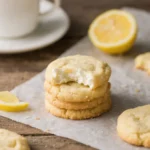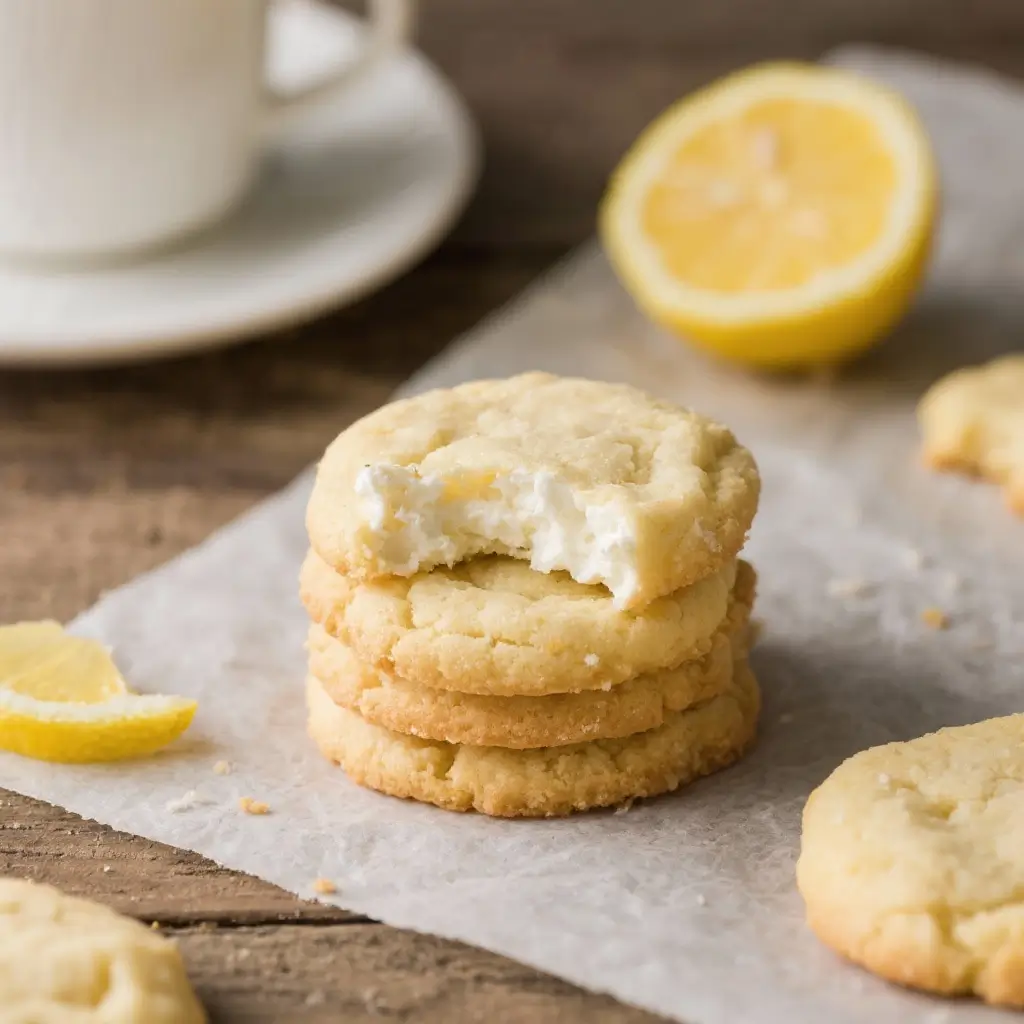
Lemon Ricotta Cookies: A Zesty, Creamy Delight That Melts in Your Mouth
There’s something undeniably magical about the perfect cookie—one that balances sweetness with tang, softness with a delicate chew. Enter the lemon ricotta cookie: a citrus-kissed confection that marries the creamy richness of ricotta cheese with the bright zing of fresh lemon. These cookies are more than just a treat—they’re an experience. With their tender crumb, subtle citrus aroma, and melt-in-your-mouth texture, they’ve become beloved by bakers across kitchens from rustic farmhouses to modern urban apartments. Whether you’re baking for a special occasion or simply craving a comforting indulgence, lemon ricotta cookies offer a refreshing twist on classic dessert staples.
The History Behind Lemon Ricotta Cookies
The story of lemon ricotta cookies is one woven through centuries of Mediterranean culinary tradition. Ricotta cheese, whose name means “recooked” in Italian, has long been a staple in Italian households, particularly in regions like Sicily and Campania. Originally made from leftover whey after producing other cheeses, ricotta was prized not only for its mild flavor and creamy texture but also for its versatility in both savory and sweet dishes.
It wasn’t until the 19th century that ricotta began appearing regularly in desserts—cakes, pastries, cannoli fillings, and eventually cookies. The addition of citrus, especially lemon, was a natural progression. Lemons have flourished along Italy’s sun-drenched coasts for over a thousand years, particularly on the Amalfi Coast and around Sorrento, where they’re known for their aromatic zest and juicy pulp.
Baking with ricotta allowed home cooks to create moist, tender treats without relying heavily on butter or eggs—important during times when ingredients were scarce. Over time, as Italian immigrants brought their recipes to America in the late 1800s and early 1900s, these humble yet flavorful creations evolved. Lemon ricotta cookies emerged as a favorite among second- and third-generation bakers who wanted to preserve tradition while adding a touch of American innovation—like using baking powder for lift or incorporating vanilla extract for depth.
Today, lemon ricotta cookies are celebrated not only in Italian-American communities but across the global baking scene. They appear at spring brunches, holiday cookie exchanges, farmers’ markets, and gourmet bakeries. Their rise in popularity reflects a broader trend toward artisanal, ingredient-driven desserts that highlight quality and simplicity—a true testament to their timeless appeal.
Ingredients Breakdown: What Makes These Cookies So Special?
The secret behind the luscious texture and vibrant flavor of lemon ricotta cookies lies in their carefully balanced ingredients. Each component plays a crucial role—not just in taste, but in structure, moisture, and mouthfeel. Let’s dive into what goes into these delightful morsels:
- Ricotta Cheese: The star of the show. Full-fat, whole-milk ricotta provides moisture, tenderness, and a slight tang that complements the lemon beautifully. It also helps create a cake-like crumb without making the cookie heavy. For best results, use fresh, high-quality ricotta—preferably drained slightly to remove excess liquid.
- Unsalted Butter: Adds richness and contributes to a soft, melt-in-your-mouth texture. Using unsalted butter gives you better control over the salt content and ensures freshness.
- Granulated Sugar: Sweetens the dough and helps with browning. It also aids in creating a light, airy structure when creamed with butter.
- Eggs: Act as a binder and add moisture and structure. Large eggs are ideal for consistent results.
- Vanilla Extract: Enhances overall flavor complexity, rounding out the sharpness of the lemon with warm, floral notes.
- All-Purpose Flour: Provides the necessary gluten structure to hold the cookie together. Too much can make them dense; too little can cause spreading. Measuring accurately is key.
- Baking Powder: A leavening agent that gives the cookies a gentle rise, resulting in a pillowy interior.
- Fresh Lemon Zest: This is where the magic happens. The oils in lemon zest deliver intense citrus fragrance and flavor without adding excess moisture. Always use organic lemons if possible, and grate only the yellow part (avoid the bitter white pith).
- Fresh Lemon Juice: Brightens the flavor profile and enhances the zesty kick. It also reacts with baking powder to boost leavening.
- Salt: Balances sweetness and amplifies all the other flavors. Even a small pinch makes a big difference.
- Powdered Sugar (for glaze): Optional, but highly recommended. A simple lemon glaze adds visual appeal and an extra layer of citrus sweetness.
- Lemon Extract (optional): Can be used to intensify the lemon flavor, especially if your lemons aren’t super fragrant.
Together, these ingredients form a harmonious blend that celebrates simplicity and elegance—a hallmark of great baking.
Step-by-Step Recipe: How to Make Perfect Lemon Ricotta Cookies
Follow this detailed guide to bake soft, fluffy, and irresistibly citrusy lemon ricotta cookies every single time. Yield: Approximately 24–30 cookies.
Ingredients
For the Cookies:
- 1 cup (8 oz) whole-milk ricotta cheese, well-drained
- ½ cup (1 stick / 113g) unsalted butter, softened to room temperature
- ¾ cup (150g) granulated sugar
- 2 large eggs, room temperature
- 1 teaspoon pure vanilla extract
- 2 cups (250g) all-purpose flour (spooned and leveled)
- 1½ teaspoons baking powder
- ¼ teaspoon salt
- Zest of 2 medium lemons (about 2 tablespoons)
- 2 tablespoons fresh lemon juice (from about 1 lemon)
For the Lemon Glaze (Optional but Recommended):
- 1 cup (120g) powdered sugar
- 2–3 tablespoons fresh lemon juice
- 1 teaspoon lemon zest (optional, for garnish)
Directions
- Prepare the Ricotta: Place the ricotta cheese in a fine-mesh strainer lined with cheesecloth or a coffee filter. Let it drain in the refrigerator for at least 30 minutes (or up to 2 hours) to remove excess moisture. This step prevents soggy cookies and ensures a better texture.
- Preheat Oven: Preheat your oven to 350°F (175°C). Line two large baking sheets with parchment paper or silicone baking mats.
- Cream Butter and Sugar: In a large mixing bowl, beat the softened butter and granulated sugar together with an electric mixer on medium speed until light and fluffy (about 2–3 minutes). Scrape down the sides of the bowl as needed.
- Add Eggs and Vanilla: Beat in the eggs one at a time, mixing well after each addition. Stir in the vanilla extract.
- Incorporate Ricotta: Add the drained ricotta to the mixture and beat on low speed until fully combined and smooth. The mixture may look slightly curdled at first—this is normal. Keep mixing until it comes together.
- Mix Dry Ingredients: In a separate bowl, whisk together the flour, baking powder, and salt. Ensure even distribution of the leavening agent.
- Combine Wet and Dry Ingredients: Gradually add the dry ingredients to the wet mixture, mixing on low speed just until incorporated. Do not overmix, as this can lead to tough cookies.
- Add Lemon Zest and Juice: Stir in the lemon zest and fresh lemon juice by hand using a spatula. Fold gently until evenly distributed. The batter should be thick, creamy, and slightly sticky—similar to muffin batter.
- Scoop the Dough: Using a cookie scoop or tablespoon, portion the dough into balls about 1.5 inches in diameter. Roll them smoothly between your palms and place them 2 inches apart on the prepared baking sheets.
- Bake: Bake for 12–15 minutes, or until the edges are lightly golden and a toothpick inserted into the center comes out clean. The tops should feel set but still soft.
- Cool: Allow the cookies to cool on the baking sheet for 5 minutes before transferring them to a wire rack to cool completely. This helps them set without cracking.
- Prepare the Glaze (Optional): While the cookies cool, make the glaze. In a small bowl, whisk powdered sugar and lemon juice until smooth. Adjust consistency by adding more juice (for thinner glaze) or more powdered sugar (for thicker glaze). Drizzle over cooled cookies using a spoon or piping bag. Sprinkle with additional lemon zest for a pop of color and aroma.
- Serve or Store: Once the glaze sets (about 15–20 minutes), serve immediately or store in an airtight container.
Tips for Baking the Best Lemon Ricotta Cookies
To elevate your lemon ricotta cookies from good to extraordinary, keep these expert tips in mind:
- Use High-Quality Ricotta: Opt for whole-milk, full-fat ricotta from brands like Calabro or Bellwether Farms. Avoid low-fat or shelf-stable varieties, which often contain stabilizers and excess water.
- Drain the Ricotta Well: Excess moisture is the enemy of structure. Draining ensures your cookies don’t spread too much or turn gummy.
- Room Temperature Ingredients: Bring butter, eggs, and ricotta to room temperature before mixing. Cold ingredients don’t emulsify properly, leading to a grainy or separated batter.
- Don’t Overmix: Once you add the flour, mix only until combined. Overworking develops gluten, which can result in tough cookies.
- Uniform Scooping: Use a #40 cookie scoop (about 1.5 tablespoons) for evenly sized cookies that bake consistently.
- Avoid Overbaking: These cookies continue to cook slightly on the hot tray after removal from the oven. Pull them out when they’re just set—they’ll firm up as they cool.
- Fresh Citrus Is Key: Bottled lemon juice lacks the brightness of fresh-squeezed. Same goes for zest—freshly grated lemon peel delivers unmatched flavor.
- Chill for Thicker Cookies (Optional): If you prefer thicker, less spread-out cookies, chill the scooped dough balls for 15–30 minutes before baking.
- Double the Zest: For an even more intense lemon punch, consider increasing the zest to 3 tablespoons.
- Glaze Timing: Always glaze cooled cookies. Applying glaze to warm cookies will cause it to melt and run off.
Variations and Customizations
While classic lemon ricotta cookies are divine on their own, feel free to get creative! Here are some delicious variations to try:
- Lemon Blueberry Ricotta Cookies: Gently fold ¾ cup fresh or frozen (tossed in flour) blueberries into the batter. The burst of juicy berries pairs wonderfully with the lemony base.
- Limoncello-Infused Cookies: Add 1–2 tablespoons of limoncello liqueur to the wet ingredients for an adult twist. Reduce lemon juice slightly to maintain balance.
- Almond Lemon Ricotta Cookies: Replace ¼ cup of flour with almond flour and add ½ teaspoon almond extract. Top with sliced almonds before baking for crunch.
- Coconut-Lime Ricotta Cookies: Swap lemon for lime zest and juice, and add ½ cup shredded coconut to the dough. A tropical upgrade!
- Chocolate-Dipped Lemon Ricotta Cookies: Dip half of each cooled cookie in melted white or dark chocolate. Sprinkle with lemon zest or sea salt for contrast.
- Oatmeal Lemon Ricotta Cookies: Replace half the flour with old-fashioned oats for a heartier texture and nutty flavor.
- Gluten-Free Version: Substitute all-purpose flour with a 1:1 gluten-free baking blend (like Bob’s Red Mill). Ensure baking powder is gluten-free certified.
- Vegan Adaptation: Use plant-based ricotta (such as cashew ricotta), vegan butter, flax eggs (2 tbsp ground flax + 5 tbsp water), and a vegan sugar. Results may vary, but experimentation yields tasty alternatives.
- Mini Cookie Bites: Make smaller 1-inch balls and reduce baking time to 8–10 minutes. Perfect for parties or bite-sized treats.
- Spiced Lemon Ricotta Cookies: Add a pinch of cardamom, ginger, or lavender for a floral, aromatic note that elevates the citrus.
Health Considerations and Nutritional Value
While lemon ricotta cookies are undeniably indulgent, understanding their nutritional profile can help you enjoy them mindfully. Below is an approximate breakdown per cookie (without glaze, based on 24 servings):
- Calories: ~140 kcal
- Total Fat: 6g (mostly from butter and ricotta)
- Saturated Fat: 3.5g
- Cholesterol: 35mg
- Sodium: 80mg
- Total Carbohydrates: 18g
- Sugars: 9g (naturally occurring and added)
- Protein: 3g
- Calcium: 30mg (from ricotta)
- Vitamin C: From lemon juice and zest—supports immune function and collagen production.
Health Notes:
- Ricotta cheese is a good source of protein and calcium, lower in fat than many other cheeses, and easier to digest due to its soft texture.
- Lemons provide antioxidants like vitamin C and flavonoids, which support skin health and reduce inflammation.
- These cookies contain refined sugars and carbohydrates, so moderation is advised, especially for those managing blood sugar levels.
- For a healthier version, consider reducing sugar by ¼ cup, using honey or maple syrup (though texture may change), or adding mashed banana or applesauce to replace some fat.
- Due to dairy and eggs, these are not suitable for vegans or those with allergies unless modified accordingly.
Frequently Asked Questions (FAQ)
Can I freeze lemon ricotta cookie dough?
Yes! Scoop the dough into balls and freeze them on a tray. Once solid, transfer to a freezer-safe bag. Bake straight from frozen, adding 1–2 minutes to the baking time.
Do these cookies freeze well after baking?
Absolutely. Cool completely, then store in an airtight container with parchment between layers. Freeze for up to 3 months. Thaw at room temperature before serving or reheating briefly in the oven.
Why are my cookies flat or greasy?
This usually happens if the ricotta wasn’t drained enough or the butter was too soft. Always drain ricotta and use butter that’s softened—not melted.
Can I make these without a mixer?
Yes, though it requires more effort. Use a sturdy wooden spoon and plenty of elbow grease to cream the butter and sugar. Make sure ricotta is smooth before folding in.
How long do they stay fresh?
Stored in an airtight container at room temperature, they last 4–5 days. With glaze, consume within 3 days for best appearance.
Can I use orange or grapefruit instead of lemon?
Definitely! Orange zest creates a sweeter, floral variation. Grapefruit offers a tart, sophisticated twist. Adjust sugar to taste.
Why did my cookies crack on top?
Minor cracking is normal due to rising and shrinking. To minimize it, avoid over-creaming and ensure accurate measuring.
Can I make a dairy-free version?
Yes, with substitutions: use dairy-free butter and a plant-based ricotta alternative (like tofu or cashew ricotta). Results may vary in texture.
Summary
Lemon ricotta cookies are a sublime fusion of creamy richness and citrus brightness, offering a tender, melt-in-your-mouth experience that delights with every bite. Easy to customize and perfect for any season, they’re a must-have in every baker’s repertoire.