Chocolate Espresso Cookies (No Alcohol)
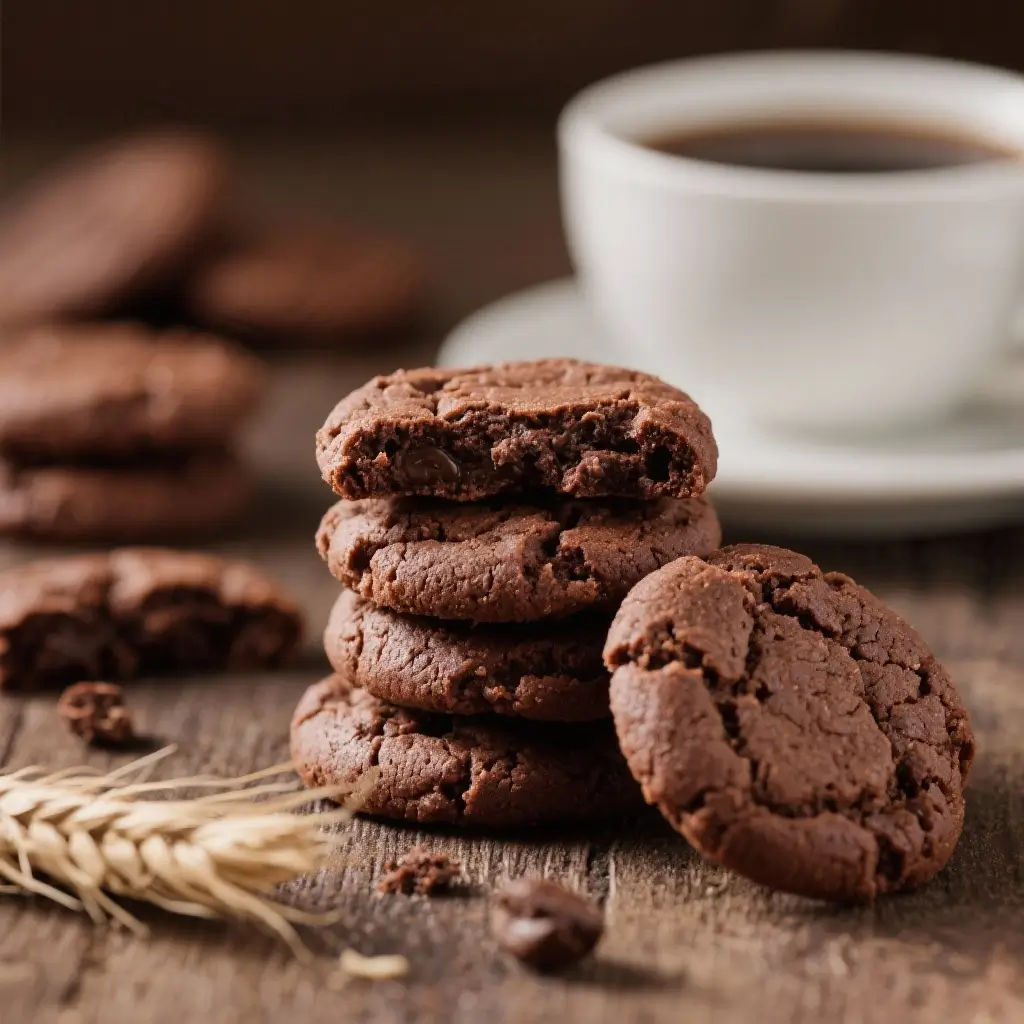
Indulge in the rich, bold flavor of Chocolate Espresso Cookies—perfect for coffee lovers and chocolate aficionados alike. These decadent treats combine the deep intensity of dark chocolate with the smooth, aromatic essence of freshly brewed espresso, creating a sophisticated cookie that’s both satisfying and comforting. With no alcohol, they’re ideal for all occasions, from afternoon tea to dessert after dinner. Whether you’re baking for a special event or simply treating yourself, these cookies deliver an elegant balance of bitterness and sweetness in every bite.
The History
The fusion of coffee and chocolate in baked goods has roots stretching back centuries, originating in European confectionery traditions where coffee was introduced as a luxury import from the Middle East and Africa. By the 17th century, coffee houses had sprung up across Italy, Austria, and France, becoming hubs of intellectual and cultural life—and places where desserts began incorporating the beloved brew. The idea of combining coffee with chocolate likely emerged from Italian pasticceria, where baristas and pastry chefs experimented with flavors to complement espresso service.
Espresso, developed in early 20th-century Italy with the invention of the espresso machine, intensified this tradition. Its concentrated form made it perfect not only for drinking but also for enhancing baked goods. Chocolate Espresso Cookies, as we know them today, evolved during the mid-to-late 20th century, particularly gaining popularity in artisanal bakeries and gourmet kitchens in the U.S. and Europe. As home bakers embraced specialty ingredients and café-style treats, recipes featuring ground espresso or strong coffee extract became staples for those seeking a more complex flavor profile than standard chocolate chip cookies could offer.
This modern classic reflects a global love affair between two powerful ingredients: cacao and coffee. Unlike traditional chocolate cookies, which rely solely on sugar and vanilla for depth, Chocolate Espresso Cookies use the natural bitterness and floral notes of espresso to elevate the chocolate experience. Over time, the recipe has been refined to exclude alcohol (often found in mocha-flavored desserts), making it accessible to wider audiences, including children and those avoiding alcohol for dietary or religious reasons.
Ingredients Breakdown
The magic of Chocolate Espresso Cookies lies in the careful selection and balance of high-quality ingredients. Each component plays a crucial role in texture, flavor development, and aroma:
- All-Purpose Flour: Provides structure and chewiness. It’s essential to measure accurately—spooned and leveled—to prevent dry or cakey cookies.
- Cocoa Powder: Use unsweetened, high-quality Dutch-processed or natural cocoa powder for a deep chocolate base. Dutch-processed offers a smoother, milder taste, while natural cocoa adds tanginess and reacts better with baking soda.
- Baking Soda & Baking Powder: A dual leavening system ensures the cookies rise slightly and develop a tender crumb without spreading too much.
- Salt: Enhances all flavors and balances sweetness. Fine sea salt is preferred for even distribution.
- Unsalted Butter: Adds richness and helps create a soft, melt-in-your-mouth texture. Must be softened to room temperature for proper creaming.
- Granulated Sugar & Brown Sugar: Granulated sugar contributes to crisp edges, while brown sugar (light or dark) adds moisture, chewiness, and caramel notes due to its molasses content.
- Eggs: Bind the ingredients and add structure. Room-temperature eggs blend more smoothly into the dough.
- Pure Vanilla Extract: Complements the chocolate and espresso with warmth and depth. Always opt for real vanilla over imitation.
- Strong Brewed Espresso (or Instant Espresso Powder): This is the star flavor enhancer. Freshly brewed espresso cooled and reduced intensifies the coffee flavor, though instant espresso powder mixed with water works well for convenience. Avoid regular drip coffee—it lacks concentration.
- Dark Chocolate Chunks or Chips: At least 60% cacao for optimal richness. Chopping a chocolate bar yields melty pockets superior to uniform chips.
- Optional Add-ins: Chopped toasted nuts (like walnuts or hazelnuts), flaky sea salt on top, or a dusting of cocoa for presentation.
Step-by-Step Recipe
- Prepare Equipment and Preheat Oven: Line two large baking sheets with parchment paper or silicone mats. Preheat your oven to 350°F (175°C). Allow all refrigerated ingredients (butter, eggs) to come to room temperature about 30 minutes before starting.
- Mix Dry Ingredients: In a medium bowl, whisk together 1 ¾ cups all-purpose flour, ½ cup unsweetened cocoa powder, ½ teaspoon baking soda, ¼ teaspoon baking powder, and ½ teaspoon fine sea salt. Set aside.
- Cream Butter and Sugars: In a large mixing bowl, beat ¾ cup (1.5 sticks) softened unsalted butter with ¾ cup granulated sugar and ¾ cup packed light brown sugar using an electric mixer on medium speed until light, fluffy, and pale in color—about 3–4 minutes. Scrape down the sides as needed.
- Add Wet Ingredients: Beat in 1 large egg and 1 teaspoon pure vanilla extract until fully incorporated. Then, slowly mix in 2 tablespoons of strongly brewed, cooled espresso (or 2 teaspoons instant espresso powder dissolved in 2 tablespoons hot water). Mix just until combined; do not overmix.
- Combine Wet and Dry Mixtures: Gradually add the dry ingredient mixture to the wet ingredients, mixing on low speed until the dough begins to come together. Stop when no dry streaks remain. Overmixing can lead to tough cookies.
- Fold in Chocolate: Using a spatula, gently fold in 1 ½ cups chopped dark chocolate or chocolate chunks until evenly distributed throughout the dough.
- Chill the Dough (Optional but Recommended): Cover the dough and refrigerate for at least 30 minutes (up to 72 hours). Chilling firms the butter, prevents excessive spreading, enhances flavor complexity, and results in a thicker, chewier cookie.
- Scoop and Shape: Use a tablespoon or small ice cream scoop to portion dough into balls (about 1.5 tablespoons each). Place them at least 2 inches apart on prepared baking sheets. For extra elegance, press a few additional chocolate chunks onto the surface of each ball.
- Bake: Bake one sheet at a time in the center rack for 10–12 minutes. The cookies are done when the edges are set and the centers still look slightly soft and puffy. They will continue to firm up as they cool.
- Cool and Serve: Let the cookies rest on the baking sheet for 5 minutes before transferring to a wire rack to cool completely. This allows them to finish setting without breaking.
Tips
- Use Real Espresso: If possible, use freshly brewed espresso instead of instant. Cool it by placing the cup in the freezer for 5 minutes. The deeper flavor makes a noticeable difference.
- Don’t Skip the Chill: Chilled dough spreads less and develops richer flavor through slow hydration. You can even freeze scooped dough balls and bake straight from frozen—just add 1–2 minutes to baking time.
- Measure Flour Correctly: Spoon flour into your measuring cup and level off with a knife. Packed flour leads to dense, dry cookies.
- Avoid Overbaking: Remove cookies when the centers still appear underdone—they’ll set as they cool. Overbaked cookies lose their fudgy center.
- Uniform Sizing: Use a cookie scoop to ensure even baking. Larger cookies yield gooey centers; smaller ones turn crispier.
- Butter Temperature Matters: Softened butter should indent slightly when pressed—not melted or greasy. Cold butter won’t cream properly; warm butter causes overspreading.
- Rotate the Pan: Halfway through baking, rotate the pan front-to-back for even browning, especially if your oven has hot spots.
- Storage Tips: Store cooled cookies in an airtight container at room temperature for up to 5 days. For longer storage, freeze baked cookies or unbaked dough balls for up to 3 months.
Variations and Customizations
While classic Chocolate Espresso Cookies are divine on their own, there are countless ways to personalize them based on taste preferences or dietary needs:
- Gluten-Free Version: Substitute all-purpose flour with a 1:1 gluten-free baking blend. Ensure cocoa powder and other ingredients are certified GF.
- Dairy-Free Option: Replace butter with plant-based alternatives like vegan stick butter (e.g., Earth Balance), and use dairy-free dark chocolate.
- Lower Sugar: Reduce both sugars by ¼ cup total and use dark chocolate with higher cacao content (70% or above) for a less sweet profile.
- Nutty Twist: Fold in ½ cup finely chopped toasted walnuts, pecans, or hazelnuts for added crunch and nutty aroma.
- Double Chocolate Intensity: Add ¼ cup cocoa nibs or increase chocolate chunks to 2 cups for maximum indulgence.
- Spiced Variation: Add ¼ teaspoon cinnamon, a pinch of cayenne, or cardamom for a warm, exotic twist that pairs beautifully with espresso.
- Stuffed Cookies: Create a surprise center by sandwiching a piece of chocolate-covered espresso bean or a marshmallow inside each dough ball before baking.
- Cookie Sandwiches: Once cooled, spread a layer of chocolate ganache, mascarpone frosting, or mocha buttercream between two cookies for an elegant dessert.
- Mini Cookies: Make bite-sized versions using a teaspoon scoop—perfect for parties or sampling multiple variations.
- Sea Salt Finish: Sprinkle a few flakes of Maldon or Himalayan pink salt on top right after baking for a gourmet touch that enhances contrast.
Health Considerations and Nutritional Value
Like most desserts, Chocolate Espresso Cookies should be enjoyed in moderation as part of a balanced diet. However, they do offer some surprising benefits thanks to key ingredients:
- Antioxidants: Both dark chocolate and coffee are rich in antioxidants such as flavonoids and polyphenols, which may help reduce inflammation and support heart health.
- Energy Boost: The natural caffeine in espresso provides a mild stimulant effect—great for an afternoon pick-me-up without needing a full cup of coffee.
- Mood Enhancement: Chocolate contains compounds like phenylethylamine and theobromine, which can promote feelings of well-being and alertness.
- Iron and Magnesium: Dark chocolate contributes small amounts of essential minerals, including iron and magnesium, important for blood function and muscle relaxation.
However, consider the following for mindful consumption:
- Calorie Content: One average-sized cookie contains approximately 120–150 calories, depending on size and added ingredients.
- Sugar Levels: With around 10–14 grams of sugar per cookie, individuals managing blood sugar should consume sparingly or explore reduced-sugar adaptations.
- Caffeine Sensitivity: While each cookie contains far less caffeine than a cup of coffee (roughly 10–20 mg per cookie vs. 60–100 mg in espresso), sensitive individuals or children should limit intake, especially near bedtime.
- Saturated Fat: Butter and chocolate contribute saturated fats. Opt for quality sources and practice portion control.
- Allergens: Contains wheat (gluten), dairy, eggs, and soy (in most chocolate). Always check labels if serving those with allergies.
Ingredients
- 1 ¾ cups (220g) all-purpose flour
- ½ cup (50g) unsweetened cocoa powder (Dutch-process or natural)
- ½ teaspoon baking soda
- ¼ teaspoon baking powder
- ½ teaspoon fine sea salt
- ¾ cup (1.5 sticks / 170g) unsalted butter, softened
- ¾ cup (150g) granulated sugar
- ¾ cup (165g) packed light brown sugar
- 1 large egg, room temperature
- 1 teaspoon pure vanilla extract
- 2 tablespoons (30ml) strong brewed espresso, cooled (or 2 tsp instant espresso powder + 2 Tbsp hot water)
- 1 ½ cups (270g) chopped dark chocolate (60–70% cacao) or chocolate chunks
- Optional: flaky sea salt for topping, chopped nuts, extra chocolate for garnish
Directions
- Preheat oven to 350°F (175°C). Line baking sheets with parchment paper or silicone mats.
- In a medium bowl, whisk together flour, cocoa powder, baking soda, baking powder, and salt. Set aside.
- In a large bowl, cream softened butter, granulated sugar, and brown sugar on medium speed until light and fluffy (3–4 minutes).
- Add egg, vanilla extract, and cooled espresso. Mix until fully combined.
- Gradually add dry ingredients to wet ingredients on low speed until just incorporated. Do not overmix.
- Using a spatula, fold in chopped dark chocolate until evenly dispersed.
- (Optional) Cover dough and refrigerate for 30 minutes to 72 hours for improved texture and flavor.
- Scoop dough into 1.5-tablespoon balls and place 2 inches apart on baking sheets.
- Bake one tray at a time for 10–12 minutes, until edges are set and centers are soft.
- Let cool on the baking sheet for 5 minutes, then transfer to a wire rack to cool completely.
- Repeat with remaining dough. Store in an airtight container for up to 5 days or freeze for longer preservation.
FAQ
Can I make these cookies without espresso?
Yes, though you’ll miss the signature flavor. Substitute with strong brewed coffee, but note that espresso delivers a more intense taste. Decaf espresso works too if you want the flavor without caffeine.
Why did my cookies spread too much?
Common causes include warm dough, melted butter, too much sugar, or skipping the chill step. Always chill the dough and ensure your butter is softened—not liquid.
Can I use regular cocoa instead of Dutch-process?
Yes, both work. Natural cocoa is more acidic and pairs well with baking soda; Dutch-process is milder and gives a darker color. Adjustments aren’t necessary unless substituting in large quantities.
How do I make the cookies chewier?
Increase brown sugar slightly, chill the dough longer, and underbake by 1 minute. Chewy centers result from moisture retention and proper fat emulsification.
Can I freeze the cookie dough?
Absolutely! Scoop into balls, freeze on a tray, then transfer to a bag. Bake frozen—add 1–2 minutes to baking time. They stay fresh for up to 3 months.
Are these cookies kid-friendly?
Yes, since they contain minimal caffeine and no alcohol. One cookie has less caffeine than a sip of soda, but monitor sensitive children if served close to bedtime.
Can I double the recipe?
Yes, this recipe scales well. Just be sure to mix in batches if your mixer bowl is small to maintain consistent texture.
What kind of chocolate should I use?
Choose high-quality dark chocolate with at least 60% cacao. Brands like Ghirardelli, Lindt, or Valrhona work excellently. Avoid milk chocolate for authenticity.
Summary
Chocolate Espresso Cookies are a luxurious blend of rich cocoa and bold espresso, delivering a deeply flavorful, fudgy-centered treat with no alcohol—perfect for any occasion. Easy to customize and suitable for gifting, sharing, or savoring solo with a cup of coffee.