Introduction
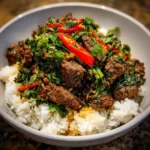
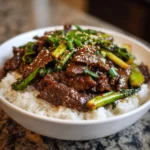
Korean Spicy Chicken Bulgogi, known as Dak Bulgogi (닭 불고기), is a modern twist on the classic Korean dish Bulgogi, which traditionally features marinated beef grilled to perfection. While the original version uses thinly sliced beef, the chicken variant has surged in popularity due to its lighter profile, quicker cooking time, and lower fat content—making it a favorite among health-conscious eaters and families alike. The word “Bulgogi” literally means “fire meat,” referring to the method of grilling the marinated meat over flames, although today it’s often pan-seared or stir-fried at home. What sets Dak Bulgogi apart is its bold, spicy-sweet flavor profile, achieved through a rich marinade featuring gochujang (Korean red chili paste), garlic, soy sauce, and a hint of sugar.
This dish embodies the essence of Korean cuisine: vibrant, balanced, and deeply flavorful. It’s commonly served with steamed rice, lettuce wraps, banchan (side dishes), and sometimes topped with sesame seeds or green onions for extra texture and aroma. Whether enjoyed at a bustling street food market in Seoul or recreated in a cozy kitchen abroad, Korean Spicy Chicken Bulgogi brings warmth, spice, and satisfaction in every bite. Its growing presence on restaurant menus worldwide speaks to its universal appeal and adaptability to various palates.
The History
The roots of Bulgogi trace back to the Goguryeo era (37 BCE – 668 CE), where it was originally called maekjeok, meaning “grilled meat.” Historical records show that thin slices of meat were grilled on spikes or laid over a fire, often seasoned with simple ingredients like salt and fermented sauces. Over centuries, this preparation evolved into what we now know as Bulgogi during the Joseon Dynasty (1392–1897). With increased access to soy sauce and other seasonings, the marinade became more complex and savory.
Chicken Bulgogi, however, is a relatively recent innovation. While beef remained the dominant protein for traditional Bulgogi, the rise of poultry consumption in South Korea during the late 20th century led to new variations. As chicken became more affordable and widely available, chefs and home cooks began experimenting with substituting beef for chicken breast or thigh. The addition of gochujang to create a spicy version emerged alongside the growing popularity of Korean spicy cuisine, especially after the success of dishes like Tteokbokki and Spicy Chicken Stir-Fry (Dakbokkeumtang).
Today, Spicy Chicken Bulgogi is a staple in Korean households and restaurants, symbolizing both tradition and culinary evolution. It reflects Korea’s ability to innovate while preserving core flavors, and its global popularity highlights how Korean food continues to captivate taste buds around the world.
Ingredients Breakdown
The magic of Korean Spicy Chicken Bulgogi lies in its marinade—a harmonious blend of sweet, spicy, savory, and umami-rich components that penetrate the chicken, creating an explosion of flavor with each bite. Let’s take a detailed look at each ingredient and its role:
- Chicken (boneless, skinless thighs or breasts): Thighs are preferred for their juiciness and ability to hold up to strong flavors without drying out, though breasts can be used for a leaner option.
- Gochujang (Korean red chili paste): The heart of the spice and depth in this dish. This fermented paste made from chili powder, glutinous rice, and soybeans adds heat, sweetness, and a deep umami richness.
- Soy sauce (preferably low-sodium): Provides saltiness and enhances the overall savory character. Using low-sodium helps control the salt level, especially when combined with other salty ingredients.
- Minced garlic: A fundamental aromatic in Korean cooking, garlic adds pungency and depth, helping balance the heat and sweetness.
- Fresh ginger (grated): Adds a bright, zesty note that cuts through the richness and complements the spiciness.
- Sugar or honey: Balances the heat and salt, rounding out the flavor profile. Honey also helps with caramelization during cooking.
- Sesame oil: Imparts a nutty aroma and enhances mouthfeel. It’s typically added toward the end or in the marinade for fragrance rather than cooking at high heat.
- Toasted sesame seeds: Used as a garnish or mixed into the marinade, they add texture and a subtle roasted flavor.
- Green onions (scallions): Sliced and added during or after cooking, they bring freshness and color contrast.
- Onion (sliced): Often cooked with the chicken, onions caramelize slightly and add natural sweetness.
- Carrots and mushrooms (optional): Common additions that increase vegetable content and provide textural variety.
- Rice wine or mirin: Helps tenderize the meat and adds a mild sweetness while reducing gaminess.
- Black pepper: For a subtle heat and complexity beyond the chilies.
- Cornstarch (optional): Sometimes added to the marinade to help thicken the sauce and give the chicken a silky coating.
Each ingredient plays a crucial role in building layers of flavor, making this dish a true example of Korean culinary artistry.
Step-by-Step Recipe
- Prepare the Chicken: Cut 1.5 lbs (700g) of boneless chicken thighs or breasts into thin, bite-sized strips, about 1/4 inch thick. Thinner pieces absorb the marinade better and cook quickly and evenly.
- Make the Marinade: In a large bowl, combine 3 tablespoons gochujang, 3 tablespoons soy sauce, 2 tablespoons sugar (or honey), 1 tablespoon rice wine (such as sake or mirin), 1 tablespoon sesame oil, 4 cloves minced garlic, 1 tablespoon grated fresh ginger, and 1 teaspoon black pepper. Whisk until smooth.
- Marinate the Chicken: Add the chicken strips to the marinade, ensuring each piece is well-coated. Cover and refrigerate for at least 1 hour, but ideally 4–6 hours (or overnight for maximum flavor).
- Prep Vegetables: While the chicken marinates, slice 1 medium onion, 1 carrot (julienned), and 4–5 shiitake mushrooms (if using). Chop 3–4 green onions into 1-inch pieces.
- Cook the Dish: Heat 1 tablespoon of neutral oil (like vegetable or canola) in a large skillet or wok over medium-high heat. Add the marinated chicken along with any excess marinade. Cook for 3–4 minutes, stirring frequently, until the chicken begins to brown.
- Add Vegetables: Add the onions and carrots to the pan. Stir-fry for another 3–4 minutes until the vegetables soften and the sauce starts to thicken.
- Incorporate Mushrooms and Green Onions: Add mushrooms and half of the green onions. Continue cooking for 2–3 minutes until the mushrooms are tender and the sauce clings to the ingredients.
- Final Touch: Drizzle with 1 teaspoon of sesame oil and sprinkle with 1 tablespoon of toasted sesame seeds. Toss to combine.
- Serve: Remove from heat and serve immediately over hot steamed rice, with lettuce leaves on the side for wrapping, and your favorite banchan.
Tips
- Use chicken thighs for best results: They stay moist and flavorful even when cooked at high heat, unlike breasts which can dry out easily.
- Don’t skip the marinating time: Even 30 minutes makes a difference, but longer marination (up to 24 hours) allows deeper flavor penetration.
- Control the spice level: Adjust the amount of gochujang based on your tolerance. Start with 1–2 tablespoons if you prefer mild heat.
- Avoid overcrowding the pan: Cook in batches if necessary to ensure proper searing and prevent steaming.
- Add a splash of water or broth: If the sauce thickens too quickly, add a few tablespoons of water or chicken broth to maintain a glossy consistency.
- Finish with fresh garnishes: Adding green onions and sesame seeds just before serving enhances aroma and visual appeal.
- Use a non-stick or carbon steel pan: Ideal for achieving a nice sear without sticking, especially important when using a sugary marinade that can caramelize quickly.
- Let the chicken come to room temperature: Before cooking, let it sit out for 15–20 minutes to ensure even cooking.
Variations and Customizations
Korean Spicy Chicken Bulgogi is highly adaptable to personal tastes and dietary needs. Here are some popular variations:
- Vegan/Vegetarian Version: Replace chicken with tofu, tempeh, or mushrooms like king oyster or portobello. Press and cube the tofu, then marinate and pan-fry until golden.
- Pineapple-Infused: Add 1/4 cup of crushed pineapple or pineapple juice to the marinade for a tropical tang and natural tenderizer.
- Gluten-Free Option: Use tamari or coconut aminos instead of regular soy sauce, and ensure the gochujang is gluten-free (many brands contain wheat).
- Extra Spicy: Add 1–2 teaspoons of gochugaru (Korean red pepper flakes) or a diced fresh red chili for an intense kick.
- Creamy Twist: Stir in 1–2 tablespoons of cream cheese or mayonnaise at the end for a rich, creamy-spicy fusion style.
- With Cheese: Top with mozzarella or American cheese and broil briefly for a melty, Korean-inspired “cheese dak bulgogi” popular in fusion cafes.
- Stir-Fried Noodles: Serve over japchae (sweet potato glass noodles) or udon instead of rice for a heartier meal.
- Bibimbap Style: Serve the spicy chicken over rice with sautéed vegetables, a fried egg, and extra gochujang for mixing.
- K-Curry Fusion: Add 1–2 tablespoons of Japanese or Korean curry powder to the marinade for a warm, spiced variation.
- Meal Prep Friendly: Double the recipe and store portions in containers for up to 4 days in the fridge or freeze for later use.
Health Considerations and Nutritional Value
Korean Spicy Chicken Bulgogi can be a nutritious addition to a balanced diet when prepared mindfully. Here’s a breakdown of its health aspects:
- High-Quality Protein: Chicken is rich in lean protein, essential for muscle repair, satiety, and metabolic health.
- Low in Carbohydrates (without rice): The base recipe contains minimal carbs, making it suitable for low-carb or keto diets when served with cauliflower rice.
- Rich in Flavor Without Excess Fat: Especially when using chicken breast, the dish remains low in saturated fat compared to beef-based bulgogi.
- Antioxidant-Rich Ingredients: Garlic, ginger, and gochujang contain compounds with anti-inflammatory and immune-supporting properties.
- Probiotics (from fermented gochujang): Fermented condiments like gochujang may support gut health by introducing beneficial microbes.
- Potential Downsides: High sodium content from soy sauce and gochujang can be a concern for those with hypertension. Opt for reduced-sodium versions and moderate portion sizes.
- Sugar Content: Traditional recipes include sugar or honey; consider using a natural substitute like monk fruit or erythritol for a lower-glycemic option.
- Calorie Count: Approximately 280–350 calories per 1-cup serving (without rice), depending on ingredients and oil usage.
- Vegetable Boost: Adding bell peppers, zucchini, spinach, or bean sprouts increases fiber, vitamins, and antioxidants.
- Balanced Meal Tip: Pair with brown rice or quinoa for complex carbs, and include kimchi or pickled radish for probiotics and digestion support.
Ingredients
- 1.5 lbs (700g) boneless, skinless chicken thighs, thinly sliced
- 3 tbsp gochujang (Korean red chili paste)
- 3 tbsp soy sauce (low-sodium preferred)
- 2 tbsp sugar or honey
- 1 tbsp rice wine (sake or mirin)
- 1 tbsp sesame oil (plus extra for finishing)
- 4 cloves garlic, minced
- 1 tbsp fresh ginger, grated
- 1 tsp black pepper
- 1 medium onion, thinly sliced
- 1 carrot, julienned
- 4–5 shiitake mushrooms, sliced (optional)
- 4 green onions, cut into 1-inch pieces
- 1 tbsp toasted sesame seeds
- 1 tbsp neutral cooking oil (vegetable, canola, or grapeseed)
Directions
- In a large mixing bowl, whisk together gochujang, soy sauce, sugar, rice wine, 1 tablespoon sesame oil, garlic, ginger, and black pepper until fully blended.
- Add chicken strips to the marinade and toss to coat evenly. Cover and refrigerate for at least 1 hour, or up to 24 hours for best flavor.
- Heat 1 tablespoon of neutral oil in a large skillet or wok over medium-high heat.
- Add marinated chicken (including marinade) and cook for 3–4 minutes, stirring frequently, until chicken is no longer pink and begins to caramelize.
- Add sliced onions and carrots. Stir-fry for 3–4 minutes until vegetables begin to soften.
- Stir in mushrooms and half of the green onions. Cook for another 2–3 minutes until mushrooms are tender and sauce thickens.
- Drizzle with additional 1 teaspoon sesame oil and sprinkle with toasted sesame seeds.
- Remove from heat and garnish with remaining green onions.
- Serve hot over steamed white or brown rice, with lettuce wraps and side dishes like kimchi, pickled radish, or cucumber salad.
FAQ
Q: Can I use frozen chicken?
A: It’s best to use fresh or fully thawed chicken. Cooking frozen chicken leads to uneven cooking and poor marinade absorption.
Q: Is gochujang very spicy?
A: Gochujang has a moderate to hot spice level with a deep, fermented sweetness. Start with less and adjust to taste.
Q: Can I make this in advance?
A: Yes! Marinate the chicken ahead of time and store it in the fridge for up to 2 days. You can also fully cook and reheat gently.
Q: What can I substitute for gochujang?
A: There’s no perfect substitute, but a mix of red pepper flakes, tomato paste, soy sauce, and a touch of sugar can mimic the flavor (though not authentically).
Q: How do I store leftovers?
A: Keep in an airtight container in the refrigerator for up to 4 days. Reheat in a skillet or microwave.
Q: Can I grill this instead of stir-frying?
A: Absolutely! Thread marinated chicken onto skewers and grill over medium heat for 2–3 minutes per side for a smoky flavor.
Q: Is this dish gluten-free?
A: Not automatically—regular soy sauce and some gochujang contain wheat. Use certified gluten-free versions to make it safe.
Q: Why is my sauce too thick/thin?
A: Simmer longer to thicken, or add a splash of water/broth to loosen. Cornstarch slurry (1 tsp cornstarch + 1 tbsp water) can help thicken quickly.
Summary
Korean Spicy Chicken Bulgogi is a fiery, savory, and satisfying dish that combines tender marinated chicken with a bold gochujang-based sauce, offering a perfect balance of sweet, spicy, and umami flavors. Easy to customize and packed with protein, it’s a delicious way to explore the vibrant world of Korean cuisine from your own kitchen.