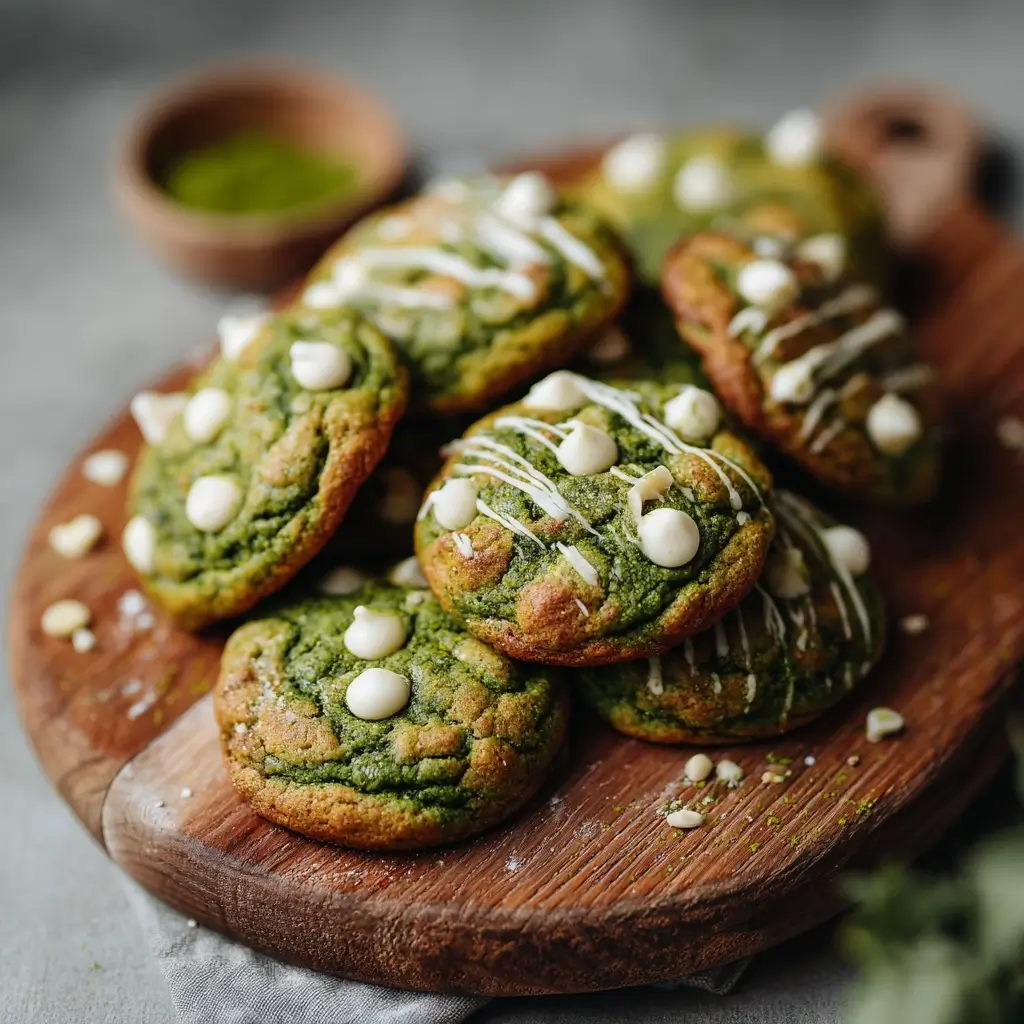
Matcha White Chocolate Cookies: A Delightful Fusion of Earthy and Sweet
The History
The story of the Matcha White Chocolate Cookie is a modern culinary tale born from the global love affair with both Japanese matcha and Western-style baking. While traditional chocolate chip cookies trace their roots back to Ruth Wakefield in the 1930s at the Toll House Inn, the innovation of incorporating matcha—a finely ground powder made from shade-grown green tea leaves—into baked goods emerged as part of the broader international interest in Japanese culture and wellness trends.
Matcha itself has a rich history dating back to the Tang Dynasty in China, but it was perfected in Japan during the 12th century by Buddhist monks who used it in meditation rituals for its calming yet alerting effects. As matcha gained popularity in the West in the early 2000s—fueled by the rise of health-conscious eating, smoothie bowls, and café culture—bakers began experimenting with infusing its vibrant green hue and delicate umami flavor into desserts. The combination with white chocolate was a natural progression, as its creamy sweetness complements matcha’s slight bitterness.
Today, Matcha White Chocolate Cookies represent a fusion of East and West, tradition and innovation. They’re found in artisanal bakeries from Tokyo to Brooklyn, served in high-end tea salons, and shared across social media platforms for their photogenic color and balanced flavor profile. This cookie stands not just as a treat, but as a symbol of culinary globalization and the creative possibilities when cultures intersect in the kitchen.
Ingredients Breakdown
To create the perfect batch of Matcha White Chocolate Cookies, every ingredient plays a crucial role—not only in flavor but in texture, color, and overall structure. Here’s an in-depth look at each component:
- All-Purpose Flour: The foundation of most cookie recipes, all-purpose flour provides structure through gluten development. For best results, spoon and level the flour or use a kitchen scale to avoid dense cookies.
- Matcha Powder (Ceremonial Grade Preferred): This is the star ingredient. Ceremonial-grade matcha offers a smoother, sweeter taste and brighter green color compared to culinary-grade, which can be more bitter. Avoid using expired or improperly stored matcha, as it loses potency and turns brownish.
- Baking Soda: Acts as a leavening agent, helping the cookies rise slightly and develop a soft center with crisp edges. Make sure it’s fresh for optimal lift.
- Salt: Enhances all the other flavors and balances the sweetness. Use fine sea salt or kosher salt for even distribution.
- Unsalted Butter (Room Temperature): Provides richness and aids in creaming with sugar to incorporate air. Using unsalted butter gives you control over the salt content. It must be softened but not melted—around 65°F (18°C) is ideal.
- Granulated Sugar: Adds sweetness and helps create a slight crunch on the surface due to caramelization during baking.
- Brown Sugar (Light or Dark): Contributes moisture and chewiness thanks to its molasses content. Dark brown sugar adds a deeper flavor, while light brown keeps the focus on matcha.
- Egg (Large, Room Temperature): Binds the ingredients together and adds structure. A cold egg can cause the batter to curdle when mixed with butter.
- Vanilla Extract: Deepens the flavor complexity and rounds out the earthiness of matcha. Pure extract is recommended over imitation for superior aroma.
- White Chocolate Chunks or Chips: These provide pockets of creamy sweetness that contrast beautifully with the vegetal notes of matcha. High-quality white chocolate with real cocoa butter melts better and tastes richer than cheaper alternatives filled with palm oil.
- Optional Add-ins: Toasted chopped macadamia nuts, white chocolate-covered matcha wafers, or a sprinkle of flaky sea salt on top before baking can elevate the sensory experience.
Step-by-Step Recipe
- Prepare Ingredients: Ensure your butter and egg are at room temperature. Measure all dry ingredients accurately using proper techniques to prevent overly dense cookies.
- Mix Dry Ingredients: In a medium bowl, whisk together 2 ¼ cups (280g) all-purpose flour, 3 tablespoons (15g) ceremonial-grade matcha powder, ½ teaspoon baking soda, and ½ teaspoon salt. Set aside.
- Cream Butter and Sugars: In a large mixing bowl, beat ¾ cup (170g) softened unsalted butter with ¾ cup (150g) granulated sugar and ½ cup (100g) packed light brown sugar until light, fluffy, and pale—about 2–3 minutes on medium speed using a stand or hand mixer.
- Add Wet Ingredients: Beat in one large room-temperature egg until fully incorporated, then mix in 1 ½ teaspoons pure vanilla extract. Scrape down the sides of the bowl with a spatula.
- Incorporate Dry Mixture: Gradually add the dry ingredients to the wet mixture, mixing on low speed just until combined. Do not overmix, as this can lead to tough cookies.
- Fold in White Chocolate: Stir in 1 ½ cups (270g) white chocolate chunks or chips by hand using a silicone spatula to ensure even distribution without overworking the dough.
- Chill the Dough (Recommended): Cover the bowl with plastic wrap and refrigerate for at least 1 hour—or up to 48 hours. Chilling solidifies the butter, prevents excessive spreading, deepens the flavor, and enhances texture.
- Preheat Oven & Prepare Baking Sheets: Preheat oven to 350°F (175°C). Line two baking sheets with parchment paper or silicone mats.
- Portion the Dough: Scoop rounded tablespoons of dough (about 1.5–2 tablespoons per cookie) and roll into balls. Place them at least 2 inches apart to allow for spreading.
- Bake: Bake for 10–12 minutes, rotating the pans halfway through, until the edges are set and lightly golden but the centers still appear soft. Underbaking slightly ensures chewy interiors.
- Cool: Let the cookies cool on the baking sheet for 5 minutes to finish setting, then transfer to a wire rack to cool completely. They will firm up as they cool.
- Optional Finish: Sprinkle with a touch of flaky sea salt or a dusting of extra matcha powder for presentation.
Tips
- Use High-Quality Matcha: Low-grade matcha may result in a dull color and bitter aftertaste. Ceremonial grade ensures vibrancy and balance.
- Don’t Overbake: Remove cookies when the centers look slightly underdone—they’ll continue cooking on the hot tray.
- Uniform Sizing: Use a cookie scoop for evenly sized portions, ensuring consistent baking.
- Butter Temperature Matters: Too soft or melted butter leads to flat, greasy cookies. Too cold butter won’t cream properly. Aim for a “cool to the touch but leaves a dent” consistency.
- Chilling is Key: Skipping the chill step increases spread and reduces flavor depth. Overnight chilling intensifies the matcha taste.
- Rotate Pans: Ovens have hot spots. Rotating trays halfway promotes even browning.
- Store Properly: Keep cooled cookies in an airtight container at room temperature for up to 5 days. For longer storage, freeze dough balls and bake as needed.
- Freeze for Freshness: Portion and freeze unbaked dough balls on a tray, then transfer to a freezer bag. Bake straight from frozen—add 1–2 minutes to baking time.
Variations and Customizations
One of the joys of baking is personalization, and Matcha White Chocolate Cookies lend themselves beautifully to creative twists. Here are some inspired variations:
- Double Chocolate Matcha: Add ½ cup cocoa nibs or dark chocolate chunks for a bittersweet contrast.
- Lemon-Zested: Incorporate 1 tablespoon finely grated lemon zest to brighten the flavor and cut through richness.
- Nutty Crunch: Fold in ¾ cup toasted pecans, walnuts, or macadamias for added texture and nutty depth.
- Oatmeal Matcha: Replace 1 cup of flour with old-fashioned rolled oats for a heartier, chewier cookie reminiscent of oatmeal raisin—but elevated.
- Gluten-Free Version: Substitute all-purpose flour with a 1:1 gluten-free baking blend containing xanthan gum. Test for desired texture.
- Dairy-Free Option: Use plant-based butter (like Miyoko’s or Earth Balance) and dairy-free white chocolate (such as Enjoy Life or Hu brand).
- Vegan Adaptation: Combine dairy-free butter, flax egg (1 tbsp ground flax + 3 tbsp water), and vegan white chocolate. May require slight adjustments in moisture.
- Mini Cookies: Make bite-sized versions using a teaspoon scoop—perfect for parties or sampling.
- Stuffed Centers: Create a surprise center by placing a small piece of white chocolate or a dab of sweet red bean paste inside each dough ball before baking.
- Drizzled Finish: After cooling, drizzle with melted white chocolate or a mix of melted white chocolate and additional matcha for visual appeal.
Health Considerations and Nutritional Value
While Matcha White Chocolate Cookies are undeniably a treat, they do offer some nutritional benefits—especially due to the inclusion of matcha. However, moderation is key, particularly due to sugar and fat content.
Matcha Benefits:
Matcha is rich in antioxidants, particularly catechins like EGCG (epigallocatechin gallate), which have been studied for anti-inflammatory and metabolic health benefits. It also contains L-theanine, an amino acid that promotes calm focus—potentially counteracting caffeine jitters. One serving of matcha (1 tsp) provides about 30–70mg of caffeine, so these cookies may offer a mild energy boost.
Nutritional Profile (Per Cookie, Approximate – based on 24 cookies per batch):
- Calories: ~180–200
- Total Fat: 10–12g (mostly from butter and white chocolate)
- Saturated Fat: 6–7g
- Carbohydrates: 22–25g
- Sugars: 14–16g
- Protein: 2–3g
- Fiber: 0.5–1g
- Sodium: 90–110mg
Considerations:
- Sugar Content: Due to both granulated and brown sugars, these cookies are moderately high in added sugars. Diabetics or those reducing sugar intake should enjoy sparingly.
- Caffeine Sensitivity: Though minimal per cookie, cumulative consumption could affect sensitive individuals, especially if eaten in large quantities.
- White Chocolate: Often high in sugar and saturated fat. Opt for brands with cocoa butter instead of hydrogenated oils for better quality.
- Portion Control: Limiting to 1–2 cookies per serving allows enjoyment without overindulgence.
- Balanced Diet: Best paired with protein or fiber-rich foods (e.g., a glass of milk or fruit) to slow sugar absorption.
Ingredients
- 2 ¼ cups (280g) all-purpose flour
- 3 tablespoons (15g) high-quality ceremonial-grade matcha powder
- ½ teaspoon baking soda
- ½ teaspoon salt
- ¾ cup (170g) unsalted butter, room temperature
- ¾ cup (150g) granulated sugar
- ½ cup (100g) packed light brown sugar
- 1 large egg, room temperature
- 1 ½ teaspoons pure vanilla extract
- 1 ½ cups (270g) white chocolate chunks or chips
Directions
- In a medium bowl, whisk together flour, matcha powder, baking soda, and salt. Set aside.
- In a large bowl, cream together butter, granulated sugar, and brown sugar until light and fluffy (2–3 minutes).
- Beat in the egg and vanilla extract until smooth. Scrape down the bowl.
- Gradually mix in the dry ingredients on low speed until just combined.
- Fold in white chocolate chunks by hand.
- Cover and chill dough for at least 1 hour (or up to 48 hours).
- Preheat oven to 350°F (175°C). Line baking sheets with parchment paper.
- Roll dough into 1.5–2 tablespoon-sized balls and place 2 inches apart on sheets.
- Bake for 10–12 minutes, rotating pans halfway, until edges are set and centers soft.
- Cool on pan for 5 minutes, then transfer to wire rack to cool completely.
- Optional: Sprinkle with flaky sea salt or dust with matcha before serving.
FAQ
Q: Can I use culinary-grade matcha?
A: Yes, but expect a more bitter taste and duller color. For best results, use ceremonial-grade.
Q: Why did my cookies turn brown instead of green?
A: Exposure to heat and air degrades matcha’s chlorophyll. Use fresh matcha, don’t overbake, and store properly to preserve color.
Q: Can I skip chilling the dough?
A: You can, but the cookies will spread more and lack flavor depth. Chilling is highly recommended.
Q: Are these cookies gluten-free?
A: Not by default, but you can substitute with a gluten-free flour blend. Results may vary in texture.
Q: How long do they stay fresh?
A: Up to 5 days in an airtight container at room temperature, or 3 months frozen.
Q: Can I use white chocolate bars instead of chips?
A: Absolutely! Chop a high-quality bar into uneven pieces for gourmet texture.
Q: Why is my dough too crumbly?
A: You may have overmeasured flour or skipped the egg. Try adding 1–2 teaspoons of milk or cream to bring it together.
Q: Can I make these vegan?
A: Yes—with plant-based butter, a flax egg, and vegan white chocolate. Texture may be slightly different.
Summary
Indulge in the harmonious blend of earthy matcha and creamy white chocolate with these soft-baked, chewy-centered cookies that deliver both flavor and elegance in every bite.
A modern classic rooted in cultural fusion, these cookies are perfect for tea lovers, dessert enthusiasts, and anyone seeking a beautifully balanced sweet treat.