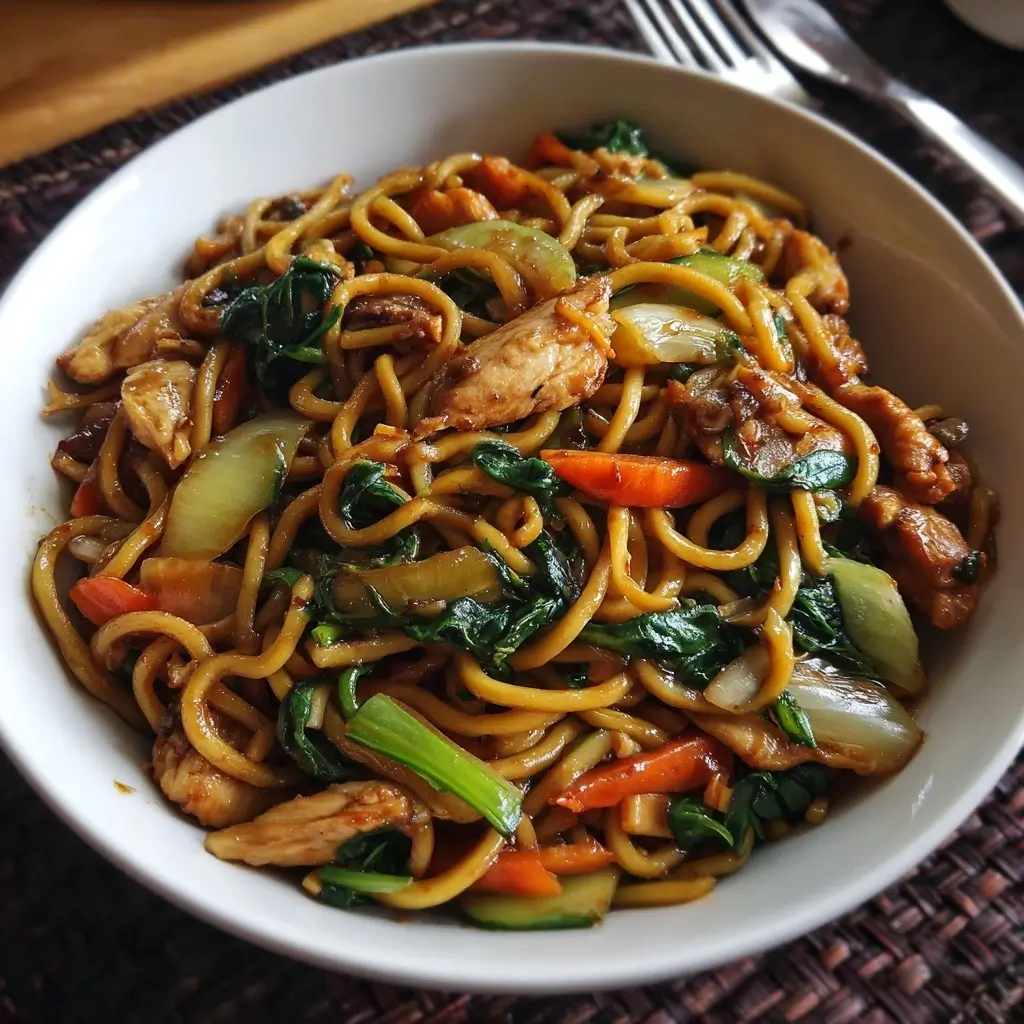
Chicken and Veggie Lo Mein: A Flavorful, Wholesome Noodle Delight
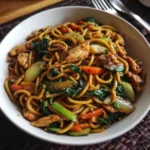
Craving a comforting, savory dish that’s both satisfying and nutritious? Chicken and Veggie Lo Mein is the perfect fusion of tender chicken, crisp vegetables, and springy noodles, all tossed in a rich, umami-packed sauce. This beloved Chinese-American classic brings together the best of stir-fry technique and noodle craftsmanship into one delicious, family-friendly meal. Whether you’re cooking for weeknight dinner or impressing guests with your culinary skills, this recipe delivers bold flavor, vibrant color, and endless customization options.
The History of Lo Mein
Lo Mein, which translates to “stirred noodles” in Cantonese (from lāo miàn), is a staple of Chinese cuisine with roots stretching back centuries. Originating in northern China, where wheat-based foods like noodles were more common than rice, Lo Mein was traditionally made with hand-pulled or hand-cut wheat noodles. The dish evolved as Chinese immigrants brought their culinary traditions to the United States in the 19th and early 20th centuries, adapting ingredients and techniques to suit local tastes and availability.
In American-Chinese cuisine, Lo Mein became a popular alternative to Chow Mein (which means “fried noodles”)—distinguished by its softer, saucier texture. While traditional versions use beef or pork, modern interpretations often feature chicken, shrimp, or tofu, making it versatile for various dietary preferences. Today, Chicken and Veggie Lo Mein stands as a symbol of cultural fusion, combining authentic Chinese cooking methods with fresh, accessible ingredients found in Western kitchens.
Ingredients Breakdown: What Makes It So Delicious?
The magic of Chicken and Veggie Lo Mein lies in its balance of textures, flavors, and aromas. Each ingredient plays a vital role in building layers of taste—from the chewiness of the noodles to the crunch of fresh vegetables and the savory depth of the sauce. Let’s break down the components:
- Chicken Breast or Thighs: Lean and tender, chicken breast offers a mild canvas for bold sauces, while thighs bring extra juiciness and richness.
- Lo Mein Noodles: These are typically fresh yellow wheat noodles, slightly thicker than spaghetti, designed to hold sauce well without becoming mushy.
- Vegetables: A colorful medley including bell peppers, carrots, broccoli, snow peas, mushrooms, and cabbage adds sweetness, earthiness, and essential nutrients.
- Aromatics: Garlic, ginger, and green onions provide the aromatic foundation that elevates the entire dish.
- Sauce Base: Soy sauce, oyster sauce (or vegetarian alternative), sesame oil, hoisin sauce, and a touch of sugar create a complex blend of salty, sweet, savory, and umami notes.
- Cooking Oil: High-heat oils like vegetable, canola, or peanut oil ensure quick searing without burning.
- Optional Add-ins: Eggs, water chestnuts, bamboo shoots, or chili garlic sauce can add extra texture and heat.
This harmonious combination ensures every bite is packed with flavor and satisfaction.
Step-by-Step Recipe: How to Make Perfect Chicken and Veggie Lo Mein at Home
Follow these detailed steps to recreate restaurant-quality Chicken and Veggie Lo Mein right in your kitchen. With proper prep and timing, you’ll have a steaming plate of lo mein ready in under 30 minutes.
Preparation (Mise en Place)
- Prepare the Chicken: Cut 1 lb (450g) boneless, skinless chicken breast or thighs into thin strips. Marinate with 1 tbsp soy sauce, 1 tsp cornstarch, 1 tsp Shaoxing wine (optional), and a pinch of white pepper. Let sit for 15–20 minutes.
- Chop the Vegetables: Slice 1 red bell pepper, 1 carrot (julienned), 1 cup broccoli florets, ½ cup sliced mushrooms, ½ cup snow peas, and 1 cup shredded Napa cabbage. Keep them separate for even cooking.
- Make the Sauce: In a small bowl, whisk together:
- 3 tbsp low-sodium soy sauce
- 2 tbsp oyster sauce (use mushroom sauce for vegetarian version)
- 1 tbsp hoisin sauce
- 1 tsp sesame oil
- 1 tsp sugar or honey
- 1 tsp cornstarch
- ¼ cup chicken broth or water
- Cook the Noodles: Bring a large pot of salted water to a boil. Add 8 oz (225g) fresh lo mein noodles (or substitute spaghetti). Cook according to package—usually 3–4 minutes until al dente. Drain, rinse under cold water, then toss with 1 tsp oil to prevent sticking.
- Prep Aromatics: Mince 3 garlic cloves, grate 1-inch piece of fresh ginger, and slice 2 green onions (whites and greens separated).
Cooking Process
- Stir-Fry the Chicken: Heat 1 tbsp oil in a wok or large skillet over high heat. Add marinated chicken in a single layer and cook 2–3 minutes per side until golden and cooked through. Remove and set aside.
- Sauté the Aromatics: Add another tablespoon of oil. Stir in garlic, ginger, and white parts of green onions. Cook 30 seconds until fragrant—do not burn.
- Cook the Vegetables: Add harder veggies first—carrots and broccoli. Stir-fry 2 minutes. Then add bell peppers, mushrooms, snow peas, and cabbage. Cook another 2–3 minutes until crisp-tender. Splash with 2 tbsp water and cover briefly to steam if needed.
- Add Noodles and Sauce: Return chicken to the wok. Add drained noodles and pour sauce mixture over everything. Toss gently but thoroughly using tongs or two spatulas. Cook 1–2 minutes until sauce thickens and coats everything evenly.
- Finish and Serve: Stir in the green parts of the onions and a final drizzle of sesame oil. Taste and adjust seasoning—add a splash of soy sauce or a pinch of sugar if desired. Serve immediately.
Pro Tips for the Best Lo Mein Every Time
- High Heat is Key: Use the highest heat your stove allows. Stir-frying quickly locks in flavor and prevents soggy vegetables.
- Don’t Overcook the Noodles: Slightly undercook them during boiling—they’ll finish cooking in the wok.
- Use Fresh Noodles: If possible, buy fresh lo mein or ramen noodles from an Asian grocery store. They have better texture than dried.
- Prep Everything Ahead: Stir-fries move fast. Have all ingredients chopped, measured, and within reach before turning on the stove.
- Don’t Crowd the Pan: Work in batches if necessary. Overcrowding lowers the temperature and causes steaming instead of searing.
- Toss Gently: Avoid breaking noodles. Use a folding motion rather than aggressive stirring.
- Customize the Sauce: For spicier lo mein, add sriracha, chili oil, or a spoonful of doubanjiang (spicy bean paste).
Variations and Customizations
One of the greatest strengths of Chicken and Veggie Lo Mein is its adaptability. Here are some creative ways to personalize the dish:
- Protein Swaps: Replace chicken with shrimp, beef strips, tofu, tempeh, or even duck. Each brings a unique flavor profile.
- Noodle Alternatives: Use whole wheat lo mein, soba noodles, rice noodles (for gluten-free), or even zucchini noodles (zoodles) for a low-carb option.
- Veggie Variations: Try bok choy, baby corn, leeks, spinach, asparagus, or Brussels sprouts. Seasonal produce works beautifully.
- Sauce Twists: Add teriyaki glaze, black bean sauce, curry powder, or peanut butter for different flavor dimensions.
- Add Eggs: Push the ingredients to one side, crack in 2 eggs, scramble, then mix into the lo mein for added protein and richness.
- Regional Styles:
- Cantonese Style: Lighter sauce, more seafood, and fewer vegetables.
- Sichuan Style: Spicy with chili oil, Sichuan peppercorns, and fermented black beans.
- Shanghai Style: Sweeter, with dark soy sauce and sometimes braised pork.
- Meal Prep Friendly: Prepare components separately and assemble when ready to eat. Store sauce in a jar for quick weeknight meals.
Health Considerations and Nutritional Value
Chicken and Veggie Lo Mein can be a balanced, wholesome meal when prepared thoughtfully. Here’s a nutritional breakdown per serving (approx. 1.5 cups):
| Nutrient | Amount (Approximate) |
|---|---|
| Calories | 380–420 |
| Protein | 25–30g |
| Carbohydrates | 45–50g |
| Fat | 12–15g |
| Fiber | 4–6g |
| Sodium | 800–1200mg (can be reduced) |
Health Benefits:
- Lean chicken provides high-quality protein for muscle repair and satiety.
- Colorful vegetables offer vitamins A, C, K, folate, and antioxidants.
- Ginger and garlic have anti-inflammatory and immune-boosting properties.
- Whole grain or legume-based noodles increase fiber and nutrient density.
Ways to Make It Healthier:
- Reduce sodium by using low-sodium soy sauce and limiting added salt.
- Increase vegetable-to-noodle ratio for more fiber and fewer carbs.
- Use heart-healthy oils like avocado or grapeseed oil in place of vegetable oil.
- Swap half the noodles with spiralized vegetables like zucchini or sweet potato.
- Avoid excessive sugar in sauces; use natural sweeteners like a touch of apple juice or omit entirely.
Full Ingredient List
For the Dish:
- 1 lb (450g) boneless chicken breast or thighs, thinly sliced
- 8 oz (225g) fresh lo mein noodles (or spaghetti)
- 2 tbsp vegetable oil (divided)
- 3 cloves garlic, minced
- 1-inch piece fresh ginger, grated
- 2 green onions, sliced (whites and greens separated)
- 1 red bell pepper, julienned
- 1 medium carrot, julienned
- 1 cup broccoli florets
- ½ cup mushrooms, sliced
- ½ cup snow peas
- 1 cup Napa cabbage, shredded
Marinade:
- 1 tbsp soy sauce
- 1 tsp cornstarch
- 1 tsp Shaoxing wine (optional)
- Pinch of white pepper
Sauce:
- 3 tbsp low-sodium soy sauce
- 2 tbsp oyster sauce (or vegetarian mushroom sauce)
- 1 tbsp hoisin sauce
- 1 tsp sesame oil
- 1 tsp sugar or honey
- 1 tsp cornstarch
- ¼ cup chicken broth or water
Detailed Directions
- Marinate Chicken: In a bowl, combine chicken with marinade ingredients. Set aside for 15–20 minutes.
- Cook Noodles: Boil noodles in salted water until just shy of al dente. Drain, rinse with cold water, toss with 1 tsp oil, and set aside.
- Prep Vegetables: Chop all vegetables uniformly for even cooking. Keep them organized.
- Mix Sauce: Whisk all sauce ingredients in a bowl until smooth. Set aside.
- Stir-Fry Chicken: Heat 1 tbsp oil in wok/skillet over high heat. Add chicken in single layer; cook 2–3 minutes per side. Remove and set aside.
- Sauté Aromatics: Add remaining oil. Stir in garlic, ginger, and white parts of green onions. Cook 30 seconds until fragrant.
- Cook Vegetables: Add carrots and broccoli first; stir-fry 2 minutes. Then add bell peppers, mushrooms, snow peas, and cabbage. Cook 2–3 minutes more. Splash with water if drying out.
- Combine All: Return chicken to wok. Add noodles and sauce. Toss continuously for 1–2 minutes until sauce thickens and evenly coats ingredients.
- Finish: Stir in green onion tops and sesame oil. Adjust seasoning. Serve hot.
Frequently Asked Questions (FAQ)
Q: Can I make Chicken and Veggie Lo Mein ahead of time?
A: Yes! Cook components separately and refrigerate for up to 3 days. Reheat in a wok or microwave, adding a splash of broth to refresh the sauce.
Q: Are lo mein noodles gluten-free?
A: Traditional lo mein noodles contain wheat. Use rice noodles, mung bean noodles, or gluten-free pasta alternatives for a GF version.
Q: Can I freeze lo mein?
A: Not recommended. Noodles tend to become mushy upon thawing. Best enjoyed fresh or refrigerated short-term.
Q: What’s the difference between lo mein and chow mein?
A: Lo mein means “tossed noodles” and is softer, saucier, and boiled then mixed. Chow mein means “fried noodles” and is crispier, often pan-fried or deep-fried.
Q: Can I use frozen vegetables?
A: Yes, but thaw and drain well first. Fresh vegetables yield better texture and flavor, but frozen work in a pinch.
Q: How do I prevent my lo mein from being soggy?
A: Ensure noodles are well-drained and not overcooked. Cook over high heat and avoid overcrowding the pan.
Q: Is this recipe kid-friendly?
A: Absolutely! Mild flavors, soft textures, and fun colors make it a hit with children. You can reduce spices and cut ingredients smaller.
Summary
Chicken and Veggie Lo Mein is a vibrant, flavorful dish that combines tender chicken, crisp vegetables, and perfectly sauced noodles in a harmonious stir-fry masterpiece. Easy to customize and rich in nutrition, it’s a go-to meal for busy weeknights or special dinners alike.