Honey Sesame Chicken: A Sweet, Savory, and Irresistible Delight
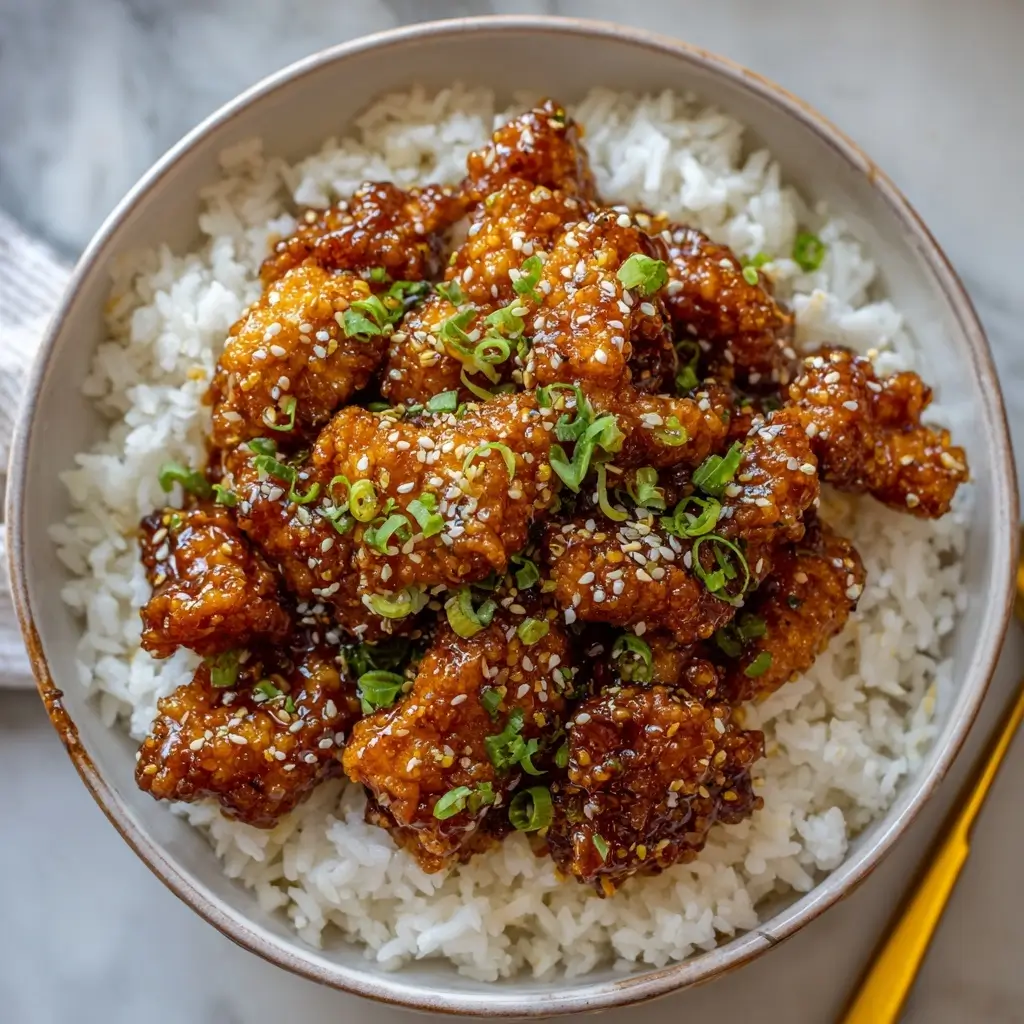
Honey Sesame Chicken is a beloved dish that seamlessly blends the rich umami of soy sauce with the natural sweetness of honey and the nutty aroma of toasted sesame seeds. This crowd-pleasing recipe has become a staple in both home kitchens and Chinese-American restaurants across the globe. With its glossy glaze, tender chicken pieces, and satisfying crunch, it’s no wonder this dish is a favorite for weeknight dinners, special gatherings, or meal prep. In this comprehensive guide, we’ll explore everything you need to know about Honey Sesame Chicken—from its fascinating origins and detailed ingredient analysis to step-by-step cooking instructions, nutritional insights, variations, and expert tips for achieving restaurant-quality results at home.
The History of Honey Sesame Chicken
While Honey Sesame Chicken may appear to be a traditional Chinese dish, it is actually a product of Chinese-American culinary innovation. It emerged during the 20th century as part of the broader adaptation of Chinese cuisine to American tastes, particularly favoring sweeter, more accessible flavors. The use of honey as a primary sweetener distinguishes it from similar dishes like General Tso’s Chicken or Orange Chicken, which rely more on sugar or citrus-based sauces. Sesame seeds have long been used in East Asian cooking for their rich, earthy flavor and decorative appeal, but pairing them with honey-coated fried chicken is a relatively modern creation. Over time, this dish gained popularity not only in the United States but also in Canada, Australia, and parts of Europe where fusion Asian cuisine thrives. Today, Honey Sesame Chicken stands as a symbol of cross-cultural culinary evolution—bridging Eastern techniques with Western palates.
Ingredients Breakdown: What Makes This Dish Shine?
The magic of Honey Sesame Chicken lies in its balance of textures and flavors. Each ingredient plays a crucial role in building the dish’s signature taste profile:
- Chicken Breast or Thighs: Boneless, skinless chicken breasts are commonly used for their lean texture and mild flavor, though thighs offer a juicier, more tender alternative due to their higher fat content.
- Cornstarch: Essential for coating the chicken before frying, cornstarch creates a light, crispy exterior that holds up well against the sticky sauce without becoming soggy.
- Soy Sauce: Provides the savory backbone (umami) of the sauce. Low-sodium soy sauce is recommended to control salt levels, especially when combined with other salty ingredients.
- Honey: The star sweetener, honey adds floral notes and a luscious viscosity that helps the sauce cling beautifully to the chicken. Its natural sugars also caramelize slightly when heated, enhancing depth of flavor.
- Rice Vinegar or Apple Cider Vinegar: Adds brightness and cuts through the richness of the honey and oil, balancing the overall flavor.
- Garlic and Ginger: Freshly minced garlic and grated ginger infuse the sauce with aromatic warmth and complexity, elevating it beyond simple sweetness.
- Sesame Oil: Used sparingly for its intense nutty aroma, this oil enhances the sesame theme without overpowering the dish.
- Toasted Sesame Seeds: Sprinkled on top for garnish, they add visual appeal and a delightful crunch.
- Green Onions: Sliced thinly and added at the end for freshness and color contrast.
- Oil for Frying: Neutral oils with high smoke points—such as canola, vegetable, or peanut oil—are ideal for deep-frying or pan-frying the chicken evenly.
- Water or Chicken Broth: Helps thin the sauce to the perfect consistency so it coats rather than drowns the chicken.
Optional additions include red pepper flakes for heat, pineapple juice for tropical sweetness, or hoisin sauce for added depth.
Step-by-Step Recipe: How to Make Perfect Honey Sesame Chicken at Home
Follow these detailed steps to recreate this delectable dish in your own kitchen. With careful attention to timing and temperature, you’ll achieve crispy, golden chicken enveloped in a glossy, sweet-savory sauce.
Ingredients (Serves 4)
- 1.5 lbs (680g) boneless, skinless chicken breasts or thighs, cut into 1-inch cubes
- ½ cup cornstarch
- 1 large egg, beaten
- ¼ teaspoon salt
- ¼ teaspoon black pepper
- ½ cup vegetable oil (for frying)
- ⅓ cup honey (preferably raw or amber)
- 3 tablespoons low-sodium soy sauce
- 2 tablespoons rice vinegar
- 1 tablespoon sesame oil
- 3 cloves garlic, minced
- 1 tablespoon fresh ginger, grated
- ¼ cup water or chicken broth
- 2 tablespoons toasted sesame seeds
- 2 green onions, sliced diagonally
Directions
- Prepare the Chicken: Pat the chicken pieces dry with paper towels to ensure the coating adheres properly. In a bowl, season the chicken with salt and pepper. Dip each piece first into the beaten egg, then coat thoroughly with cornstarch. Shake off any excess and place on a plate. Let rest for 10–15 minutes to allow the coating to set.
- Fry the Chicken: Heat the vegetable oil in a large skillet or wok over medium-high heat until shimmering (about 350°F/175°C). Working in batches to avoid overcrowding, carefully add the coated chicken pieces. Fry for 3–4 minutes per side, or until golden brown and cooked through (internal temperature should reach 165°F/74°C). Transfer to a wire rack or paper towel-lined plate to drain excess oil.
- Make the Sauce: In a clean saucepan, combine honey, soy sauce, rice vinegar, sesame oil, minced garlic, and grated ginger. Stir in water or broth and bring to a gentle simmer over medium heat. Cook for 3–5 minutes, stirring frequently, until the sauce thickens slightly and becomes glossy. Taste and adjust seasoning—add a splash more vinegar for tang or honey for sweetness if desired.
- Coat the Chicken: Once all the chicken is fried, reduce the heat under the sauce to low. Add the fried chicken pieces to the sauce and gently toss using tongs or a spatula until every piece is evenly coated. Be careful not to break the crispy exterior.
- Serve Immediately: Transfer the glazed chicken to a serving platter. Sprinkle generously with toasted sesame seeds and sliced green onions. Serve hot alongside steamed white rice, jasmine rice, or cauliflower rice for a lower-carb option. For a complete meal, pair with stir-fried vegetables like broccoli, bell peppers, or snap peas.
Tips for Success: Mastering the Art of Honey Sesame Chicken
- Don’t Skip the Cornstarch Coating: Unlike flour, cornstarch fries up crispier and absorbs less oil, resulting in a lighter, crunchier bite.
- Use Fresh Garlic and Ginger: Pre-minced or powdered versions lack the vibrant punch of freshly prepared aromatics.
- Toast Your Sesame Seeds: Lightly toast raw sesame seeds in a dry pan over medium heat for 2–3 minutes until fragrant and golden. This intensifies their flavor dramatically.
- Avoid Overcooking the Sauce: Simmer just enough to thicken; prolonged boiling can cause the honey to crystallize or burn.
- Bake Instead of Fry (Optional): For a healthier version, preheat oven to 400°F (200°C), place coated chicken on a greased baking sheet, spray lightly with oil, and bake for 20–25 minutes, flipping halfway, until golden and cooked through.
- Double the Sauce for Leftovers: The sauce tends to get absorbed overnight, so consider making extra to reheat with leftovers.
- Rest Before Frying: Allowing the coated chicken to sit briefly prevents the coating from falling off during frying.
Variations and Customizations: Make It Your Own
Honey Sesame Chicken is highly adaptable. Here are some creative twists to suit different dietary needs and flavor preferences:
- Spicy Honey Sesame Chicken: Add 1–2 teaspoons of sriracha, chili garlic sauce, or crushed red pepper flakes to the sauce for a fiery kick.
- Pineapple Honey Sesame Chicken: Incorporate ¼ cup of pineapple juice into the sauce and add diced fresh pineapple at the end for a tropical twist.
- Gluten-Free Version: Substitute tamari or coconut aminos for soy sauce and ensure your cornstarch is certified gluten-free. Check labels on all ingredients to avoid cross-contamination.
- Keto-Friendly Option: Replace honey with a keto-approved sweetener like monk fruit syrup or allulose, and use almond flour instead of cornstarch. Note that texture and browning may vary.
- Vegan Alternative: Use crispy tofu, seitan, or cauliflower florets in place of chicken. Press and dry tofu well before coating and frying.
- Nut-Free Version: While sesame seeds aren’t tree nuts, they are allergens. For a nut-free alternative, omit sesame seeds and use sunflower seeds or roasted chickpeas for crunch.
- Slow Cooker Method: Prepare the sauce separately and pour over slow-cooked chicken (cooked on low for 4 hours). Toss with fried or baked chicken pieces before serving for best texture.
- Meal Prep Friendly: Store components separately—keep sauce, chicken, and garnishes apart—to maintain crispness. Reheat in a skillet or air fryer to restore crunch.
Health Considerations and Nutritional Value
While undeniably delicious, Honey Sesame Chicken does come with certain nutritional considerations depending on preparation methods and portion sizes.
Approximate Nutritional Information (Per Serving, based on 4 servings):
- Calories: ~420–480 kcal
- Protein: ~30–35g
- Total Fat: ~18–22g (varies with frying oil absorption)
- Saturated Fat: ~3–4g
- Carbohydrates: ~40–45g
- Sugars: ~25–30g (mostly from honey)
- Sodium: ~800–1000mg (can be reduced with low-sodium soy sauce)
- Fiber: ~1–2g
Key Health Notes:
- Honey: Though natural, honey is still a form of sugar. Moderation is key, especially for those managing blood sugar levels or following diabetic diets.
- Frying: Deep-frying increases fat and calorie content. Baking or air frying reduces oil usage significantly while preserving much of the texture.
- Soy Sauce: High in sodium. Opt for reduced-sodium versions or dilute with water to decrease salt intake.
- Protein Source: Chicken provides high-quality protein essential for muscle repair and satiety.
- Sesame Seeds: Rich in healthy fats, fiber, calcium, and antioxidants like sesamin and sesamolin, which may support heart health.
- Balanced Meal Tip: Serve with plenty of non-starchy vegetables and whole grains to improve nutrient density and balance macronutrients.
Frequently Asked Questions (FAQ)
Q: Can I make Honey Sesame Chicken ahead of time?
A: Yes, but for best results, store components separately. Fried chicken can lose crispness when refrigerated with sauce. Reheat chicken in an oven or air fryer and warm the sauce separately before combining.
Q: Why is my sauce too runny or too thick?
A: If too runny, simmer longer to reduce. If too thick, whisk in small amounts of water or broth until desired consistency is reached. Cornstarch slurry (1 tsp cornstarch + 1 tbsp water) can be used to thicken quickly if needed.
Q: Can I freeze Honey Sesame Chicken?
A: It’s not recommended to freeze the fully assembled dish, as the texture of the chicken and sauce deteriorates upon thawing. However, you can freeze the sauce separately for up to 3 months. Thaw and reheat gently, then toss with freshly cooked chicken.
Q: Is there a substitute for honey?
A: Maple syrup, agave nectar, or brown sugar mixed with water can work, though each alters the flavor profile slightly. Keep in mind that substitutions may affect the sauce’s ability to glaze properly.
Q: Can I use frozen chicken?
A: It’s best to use fresh chicken. If using frozen, thaw completely in the refrigerator and pat very dry before coating to prevent splattering and uneven breading.
Q: What sides go well with Honey Sesame Chicken?
A: Steamed white or brown rice, quinoa, lo mein noodles, stir-fried bok choy, sautéed green beans, or a crisp cucumber salad complement the dish perfectly.
Q: Can I make this in an air fryer?
A: Absolutely! Coat chicken with cornstarch and a light spray of oil. Air fry at 375°F (190°C) for 10–12 minutes, shaking halfway. Then toss with warmed sauce.
Summary
Honey Sesame Chicken is a harmonious blend of sweet, savory, and crunchy elements that delivers bold flavor in every bite. Easy to customize and perfect for family dinners or entertaining, this dish brings the taste of your favorite restaurant right into your kitchen.