Introduction
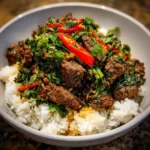
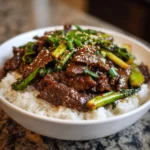
Thai Basil Beef, known in Thailand as Pad Krapow Neua (ผัดกระเพราเนื้อ), is a beloved staple of Thai street food culture. This sizzling, aromatic stir-fry combines the bold flavors of fresh basil, garlic, chili, and fish sauce to create a dish that’s both fiery and deeply savory. Served piping hot over steamed jasmine rice and often crowned with a fried egg, Thai Basil Beef delivers an explosion of flavor in every bite. It’s not just popular in Thailand—it has gained international acclaim for its perfect balance of heat, salt, sweetness, and umami, making it a favorite among home cooks and restaurant diners alike.
The History
The origins of Thai Basil Beef trace back to central Thailand, where stir-frying techniques were influenced by Chinese culinary traditions brought over centuries ago by traders and immigrants. The use of woks, high-heat cooking, and quick stir-frying methods are all hallmarks of this cross-cultural exchange. However, what makes Pad Krapow uniquely Thai is the incorporation of native ingredients like holy basil (bai krapow), bird’s eye chilies, fish sauce, and palm sugar—flavors that define the essence of Thai cuisine.
Originally a humble dish made by street vendors using affordable cuts of meat, Thai Basil Beef became a national comfort food. It was especially favored by laborers and office workers due to its affordability, speed of preparation, and satisfying taste. Over time, it evolved into a customizable meal available at nearly every roadside stand, from Bangkok markets to rural towns. Today, it’s a symbol of everyday Thai life and culinary ingenuity—a dish so iconic that many Thais consider it their go-to meal when craving something hearty, spicy, and full of soul.
Ingredients Breakdown
The magic of Thai Basil Beef lies in its simplicity and the harmony of its ingredients. Each component plays a crucial role in building layers of flavor:
- Beef: Traditionally, thinly sliced sirloin, flank steak, or ribeye is used. The key is choosing a cut that cooks quickly and remains tender when stir-fried at high heat.
- Holy Basil (Bai Krapow): This is essential. Holy basil has a peppery, clove-like aroma distinct from sweet or Thai basil. It wilts beautifully under heat and imparts a unique fragrance you can’t replicate with substitutes.
- Fresh Garlic: Minced finely to release its pungent aroma during cooking, forming the flavor base of the dish.
- Bird’s Eye Chilies: These tiny but mighty peppers bring intense heat. Adjust quantity based on your spice tolerance.
- Fish Sauce (Nam Pla): A cornerstone of Thai seasoning, providing salty depth and umami. Made from fermented anchovies, it enhances the savory profile without tasting “fishy” when cooked properly.
- Oyster Sauce: Adds a rich, slightly sweet thickness to the sauce while complementing the beef’s natural savoriness.
- Soy Sauce: Light soy sauce contributes color and saltiness; dark soy may be added sparingly for deeper hue.
- Palm Sugar: Used in small amounts to balance the salt and spice with a subtle caramel-like sweetness.
- Broth or Water: A splash helps deglaze the pan and create a light sauce that coats the beef.
- Cooking Oil: A neutral oil with a high smoke point—like vegetable or peanut oil—is ideal for stir-frying.
- Fried Egg (Optional but Traditional): Often served on top, the runny yolk adds richness and texture.
- Jasmine Rice: The classic accompaniment, serving as the perfect neutral base to soak up the flavorful sauce.
Step-by-Step Recipe
- Prepare Ingredients: Slice 1 lb (450g) of beef against the grain into thin strips for tenderness. Mince 4–6 cloves of garlic and 2–4 bird’s eye chilies (adjust to taste). Measure out ½ cup loosely packed holy basil leaves. In a small bowl, mix together 2 tbsp fish sauce, 1 tbsp oyster sauce, 1 tsp soy sauce, and ½ tsp palm sugar. Have broth or water ready nearby.
- Heat the Wok or Skillet: Place a wok or large heavy-bottomed skillet over high heat until very hot—this ensures proper searing and prevents steaming the meat.
- Sear the Aromatics: Add 1–2 tbsp of oil, then immediately toss in the minced garlic and chilies. Stir-fry for about 15–20 seconds until fragrant but not burnt.
- Add the Beef: Increase heat if possible and add the beef in a single layer. Let it sear undisturbed for 30 seconds to develop a nice crust, then stir-fry rapidly for 1–2 minutes until just browned but still slightly pink inside for best texture.
- Pour in the Sauce: Add the prepared sauce mixture and stir vigorously to coat the beef evenly. Cook for another 30 seconds to 1 minute, allowing the sauce to reduce slightly and cling to the meat.
- Incorporate the Basil: Toss in the holy basil leaves and stir just until wilted—about 20–30 seconds. The leaves should remain vibrant green and fragrant.
- Finish and Serve: Remove from heat immediately to prevent overcooking. Serve hot over a bed of steamed jasmine rice, optionally topped with a sunny-side-up or over-easy fried egg. Garnish with additional chilies or a lime wedge if desired.
Tips
- Use High Heat: Authentic Pad Krapow requires extremely high heat to achieve the characteristic “wok hei” (breath of the wok)—that smoky, charred aroma only possible with rapid cooking.
- Slice Meat Thinly Against the Grain: This breaks up muscle fibers, ensuring each bite is tender even with cheaper cuts.
- Don’t Overcook the Beef: For optimal juiciness, cook the beef just until it loses its raw appearance. Residual heat will continue to cook it slightly after removal from the pan.
- Fresh Holy Basil Is Key: While Thai or Italian basil can substitute in a pinch, they lack the distinctive spiciness and clove notes of holy basil. If unavailable, look for Asian grocery stores or grow your own.
- Pre-Mix the Sauce: Having your sauce ready before cooking allows for smooth, uninterrupted stir-frying—critical when working at high temperatures.
- Avoid Crowding the Pan: Cook in batches if necessary. Overcrowding lowers the temperature and causes the meat to steam instead of sear.
- Top with a Runny Egg: The yolk acts as a natural sauce enhancer, blending with the spices and coating each grain of rice luxuriously.
- Adjust Spiciness Gradually: Start with fewer chilies and increase next time. You can always serve extra chilies on the side for those who want more heat.
Variations and Customizations
While beef is traditional, Thai Basil Stir-Fry is incredibly versatile and commonly adapted across regions and households:
- Protein Swaps: Chicken (Pad Krapow Gai), pork (Neua Mun Dang), shrimp, tofu, or even squid can replace beef. Each brings its own texture and flavor profile.
- Vegan/Vegetarian Version: Use plant-based protein like textured vegetable protein (TVP), tempeh, or mushrooms (shiitake works well). Replace fish sauce with soy sauce or vegan fish sauce alternative.
- Different Basils: If holy basil isn’t available, Thai basil offers a sweeter, anise-forward note. Sweet basil is milder but acceptable in emergencies. Avoid mint or lemon balm—they alter the dish too much.
- Extra Vegetables: Some versions include bell peppers, snap peas, baby corn, or onions for added crunch and nutrition.
- Spice Level Adjustments: Mild versions omit chilies entirely; fiery renditions may double or triple them. Some restaurants offer a side of chili flakes or prik nam pla (chili-fish sauce condiment).
- Sauce Tweaks: Add a splash of lime juice for acidity, hoisin sauce for sweetness, or fermented soybean paste for complexity.
- Noodle Option: Instead of rice, serve over wide rice noodles or even egg noodles for a heartier meal.
- Crispy Pork Belly: Upscale versions sometimes use crispy pork belly for contrasting textures.
Health Considerations and Nutritional Value
Thai Basil Beef can be part of a balanced diet when enjoyed in moderation and prepared thoughtfully:
- Protein-Rich: Beef provides high-quality protein, iron, zinc, and B-vitamins, particularly B12, which supports nerve and blood health.
- Low-Carb Friendly: Without rice, this dish is relatively low in carbohydrates, making it suitable for keto or low-carb diets depending on sauce choices.
- Healthy Fats: When lean cuts are used and minimal oil is applied, fat content remains moderate. Opt for grass-fed beef for better omega-3 ratios.
- Sodium Watch: Fish sauce, oyster sauce, and soy sauce are high in sodium. To reduce salt, use reduced-sodium versions or dilute with water. Balance with potassium-rich sides like cucumber salad.
- Antioxidant Benefits: Holy basil contains antioxidants and compounds studied for anti-inflammatory and stress-reducing properties. Garlic and chilies also offer immune-boosting benefits.
- Calorie Control: A typical serving (beef + sauce + rice) ranges from 400–600 calories. Reduce calories by increasing veggies, using less oil, or skipping the fried egg.
- Digestive Aid: Spices like chili and garlic may stimulate digestion and metabolism, though they can aggravate sensitive stomachs or acid reflux conditions.
- Allergen Alert: Contains fish (from fish sauce) and soy (from soy/oyster sauces). Always check labels for shellfish allergens in oyster sauce.
Ingredients
- 1 lb (450g) beef (sirloin, flank, or ribeye), thinly sliced
- 4–6 cloves garlic, minced
- 2–4 fresh bird’s eye chilies, finely chopped (adjust to taste)
- ½ cup fresh holy basil leaves (bai krapow)
- 2 tbsp fish sauce
- 1 tbsp oyster sauce
- 1 tsp light soy sauce
- ½ tsp palm sugar (or brown sugar)
- ¼ cup beef broth or water
- 1–2 tbsp vegetable or peanut oil
- Cooked jasmine rice, for serving
- 1 egg per person (optional, for topping)
- Lime wedges and extra chilies, for garnish
Directions
- In a small bowl, combine fish sauce, oyster sauce, soy sauce, and palm sugar. Stir until sugar dissolves. Set aside.
- Heat a wok or large skillet over high heat until smoking slightly. Add oil and swirl to coat.
- Add garlic and chilies; stir-fry for 15–20 seconds until aromatic but not browned.
- Add beef in a single layer and let sear for 30 seconds without stirring. Then stir-fry for 1–2 minutes until mostly cooked through.
- Pour in the sauce mixture and stir to coat evenly. Cook for 30 seconds more, letting the sauce bubble and reduce slightly.
- Add broth or water and stir once. Immediately toss in holy basil leaves and stir until just wilted, about 20 seconds.
- Remove from heat and serve immediately over hot jasmine rice.
- If desired, fry eggs sunny-side up or over-easy in a separate pan and place one on top of each serving.
- Garnish with lime wedges and extra sliced chilies. Serve hot.
FAQ
Q: Can I use regular basil instead of holy basil?
A: You can, but the flavor will differ significantly. Holy basil has a spicy, peppery kick with clove-like notes, while sweet or Thai basil is more floral and licorice-scented. If substituting, add a pinch of black pepper to mimic the heat of holy basil.
Q: How do I make it less spicy?
A: Reduce or omit the bird’s eye chilies. You can also remove the seeds and membranes, where most of the capsaicin resides. Serve with cooling sides like cucumber relish or yogurt to offset heat.
Q: Can I prepare it ahead of time?
A: Best served fresh. However, you can prep ingredients (slice beef, mince aromatics, mix sauce) up to 24 hours in advance and store separately in the fridge. Assemble and cook just before serving.
Q: Why is my beef tough?
A: Likely causes include using a poor cut, slicing with the grain, overcooking, or using low heat. Always slice thinly against the grain and cook quickly over high heat.
Q: Is oyster sauce necessary?
A: It adds depth and body, but you can substitute with vegetarian oyster sauce (mushroom-based) or extra soy sauce with a bit of molasses for richness.
Q: Can I freeze leftovers?
A: Yes, but texture may suffer. Freeze in airtight containers for up to 3 months. Reheat gently on the stove with a splash of water to refresh the sauce. Note: basil may darken but flavor remains acceptable.
Q: What’s the difference between Pad Krapow and Drunken Noodles?
A: Both are stir-fries with similar ingredients, but drunken noodles (Pad Kee Mao) include wider rice noodles, more vegetables, and often a touch of alcohol (like beer in the sauce), with a bolder, tangier profile.
Summary
Thai Basil Beef is a fiery, aromatic stir-fry that captures the heart of Thai street food—bold, fast, and deeply satisfying. With tender beef, pungent garlic, spicy chilies, and fragrant holy basil, it’s a dish that awakens the senses and comforts the soul.