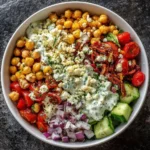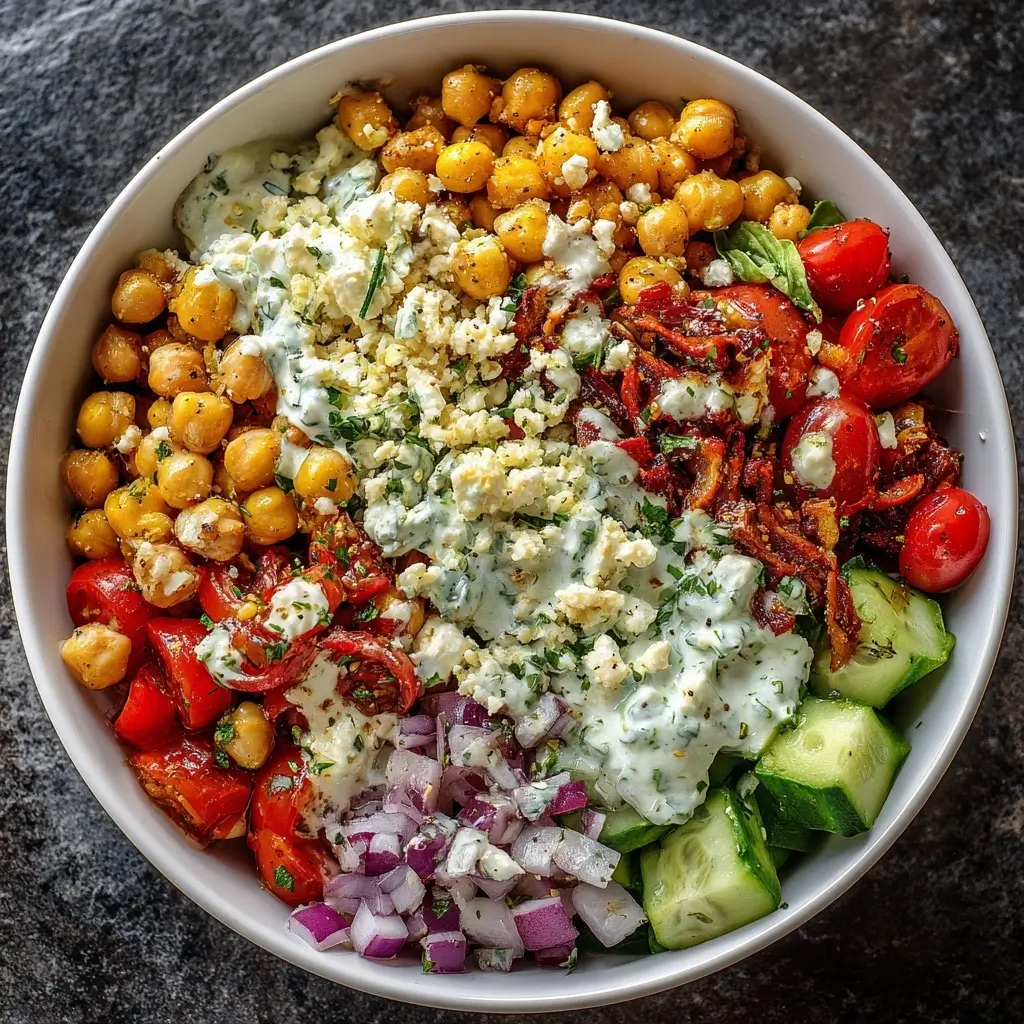
Mediterranean Chickpea Bowls: A Flavorful, Nutrient-Rich Meal for Every Day
The Mediterranean diet is renowned worldwide not only for its delicious flavors but also for its numerous health benefits. Among the standout dishes that embody this wholesome culinary tradition is the Mediterranean Chickpea Bowl—a vibrant, satisfying, and plant-powered meal that brings together the best of fresh vegetables, legumes, grains, and herbs in one colorful dish. Whether you’re a long-time vegetarian, a flexitarian exploring meatless meals, or simply someone who enjoys bold Mediterranean flavors, this chickpea bowl is sure to become a staple in your weekly rotation. Packed with fiber, protein, antioxidants, and healthy fats, it’s as nutritious as it is delicious.
The History of Mediterranean Cuisine and the Rise of Chickpea-Based Dishes
The roots of Mediterranean cuisine stretch across countries bordering the Mediterranean Sea—Greece, Italy, Spain, Turkey, Lebanon, Morocco, and others—each contributing unique ingredients and techniques shaped by climate, trade, agriculture, and culture. For centuries, legumes like chickpeas have played a vital role in the region’s food traditions. Known as gram or ceci in various languages, chickpeas were cultivated over 7,500 years ago in the Fertile Crescent and soon spread throughout the Mediterranean basin.
In ancient Greece and Rome, chickpeas were eaten roasted, boiled, or ground into flour. Over time, they became central to iconic dishes such as hummus in the Levant, falafel in Egypt and the Middle East, and revithia (baked chickpeas) in Greece. The modern concept of the grain bowl—a composed dish featuring grains, vegetables, legumes, and sauces—has gained popularity in Western diets over the past two decades as people seek balanced, customizable, and quick meals. The Mediterranean Chickpea Bowl is a contemporary twist on these age-old traditions, combining historical ingredients with modern plating styles and nutritional awareness.
Ingredients Breakdown: What Makes This Bowl So Special?
The beauty of the Mediterranean Chickpea Bowl lies in its simplicity and nutrient density. Each ingredient is chosen not just for flavor but also for its contribution to overall health. Let’s explore the components in detail:
- Chickpeas: Also known as garbanzo beans, these are rich in plant-based protein, dietary fiber, iron, folate, and manganese. They help regulate blood sugar and support digestive health.
- Quinoa or Whole Grains: Quinoa is a complete protein, meaning it contains all nine essential amino acids. Alternatives like farro, bulgur, or brown rice add complex carbohydrates and additional fiber.
- Cucumbers: Refreshing and hydrating, cucumbers are low in calories and high in water content, vitamin K, and antioxidants like flavonoids.
- Tomatoes: Rich in lycopene, a powerful antioxidant linked to reduced risk of heart disease and certain cancers, tomatoes also provide vitamin C and potassium.
- Red Onion: Adds a sharp, tangy bite and contains quercetin, an anti-inflammatory compound that may support cardiovascular and immune health.
- Kalamata Olives: These briny, purple olives are a source of heart-healthy monounsaturated fats and polyphenols, which act as antioxidants.
- Feta Cheese: A crumbly Greek cheese made from sheep or goat milk, feta delivers a creamy texture and salty punch while providing calcium and protein (use vegan feta for dairy-free).
- Fresh Herbs (Parsley, Mint): Brighten the dish with aromatic freshness; parsley is high in vitamin K and C, while mint aids digestion and adds a cooling note.
- Lemon Juice and Olive Oil: The foundation of the dressing, extra virgin olive oil provides monounsaturated fats and anti-inflammatory compounds, while lemon juice offers acidity and a boost of vitamin C.
- Garlic and Spices (Cumin, Paprika): Garlic has antimicrobial properties and enhances flavor, while cumin adds warmth and aids digestion. A pinch of smoked paprika can deepen the taste profile.
Step-by-Step Recipe: How to Make the Perfect Mediterranean Chickpea Bowl
Creating a Mediterranean Chickpea Bowl at home is simple, flexible, and rewarding. Follow these steps for a restaurant-quality meal in under 30 minutes.
- Cook the Grain Base: Rinse 1 cup of quinoa under cold water. In a saucepan, combine quinoa with 2 cups of water or vegetable broth. Bring to a boil, then reduce heat, cover, and simmer for 15 minutes until liquid is absorbed. Fluff with a fork and set aside to cool slightly. (Alternatively, use pre-cooked farro, brown rice, or couscous.)
- Prepare the Chickpeas: Drain and rinse 1 can (15 oz) of chickpeas. Pat dry and toss with 1 tbsp olive oil, ½ tsp ground cumin, ¼ tsp smoked paprika, salt, and pepper. Spread on a baking sheet and roast at 400°F (200°C) for 20–25 minutes until golden and slightly crispy. Alternatively, sauté in a pan for 8–10 minutes for quicker preparation.
- Chop the Vegetables: Dice 1 large cucumber, 2 medium tomatoes, and ½ red onion. Slice ¼ cup of Kalamata olives. Chop a handful each of fresh parsley and mint.
- Make the Dressing: In a small bowl, whisk together 3 tbsp extra virgin olive oil, juice of 1 lemon (about 3 tbsp), 1 minced garlic clove, ½ tsp dried oregano, salt, and freshly ground black pepper. Adjust seasoning to taste.
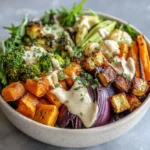
- Assemble the Bowls: Divide the cooked quinoa among four bowls. Top evenly with roasted chickpeas, chopped vegetables, olives, and herbs. Crumble ¼ cup of feta cheese per bowl (or vegan alternative). Drizzle generously with dressing just before serving.
- Serve and Enjoy: Toss gently at the table or eat as layered ingredients. Serve with warm pita bread, tzatziki, or a side of dolmades for a full Mediterranean experience.
Tips for Making the Best Mediterranean Chickpea Bowls
- Rinse Canned Chickpeas Well: This removes excess sodium and the starchy liquid that can cause bloating.
- Roast Chickpeas for Extra Flavor: Roasting enhances their nuttiness and gives them a satisfying crunch. For even crispier results, leave them in the oven with the door slightly open after turning off the heat.
- Use High-Quality Olive Oil: Since olive oil is a key component of the dressing, choose a good extra virgin variety for the best flavor and health benefits.
- Add Greens: Boost nutrition by adding baby spinach, arugula, or romaine lettuce as a base layer under the quinoa.
- Dress Just Before Serving: To prevent sogginess, especially if meal prepping, keep the dressing separate and add it right before eating.
- Balanced Texture: Combine creamy (feta, avocado), crunchy (cucumber, roasted chickpeas), and juicy (tomatoes) elements for a satisfying mouthfeel.
- Meal Prep Friendly: Cook grains and roast chickpeas in advance. Store components separately in airtight containers for up to 4 days. Assemble bowls fresh when ready to eat.
Variations and Customizations: Make It Your Own
One of the greatest advantages of the Mediterranean Chickpea Bowl is its versatility. Feel free to adapt it based on seasonal produce, dietary needs, or personal taste preferences.
- Grain Swaps: Replace quinoa with bulgur wheat, farro, freekeh, brown rice, or even cauliflower rice for a low-carb version.
- Protein Boosts: Add grilled chicken, shrimp, salmon, or hard-boiled eggs for non-vegetarian options. For extra plant protein, include marinated tofu or tempeh.
- Veggie Additions: Roasted red peppers, artichoke hearts, steamed broccoli, shredded carrots, radishes, or avocado slices can enhance color and flavor.
- Dairy-Free/Vegan: Skip feta or use a plant-based alternative made from almonds, tofu, or coconut. Ensure all other ingredients are vegan-friendly.
- Gluten-Free: Naturally gluten-free if using quinoa or certified GF grains. Double-check labels on canned goods and spices if cross-contamination is a concern.
- Spice It Up: Add a pinch of chili flakes, harissa paste, or a dash of hot sauce to the dressing for heat lovers.
- Herb Variations: Try dill, cilantro, or basil instead of parsley and mint for a different aromatic profile.
- Fruit Twists: Add pomegranate seeds, diced peaches, or dried apricots for a sweet contrast that complements the savory elements.
Health Considerations and Nutritional Value
The Mediterranean Chickpea Bowl aligns perfectly with evidence-based dietary patterns associated with longevity, heart health, and reduced risk of chronic diseases. Here’s a breakdown of its health benefits:
- Heart Health: Thanks to olive oil, nuts (if added), and fiber-rich legumes, this bowl supports healthy cholesterol levels and blood pressure.
- Digestive Wellness: Chickpeas and whole grains are excellent sources of both soluble and insoluble fiber, promoting gut health and regularity.
- Blood Sugar Regulation: The combination of protein, fiber, and healthy fats helps stabilize blood glucose levels, making this meal suitable for people with type 2 diabetes or insulin resistance.
- Weight Management: High satiety from protein and fiber means you feel fuller longer, reducing the likelihood of overeating later.
- Antioxidant-Rich: Tomatoes, olives, herbs, and lemon juice deliver a wide range of antioxidants that combat oxidative stress and inflammation.
- Nutrient Density: This bowl provides vitamins A, C, K, B6, folate, iron, magnesium, potassium, and calcium—essential nutrients often lacking in processed diets.
Nutritional Estimate (per serving, approx. 1 bowl):
- Calories: 450–550 kcal
- Protein: 15–20g
- Fat: 20–25g (mostly unsaturated)
- Carbohydrates: 50–60g
- Fiber: 12–15g
- Sodium: 600–800mg (adjustable by reducing added salt and choosing low-sodium chickpeas)
Note: Values vary depending on specific ingredients and portion sizes. Use a nutrition calculator for precise tracking.
Ingredients
- 1 cup quinoa (or grain of choice)
- 2 cups water or vegetable broth
- 1 (15 oz) can chickpeas, drained and rinsed
- 1 tbsp olive oil (plus more for drizzling)
- ½ tsp ground cumin
- ¼ tsp smoked paprika
- Salt and black pepper to taste
- 1 large cucumber, diced
- 2 medium tomatoes, diced
- ½ red onion, finely chopped
- ¼ cup Kalamata olives, sliced
- ½ cup fresh parsley, chopped
- ¼ cup fresh mint, chopped
- ½ cup crumbled feta cheese (or vegan substitute)
- 3 tbsp extra virgin olive oil (for dressing)
- Juice of 1 lemon (about 3 tbsp)
- 1 clove garlic, minced
- ½ tsp dried oregano
Directions
- Rinse quinoa thoroughly under cold water. In a medium saucepan, bring quinoa and 2 cups of water or broth to a boil. Reduce heat to low, cover, and simmer for 15 minutes or until water is absorbed and quinoa is fluffy. Remove from heat, fluff with a fork, and let sit covered for 5 minutes. Allow to cool slightly.
- Preheat oven to 400°F (200°C). On a baking sheet, toss chickpeas with 1 tbsp olive oil, cumin, smoked paprika, salt, and pepper. Spread in a single layer and roast for 20–25 minutes, shaking the pan halfway, until golden and slightly crisp. Set aside.
- In a small bowl, whisk together 3 tbsp olive oil, lemon juice, minced garlic, oregano, salt, and pepper. Taste and adjust seasoning as needed.
- In a large mixing bowl or directly in serving bowls, combine warm quinoa, roasted chickpeas, cucumber, tomatoes, red onion, olives, parsley, and mint. Gently toss to combine.
- Top each bowl with crumbled feta cheese and a generous drizzle of lemon-herb dressing.
- Serve immediately, optionally with warm pita, tzatziki, or a sprinkle of sumac for tanginess.
FAQ (Frequently Asked Questions)
Can I make this ahead of time?
Yes! Prepare the quinoa, roast chickpeas, chop vegetables, and make the dressing up to 4 days in advance. Store components separately in airtight containers in the refrigerator. Assemble bowls fresh before eating to maintain texture.
Are chickpeas good for weight loss?
Absolutely. Chickpeas are high in protein and fiber, both of which promote fullness and reduce appetite. Their low glycemic index helps prevent blood sugar spikes, supporting sustainable energy and reduced cravings.
Can I freeze this dish?
It’s best not to freeze fully assembled bowls, as vegetables will become soggy upon thawing. However, cooked quinoa and roasted chickpeas can be frozen separately for up to 3 months. Thaw in the refrigerator before use.
Is this recipe gluten-free?
Yes, provided you use naturally gluten-free grains like quinoa, certified gluten-free oats, or rice. Avoid cross-contamination if sensitivity is severe.
How can I make it creamier?
Add sliced avocado, a dollop of hummus, or a tahini-lemon drizzle. You can also blend some chickpeas into the dressing for a thicker consistency.
What can I use instead of feta?
Try goat cheese, ricotta salata, halloumi (grilled), or vegan feta made from tofu, almonds, or coconuts. Even a sprinkle of nutritional yeast can add a cheesy note.
Can I use dried chickpeas instead of canned?
Yes. Soak ½ cup dried chickpeas overnight, then boil until tender (about 1–1.5 hours). Use in place of canned. Dried chickpeas have a superior texture and lower sodium content.
Summary
Mediterranean Chickpea Bowls are a celebration of fresh ingredients, vibrant flavors, and nourishing whole foods that honor centuries-old culinary traditions. Packed with plant-based protein, fiber, and heart-healthy fats, they offer a delicious way to support wellness without sacrificing taste.