Roasted Veggie Buddha Bowls: A Vibrant, Nutrient-Packed Meal for Every Day
If you’re searching for a wholesome, satisfying, and visually stunning meal that nourishes both body and soul, look no further than Roasted Veggie Buddha Bowls. These colorful bowls have taken the health food world by storm, and for good reason—they’re not only delicious but also endlessly customizable, making them perfect for plant-based eaters, busy professionals, meal preppers, and anyone who values vibrant, nutrient-dense food. Whether you’re new to plant-forward eating or a seasoned wellness enthusiast, this guide will walk you through everything you need to know about crafting the perfect roasted veggie Buddha bowl.
The History of Buddha Bowls
The term “Buddha Bowl” emerged in the early 2010s as part of the growing trend toward healthy, balanced, and aesthetically pleasing meals. While its exact origin is unclear, the name is believed to be inspired by the round, plump belly of Buddha, symbolizing abundance, harmony, and mindful eating. These bowls reflect principles of balance—often incorporating grains, proteins, vegetables, and sauces in equal measure.
Buddha bowls draw influence from various global cuisines, including Mediterranean grain salads, Asian rice bowls, and Latin American burrito bowls. They evolved from the farm-to-table movement and the increasing popularity of plant-based diets. As people began prioritizing whole foods, sustainability, and food as medicine, Buddha bowls became a canvas for creativity and nutrition. The roasted vegetable variation, in particular, brings depth of flavor and warmth, making it ideal for cooler months or those seeking heartier plant-based meals.
Ingredients Breakdown: What Makes a Perfect Roasted Veggie Buddha Bowl?
A well-crafted Buddha bowl isn’t just about tossing random ingredients together—it’s about achieving balance in texture, color, flavor, and nutrition. Here’s how each component contributes:
- Base (Grains): Provides complex carbohydrates and fiber. Common choices include quinoa, brown rice, farro, or millet. Quinoa is especially popular due to its complete protein profile.
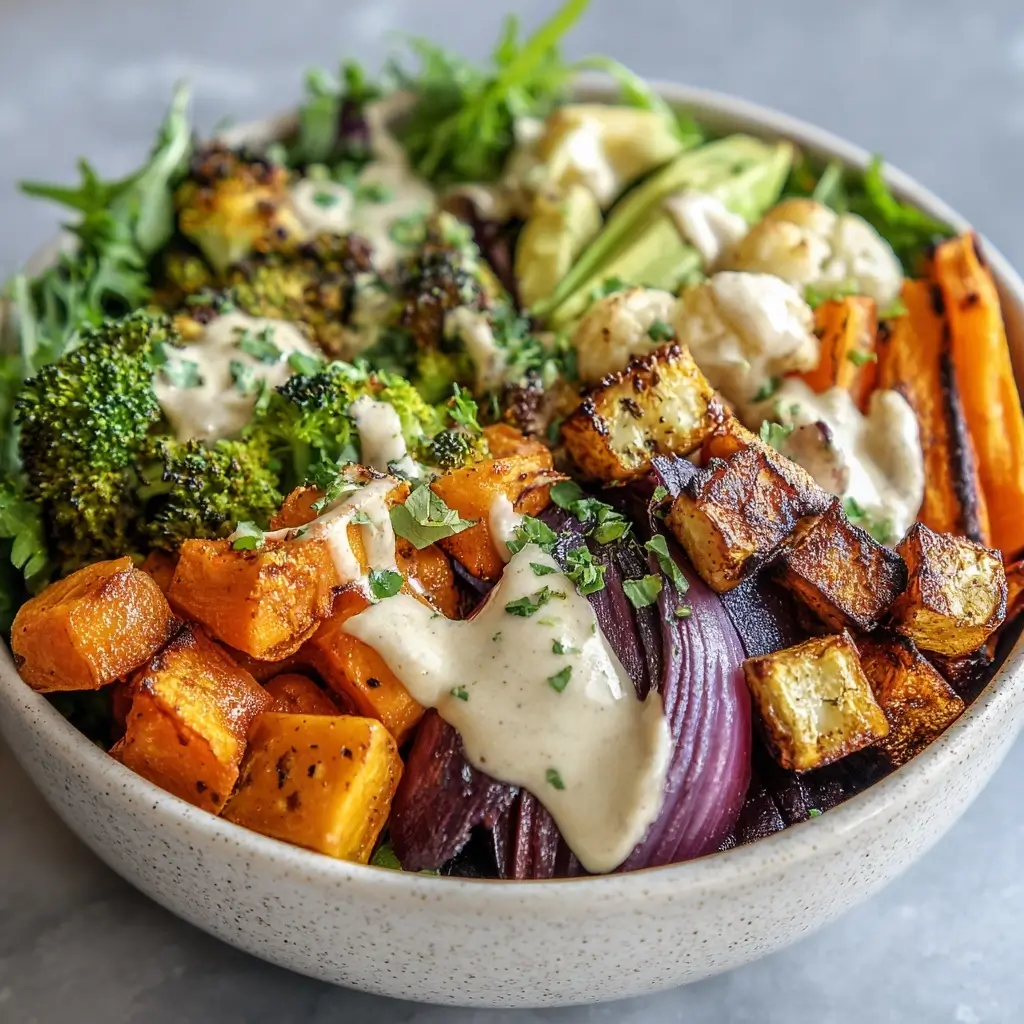
- Roasted Vegetables: The star of the show! Root vegetables like sweet potatoes, carrots, and beets caramelize beautifully when roasted, enhancing their natural sweetness. Cruciferous veggies like broccoli and cauliflower develop a nutty, slightly crispy texture.
- Protein: Essential for satiety and muscle repair. Options include chickpeas, black beans, lentils, baked tofu, tempeh, edamame, or even grilled chicken for non-vegetarians.
- Healthy Fats: Adds richness and helps absorb fat-soluble vitamins. Avocado slices, toasted nuts (like almonds or walnuts), seeds (such as pumpkin or sunflower), or a drizzle of olive oil are excellent sources.
- Greens: For freshness and added nutrients. Baby spinach, kale, arugula, or shredded cabbage add a crisp contrast to the warm roasted veggies.
- Toppings: Texture enhancers. Think pickled red onions, sauerkraut, kimchi, microgreens, or fresh herbs like cilantro or parsley.
- Sauce/Dressing: Ties everything together. Popular options include tahini-lemon dressing, creamy avocado sauce, miso-ginger vinaigrette, or a spicy sriracha mayo.
Step-by-Step Recipe: How to Make Roasted Veggie Buddha Bowls
Follow these detailed steps to create a restaurant-quality Buddha bowl at home.
Ingredients
For the Roasted Vegetables:
- 1 medium sweet potato, peeled and cubed
- 1 cup chopped broccoli florets
- 1 cup diced carrots
- 1 small red bell pepper, sliced
- 1 cup cherry tomatoes, halved
- 1 small zucchini, sliced
- 2 tablespoons olive oil
- 1 teaspoon smoked paprika
- ½ teaspoon garlic powder
- ½ teaspoon onion powder
- Salt and black pepper to taste
For the Base:
- 1 cup uncooked quinoa (or 3 cups cooked)
- 2 cups water or vegetable broth
For the Protein:
- 1 can (15 oz) chickpeas, drained, rinsed, and patted dry
- 1 tablespoon olive oil
- ½ teaspoon cumin
- ¼ teaspoon chili powder
- Salt to taste
Additional Components:
- 2 cups baby spinach or kale
- 1 ripe avocado, sliced
- ¼ cup crumbled feta cheese (optional, omit for vegan)
- 2 tablespoons pumpkin seeds or sunflower seeds
- 2 tablespoons chopped fresh parsley or cilantro
- 2 tablespoons pickled red onions (thinly slice red onion and soak in ½ cup apple cider vinegar, 1 tsp sugar, and pinch of salt for 20+ minutes)
Tahini-Lemon Dressing:
- ¼ cup tahini
- 2 tablespoons fresh lemon juice
- 1 tablespoon maple syrup or agave
- 1 clove garlic, minced
- 2–3 tablespoons water (to thin)
- Salt and pepper to taste
Directions
- Cook the Quinoa: Rinse quinoa under cold water. In a saucepan, combine quinoa and water (or broth). Bring to a boil, then reduce heat to low, cover, and simmer for 15 minutes or until liquid is absorbed. Remove from heat, fluff with a fork, and let sit covered for 5 minutes. Set aside.
- Roast the Vegetables: Preheat oven to 400°F (200°C). On a large baking sheet, toss sweet potatoes, broccoli, carrots, bell pepper, zucchini, and cherry tomatoes with olive oil, smoked paprika, garlic powder, onion powder, salt, and pepper. Spread in an even layer. Roast for 25–30 minutes, flipping halfway through, until tender and slightly caramelized.
- Roast the Chickpeas: On a separate tray (or after removing veggies), toss chickpeas with olive oil, cumin, chili powder, and salt. Roast at 400°F for 20–25 minutes, shaking the pan occasionally, until golden and crispy. This adds a delightful crunch!
- Prepare the Dressing: In a small bowl, whisk together tahini, lemon juice, maple syrup, garlic, salt, and pepper. Add water one tablespoon at a time until the desired consistency is reached—a smooth, pourable dressing.
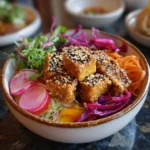
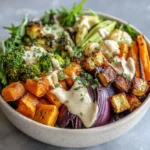
- Assemble the Bowls: Begin with a base of quinoa. Arrange roasted vegetables and chickpeas over the grains. Add a handful of fresh greens, avocado slices, pickled onions, seeds, herbs, and optional feta. Drizzle generously with tahini-lemon dressing just before serving.
- Serve Immediately: Enjoy warm for the best flavor and texture contrast.
Tips for the Best Roasted Veggie Buddha Bowls
- Uniform Cutting: Cut vegetables into similar sizes to ensure even roasting. Larger root veggies may need smaller cubes than softer ones like zucchini.
- Don’t Crowd the Pan: Use two baking sheets if needed. Overcrowding causes steaming instead of roasting, leading to soggy veggies.
- High Heat is Key: Roast at 400°F or higher to achieve caramelization and crispy edges.
- Meal Prep Friendly: Roast veggies and cook quinoa up to 4 days in advance. Store components separately in airtight containers. Assemble bowls fresh to prevent sogginess.
- Dressing on the Side: If preparing ahead, keep dressing separate and add just before eating to maintain texture.
- Flavor Boosters: Add umami-rich ingredients like nutritional yeast, miso paste in dressings, or a sprinkle of furikake for extra depth.
Variations and Customizations
One of the greatest strengths of Buddha bowls is their versatility. Here are creative ways to switch things up:
- Grain Alternatives: Swap quinoa for farro, wild rice, bulgur, or even cauliflower rice for a low-carb option.
- Seasonal Veggies: In spring, use asparagus and peas; summer calls for corn, eggplant, and tomatoes; fall and winter shine with squash, parsnips, and Brussels sprouts.
- Protein Swaps: Try black beans, lentils, tempeh bacon, marinated tofu, or even a soft-boiled egg.
- Different Dressings: Experiment with peanut sauce, green goddess, balsamic glaze, turmeric-tahini, or a citrusy vinaigrette.
- Global Inspirations:
- Mediterranean: Use hummus, olives, cucumbers, tomatoes, and a lemon-oregano dressing.
- Asian-Inspired: Include edamame, mango, shredded carrots, pickled ginger, and a sesame-soy dressing.
- Mexican Style: Add corn, black beans, salsa, guacamole, and a chipotle-lime crema.
- Kid-Friendly Version: Skip spicy elements, add sweet roasted carrots and apples, use mild cheese, and serve with a creamy ranch-style dressing.
Health Considerations and Nutritional Value
Roasted Veggie Buddha Bowls are a powerhouse of nutrition when balanced correctly. Here’s why they’re beneficial:
- Fiber-Rich: High in dietary fiber from whole grains, legumes, and vegetables, promoting digestive health and sustained energy.
- Plant-Based Protein: Combining grains and legumes provides all essential amino acids, supporting muscle maintenance and repair.
- Antioxidants and Phytonutrients: Colorful vegetables deliver vitamins A, C, K, and antioxidants like beta-carotene and lycopene, which combat oxidative stress.
- Heart-Healthy Fats: Avocado, seeds, and olive oil contribute monounsaturated fats that support cardiovascular health.
- Low in Added Sugar: When prepared without processed sauces, Buddha bowls are naturally low in refined sugars.
- Supports Weight Management: High volume, low-calorie density ingredients help you feel full without excess calories.
Nutritional Estimate (per bowl, without dressing):
- Calories: ~500–600
- Protein: 15–20g
- Fat: 20–25g (mostly unsaturated)
- Carbohydrates: 60–70g
- Fiber: 12–15g
- Rich in Iron, Magnesium, Vitamin C, and Folate
Note: Nutritional content varies based on ingredient proportions and substitutions. For lower calorie options, reduce oil and high-fat toppings. For higher protein, add more legumes or plant-based protein powders to dressings.
Frequently Asked Questions (FAQ)
Can I make Buddha bowls ahead of time?
Yes! Prepare grains, roast veggies, and cook proteins in advance. Store components separately in the fridge for up to 4 days. Assemble bowls fresh and add dressing just before eating.
Are Buddha bowls suitable for weight loss?
Absolutely, when portion-controlled and made with whole, unprocessed ingredients. Focus on fiber-rich bases and lean proteins to stay full longer.
Can I freeze roasted vegetables?
While possible, freezing can alter texture—especially for softer veggies like zucchini. It’s best to refrigerate and consume within 3–4 days.
How do I keep my bowl from getting soggy?
Avoid adding dressing too early, and let roasted veggies cool slightly before storing. Use sturdy greens like kale instead of delicate lettuce if prepping ahead.
Are Buddha bowls vegan and gluten-free?
They can be! Use gluten-free grains like quinoa or rice, and skip animal products like feta or honey in dressings. Always check labels on sauces and seasonings.
What if I don’t like tahini?
No problem! Substitute with Greek yogurt (for non-vegan), avocado, hummus, or a simple olive oil and lemon dressing.
Summary
Roasted Veggie Buddha Bowls are a celebration of color, flavor, and nutrition—perfect for nourishing your body with whole, plant-based ingredients. Easy to customize and ideal for meal prep, they make healthy eating joyful and sustainable.