Introduction
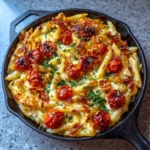
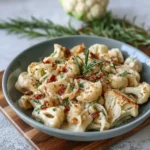
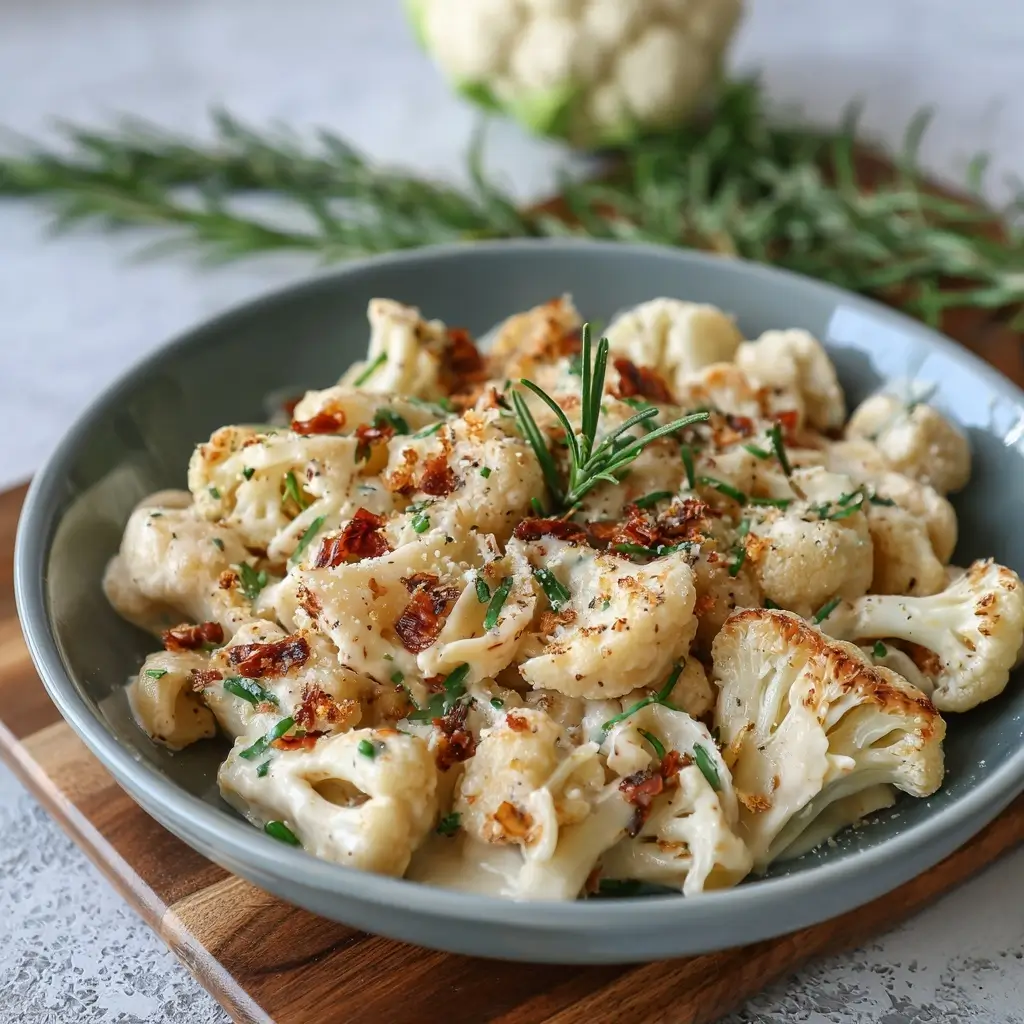
Looking for a creamy, dreamy pasta dish that’s both indulgent and nourishing? Say hello to Cauliflower Alfredo Pasta—a modern twist on the classic Italian favorite that brings all the richness of traditional Alfredo sauce without the heavy load of cream, butter, and calories. This plant-based, nutrient-packed version transforms humble cauliflower into a velvety, luxurious sauce that clings perfectly to tender pasta. Whether you’re vegan, dairy-free, watching your waistline, or simply seeking a healthier comfort food alternative, this recipe is sure to become a staple in your kitchen. With its vibrant flavor, silky texture, and endless customization options, Cauliflower Alfredo Pasta is more than just a meal—it’s a celebration of wholesome ingredients meeting gourmet taste.
The History
The original Fettuccine Alfredo has roots in early 20th-century Rome, credited to Alfredo di Lelio, an Italian restaurateur who created the dish around 1908 to entice his wife’s appetite during pregnancy. The authentic version features only fettuccine tossed with copious amounts of butter and Parmesan cheese, creating a rich, emulsified sauce. It became famous in the United States after American tourists brought stories—and cravings—back home, where it evolved into the ultra-creamy, heavy cream-laden version commonly found in restaurants today.
Fast forward to the 21st century, as health-conscious eating trends surged, so did the demand for lighter, plant-forward alternatives. Enter Cauliflower Alfredo Pasta: a clever reinvention born from the clean-eating, whole-food movement. Nutritionists, chefs, and home cooks alike began experimenting with steamed cauliflower as a base for creamy sauces, leveraging its mild flavor and soft texture when blended. This innovation not only reduces saturated fat and cholesterol but also adds fiber, vitamins, and antioxidants. Today, cauliflower alfredo stands as a shining example of how tradition can gracefully adapt to modern dietary needs without sacrificing soul-satisfying flavor.
Ingredients Breakdown
The magic of Cauliflower Alfredo lies in its simplicity and smart ingredient selection. Each component plays a vital role in building flavor, texture, and nutrition:
- Fresh Cauliflower: The star of the show. When steamed and blended, it creates a naturally creamy base with a neutral taste that absorbs other flavors beautifully. High in fiber, vitamin C, and antioxidants like glucosinolates, it boosts the dish’s nutritional profile significantly.
- Garlic: Adds aromatic depth and a subtle pungency. Known for its immune-boosting and anti-inflammatory properties, garlic enhances both taste and wellness.
- Nutritional Yeast: A must-have in vegan cooking, this deactivated yeast provides a cheesy, umami-rich flavor while contributing B-complex vitamins, including B12 (if fortified), which is essential for nerve function and energy metabolism.
- Lemon Juice: Brightens the sauce and balances the richness. Its acidity helps lift the flavors and prevents the sauce from tasting flat.
- Olive Oil: Adds silkiness and heart-healthy monounsaturated fats. Extra virgin olive oil contributes a fruity note and supports the absorption of fat-soluble nutrients.
- Unsweetened Plant-Based Milk: Almond, oat, or cashew milk helps achieve the desired pourable consistency without adding dairy. These milks are low in calories and free from lactose and cholesterol.
- Salt and Black Pepper: Essential seasonings that enhance all other flavors. Freshly cracked pepper adds a gentle heat and complexity.
- Pasta: Traditionally fettuccine, but any shape works—try whole grain, chickpea, lentil, or gluten-free varieties for added protein and fiber.
- Optional Add-ins: Sautéed mushrooms, spinach, sun-dried tomatoes, roasted cherry tomatoes, grilled chicken, shrimp, or crispy tofu can elevate the dish into a complete meal.
Step-by-Step Recipe
- Prepare the Cauliflower: Remove the leaves and stem from one medium head of cauliflower. Cut into small, evenly sized florets to ensure uniform cooking. Rinse thoroughly under cold water.
- Steam the Cauliflower: Place the florets in a steamer basket over boiling water. Cover and steam for 12–15 minutes, or until very tender when pierced with a fork. Overcooking slightly is better than undercooking, as softer cauliflower blends smoother.
- Cook the Pasta: While the cauliflower steams, bring a large pot of salted water to a boil. Add 8–12 oz (225–340g) of your preferred pasta and cook according to package instructions until al dente. Reserve ½ cup of pasta water before draining.
- Blend the Sauce: Transfer the steamed cauliflower to a high-speed blender. Add 3 cloves of minced garlic, ¼ cup nutritional yeast, juice of half a lemon, 2 tablespoons extra virgin olive oil, ½ teaspoon salt, ¼ teaspoon black pepper, and ¼ cup unsweetened plant-based milk. Blend on high for 1–2 minutes, scraping down the sides as needed, until completely smooth and creamy. Add more milk or reserved pasta water if a thinner consistency is desired.
- Combine Pasta and Sauce: In the drained pasta pot, add the cooked pasta and pour the cauliflower sauce over it. Stir gently over low heat for 2–3 minutes to warm through and allow the flavors to meld. Use reserved pasta water as needed to loosen the sauce.
- Taste and Adjust: Sample the dish and adjust seasoning—add more salt, pepper, lemon juice, or nutritional yeast depending on preference.
- Serve Immediately: Divide into bowls and garnish with fresh parsley, red pepper flakes, vegan Parmesan, or toasted pine nuts for added texture and flavor.
Tips
- Use a High-Speed Blender: For the silkiest sauce, a Vitamix, Blendtec, or similarly powerful blender is ideal. Regular blenders may leave small lumps unless blended longer.
- Don’t Skip the Steam: Steaming preserves nutrients better than boiling and prevents excess water from diluting the sauce. If boiling, avoid overwatering the florets.
- Roast for Depth: For a richer, nuttier flavor, roast the cauliflower at 400°F (200°C) for 25–30 minutes before blending. Roasting enhances sweetness and umami notes.
- Add Umami Boosters: Incorporate a teaspoon of white miso paste, a splash of soy sauce, or a pinch of onion powder to deepen the savory profile.
- Warm Ingredients Before Blending: Ensure everything is hot before blending to maintain temperature and improve emulsification.
- Reheat Gently: When reheating leftovers, do so slowly on the stove with a splash of plant milk or water to restore creaminess.
- Prep Ahead: Steam and blend the sauce up to 3 days in advance. Store in an airtight container in the fridge and reheat before tossing with freshly cooked pasta.
Variations and Customizations
Cauliflower Alfredo is incredibly versatile. Here are some delicious ways to personalize it:
- Protein-Packed Version: Stir in grilled chicken strips, pan-seared shrimp, baked tofu, tempeh bacon, or white beans for added satiety.
- Green Goddess: Blend in a handful of steamed broccoli or raw baby spinach for a pop of color and extra nutrients.
- Spicy Kick: Add a dash of cayenne pepper, smoked paprika, or a spoonful of harissa paste for heat.
- Mushroom & Thyme: Sauté cremini mushrooms with thyme and garlic, then fold into the finished dish for an earthy, restaurant-style upgrade.
- Dairy-Inclusive Option: For non-vegan versions, stir in grated Parmesan, cream cheese, or mascarpone to intensify richness.
- Gluten-Free: Use gluten-free pasta made from brown rice, quinoa, or lentils to accommodate dietary restrictions.
- Creamier Texture: Add ¼ avocado or 2–3 soaked raw cashews while blending for extra lushness.
- Herb-Infused: Mix in fresh basil, dill, or chives for a garden-fresh twist.
- Lemon-Garlic Shrimp Topper: Sear peeled shrimp in olive oil, lemon juice, and garlic, then place atop the pasta for a gourmet touch.
- Meal Prep Friendly: Assemble individual containers with pasta, sauce, and veggies for easy weekday lunches. Reheat with a splash of water.
Health Considerations and Nutritional Value
Cauliflower Alfredo Pasta is a nutritional powerhouse compared to its traditional counterpart. Here’s why it’s a smarter choice:
- Lower in Calories and Fat: By replacing heavy cream and butter with cauliflower and olive oil, this version cuts saturated fat by up to 70% and reduces overall calorie count significantly.
- High in Fiber: Cauliflower and whole-grain pasta contribute dietary fiber, promoting digestive health, regulating blood sugar, and increasing fullness.
- Rich in Vitamins and Antioxidants: Cauliflower is loaded with vitamin C, vitamin K, folate, and compounds like sulforaphane, which have been studied for their potential cancer-fighting properties.
- Dairy-Free and Vegan: Ideal for those with lactose intolerance, milk allergies, or following plant-based diets. Still delivers a cheesy flavor through nutritional yeast.
- Supports Heart Health: Olive oil provides monounsaturated fats linked to reduced risk of cardiovascular disease.
- Low Glycemic Index: Especially when paired with legume-based pasta, this dish offers steady energy release and is suitable for diabetic meal planning.
- Immune-Boosting: Garlic and lemon juice contribute antimicrobial and antioxidant benefits that support immune function.
- Allergen-Friendly Options: Can be adapted to be nut-free (by choosing seed-based milk), soy-free, and gluten-free with appropriate substitutions.
A typical serving (1 cup sauce + 2 oz pasta) contains approximately: 280–350 calories, 10–14g fat (mostly healthy fats), 45–55g carbohydrates, 10–15g protein, and 8–10g fiber—making it a balanced, satisfying entrée.
Ingredients
- 1 medium head cauliflower, cut into florets
- 3 cloves garlic, minced
- ¼ cup nutritional yeast
- Juice of ½ lemon (about 1–2 tbsp)
- 2 tbsp extra virgin olive oil
- ¼ cup unsweetened almond milk (or oat, cashew, or soy milk)
- ½ tsp sea salt (or to taste)
- ¼ tsp freshly ground black pepper
- 8–12 oz (225–340g) pasta of choice (fettuccine, penne, rotini, etc.)
- Optional: fresh parsley, red pepper flakes, vegan Parmesan, toasted pine nuts
Directions
- Steam cauliflower florets in a covered steamer basket over boiling water for 12–15 minutes, until very tender.
- While cauliflower cooks, bring a large pot of salted water to a boil. Cook pasta according to package directions until al dente. Reserve ½ cup pasta water, then drain.
- In a high-speed blender, combine steamed cauliflower, garlic, nutritional yeast, lemon juice, olive oil, salt, pepper, and plant-based milk.
- Blend on high for 1–2 minutes, stopping to scrape down the sides as needed, until the sauce is completely smooth and creamy. Add more milk or reserved pasta water if too thick.
- Return drained pasta to the pot over low heat. Pour in the cauliflower sauce and stir gently to coat.
- Warm for 2–3 minutes, adding splashes of reserved pasta water as needed to achieve a silky, cohesive texture.
- Taste and adjust seasoning—add more salt, pepper, lemon, or nutritional yeast to preference.
- Serve immediately in bowls, garnished with fresh herbs, red pepper flakes, or vegan cheese.
FAQ
Can I make this recipe nut-free?
Yes! Simply use a nut-free plant milk such as oat, soy, or rice milk instead of almond milk.
Is cauliflower alfredo really creamy?
Absolutely! When blended properly, especially with a high-speed blender, the sauce achieves a luxuriously creamy texture similar to traditional alfredo—many guests won’t even guess the secret ingredient!
Can I freeze cauliflower alfredo sauce?
We don’t recommend freezing the blended sauce, as it may separate upon thawing and lose its smooth consistency. However, you can freeze unblended, steamed cauliflower for later use in the sauce.
Why is my sauce grainy?
This usually happens if the cauliflower wasn’t cooked enough or if a low-powered blender was used. Make sure the florets are very soft before blending, and consider extending blend time or adding a bit more liquid.
Can I use frozen cauliflower?
Yes, but fresh yields better texture. If using frozen, thaw and drain excess moisture first to prevent a watery sauce.
How long do leftovers last?
Store in an airtight container in the refrigerator for up to 4 days. Reheat gently on the stovetop with a splash of plant milk or water.
Can I bake this as a casserole?
Definitely! Combine the sauced pasta with sautéed vegetables, transfer to a baking dish, top with breadcrumbs or vegan cheese, and bake at 375°F (190°C) for 20–25 minutes until golden.
What can I use instead of nutritional yeast?
While it’s hard to replicate the cheesy flavor, you can substitute with 1–2 tsp white miso paste plus a pinch of onion powder, though the result will differ slightly.
Summary
Cauliflower Alfredo Pasta is a creamy, comforting, and nutritious alternative to traditional alfredo, perfect for health-conscious food lovers and plant-based eaters alike. Packed with flavor and simple ingredients, it proves that healthy eating never has to mean sacrificing indulgence.