Introduction
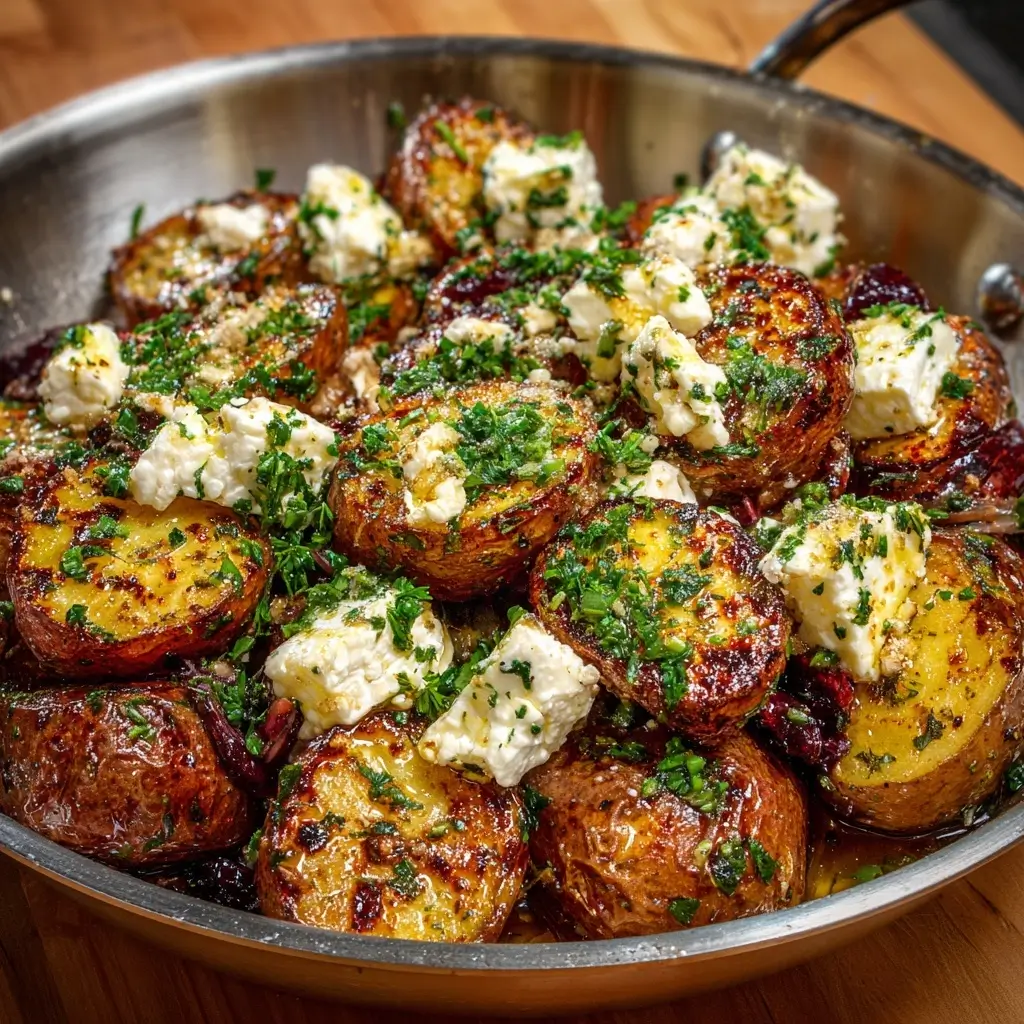
Greek Lemon Potatoes with Feta is a vibrant, aromatic dish that captures the essence of Mediterranean cuisine. Bursting with bright citrus flavors, rich olive oil, and creamy feta cheese, this recipe transforms humble potatoes into a show-stopping side or even a satisfying vegetarian main course. Whether served alongside grilled meats, fresh salads, or enjoyed on its own, these golden, tender potatoes deliver a burst of sunshine in every bite. Loved for their simplicity and bold taste, Greek Lemon Potatoes with Feta are a staple at family gatherings, holiday feasts, and summer barbecues across Greece and beyond.
The History
The roots of Greek Lemon Potatoes with Feta can be traced back to traditional Greek home cooking, where resourcefulness and flavor go hand in hand. In rural villages and coastal towns alike, families have long relied on seasonal ingredients like potatoes, lemons, olive oil, and feta cheese—staples of the Mediterranean diet. The use of lemon in savory dishes is particularly characteristic of Greek culinary traditions, especially in regions like the Cyclades and Crete, where citrus trees flourish under the warm sun.
Historically, lemon was used not only for flavor but also as a natural preservative and digestive aid. Olive oil, another cornerstone of this dish, has been central to Greek life since ancient times, symbolizing health, purity, and prosperity. Feta, made from sheep’s milk (and sometimes goat’s), has Protected Designation of Origin (PDO) status within the European Union, affirming its deep cultural and geographical ties to Greece.
This particular combination—potatoes baked with lemon, garlic, and feta—emerged as a beloved comfort food during the 20th century, especially popularized through taverna menus and family recipes passed down through generations. Its appeal lies in its rustic elegance: minimal ingredients yielding maximum flavor, embodying the Greek philosophy of “less is more.”
Ingredients Breakdown
- Potatoes: Waxy varieties such as Yukon Gold, red bliss, or baby potatoes work best because they hold their shape well during baking and offer a creamy texture when cooked.
- Fresh Lemons: Two medium lemons are typically used—one juiced and one thinly sliced—for both tangy liquid and aromatic zest. The acidity cuts through the richness and enhances other flavors.
- Extra Virgin Olive Oil: A high-quality Greek olive oil is essential. It forms the base of the roasting liquid, adds silkiness, and carries the flavors throughout the dish.
- Feta Cheese: Authentic Greek feta made from sheep’s milk delivers a salty, tangy creaminess. It softens beautifully in the oven without melting completely, adding pockets of umami richness.
- Garlic: Freshly minced garlic infuses the oil and potatoes with pungent warmth. Roasted garlic becomes sweet and mellow, balancing the sharpness of lemon and feta.
- Dried Oregano: A quintessential herb in Greek cooking, oregano contributes earthy, slightly floral notes that complement the citrus and cheese.
- Salt and Black Pepper: Used to season each layer of flavor, enhancing the overall profile without overpowering the delicate balance.
- Vegetable Broth or Water (optional): Some variations include a splash of broth or water to create steam, ensuring the potatoes cook evenly and absorb more flavor.
- Fresh Herbs (for garnish): Chopped parsley or dill adds color, freshness, and a subtle herbal lift at the end.
Step-by-Step Recipe
- Preheat the Oven: Set your oven to 400°F (200°C). This temperature ensures the potatoes roast evenly, developing a golden crust while staying tender inside.
- Prepare the Potatoes: Wash and scrub 2 pounds (about 900g) of baby potatoes. Cut them into halves or quarters depending on size so they’re uniform and will cook evenly. Do not peel unless desired—leaving skins on adds texture and nutrients.
- Make the Lemon-Garlic Mixture: In a large bowl, whisk together the juice of one lemon (about 1/3 cup), 1/2 cup extra virgin olive oil, 4 cloves of minced garlic, 1 teaspoon dried oregano, 1 teaspoon sea salt, and freshly ground black pepper to taste.
- Coat the Potatoes: Add the cut potatoes to the bowl and toss thoroughly until every piece is generously coated with the lemony marinade. Let sit for 15–20 minutes if time allows—this helps the potatoes absorb more flavor.
- Arrange in Baking Dish: Transfer the potatoes and all the marinade into a large ceramic or glass baking dish (avoid metal which can react with lemon). Arrange them in a single layer for optimal browning.
- Add Lemon Slices: Thinly slice the second lemon and scatter the rounds over the top of the potatoes. These will caramelize slightly and infuse the dish with additional citrus aroma.
- Seal and Bake: Cover the dish tightly with aluminum foil. Bake for 30 minutes to steam and soften the potatoes. Then remove the foil and continue baking for another 25–35 minutes, basting occasionally, until the tops are golden brown and crisp around the edges.
- Incorporate the Feta: After removing the foil, crumble 1 cup (about 150g) of feta cheese evenly over the top. Return to the oven uncovered for the final 10–15 minutes, allowing the cheese to soften and lightly brown in spots.
- Finish and Serve: Remove from oven and let rest for 5 minutes. Garnish with chopped fresh parsley or dill. Optionally, drizzle with a little more olive oil and an extra squeeze of lemon juice before serving.
Tips
- Use High-Quality Ingredients: Since this dish has few components, each one matters. Opt for real Greek feta and cold-pressed extra virgin olive oil for the best results.
- Uniform Cutting: Ensure all potato pieces are roughly the same size to prevent some from burning while others remain undercooked.
- Don’t Skip the Rest Time: Letting the potatoes sit after baking allows the flavors to settle and makes them easier to serve without falling apart.
- Baste Midway: Spooning the pan juices over the potatoes during the uncovered phase promotes caramelization and prevents drying.
- Acidity Balance: If you find the lemon too sharp, add a pinch of sugar or a teaspoon of honey to the marinade to round out the flavors.
- Avoid Overcrowding: Use a wide baking dish so potatoes aren’t stacked. Crowding leads to steaming rather than roasting.
- Room Temperature Start: Bring ingredients like olive oil and feta to room temperature before using; it improves infusion and texture.
- Crispy Edges Tip: For extra crunch, broil for 2–3 minutes at the end—but watch closely to avoid burning.
Variations and Customizations
- Herb Swaps: Replace oregano with rosemary, thyme, or marjoram for a different aromatic profile. Fresh herbs can be added toward the end of cooking.
- Vegetable Additions: Toss in halved cherry tomatoes, sliced onions, zucchini, or bell peppers for a colorful Greek-style roasted medley.
- Lemon Zest Boost: Grate the zest of one lemon into the marinade for an intense citrus fragrance without added acidity.
- Creamier Version: Stir in a tablespoon of Greek yogurt or mayonnaise into the dressing before baking for a richer finish.
- Spicy Kick: Add red pepper flakes or a dash of smoked paprika to give the dish a warm, spicy undertone.
- Dairy-Free Option: Omit feta or substitute with a plant-based alternative made from almonds or tofu, seasoned with salt and lemon juice.
- Gluten-Free Friendly: Naturally gluten-free, making it ideal for those with dietary restrictions.
- One-Pan Meal Upgrade: Place chicken thighs, lamb chops, or fish fillets on top of the potatoes before baking for a complete protein-rich meal.
- Grilled Version: Cook the potatoes in a cast-iron skillet on a grill for a smoky twist. Wrap in foil if needed to prevent sticking.
- Cold Salad Style: Chill leftovers and serve as a cold potato salad with olives, cucumber, and red onion for a refreshing lunch option.
Health Considerations and Nutritional Value
Greek Lemon Potatoes with Feta are not only delicious but also offer several nutritional benefits when enjoyed in moderation. Here’s a breakdown per serving (based on 6 servings):
- Calories: Approximately 280–320 kcal
- Fat: 18–22g (mostly heart-healthy monounsaturated fats from olive oil)
- Saturated Fat: 5–7g (primarily from feta cheese)
- Carbohydrates: 25–30g (complex carbs from potatoes, providing sustained energy)
- Fiber: 3–4g (especially if skins are left on)
- Protein: 6–8g (from feta, contributing essential amino acids)
- Sodium: 500–700mg (can be reduced by using less salt or low-sodium feta)
- Vitamins & Minerals: Rich in vitamin C (from lemon), potassium (from potatoes), calcium (from feta), and antioxidants from olive oil and herbs.
Health Benefits:
- The olive oil used is rich in polyphenols and oleic acid, known to support cardiovascular health and reduce inflammation.
- Lemons provide a boost of vitamin C, aiding immune function and iron absorption.
- Potato skins contain fiber and resistant starch, which promote gut health.
- Feta offers probiotics and is lower in lactose than many cheeses, making it more digestible for some individuals.
Considerations:
- Due to the fat and sodium content from olive oil and feta, portion control is advised for those managing cholesterol, hypertension, or weight.
- For a lighter version, reduce the amount of oil by half and replace part of it with vegetable broth.
- Diabetics should monitor portions due to the moderate glycemic index of potatoes; pairing with protein or fiber-rich sides can help stabilize blood sugar.
- Always choose pasteurized feta if pregnant or immunocompromised.
Ingredients
- 2 pounds (900g) baby potatoes, halved or quartered
- 1/2 cup extra virgin olive oil (preferably Greek)
- Juice of 1 large lemon (about 1/3 cup)
- Zest of 1 lemon (optional, for enhanced flavor)
- 4 cloves garlic, finely minced
- 1 teaspoon dried oregano
- 1 teaspoon sea salt (or to taste)
- Freshly ground black pepper, to taste
- 1 large lemon, thinly sliced
- 1 cup (150g) crumbled Greek feta cheese
- 2 tablespoons chopped fresh parsley or dill (for garnish)
- 1/4 cup vegetable broth or water (optional, for moisture)
Directions
- Preheat your oven to 400°F (200°C).
- In a large mixing bowl, whisk together olive oil, lemon juice, lemon zest (if using), minced garlic, oregano, salt, and pepper.
- Add the prepared potatoes to the bowl and toss until fully coated with the marinade. Allow to marinate for 15–20 minutes at room temperature.
- Transfer the potatoes and all the marinade into a 9×13 inch (or similar size) oven-safe baking dish. Arrange in a single layer.
- Scatter the sliced lemon rounds over the top of the potatoes.
- Pour in vegetable broth or water if using—it helps create steam and prevents drying.
- Cover the dish tightly with aluminum foil and bake for 30 minutes.
- Remove the foil, stir gently, and return the dish to the oven, uncovered.
- Bake for an additional 25–35 minutes, stirring once halfway through, until the potatoes are golden brown and fork-tender.
- Reduce oven heat to 375°F (190°C) if browning too quickly.
- Scatter crumbled feta cheese evenly over the top of the potatoes.
- Return to the oven for 10–15 minutes, allowing the cheese to soften and develop light golden spots.
- Remove from oven and let rest for 5 minutes.
- Garnish with fresh parsley or dill, and optionally drizzle with a touch more olive oil and a final squeeze of lemon juice.
- Serve warm as a side or main dish.
FAQ
Can I make Greek Lemon Potatoes with Feta ahead of time?
Yes! You can prep the potatoes and marinade up to a day in advance and store covered in the refrigerator. Bring to room temperature before baking. Leftovers reheat well in the oven or microwave.
Why are my potatoes soggy?
This usually happens if the dish wasn’t baked uncovered long enough or if it was overcrowded. Make sure to remove the foil and allow proper roasting for crispiness.
Can I use frozen potatoes?
Not recommended. Frozen potatoes release excess moisture and don’t caramelize well. Always use fresh.
Is this recipe vegan?
The traditional version includes feta, so it’s not vegan. However, you can easily make a vegan version by omitting or substituting feta with a dairy-free alternative.
What kind of potatoes should I use?
Waxy potatoes like Yukon Gold, red bliss, or fingerlings are ideal—they hold their shape and have a buttery texture.
Can I cook this at a higher temperature for less time?
While possible, lower and slower is better for even cooking and flavor development. Higher heat may burn the outside before the inside is done.
How long do leftovers last?
Store in an airtight container in the refrigerator for up to 4 days. Reheat in the oven at 350°F for best texture.
Can I freeze this dish?
Freezing is not recommended as potatoes tend to become grainy and watery upon thawing, and feta loses its texture.
Can I use bottled lemon juice?
Freshly squeezed lemon juice is strongly preferred for superior flavor and acidity balance. Bottled juice often contains preservatives and lacks brightness.
Do I need to peel the potatoes?
Peeling is optional. Leaving the skin on adds fiber, nutrients, and rustic charm. Just make sure to wash them thoroughly.
Summary
Greek Lemon Potatoes with Feta is a fragrant, sun-kissed dish that combines crispy roasted potatoes, zesty lemon, garlic-infused olive oil, and creamy feta for a taste of the Mediterranean in every bite.
Simple to prepare yet bursting with bold flavors, it’s a healthy, versatile recipe perfect for weeknight dinners, festive gatherings, or meal prep with endless customization options.