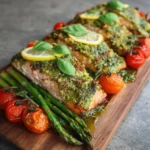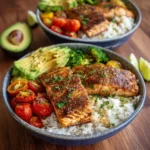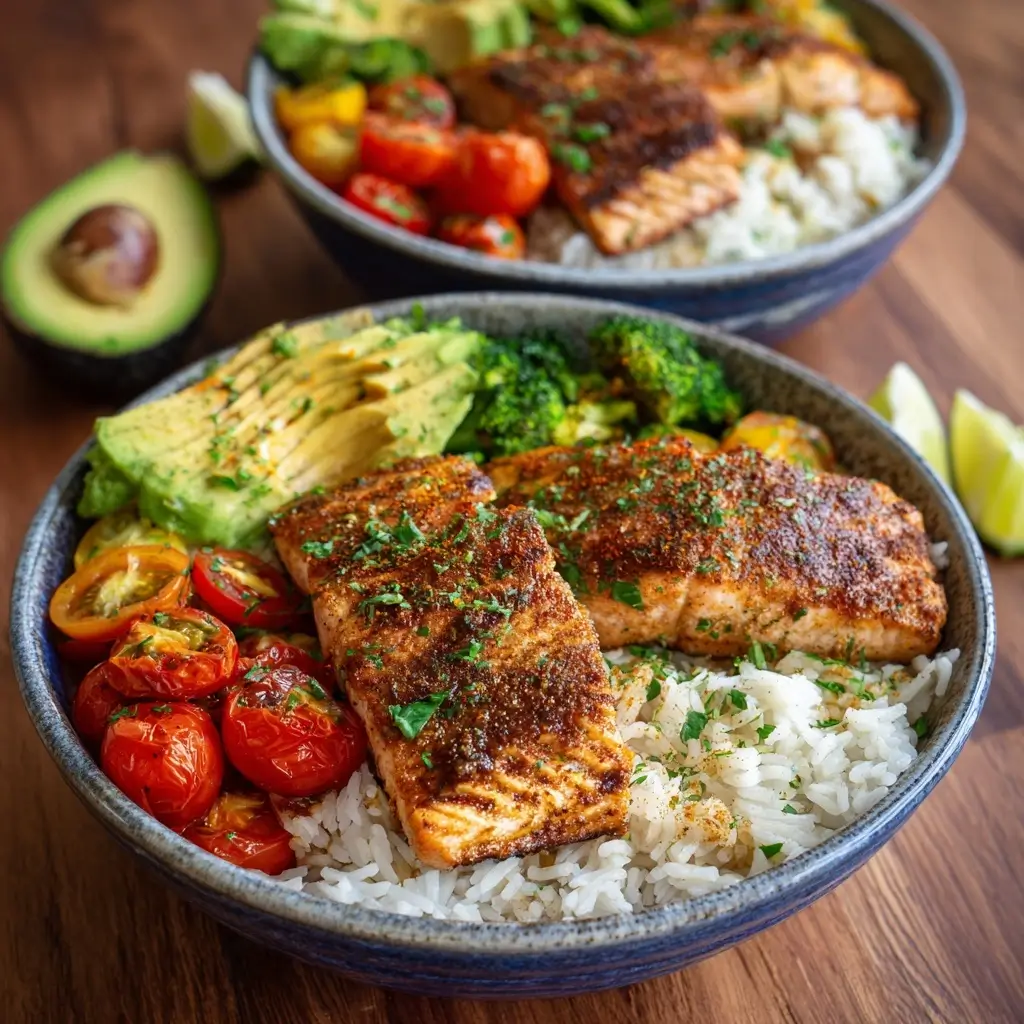
Cajun Salmon Rice Bowls
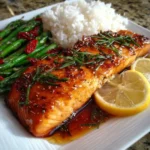
Cajun Salmon Rice Bowls are a vibrant, satisfying dish that brings together bold Southern flavors with the heart-healthy benefits of omega-3-rich salmon and wholesome grains. Perfect for weeknight dinners or meal prepping, this bowl combines tender, spice-rubbed salmon fillets atop a bed of fluffy rice, then topped with fresh vegetables, zesty creole-style sauce, and optional creamy accents for a restaurant-quality meal in minutes. Whether you’re a fan of spicy food or just looking to add more protein and flavor to your diet, this recipe delivers on all fronts.
The History
The roots of Cajun cuisine trace back to the Acadian people—French settlers expelled from Canada (specifically Nova Scotia) in the 18th century who eventually settled in southern Louisiana. Over time, their culinary traditions blended with influences from Spanish, African, Native American, and Creole cultures, creating the rich, robustly seasoned dishes we now associate with Cajun cooking. Dishes like jambalaya, gumbo, and étouffée exemplify the “holy trinity” of onions, bell peppers, and celery, as well as generous use of spices like paprika, cayenne, garlic powder, and black pepper.
While traditional Cajun meals often feature meats like sausage, chicken, or seafood such as crawfish and shrimp, modern interpretations have evolved to include new proteins and global presentation styles—like the rice bowl format. The Cajun Salmon Rice Bowl is a contemporary fusion dish that honors the bold seasonings and rustic soul of Cajun cooking while adapting it into a convenient, nutritious, and visually appealing one-bowl meal popular in today’s health-conscious kitchens.
Ingredients Breakdown
The magic of Cajun Salmon Rice Bowls lies in its layered ingredients, each contributing unique textures, flavors, and nutritional benefits:
- Salmon Fillets: Rich in omega-3 fatty acids, high-quality protein, and vitamin D. Choose wild-caught when possible for better sustainability and nutrient profile.
- Cajun Seasoning: A blend typically including paprika, garlic powder, onion powder, cayenne pepper, oregano, thyme, black pepper, and salt. This mix gives the salmon its signature kick and deep color.
- Olive Oil: Used to coat the salmon and aid in caramelization while adding heart-healthy monounsaturated fats.
- Brown or White Rice: Provides complex carbohydrates and fiber (especially brown rice), serving as the base that absorbs all the delicious flavors.
- Vegetables: Bell peppers, onions, celery (the Cajun “holy trinity”), cherry tomatoes, and spinach or kale contribute vitamins, antioxidants, and crunch.
- Lemon Juice: Brightens the dish, cuts through richness, and enhances the natural flavor of the salmon.
- Garlic: Adds depth and aromatic complexity to both the salmon and vegetable sauté.
- Chicken or Vegetable Broth: Used to cook the rice or sauté veggies, enhancing overall savoriness without excess fat.
- Optional Toppings: Avocado slices, green onions, fresh parsley, sour cream, Greek yogurt, or hot sauce for added creaminess or heat.
- Creole Sauce (optional): A tangy, slightly spicy sauce made from mayonnaise, lemon juice, Creole mustard, and spices—adds moisture and zest.
Step-by-Step Recipe
- Prepare the Rice: Rinse 1 cup of brown or white rice under cold water. In a medium saucepan, bring 2 cups of water or broth to a boil. Add the rice, reduce heat to low, cover, and simmer for 18–45 minutes (depending on type). Once cooked, fluff with a fork and set aside.
- Season the Salmon: Pat 2 salmon fillets dry with paper towels. In a small bowl, mix 1½ tablespoons Cajun seasoning (store-bought or homemade). Rub the mixture evenly over both sides of the salmon. Drizzle lightly with olive oil and let sit for 10–15 minutes to absorb flavors.
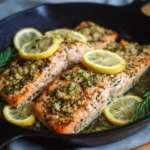
- Cook the Salmon: Heat 1 tablespoon olive oil in a non-stick skillet over medium-high heat. Place salmon fillets skin-side down (if skin-on) and sear for 5–6 minutes until golden and crisp. Flip carefully and cook another 3–4 minutes until internal temperature reaches 145°F (63°C) and flakes easily with a fork. Squeeze fresh lemon juice over the top during the last minute of cooking. Remove and rest.
- Sauté the Vegetables: In the same pan, reduce heat to medium. Add 1 diced onion, 1 chopped bell pepper (any color), and 1 stalk of diced celery. Cook for 5–7 minutes until softened. Stir in 2 cloves minced garlic and 2 cups baby spinach or chopped kale; cook 2 more minutes until wilted. Season with a pinch of salt and additional Cajun seasoning if desired.
- Make Optional Creole Sauce: While components cook, whisk together ¼ cup mayonnaise (or Greek yogurt), 1 tsp Dijon mustard, 1 tsp Creole mustard, 1 tbsp lemon juice, ½ tsp smoked paprika, and a dash of hot sauce. Chill until serving.
- Assemble the Bowls: Divide rice among four bowls. Top with sautéed vegetables, flaked salmon, halved cherry tomatoes, sliced avocado, and a drizzle of Creole sauce. Garnish with chopped green onions and fresh parsley.
- Serve Immediately: Enjoy warm with extra lemon wedges and hot sauce on the side.
Tips
- Don’t Overcook the Salmon: Salmon continues to cook slightly after removal from heat. Remove it from the pan just before it reaches desired doneness to prevent dryness.
- Bloom the Spices: For deeper flavor, toast the Cajun seasoning in the pan for 10–15 seconds before adding oil or rub it into the fish and let it marinate briefly.
- Use Leftovers Wisely: Cook extra salmon and rice to use in salads, wraps, or next-day bowls. Store components separately for best texture.
- Control the Heat: Adjust cayenne in the seasoning blend based on your spice tolerance. You can always add more later.
- Boost Umami: Add a splash of Worcestershire sauce or a sprinkle of smoked paprika to the veggie mix for extra depth.
- Meal Prep Friendly: Assemble bowls in advance without sauce and store in airtight containers for up to 3 days. Reheat gently and add fresh toppings before serving.
Variations and Customizations
This recipe is highly adaptable to suit dietary needs and taste preferences:
- Gluten-Free: Naturally gluten-free if using certified GF Cajun seasoning and tamari instead of soy sauce (if used).
- Dairy-Free: Omit sour cream or yogurt-based sauces; use avocado or dairy-free mayo for creaminess.
- Vegan Option: Replace salmon with grilled tofu, tempeh, or chickpeas seasoned with Cajun spices.
- Low-Carb/Keto: Swap rice for cauliflower rice and increase healthy fats with extra avocado and olive oil.
- Protein Variations: Try Cajun chicken, shrimp, or cod instead of salmon for variety.
- Grain Swaps: Use quinoa, farro, or wild rice blend for different textures and nutrients.
- Extra Veggies: Add zucchini, corn, okra, or roasted sweet potatoes for seasonal flair.
- Spice Level: Mild: reduce or omit cayenne. Hot: add crushed red pepper flakes or a few dashes of Louisiana-style hot sauce.
Health Considerations and Nutritional Value
Cajun Salmon Rice Bowls are not only flavorful but also nutritionally balanced, offering a powerhouse of essential nutrients:
- Omega-3 Fatty Acids: Salmon is one of the best sources of EPA and DHA, which support brain health, reduce inflammation, and promote cardiovascular wellness.
- Lean Protein: Each serving provides about 25–30g of high-quality protein, helping maintain muscle mass and keep you full longer.
- Fiber-Rich Carbohydrates: Brown rice and vegetables supply dietary fiber (around 5–7g per serving), aiding digestion and stabilizing blood sugar levels.
- Vitamins & Minerals: Packed with vitamin C (from bell peppers and tomatoes), vitamin A (from carrots and greens), potassium, selenium, and B-complex vitamins.
- Antioxidants: The spice blend contains compounds like capsaicin (from cayenne) that may boost metabolism and provide anti-inflammatory effects.
- Heart Health: Olive oil, avocado, and omega-3s contribute to improved cholesterol profiles and reduced risk of heart disease.
Nutritional Estimate (per serving, serves 4):
- Calories: ~520 kcal
- Protein: 32g
- Fat: 22g (mostly unsaturated)
- Carbohydrates: 48g
- Fiber: 6g
- Sugar: 6g (natural)
- Sodium: ~600mg (varies with seasoning and broth)
Note: Values will vary depending on ingredient choices, portion sizes, and added sauces.
Ingredients
- 2 salmon fillets (about 6 oz each), skin-on or skinless
- 1½ tablespoons Cajun seasoning (plus extra for veggies)
- 2 tablespoons olive oil, divided
- 1 cup uncooked brown rice (or white rice)
- 2 cups water or low-sodium chicken/vegetable broth
- 1 medium yellow onion, diced
- 1 bell pepper (red, yellow, or green), diced
- 1 stalk celery, finely chopped
- 2 cloves garlic, minced
- 2 cups baby spinach or chopped kale
- 1 cup cherry tomatoes, halved
- 1 ripe avocado, sliced
- 1 lemon, cut into wedges
- 2 green onions, sliced
- 2 tablespoons fresh parsley, chopped
For Creole Sauce (optional):
- ¼ cup mayonnaise or Greek yogurt
- 1 teaspoon Dijon mustard
- 1 teaspoon Creole mustard
- 1 tablespoon fresh lemon juice
- ½ teaspoon smoked paprika
- 1–2 dashes hot sauce (e.g., Tabasco)
- Salt and pepper to taste
Directions
- In a small saucepan, combine rice and water or broth. Bring to a boil, then reduce heat to low, cover, and simmer for 40–45 minutes for brown rice (or 18–20 minutes for white rice). Remove from heat, let stand 5 minutes, then fluff with a fork.
- While rice cooks, pat salmon fillets dry and place on a plate. Sprinkle Cajun seasoning evenly on both sides. Drizzle with 1 tsp olive oil and rub in gently. Let sit at room temperature for 10–15 minutes.
- Heat 1 tbsp olive oil in a large non-stick skillet over medium-high heat. Once hot, add salmon fillets, presentation-side down (usually skinless side if skin-on). Sear for 5–6 minutes until deeply colored and crust forms. Flip and cook 3–4 minutes more until cooked through. Squeeze half a lemon over the top and transfer to a plate. Tent loosely with foil.
- In the same skillet, reduce heat to medium. Add remaining 1 tbsp olive oil, then onion, bell pepper, and celery. Cook 6–7 minutes, stirring occasionally, until soft and fragrant.
- Add minced garlic and stir for 30 seconds until aromatic. Stir in spinach or kale and cook until wilted, about 2 minutes. Season with a pinch of salt and additional Cajun seasoning if desired. Remove from heat.
- If making Creole sauce: In a small bowl, whisk together mayonnaise, Dijon, Creole mustard, lemon juice, smoked paprika, hot sauce, salt, and pepper. Cover and refrigerate until ready to use.
- To assemble: Divide rice among four bowls. Top with sautéed vegetables, flaked salmon, cherry tomatoes, avocado slices, and a spoonful of Creole sauce. Garnish with green onions and parsley. Serve with extra lemon wedges and hot sauce.
- Enjoy immediately while warm!
FAQ
Can I bake the salmon instead of pan-searing?
Yes! Preheat oven to 400°F (200°C). Place seasoned salmon on a parchment-lined baking sheet and bake for 12–15 minutes until flaky. For crispier results, broil the last 2–3 minutes.
Is Cajun seasoning very spicy?
It depends on the blend. Traditional mixes include cayenne, so they have heat, but many commercial versions are mild. Always check the label or make your own to control spiciness.
Can I use frozen salmon?
Yes, but thaw it first in the refrigerator overnight for best texture and even cooking. Never cook frozen salmon directly unless following a specific recipe.
How long do leftovers last?
Store components separately in airtight containers in the fridge for up to 3 days. Reheat rice and salmon gently to avoid drying out.
What can I use instead of mayo in the sauce?
Greek yogurt, sour cream, or dairy-free alternatives work well. For a lighter option, try blending silken tofu with lemon and spices.
Are these bowls kid-friendly?
Absolutely! Reduce the Cajun seasoning or serve it on the side. Kids often love the colorful veggies, creamy avocado, and flaky salmon. You can even turn it into a fun DIY bowl bar!
Summary
Cajun Salmon Rice Bowls deliver bold Southern flavors in a nourishing, easy-to-make meal packed with omega-3s, fiber, and vibrant vegetables. Perfect for busy weeknights or meal prep, this dish brings restaurant-quality taste straight to your kitchen table.