Introduction
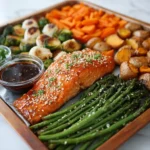
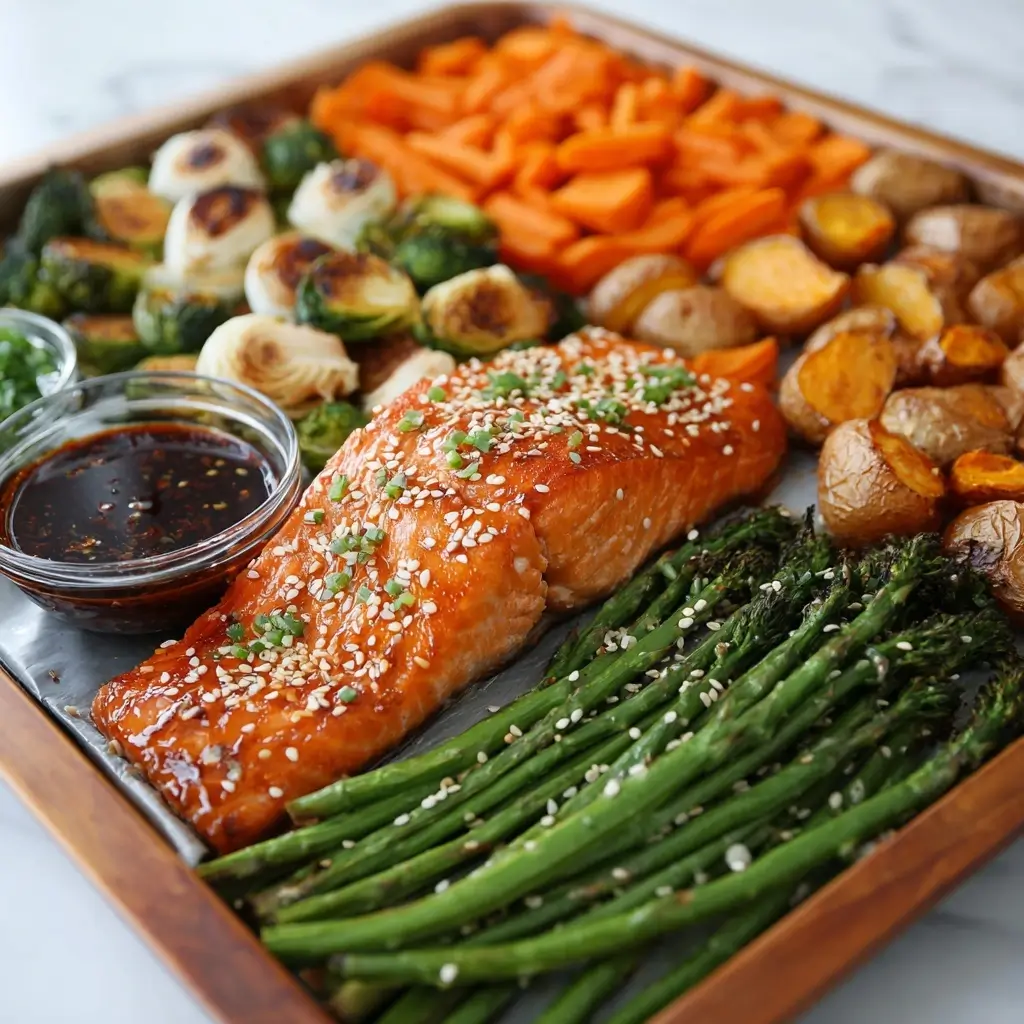
Teriyaki Salmon Sheet Pan is a modern, fuss-free twist on a beloved classic that brings the rich, savory-sweet flavors of traditional Japanese teriyaki into your weekly meal rotation with minimal effort and maximum flavor. This one-pan wonder combines perfectly glazed salmon fillets with roasted vegetables, all baked together on a single sheet pan for easy cleanup and consistent results. Ideal for busy weeknights, meal prepping, or impressing guests with minimal stress, this recipe celebrates simplicity without sacrificing taste. Whether you’re new to cooking or a seasoned home chef, this dish offers a balanced, nutritious, and visually stunning plate that’s as healthy as it is delicious.
The History
The origins of teriyaki date back to 17th-century Japan, where the term “teri” (meaning luster) and “yaki” (grilled or broiled) described the glossy finish achieved by glazing fish or meat with a soy-based sauce while grilling. Traditionally, fish like mackerel or salmon were brushed with a mixture of soy sauce, mirin, and sugar, then grilled over charcoal to develop a caramelized crust. As Japanese cuisine spread globally in the 20th century, teriyaki evolved—particularly in North America—where it became synonymous with sweetened soy glazes paired with proteins like chicken, beef, and salmon. The sheet pan method, however, is a contemporary adaptation born from the American love of efficient, clean cooking techniques. By combining the bold umami-rich flavors of teriyaki with the practicality of sheet pan meals, this recipe honors tradition while embracing modern culinary convenience.
Ingredients Breakdown
The magic of Teriyaki Salmon Sheet Pan lies in its harmonious blend of high-quality ingredients that balance sweetness, saltiness, umami, and freshness:
- Salmon Fillets: Skin-on, center-cut fillets are ideal—they hold up well during roasting and develop a crisp skin when seared slightly before baking.
- Soy Sauce: The backbone of the teriyaki glaze, providing deep umami and saltiness. Use low-sodium soy sauce to control salt levels.
- Mirin: A sweet rice wine essential for authentic teriyaki flavor. It adds subtle sweetness and shine to the glaze.
- Brown Sugar: Enhances caramelization and balances the saltiness of the soy sauce. Can be substituted with honey or maple syrup.
- Rice Vinegar: Adds a touch of acidity to brighten the glaze and cut through richness.
- Fresh Ginger: Grated ginger infuses the marinade with warmth and zing, enhancing the overall depth of flavor.
- Garlic: Minced garlic contributes aromatic complexity and pairs beautifully with ginger and soy.
- Sesame Oil: Used sparingly in the glaze and drizzled at the end for nutty aroma and richness.
- Honey: Optional addition to boost sweetness and help the glaze adhere better to the salmon.
- Vegetables: Broccoli florets, sliced bell peppers (red and yellow), carrots, and snap peas roast beautifully alongside the salmon, absorbing the teriyaki flavors.
- Olive Oil: Toss the vegetables in olive oil to promote even browning and prevent sticking.
- Sesame Seeds and Green Onions: For garnish—adds crunch, color, and a fresh finish.
Optional additions: Pineapple chunks (for natural sweetness), mushrooms, zucchini, or baby bok choy for extra variety.
Step-by-Step Recipe
- Preheat Oven: Set your oven to 400°F (200°C). Line a large rimmed baking sheet with parchment paper or aluminum foil for easy cleanup. Lightly grease with non-stick spray or a drizzle of oil.
- Prepare the Vegetables: Wash and cut broccoli into uniform florets, slice bell peppers into strips, peel and thinly slice carrots on the diagonal, and trim snap peas. Place them in a large bowl.
- Toss Vegetables: Drizzle 1–2 tablespoons of olive oil over the vegetables. Season lightly with salt and pepper. Toss well to coat evenly. Spread them out in a single layer on one side of the prepared baking sheet.
- Make the Teriyaki Glaze: In a small saucepan, combine ½ cup soy sauce, ¼ cup mirin, 3 tablespoons brown sugar, 1 tablespoon rice vinegar, 1 tablespoon honey (optional), 1 tablespoon grated fresh ginger, and 2 minced garlic cloves. Heat over medium, stirring constantly until the sugar dissolves. Simmer for 5–7 minutes until slightly thickened. Remove from heat and set aside ⅓ cup for basting. Reserve the rest for serving.
- Prepare the Salmon: Pat salmon fillets dry with paper towels. Season lightly with salt and a pinch of black pepper. Brush both sides generously with about 2 tablespoons of the teriyaki glaze per fillet.
- Arrange on Sheet Pan: Place the salmon fillets skin-side down on the other side of the baking sheet, leaving space between each piece for even cooking. Spoon a little extra glaze over the top of each fillet.
- Roast: Bake in the preheated oven for 12–15 minutes, depending on thickness. At the 8-minute mark, carefully remove the pan and brush the salmon with more glaze to build flavor and sheen.
- Broil (Optional): For a deeper caramelized finish, switch the oven to broil for the last 1–2 minutes, watching closely to prevent burning.
- Rest and Garnish: Remove from oven and let the salmon rest for 3–5 minutes. Sprinkle with toasted sesame seeds and chopped green onions.
- Serve: Plate the salmon and vegetables together, drizzle with reserved warm teriyaki sauce, and serve immediately.
Tips
- Uniform Cutting: Cut vegetables into similar sizes to ensure even roasting—larger pieces like carrots may need a head start if very thick.
- Dry Salmon: Always pat salmon dry before glazing; moisture prevents proper browning and caramelization.
- Don’t Overcrowd: Leave space between salmon and veggies to allow air circulation and avoid steaming.
- Glaze Timing: Baste the salmon halfway through cooking for maximum flavor without burning the sugars.
- Use Fresh Ginger and Garlic: Avoid powdered versions for the glaze—they lack the vibrant punch of fresh.
- Low-Sodium Soy Sauce: Helps control saltiness, especially since the glaze reduces and concentrates.
- Toasting Sesame Seeds: Lightly toast sesame seeds in a dry pan for 1–2 minutes until golden for enhanced flavor.
- Sheet Pan Quality: Use a heavy-duty rimmed baking sheet to prevent warping and ensure even heat distribution.
- Rest the Salmon: Letting it rest after baking allows juices to redistribute, keeping the flesh moist.
- Double the Glaze: Make extra teriyaki sauce—it keeps well in the fridge for up to 2 weeks and can be used on stir-fries, rice bowls, or noodles.
Variations and Customizations
This recipe is highly adaptable to suit different tastes, dietary needs, and seasonal ingredients:
- Protein Swaps: Replace salmon with skin-on chicken thighs, cod, shrimp, or tofu for vegetarian options.
- Gluten-Free: Use tamari or coconut aminos instead of soy sauce to make the dish gluten-free.
- Sugar-Free Option: Substitute brown sugar with monk fruit sweetener or omit sugar entirely, using ripe pineapple or apple juice for natural sweetness.
- Keto-Friendly: Replace sugar with erythritol or allulose and use low-carb vegetables like zucchini, asparagus, and mushrooms.
- Spicy Kick: Add 1 teaspoon sriracha, chili garlic paste, or red pepper flakes to the teriyaki glaze.
- Fruit Infusion: Add pineapple chunks or orange slices to the pan—they caramelize beautifully and add tropical flair.
- Herb Variations: Stir chopped cilantro or basil into the glaze just before serving for a fresh twist.
- Citrus Zest: Add lemon or orange zest to the glaze for a bright, aromatic lift.
- Root Vegetables: Swap in sweet potatoes, parsnips, or beets for heartier fall and winter versions.
- Asian Slaw Side: Serve over a bed of crunchy cabbage slaw with rice vinegar and sesame oil for added texture.
Health Considerations and Nutritional Value
Teriyaki Salmon Sheet Pan is not only delicious but also packed with nutrients when prepared mindfully:
- Omega-3 Fatty Acids: Salmon is an excellent source of heart-healthy EPA and DHA fats, which support brain function and reduce inflammation.
- High-Quality Protein: Each fillet provides about 20–25g of protein, promoting muscle repair and satiety.
- Rich in Vitamins: Contains vitamin D, B12, selenium, and potassium—key for immune health, energy metabolism, and electrolyte balance.
- Fiber-Rich Vegetables: Broccoli and carrots provide fiber, antioxidants (like beta-carotene), and vitamin C.
- Low Saturated Fat: When prepared with minimal oil, this dish remains low in unhealthy fats.
- Sodium Awareness: The primary concern is sodium due to soy sauce. Using low-sodium soy sauce and limiting added salt helps manage blood pressure.
- Sugar Content: Traditional teriyaki can be high in sugar. Reducing sugar in the glaze or using natural substitutes makes it diabetic-friendly.
- Balanced Meal: Pair with brown rice, quinoa, or cauliflower rice for a complete, well-rounded plate.
Approximate Nutrition per Serving (1 salmon fillet + 1.5 cups vegetables + 2 tbsp glaze):
- Calories: 420
- Protein: 32g
- Fat: 22g (mostly healthy fats)
- Carbohydrates: 26g
- Fiber: 5g
- Sugar: 18g (varies based on glaze)
- Sodium: 900mg (reducible with low-sodium ingredients)
Ingredients
- 4 (6 oz) skin-on salmon fillets
- 2 cups broccoli florets
- 1 red bell pepper, sliced
- 1 yellow bell pepper, sliced
- 1 cup snap peas
- 1 large carrot, thinly sliced
- 2 tbsp olive oil
- Salt and black pepper to taste
- ½ cup low-sodium soy sauce
- ¼ cup mirin
- 3 tbsp brown sugar (or substitute)
- 1 tbsp rice vinegar
- 1 tbsp honey (optional)
- 1 tbsp fresh ginger, grated
- 2 garlic cloves, minced
- 1 tsp sesame oil
- 1 tbsp sesame seeds, toasted
- 2 green onions, sliced
Directions
- Preheat oven to 400°F (200°C). Line a large baking sheet with parchment or foil.
- In a bowl, toss vegetables with olive oil, salt, and pepper. Spread on one half of the sheet pan.
- In a small saucepan, combine soy sauce, mirin, brown sugar, rice vinegar, honey, ginger, garlic, and sesame oil. Simmer over medium heat for 5–7 minutes until slightly thickened. Remove ⅓ cup for basting; reserve the rest.
- Pat salmon dry and season lightly. Brush with teriyaki glaze.
- Place salmon skin-side down on the other half of the sheet pan. Spoon extra glaze on top.
- Bake for 12–15 minutes. At 8 minutes, open oven and brush salmon with more glaze.
- Optional: Broil 1–2 minutes for a caramelized finish.
- Let rest 5 minutes. Garnish with sesame seeds and green onions.
- Serve with reserved warm teriyaki sauce and preferred grain.
FAQ
Can I use frozen salmon?
Yes, but thaw it completely in the refrigerator overnight for best texture and even cooking.
How do I store leftovers?
Store in an airtight container in the fridge for up to 3 days. Reheat gently in the oven or microwave.
Can I make this ahead of time?
Yes! Prep the glaze and chop vegetables a day ahead. Marinate salmon for up to 30 minutes before baking for extra flavor.
Why is my salmon soggy?
Moisture buildup often occurs if the pan is overcrowded or the salmon wasn’t patted dry. Ensure space between items and avoid covering.
Is teriyaki sauce healthy?
It can be. Reduce sugar and salt, use natural ingredients, and apply it moderately to keep it nutritious.
Can I grill instead of bake?
Absolutely! Grill salmon on foil or a plank, and roast veggies separately or on a grill basket.
What sides go well with this?
Steamed jasmine rice, brown rice, quinoa, cauliflower rice, or a cucumber salad complement the dish perfectly.
Can I freeze teriyaki salmon?
Yes, though texture may soften slightly. Freeze in portions for up to 2 months. Thaw in fridge and reheat gently.
Summary
Teriyaki Salmon Sheet Pan is a flavorful, wholesome, and effortless one-pan meal that brings together succulent salmon, vibrant vegetables, and a glossy homemade teriyaki glaze. Perfect for busy nights, meal prep, or elegant dinners, it’s a balanced dish that satisfies both taste and nutrition.