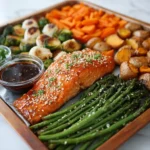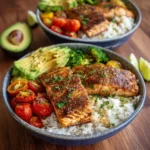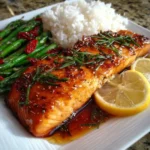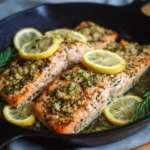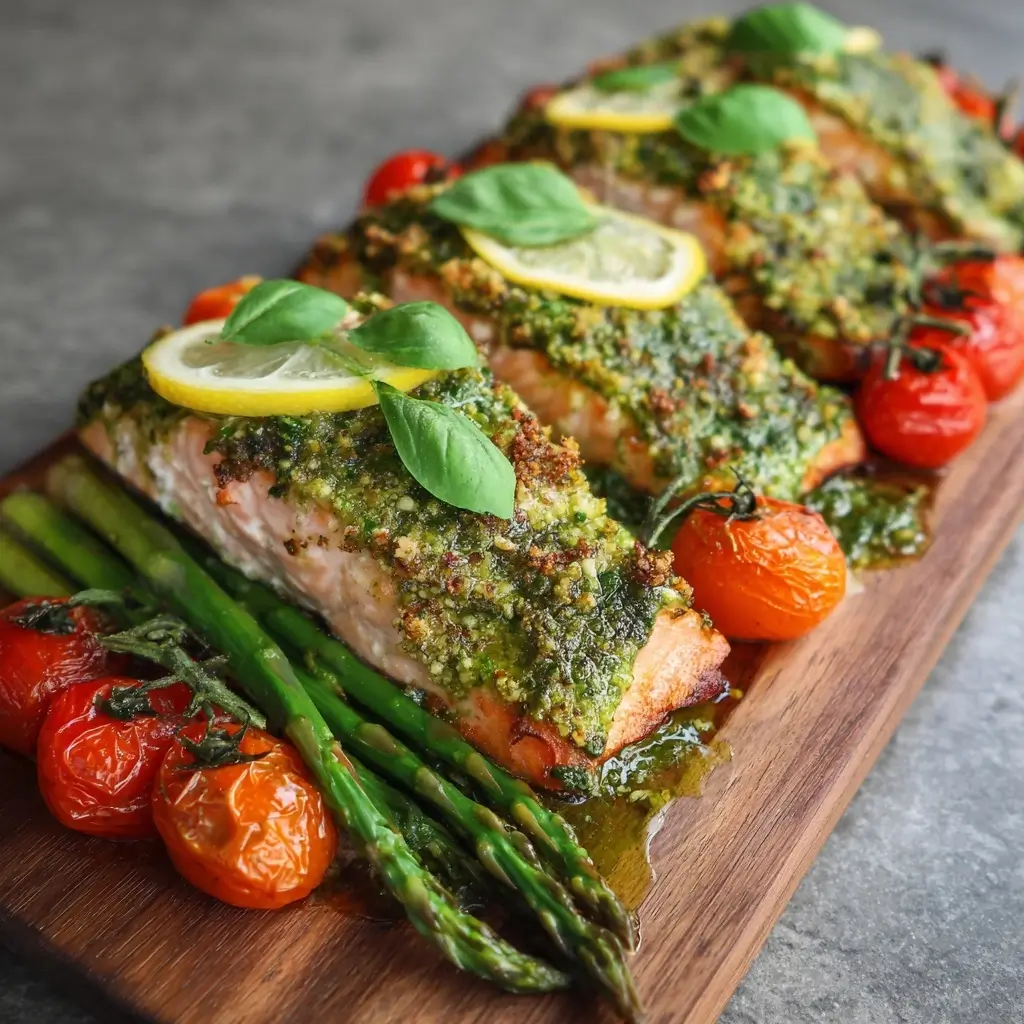
Pesto Crusted Salmon: A Flavorful Fusion of Freshness and Elegance
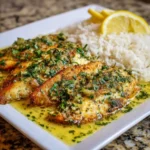
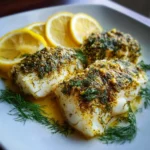
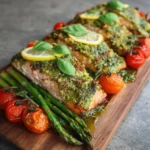
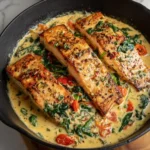
The culinary world is rich with dishes that marry simplicity and sophistication, and few exemplify this balance as beautifully as Pesto Crusted Salmon. This dish combines the heart-healthy benefits of wild-caught salmon with the vibrant flavors of a fresh basil pesto crust, creating a meal that’s both nourishing and indulgent. Whether you’re preparing a romantic dinner for two or hosting a gourmet lunch, Pesto Crusted Salmon stands out as a show-stopping centerpiece that impresses without overwhelming the home cook.
The History Behind Pesto and Salmon
To truly appreciate Pesto Crusted Salmon, it’s important to explore the roots of its key components—pesto sauce and salmon preparation. Pesto originates from Genoa, in the Liguria region of Italy, where it has been a staple since at least the 19th century. Traditionally known as pasta al pesto, the sauce was made by grinding fresh basil, pine nuts, garlic, Parmesan cheese, and olive oil using a mortar and pestle. The word “pesto” comes from the Italian verb pestare, meaning “to pound” or “to crush,” a nod to its original preparation method.
While salmon wasn’t traditionally used in classic Italian pesto dishes, the fusion of Mediterranean flavors with Pacific Northwest seafood began gaining popularity in the late 20th century, particularly in California cuisine. Chefs started experimenting with using pesto as more than just a pasta sauce—spreading it on chicken, fish, and even vegetables. Pesto Crusted Salmon emerged as a favorite due to its bold flavor profile and elegant presentation. Today, it’s a beloved recipe across North America, Europe, and beyond, celebrated for its ease, healthfulness, and gourmet appeal.
Ingredients Breakdown: What Makes This Dish Shine?
The magic of Pesto Crusted Salmon lies in its carefully selected ingredients, each contributing to a symphony of taste, texture, and nutrition. Here’s a detailed look at what goes into this exquisite dish:
- Salmon Fillets: Preferably wild-caught Atlantic or Pacific salmon, skin-on or skinless depending on preference. Salmon is prized for its rich, buttery texture and high content of omega-3 fatty acids, protein, and essential vitamins like B12 and D.
- Fresh Basil: The star of any authentic pesto, basil provides a sweet, slightly peppery aroma that defines the sauce’s character.
- Pine Nuts: These delicate nuts add a creamy richness and subtle crunch. They can be toasted lightly to enhance their nutty flavor.
- Garlic: A fundamental ingredient that brings depth and pungency, balancing the sweetness of the basil.
- Parmesan Cheese: Aged Parmigiano-Reggiano adds umami and saltiness, helping to bind the pesto while enhancing overall savoriness.
- Olive Oil: High-quality extra virgin olive oil serves as the base, lending smoothness and heart-healthy monounsaturated fats.
- Lemon Juice: Adds brightness and cuts through the richness, elevating the freshness of the pesto.
- Salt and Black Pepper: Essential seasonings that bring all the elements together.
- Panko Breadcrumbs (optional): Sometimes mixed into the pesto crust to add crispiness and help form a golden, crunchy exterior when baked.
- Butter or Olive Oil for Cooking: Used to sear or bake the salmon, ensuring a moist interior and flavorful crust.
For those seeking variations, substitutions such as walnuts for pine nuts, spinach or arugula blended with basil, or vegan Parmesan alternatives make this recipe adaptable to various dietary needs.
Step-by-Step Recipe: How to Make Pesto Crusted Salmon at Home
Creating Pesto Crusted Salmon is surprisingly simple, requiring minimal prep time and basic kitchen tools. Follow these steps for restaurant-quality results every time:
- Prepare the Homemade Pesto: In a food processor, combine 2 cups fresh basil leaves (packed), 1/3 cup pine nuts, 2–3 garlic cloves, 1/2 cup grated Parmesan cheese, and a pinch of salt. Pulse until coarsely chopped. With the motor running, slowly drizzle in 1/2 cup of extra virgin olive oil until the mixture becomes smooth and emulsified. Stir in 1 tablespoon of fresh lemon juice. Taste and adjust seasoning as needed. Set aside.
- Preheat the Oven: Preheat your oven to 400°F (200°C). Line a baking sheet with parchment paper or lightly grease it with olive oil to prevent sticking.
- Prepare the Salmon Fillets: Pat 4 salmon fillets (about 6 oz each) dry with paper towels. Season both sides lightly with salt and freshly ground black pepper. Place them skin-side down (if skin-on) on the prepared baking sheet.
- Apply the Pesto Crust: Spoon a generous amount of pesto (about 2 tablespoons per fillet) over the top of each salmon piece. Use the back of the spoon to spread it evenly, covering the entire surface. For a thicker, crispier crust, mix 1/4 cup panko breadcrumbs into the pesto before spreading, or sprinkle a thin layer over the pesto and press gently.
- Bake the Salmon: Transfer the baking sheet to the preheated oven and bake for 12–15 minutes, depending on the thickness of the fillets. The salmon is done when it flakes easily with a fork and reaches an internal temperature of 145°F (63°C). Avoid overcooking to maintain moisture and tenderness.
- Optional Searing Step: For an even more luxurious texture, you can pan-sear the salmon first. Heat 1 tablespoon of olive oil or butter in an oven-safe skillet over medium-high heat. Place salmon fillets pesto-side up and sear for 2–3 minutes until the edges begin to turn opaque. Flip carefully, then transfer the skillet to the oven to finish cooking for 8–10 minutes.
- Garnish and Serve: Remove from the oven and let rest for 2–3 minutes. Garnish with additional fresh basil, a lemon wedge, or a sprinkle of microgreens. Serve immediately.
Tips for Perfect Pesto Crusted Salmon Every Time
- Use Fresh Ingredients: The quality of your pesto depends heavily on fresh basil, good olive oil, and freshly grated Parmesan. Avoid pre-grated cheese, which often contains anti-caking agents that affect texture and flavor.
- Dry the Salmon Well: Moisture is the enemy of browning. Always pat the salmon dry before seasoning and applying the pesto to ensure a better crust formation.
- Don’t Overbake: Salmon continues to cook slightly after removal from the oven. Pull it out just before it reaches your desired doneness to avoid dryness.
- Toast the Pine Nuts: Lightly toast pine nuts in a dry skillet over low heat for 3–5 minutes until fragrant and golden. This deepens their flavor significantly.
- Customize Thickness: If your fillets vary in thickness, consider folding thinner ends under to promote even cooking.
- Make Ahead Option: Prepare the pesto up to 3 days in advance and store it in an airtight container in the refrigerator. To prevent browning, place a thin layer of olive oil on top.
- Freezing Pesto: Freeze leftover pesto in ice cube trays for easy portioning. Once frozen, transfer cubes to a freezer bag and use within 6 months.
Variations and Customizations
Pesto Crusted Salmon is highly versatile and welcomes creative adaptations. Try these delicious twists:
- Sun-Dried Tomato Pesto: Replace basil with sun-dried tomatoes, almonds, and a touch of smoked paprika for a richer, tangier crust.
- Spinach-Walnut Pesto: Substitute half the basil with baby spinach and pine nuts with walnuts for a budget-friendly, earthy version.
- Cilantro-Lime Pesto: Ideal for a Latin-inspired twist, blend cilantro, lime juice, jalapeño, pepitas, and Cotija cheese.
- Dairy-Free/Vegan Pesto: Omit Parmesan or use nutritional yeast for a cheesy flavor. Add a splash of white miso paste for umami depth.
- Herb Variations: Mix in parsley, dill, or tarragon with the basil for a unique aromatic profile.
- Spicy Pesto: Add red pepper flakes or a small chopped chili to give the pesto a kick.
- Citrus Glaze Finish: Brush the top with a reduction of orange or lemon juice and honey during the last few minutes of baking for a glossy, sweet-tart finish.
- Grilled Version: Cook on a preheated grill over medium heat for 4–5 minutes per side, keeping the lid closed to avoid flare-ups.
Health Considerations and Nutritional Value
Pesto Crusted Salmon isn’t just delicious—it’s a powerhouse of nutrition. Here’s why it deserves a regular spot in a balanced diet:
- Rich in Omega-3 Fatty Acids: Salmon is one of the best sources of EPA and DHA, which support brain health, reduce inflammation, and lower the risk of heart disease.
- High-Quality Protein: Each 6-ounce serving provides about 34–40 grams of complete protein, essential for muscle repair and satiety.
- Vitamins and Minerals: Excellent source of vitamin B12, vitamin D, selenium, and potassium—nutrients vital for energy metabolism, immune function, and bone health.
- Antioxidant-Rich Herbs: Basil contains antioxidants like eugenol and flavonoids that may help combat oxidative stress.
- Healthy Fats: Olive oil and nuts in the pesto contribute monounsaturated fats and polyphenols linked to improved cholesterol levels.
Nutritional Estimate (per serving, approx. 6 oz salmon + 2 tbsp pesto):
- Calories: 480–520
- Protein: 38g
- Fat: 34g (mostly unsaturated)
- Carbohydrates: 4g
- Fiber: 1g
- Sodium: 450mg (varies based on cheese and added salt)
Note: Sodium levels can be reduced by using low-sodium Parmesan or reducing added salt. Those on blood thinners should consult their doctor regarding vitamin K-rich greens like basil.
Ingredients
- 4 salmon fillets (6 oz each), skin-on or skinless
- 2 cups fresh basil leaves, tightly packed
- 1/3 cup pine nuts (toasted preferred)
- 2–3 garlic cloves
- 1/2 cup grated Parmesan cheese (preferably Parmigiano-Reggiano)
- 1/2 cup extra virgin olive oil
- 1 tablespoon fresh lemon juice
- Salt and freshly ground black pepper, to taste
- Optional: 1/4 cup panko breadcrumbs
- 1 tablespoon olive oil or butter (for baking or searing)
Directions
- In a food processor, combine basil, pine nuts, garlic, Parmesan, salt, and a few grinds of black pepper. Pulse until finely chopped.
- With the machine running, slowly pour in the olive oil until the pesto is smooth and well emulsified.
- Add lemon juice and pulse once more. Transfer to a bowl and stir in panko if using. Set aside.
- Preheat oven to 400°F (200°C). Line a baking sheet with parchment paper or use an oven-safe skillet.
- Pat salmon fillets dry and season lightly with salt and pepper. Arrange on the baking sheet, skin-side down.
- Spread about 2 tablespoons of pesto over the top of each fillet, pressing gently to adhere.
- If desired, lightly brush the sides with olive oil or melted butter.
- Bake for 12–15 minutes, or until the salmon is opaque and flakes easily with a fork.
- For a seared finish, heat oil in a skillet over medium-high heat. Sear pesto-side up for 2–3 minutes, then flip and transfer the skillet to the oven to finish cooking.
- Let rest for 2–3 minutes before serving. Garnish with lemon wedges and fresh herbs.
FAQ
Can I use store-bought pesto?
Yes! While homemade pesto offers superior flavor, a high-quality store-bought version works well in a pinch. Look for options with minimal preservatives and real ingredients.
How do I prevent the pesto from burning?
Avoid broiling unless watched closely. Bake at moderate temperatures (375–400°F). If adding breadcrumbs, monitor for excessive browning—cover loosely with foil if needed.
Is Pesto Crusted Salmon safe to eat rare?
Salmon can be enjoyed medium-rare, but ensure it’s sushi-grade if consuming below 145°F. For safety, especially with vulnerable populations, cook to at least 145°F.
Can I make this dairy-free?
Absolutely. Use nutritional yeast instead of Parmesan and choose a vegan cheese alternative. Ensure all other ingredients are plant-based.
What sides pair well with this dish?
Excellent pairings include roasted asparagus, quinoa pilaf, garlic sautéed green beans, caprese salad, mashed potatoes, or a simple arugula salad with lemon vinaigrette.
Can I freeze Pesto Crusted Salmon?
It’s best enjoyed fresh, but cooked salmon can be frozen for up to 2 months. Thaw in the refrigerator and reheat gently to preserve texture. Freezing raw pesto-crusted salmon is not recommended due to texture changes.
Why is my pesto turning brown?
Oxidation causes color loss. To preserve vibrancy, store pesto with a thin layer of olive oil on top or blanch basil briefly before blending.
Summary
Pesto Crusted Salmon is a harmonious blend of Mediterranean flair and modern wellness cuisine, delivering robust flavor and exceptional nutrition in every bite. Easy to prepare yet elegant enough for special occasions, this dish proves that healthy eating never has to sacrifice taste.