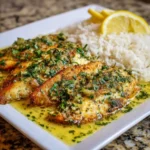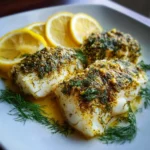
Lemon Dill Baked Cod: A Light, Flavorful Seafood Delight
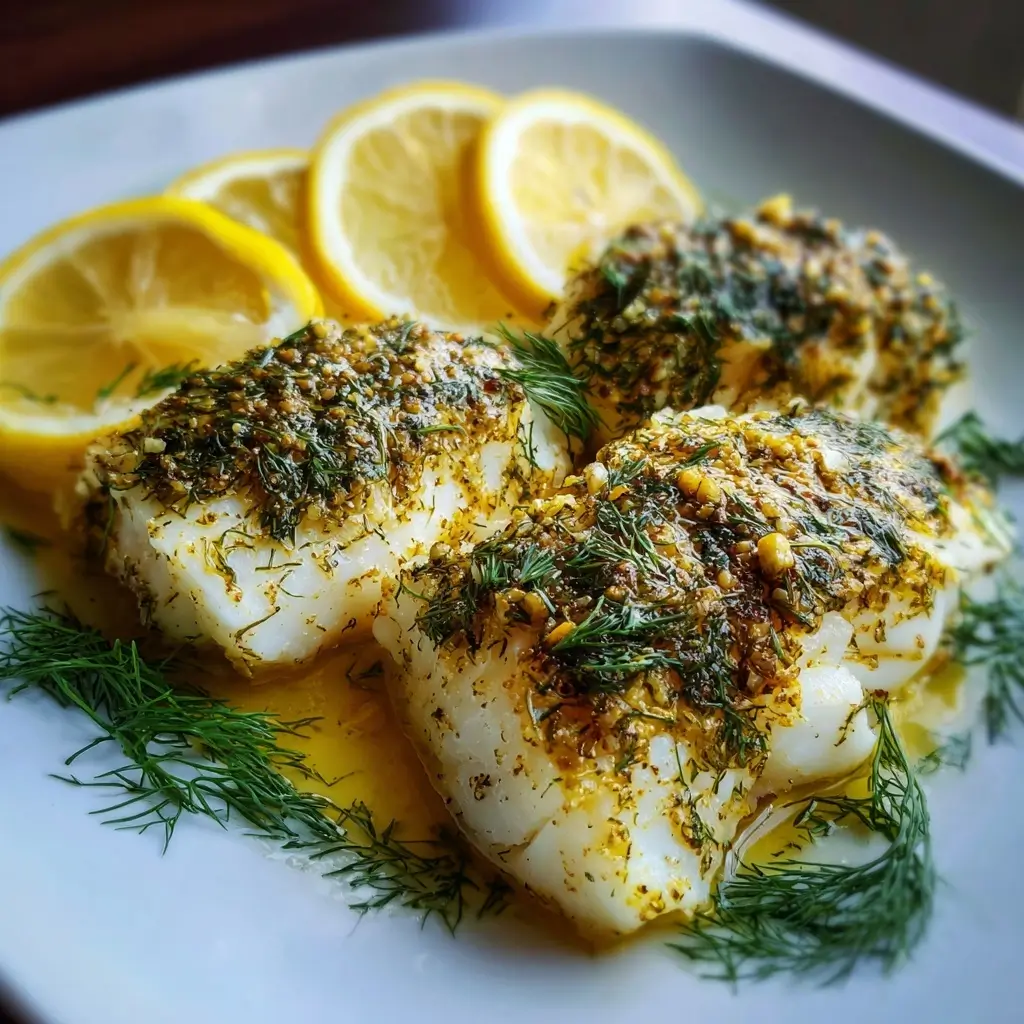
Baking cod with lemon and dill is a culinary tradition that brings together the delicate texture of white fish with the bright, refreshing flavors of citrus and fresh herbs. This dish has become a staple in kitchens around the world, particularly among those who appreciate healthy, clean eating without sacrificing taste. The simplicity of preparation combined with the elegance of flavor makes Lemon Dill Baked Cod not only an ideal weeknight dinner but also a sophisticated option for entertaining guests.
The History Behind Lemon and Dill in Cooking
The pairing of lemon and dill dates back centuries, with roots in Scandinavian, Eastern European, and Mediterranean cuisines. In Nordic countries like Sweden and Norway, dill has long been used to season fish, especially salmon and cod, due to its abundant growth in cool climates and its natural affinity for seafood. Lemon, while not native to these regions, became a popular addition once citrus fruits were introduced through trade routes. Together, lemon and dill create a balance—dill’s slightly sweet, grassy notes complement the tartness of lemon, enhancing the natural sweetness of fish without overpowering it.
In Greek cuisine, lemon-dill combinations are frequently found in dishes like psari plaki, where fish is baked in a tomato-herb sauce. Similarly, Russian and Ukrainian recipes often feature dill-heavy marinades or garnishes for cold fish dishes. Over time, this classic duo has crossed borders and evolved into modern preparations, including our beloved Lemon Dill Baked Cod—a dish that honors tradition while embracing contemporary health-conscious cooking methods.
Ingredients Breakdown: What Makes This Dish Shine
The beauty of Lemon Dill Baked Cod lies in its minimal yet impactful ingredient list. Each component plays a crucial role in building layers of flavor, moisture, and texture:
- Cod Fillets: Chosen for their firm, flaky texture and mild flavor, cod serves as the perfect canvas for bold seasonings. It absorbs flavors well while remaining tender when baked.
- Fresh Lemon: Both zest and juice are used to deliver a vibrant citrus punch. The acidity helps “cook” the surface of the fish slightly, enhancing tenderness.
- Fresh Dill: Offers a fragrant, slightly anise-like flavor that pairs exquisitely with seafood. Fresh dill is preferred over dried for its superior aroma and brightness.
- Extra Virgin Olive Oil: Adds richness, helps carry flavors, and keeps the fish moist during baking.
- Garlic: Minced garlic provides depth and a subtle savory backbone without dominating the dish.
- Shallot or Onion (optional): Finely chopped shallots add a mild sweetness and complexity when sautéed lightly before mixing into the topping.
- Salt and Black Pepper: Essential seasonings that enhance all other flavors.
- Paprika or Smoked Paprika (optional): For a hint of warmth and color, especially if you want a more complex profile.
- White Wine (optional): A splash can be added under the fish or in the sauce for extra depth and acidity.
- Breadcrumbs or Panko (optional): Used for a light crust on top, adding texture contrast.
These ingredients work in harmony to create a dish that is both comforting and refined—simple enough for beginners, yet impressive enough for seasoned cooks.
Step-by-Step Recipe: How to Make Perfect Lemon Dill Baked Cod
- Preheat the Oven: Set your oven to 400°F (200°C). Line a baking dish or sheet pan with parchment paper or lightly grease it with olive oil to prevent sticking.
- Prepare the Cod Fillets: Pat the cod fillets dry with paper towels. Moisture on the surface can lead to steaming rather than baking, so drying ensures a better texture. Place them in a single layer in the baking dish.
- Season the Fish: Generously season both sides of each fillet with kosher salt and freshly ground black pepper. You may also sprinkle a pinch of paprika at this stage for added color and warmth.
- Make the Lemon-Dill Sauce: In a small bowl, combine 3 tablespoons of extra virgin olive oil, juice of half a lemon (about 2–3 tablespoons), 1 teaspoon of lemon zest, 2 minced garlic cloves, 2 tablespoons of finely chopped fresh shallot (optional), and 3 tablespoons of chopped fresh dill. Whisk until emulsified. Taste and adjust seasoning if needed.
- Coat the Fillets: Spoon the lemon-dill mixture evenly over the top of each cod fillet, making sure to spread it across the surface. Use a brush or spoon to coat thoroughly.
- Add Aromatics (Optional): Thinly sliced lemon rounds can be placed on top of each fillet for visual appeal and additional flavor infusion. You can also scatter sprigs of fresh dill or thyme around the fish for aromatic steam during baking.
- Bake the Cod: Transfer the baking dish to the preheated oven. Bake for 12–15 minutes, depending on the thickness of the fillets. The fish is done when it flakes easily with a fork and reaches an internal temperature of 145°F (63°C). Avoid overbaking, as cod can quickly become dry.
- Optional Crust Variation: If you prefer a crisp topping, mix ¼ cup panko breadcrumbs with 1 tablespoon olive oil, 1 tablespoon chopped dill, and a squeeze of lemon juice. Sprinkle over the fillets during the last 5 minutes of baking to toast lightly.
- Rest and Garnish: Remove from the oven and let the cod rest for 2–3 minutes. This allows the juices to redistribute. Drizzle with a touch more olive oil and garnish with fresh dill and lemon slices before serving.
Tips for Success: Getting the Best Results Every Time
- Use Fresh Fish: Look for cod with firm, translucent flesh and a clean ocean smell. Avoid any with yellowing or strong odors.
- Don’t Skip the Zest: Lemon zest contains essential oils that intensify flavor far beyond juice alone.
- Room Temperature Start: Let the cod sit at room temperature for 10–15 minutes before baking to ensure even cooking.
- Uniform Thickness: If your fillets vary in thickness, fold thinner ends underneath to create even pieces that cook uniformly.
- Check Early: Ovens vary; start checking for doneness at 10 minutes to avoid overcooking.
- Residual Heat Matters: Remember that the fish continues to cook slightly after removal from the oven due to residual heat.
- Baste Midway (Optional): For extra moisture, baste the fillets halfway through baking with pan juices.
- Avoid Crowding: Ensure space between fillets to allow proper air circulation and prevent steaming.
Variations and Customizations: Make It Your Own
Lemon Dill Baked Cod is incredibly versatile. Here are some creative twists to suit different tastes and dietary needs:
- Mediterranean Style: Add capers, kalamata olives, cherry tomatoes, and a splash of white wine to the baking dish for a Greek-inspired version.
- With Vegetables: Arrange sliced zucchini, bell peppers, red onions, and cherry tomatoes around the fish. Toss them in olive oil, salt, and herbs to create a one-pan meal.
- Creamy Version: Mix a tablespoon of Greek yogurt or sour cream into the lemon-dill sauce for a richer finish.
- Spicy Kick: Add red pepper flakes or a dash of hot sauce to the marinade for heat lovers.
- Dill Butter Glaze: Substitute part of the olive oil with melted unsalted butter and stir into the sauce for a luxurious mouthfeel.
- Herb Swap: Replace dill with parsley, tarragon, or chives for a different herbal note.
- Gluten-Free Crust: Use crushed gluten-free crackers or almond flour instead of breadcrumbs for a crunchy topping.
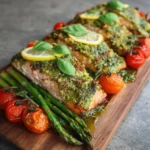
- Sheet Pan Dinner: Roast potatoes, asparagus, or broccoli alongside the cod for a complete, easy cleanup meal.
- Asian Fusion: Infuse the sauce with ginger, soy sauce, and sesame oil, using dill sparingly for an East-meets-West twist.
- En Papillote (Parchment Packet): Wrap each fillet with lemon slices, herbs, and vegetables in parchment paper before baking. This steams the fish gently, locking in moisture and aroma.
Health Considerations and Nutritional Value
Lemon Dill Baked Cod is not only delicious but also highly nutritious. Here’s why it’s a smart choice for a balanced diet:
- High-Quality Protein: Cod is rich in lean protein, providing about 19–22 grams per 3-ounce serving, essential for muscle repair and satiety.
- Low in Calories: A typical 6-ounce fillet contains only around 180–220 calories, making it ideal for weight management.
- Heart-Healthy Fats: While low in fat overall, cod contains beneficial omega-3 fatty acids, which support cardiovascular health, brain function, and inflammation reduction.
- Rich in Vitamins and Minerals: Cod provides significant amounts of vitamin B12, phosphorus, selenium, and iodine—nutrients vital for energy metabolism, thyroid function, and antioxidant defense.
- Lemon Benefits: High in vitamin C, lemon boosts immunity, enhances iron absorption, and acts as a natural detoxifier.
- Dill’s Role: Contains antioxidants, flavonoids, and antimicrobial properties. It also aids digestion and has anti-inflammatory effects.
- Olive Oil Advantages: A cornerstone of the Mediterranean diet, extra virgin olive oil contributes monounsaturated fats that promote heart health and reduce bad cholesterol.
- Low Mercury Content: Unlike larger predatory fish, cod is low in mercury, making it safer for regular consumption, including for pregnant women and children (in moderation).
This dish is naturally gluten-free (if breadcrumbs are omitted), dairy-free (unless butter is added), and can easily be adapted to fit keto, paleo, or low-carb lifestyles. Its emphasis on whole, unprocessed ingredients aligns perfectly with clean eating principles.
Full Ingredient List
- 4 skinless cod fillets (about 6 ounces each), fresh or thawed
- Kosher salt, to taste
- Freshly ground black pepper, to taste
- Zest and juice of 1 large lemon (divided use)
- 3 tablespoons extra virgin olive oil
- 2 cloves garlic, minced
- 1 small shallot, finely chopped (or 2 tablespoons onion)
- ¼ cup fresh dill, finely chopped (plus extra sprigs for garnish)
- ½ teaspoon paprika (optional)
- 2 thin lemon slices per fillet (for topping)
- 2 tablespoons dry white wine (optional)
- 2 tablespoons panko breadcrumbs (optional, for topping)
Detailed Directions
- Preheat oven to 400°F (200°C). Prepare a 9×13-inch baking dish by lining with parchment paper or greasing lightly with olive oil.
- Pat cod fillets dry with paper towels. Place them in the dish in a single layer, ensuring they aren’t touching.
- Season both sides of each fillet with salt, pepper, and paprika (if using).
- In a mixing bowl, whisk together olive oil, lemon juice, lemon zest, minced garlic, chopped shallot, and 3 tablespoons of fresh dill. Stir well to combine.
- Pour or spoon the lemon-dill mixture evenly over each fillet, coating the tops completely.
- If using, pour white wine into the bottom of the dish—not directly on the fish—to create a gentle steam environment.
- Place 2 lemon slices on top of each fillet. Tuck a few sprigs of dill around the dish for added fragrance.
- If adding a breadcrumb topping: In a small bowl, mix panko with 1 teaspoon olive oil and 1 teaspoon dill. Sprinkle lightly over each fillet during the last 5 minutes of baking.
- Bake for 12–15 minutes, or until the fish is opaque throughout and flakes easily with a fork. Thicker fillets may require up to 18 minutes.
- Remove from oven and let rest for 3 minutes. Drizzle with a final touch of olive oil and garnish with fresh dill and lemon wedges.
- Serve immediately with sides like roasted vegetables, quinoa, rice pilaf, or a crisp green salad.
Frequently Asked Questions (FAQ)
Q: Can I use frozen cod?
A: Yes, but make sure to thaw it properly in the refrigerator overnight. Never bake frozen cod unless specified by the recipe, as it will release too much water and result in a soggy texture.
Q: What can I substitute for cod?
A: Haddock, halibut, pollock, or sea bass are excellent alternatives with similar textures and mild flavors.
Q: Can I prepare this ahead of time?
A: You can marinate the cod in the lemon-dill mixture for up to 30 minutes in the fridge before baking. However, avoid longer marination as the acid in lemon can start to “cook” the fish (ceviche-style), altering its texture.
Q: Is dill necessary? Can I skip it?
A: While dill is central to the flavor profile, you can substitute with parsley, tarragon, or chervil. However, skipping herbs entirely will result in a less aromatic dish.
Q: How do I store leftovers?
A: Store cooled leftovers in an airtight container in the refrigerator for up to 2 days. Reheat gently in the oven or microwave, though texture may soften upon reheating.
Q: Why did my cod turn out dry?
A: Overbaking is the most common cause. Cod cooks quickly—check early! Also, starting with overly thin fillets or skipping the oil-based marinade can contribute to dryness.
Q: Can I grill instead of bake?
A: Absolutely! Grill the cod on medium-high heat (about 375°F) for 4–5 minutes per side, using a fish basket or foil to prevent sticking. Baste with the sauce while grilling.
Q: Is this recipe kid-friendly?
A: Yes! The mild flavor and soft texture make it appealing to children. Serve with a side of mashed potatoes or pasta to round out the meal.
Summary
Lemon Dill Baked Cod is a harmonious blend of fresh flavors and wholesome nutrition, combining tender cod with zesty lemon and aromatic dill for a dish that’s both elegant and effortless. Perfect for healthy dinners, meal prep, or impressing guests, this recipe proves that simple ingredients can create extraordinary meals.