Introduction
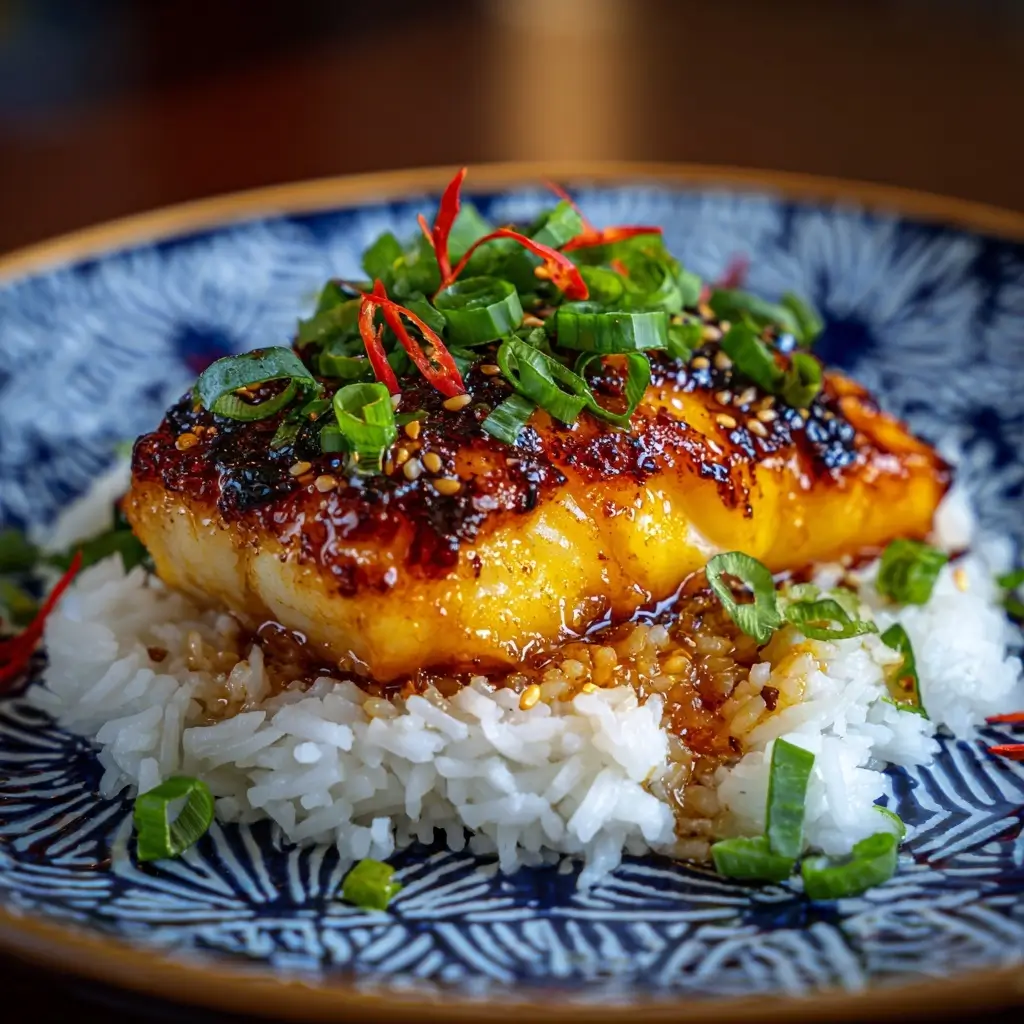
Miso glazed cod is a luxurious yet simple dish that brings the elegance of Japanese cuisine into your home kitchen. With its delicate, buttery texture and rich umami flavor, cod becomes elevated when paired with a sweet-savory miso glaze. This recipe has gained international acclaim for its balance of flavors and ease of preparation, making it a favorite among home cooks and professional chefs alike. Whether you’re preparing a romantic dinner for two or looking to impress guests at a dinner party, miso glazed cod offers restaurant-quality results with minimal effort. The magic lies in the marinade—a blend of white miso paste, mirin, sake, sugar, and other seasonings—that infuses the fish with depth and complexity long before it hits the oven or pan.
The History
The origins of miso glazed cod trace back to Japan, where fermented soybean products like miso have been staples of the culinary tradition for over 1,300 years. Miso itself dates back to the Nara period (710–794 AD), introduced from China and later refined into various regional styles across Japan. However, the specific technique of marinating fish—especially white fish like cod—in a sweetened miso mixture became popularized in the late 20th century. Chef Nobu Matsuhisa played a pivotal role in introducing Nobu-style miso black cod (often made with sablefish or black cod) to global audiences through his world-renowned Nobu restaurant chain, starting in the 1980s. While traditionally made with black cod (also known as sablefish), many home cooks adapted the recipe using more accessible alternatives such as Atlantic cod, leading to the widespread popularity of miso glazed cod dishes around the world. This fusion of traditional Japanese ingredients with modern culinary techniques exemplifies how global palates have embraced umami-rich, health-conscious cooking without sacrificing indulgence.
Ingredients Breakdown
The beauty of miso glazed cod lies in its minimalist ingredient list, each playing a crucial role in building layers of flavor:
- Cod Fillets: Fresh, skin-on cod fillets are ideal for this dish. Cod is prized for its flaky texture and mild flavor, which readily absorbs the miso marinade. Look for thick, even cuts to ensure uniform cooking.
- White Miso Paste: Also known as shiro miso, this fermented soybean paste is milder and slightly sweeter than red miso. It forms the base of the glaze, providing deep umami notes without overpowering bitterness.
- Mirin: A sweet rice wine essential in Japanese cooking, mirin adds subtle sweetness and helps caramelize the glaze during cooking. If unavailable, a mix of dry sherry and sugar can serve as a substitute.
- Sake: Japanese rice wine enhances the depth of flavor and tenderizes the fish. It also helps dissolve the miso paste evenly in the marinade.
- Sugar: Typically granulated or brown sugar balances the saltiness of miso and aids in browning. Some recipes use honey or maple syrup for added richness.
- Soy Sauce: Adds a touch of saltiness and color; low-sodium versions help control overall salt content.
- Sesame Oil: A small amount imparts nutty aroma and helps carry flavor compounds in the marinade.
- Ginger and Garlic (optional): Freshly grated ginger and minced garlic can be added for extra warmth and complexity.
- Toasted Sesame Seeds and Green Onions (for garnish): These enhance presentation and add contrasting textures and freshness.
Each ingredient works synergistically to create a harmonious glaze that penetrates the fish while forming a glossy, caramelized crust when cooked.
Step-by-Step Recipe
- Prepare the Marinade: In a medium bowl, whisk together 1/3 cup white miso paste, 3 tablespoons mirin, 2 tablespoons sake, 2 tablespoons sugar, 1 tablespoon soy sauce, and 1 teaspoon sesame oil until smooth. For enhanced flavor, add 1 teaspoon freshly grated ginger and 1 minced garlic clove.
- Marinate the Cod: Pat 4 cod fillets (about 6 oz each) dry with paper towels. Place them in a shallow dish or resealable plastic bag. Pour the miso mixture over the fillets, ensuring they are fully coated on all sides. Cover and refrigerate for at least 4 hours, preferably overnight. Do not exceed 2 days to avoid over-marinating, which can break down the fish’s texture.
- Remove Before Cooking: Take the cod out of the refrigerator 20–30 minutes before cooking to bring it closer to room temperature. This ensures even cooking. Gently wipe off excess miso marinade with a paper towel—this prevents burning during searing or broiling.
- Preheat Oven or Pan: For baking: Preheat oven to 400°F (200°C). Line a baking sheet with parchment paper or foil and lightly grease it. For broiling: Set oven rack 6 inches below the broiler element and preheat on high. For pan-searing: Heat a non-stick or cast-iron skillet over medium-high heat with 1 tablespoon of neutral oil (like avocado or grapeseed).
- Cook the Cod:
- Oven Method: Place fillets on prepared baking sheet, skin-side down. Bake for 12–15 minutes, depending on thickness, until internal temperature reaches 135°F (57°C). Optionally, broil for the last 2–3 minutes to caramelize the top.
- Broiler Method: Broil for 8–10 minutes, watching closely to prevent burning. Rotate pan if needed for even browning.
- Pan-Searing: Sear skin-side down for 4–5 minutes until golden and crisp. Flip carefully and cook another 3–4 minutes until just cooked through.
- Rest and Glaze: Let the cod rest for 2 minutes. If desired, brush with a warmed reduction of leftover marinade (boiled for 2 minutes to kill bacteria) for extra shine.
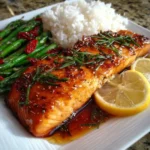
- Serve: Garnish with sliced green onions, toasted sesame seeds, and a wedge of lemon or yuzu. Serve immediately with steamed rice and vegetables.
Tips
- Marination Time Matters: At least 4 hours is necessary for flavor penetration, but 24 hours yields the best results. Avoid exceeding 48 hours, as the enzymes in miso may start to degrade the fish proteins too much, resulting in a mushy texture.
- Wipe Off Excess Miso: Before cooking, removing some surface miso prevents charring and bitterness. You want flavor infusion, not carbonization.
- Don’t Overcook: Cod is best when slightly underdone—it continues to cook after removal from heat due to residual warmth. Aim for an internal temperature of 130–135°F (54–57°C).
- Use Thick Fillets: Thicker cuts (at least 1 inch) hold up better during marinating and cooking. Thin fillets may become overcooked or fall apart.
- Pat Dry Before Marinating: Moisture blocks flavor absorption. Always pat fish dry before applying the marinade.
- Baste Midway (Optional): During baking, gently baste the top with melted butter or a reduced marinade for extra gloss and moisture.
- Non-Stick Surface: To preserve the beautiful glaze and skin, use a well-seasoned cast iron or non-stick pan when searing.
- Check Miso Quality: Use fresh, refrigerated miso paste. Avoid shelf-stable tubs that may have lost enzymatic activity and flavor complexity.
Variations and Customizations
Miso glazed cod is incredibly versatile and can be tailored to suit different tastes and dietary needs:
- Protein Swaps: Try the same marinade with salmon, halibut, sea bass, or even chicken thighs. Adjust cooking times accordingly.
- Different Miso Types: Substitute yellow miso for a stronger profile, or mix in a bit of red miso for deeper funkiness. Avoid using only red miso—it’s too salty and intense.
- Sugar Alternatives: Replace sugar with honey, maple syrup, or coconut sugar for nuanced sweetness. Diabetics might opt for monk fruit sweetener, though caramelization will differ.
- Spicy Kick: Add a teaspoon of sriracha, gochujang, or chili flakes to the marinade for heat lovers.
- Citrus Twist: Incorporate yuzu juice, orange zest, or lime into the glaze for brightness.
- Alcohol-Free Version: Omit sake and mirin; replace with rice vinegar mixed with a little water and sugar to mimic acidity and sweetness.
- Grilled Option: Grill the marinated cod over indirect heat on a cedar plank or in a fish basket for smoky depth.
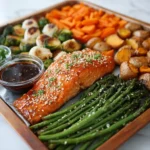
- Sheet Pan Meal: Arrange cod on a tray with bok choy, snap peas, or broccoli; drizzle with oil and roast together for a complete meal.
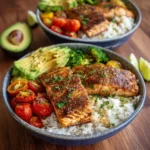
- Asian Fusion Bowl: Flake leftover cod into a grain bowl with quinoa, pickled vegetables, avocado, edamame, and a spicy mayo drizzle.
Health Considerations and Nutritional Value
Miso glazed cod combines the nutritional benefits of fatty fish and fermented foods, making it a wholesome choice when prepared mindfully:
- Omega-3 Fatty Acids: Cod contains moderate levels of heart-healthy omega-3s, supporting brain function and reducing inflammation.
- High-Quality Protein: A 6-ounce serving provides about 35 grams of lean protein, aiding muscle repair and satiety.
- Fermented Benefits: Miso is rich in probiotics, promoting gut health and digestion. Its fermentation process also increases bioavailability of nutrients.
- Sodium Content: The primary concern is sodium—miso and soy sauce are naturally high in salt. One serving can contain 800–1,200 mg of sodium. To reduce this, use low-sodium miso and soy sauce, decrease marination time, or rinse off excess glaze before cooking.
- Sugar Awareness: The added sugar contributes to browning and balance but can accumulate. Reduce sugar by half or use natural substitutes if needed.
- Calorie Count: A typical portion ranges from 300–400 calories, mostly from protein and healthy fats. Pairing with brown rice and vegetables makes it a balanced meal.
- Allergens: Contains soy and fish—avoid if allergic. Gluten-free options exist if using tamari instead of soy sauce and verifying miso is gluten-free (some contain barley).
Overall, miso glazed cod fits well within Mediterranean, pescatarian, and flexitarian diets when consumed in moderation.
Ingredients
- 4 fresh cod fillets (6 oz each, skin-on preferred)
- 1/3 cup white miso paste (shiro miso)
- 3 tbsp mirin (sweet rice wine)
- 2 tbsp sake (Japanese rice wine)
- 2 tbsp granulated sugar (or honey/maple syrup)
- 1 tbsp low-sodium soy sauce
- 1 tsp toasted sesame oil
- 1 tsp freshly grated ginger (optional)
- 1 garlic clove, minced (optional)
- 1 tbsp neutral oil (for searing, if needed)
- Toasteds sesame seeds and sliced green onions (for garnish)
- Lemon or yuzu wedges (for serving)
Directions
- In a bowl, whisk together miso paste, mirin, sake, sugar, soy sauce, sesame oil, ginger, and garlic until a smooth, creamy glaze forms.
- Pat cod fillets dry with paper towels. Place in a single layer in a glass dish or zip-top bag.
- Pour marinade over fillets, turning to coat completely. Seal or cover and refrigerate for 4 to 24 hours.
- When ready to cook, remove cod from fridge and let sit at room temperature for 20–30 minutes. Gently wipe off excess marinade.
- Choose your cooking method:
- Bake: Preheat oven to 400°F. Place cod on greased parchment-lined baking sheet. Cook 12–15 min until flaky and internal temp reaches 135°F.
- Broil: Set oven to broil, rack 6″ from heat. Cook 8–10 min, watching closely for caramelization.
- Sear: Heat oil in skillet over medium-high. Place cod skin-side down. Cook 4–5 min until crispy. Flip and cook 3–4 min more.
- Let rest 2 minutes. Garnish with sesame seeds, green onions, and citrus. Serve hot.
FAQ
Can I make miso glazed cod without alcohol?
Yes. Replace mirin with 3 tbsp rice vinegar + 1 tsp sugar, and sake with water or unsalted vegetable broth.
How long can I keep marinated cod in the fridge?
Up to 2 days. Beyond that, the texture may degrade due to enzymatic action from miso.
Can I freeze miso-marinated cod?
Yes. Freeze the marinated fillets in sealed bags for up to 1 month. Thaw overnight in the fridge before cooking.
Why did my glaze burn?
Too much sugar or high heat. Wipe off excess marinade and monitor closely during broiling or searing.
Is white miso the same as yellow miso?
Not exactly. White miso is milder and sweeter; yellow miso is slightly stronger. They can be substituted, but adjust sugar accordingly.
Can I reuse leftover marinade?
Only if boiled for at least 2 minutes to kill any raw fish bacteria. Otherwise, discard for safety.
What sides go well with miso glazed cod?
Steamed jasmine or sushi rice, stir-fried bok choy, roasted asparagus, seaweed salad, or miso soup.
Can I air fry miso cod?
Absolutely. Air fry at 375°F for 8–10 minutes, flipping halfway, until golden and flaky.
Summary
Miso glazed cod is a sublime fusion of Japanese tradition and modern gourmet simplicity, featuring tender fish infused with a savory-sweet fermented soy glaze. Easy to prepare and rich in umami, it’s a healthy, impressive dish perfect for weeknights or special occasions alike.