Introduction
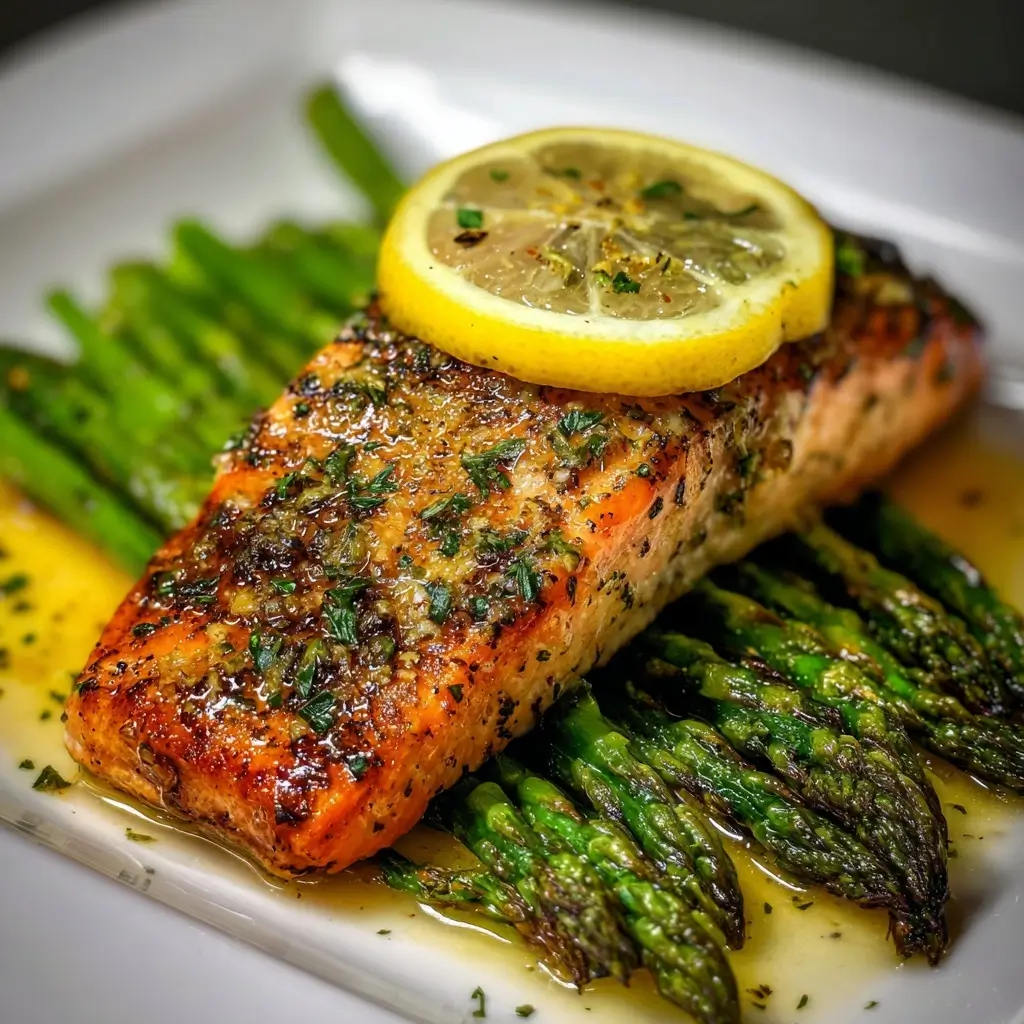
Lemon Butter Salmon with Asparagus is a culinary masterpiece that marries the rich, buttery flavor of wild-caught salmon with the crisp, earthy freshness of asparagus. This dish is not only a feast for the taste buds but also a visual delight—vibrant green spears nestled beside golden-brown salmon fillets glistening with a luscious lemon butter sauce. Whether you’re preparing a romantic dinner for two or a healthy weeknight meal for the family, this recipe delivers elegance and simplicity in every bite. It’s a go-to favorite among home chefs and professional cooks alike due to its minimal prep time, nutritional benefits, and bold yet balanced flavors. In this comprehensive guide, we’ll dive deep into everything you need to know about making the perfect Lemon Butter Salmon with Asparagus—from sourcing the finest ingredients to plating like a pro.
The History
The roots of combining fish with vegetables and citrus can be traced back to ancient Mediterranean cuisines, where olive oil, lemon, and fresh herbs were staples in coastal cooking. The Greeks and Romans often prepared fish with lemon juice to enhance flavor and aid digestion. As trade routes expanded during the Middle Ages, butter became more widely available in European kitchens, particularly in France and the British Isles, where it was used to enrich sauces and elevate simple dishes. The modern iteration of Lemon Butter Salmon likely emerged in 19th-century French cuisine, where beurre blanc—a warm emulsion of butter, vinegar, and wine—was developed in the Loire Valley. Over time, American home cooks adapted these techniques, simplifying them for everyday meals while retaining the luxurious mouthfeel of restaurant-quality dishes. Asparagus, once considered a delicacy reserved for royalty, gained popularity in the United States in the early 20th century, thanks to improved farming and transportation. Today, pairing salmon with asparagus and lemon butter reflects a harmonious blend of tradition, health-conscious eating, and gourmet flair—a dish that honors culinary history while fitting seamlessly into contemporary lifestyles.
Ingredients Breakdown
The magic of Lemon Butter Salmon with Asparagus lies in its carefully curated ingredients, each contributing to the overall balance of flavor, texture, and nutrition. Let’s explore them in detail:
- Salmon Fillets: Opt for wild-caught Atlantic or Pacific salmon when possible. Wild salmon offers a richer flavor profile and higher levels of omega-3 fatty acids compared to farmed varieties. Look for fillets with firm flesh, a vibrant pink-orange hue, and no fishy odor. Skin-on fillets are ideal for pan-searing, as the skin crisps up beautifully and protects the delicate flesh.
- Fresh Asparagus: Choose slender to medium-thick stalks with tightly closed tips and bright green color. Avoid limp or woody stems. Snap off the tough ends by bending the spear until it naturally breaks—this ensures tender results. Organic asparagus is recommended to minimize pesticide exposure.
- Unsalted Butter: Using unsalted butter gives you full control over the seasoning. High-quality European-style butter with a higher fat content creates a silkier, more flavorful sauce.
- Fresh Lemon: Both the zest and juice are essential. The zest adds aromatic citrus oils without acidity, while the juice provides brightness and balances the richness of the butter. Always use fresh lemons rather than bottled juice for optimal flavor.
- Garlic: Freshly minced garlic imparts a pungent, savory depth. Avoid pre-minced garlic from jars, which often contains preservatives and lacks vibrancy.
- Olive Oil: A high-quality extra virgin olive oil is perfect for searing the salmon and roasting asparagus. It adds fruitiness and helps prevent sticking.
- Salt and Black Pepper: Use kosher salt for even distribution and freshly ground black pepper for maximum aroma and heat.
- Optional Enhancements: Fresh herbs like dill, parsley, or thyme add complexity. A splash of white wine or chicken broth can deepen the sauce, while red pepper flakes introduce a subtle kick.
Step-by-Step Recipe
- Preparation: Begin by preheating your oven to 400°F (200°C). Line a large baking sheet with parchment paper or lightly grease it with olive oil.
- Prepare the Asparagus: Wash the asparagus and trim the woody ends. Toss the spears with 1 tablespoon of olive oil, ½ teaspoon of salt, and ¼ teaspoon of black pepper. Spread them out in a single layer on one side of the baking sheet.
- Season the Salmon: Pat the salmon fillets dry with paper towels—this ensures a good sear. Season both sides generously with salt and pepper. For extra flavor, rub the top of each fillet with a little olive oil and a sprinkle of lemon zest.
- Roast First (Optional): Place the baking sheet in the oven and roast the asparagus for 5 minutes to begin softening. Remove and set aside if you prefer fully roasted asparagus, or continue with the next step for simultaneous cooking.
- Sear the Salmon: Heat a large oven-safe skillet over medium-high heat. Add 1 tablespoon of olive oil. Once shimmering, place the salmon fillets skin-side down (if skin-on) and cook undisturbed for 4–5 minutes until the skin is crispy and golden. Flip carefully and transfer the skillet to the oven. Roast for 6–8 minutes, depending on thickness, until the internal temperature reaches 125°F (52°C) for medium-rare or 135°F (57°C) for medium.
- Cook the Asparagus (Stovetop Option): While the salmon roasts, sauté the asparagus in a separate pan. Heat 1 tablespoon of butter and 1 teaspoon of olive oil over medium heat. Add the asparagus and cook for 6–8 minutes, turning occasionally, until tender-crisp. Set aside.
- Make the Lemon Butter Sauce: Reduce the heat to low. In the same skillet (after removing salmon if not using oven method), melt 3 tablespoons of butter. Add 2 minced garlic cloves and sauté for 30 seconds until fragrant. Stir in 3 tablespoons of fresh lemon juice, 1 teaspoon of lemon zest, and a pinch of salt. Optional: Add 2 tablespoons of white wine or broth and simmer for 2 minutes to reduce slightly. Finish with chopped fresh herbs.
- Combine and Serve: Plate the salmon alongside the asparagus. Drizzle generously with the warm lemon butter sauce. Garnish with additional lemon slices and fresh dill or parsley.
Tips
- Dry the Salmon: Moisture is the enemy of a good sear. Always pat the fillets dry before seasoning.
- Don’t Crowd the Pan: Give each fillet space to ensure even browning and avoid steaming.
- Use an Instant-Read Thermometer: This guarantees perfect doneness without overcooking. Salmon continues to cook slightly after removal from heat (carryover cooking).
- Reserve Some Herbs for Garnish: Adding fresh herbs at the end preserves their bright flavor and adds visual appeal.
- Baste the Salmon: While searing, spoon melted butter and oil over the top of the fillets for added moisture and flavor.
- Adjust Acidity: Taste the sauce before serving. If too tart, add a half-teaspoon of honey or maple syrup to balance.
- Save Time: Roast asparagus and salmon together on the same tray for a hands-off approach. Just place salmon on one side and asparagus on the other.
- Leftover Magic: Flake leftover salmon into salads, grain bowls, or pasta dishes for quick, nutritious meals.
Variations and Customizations
This recipe is highly adaptable to suit different tastes, dietary needs, and ingredient availability:
- Dairy-Free Version: Replace butter with ghee (clarified butter) or a plant-based butter alternative made from avocado or olive oil.
- Gluten-Free Friendly: This recipe is naturally gluten-free—just ensure any broth or wine used is certified GF.
- Spicy Kick: Add ¼ teaspoon of red pepper flakes to the sauce or garnish with sliced jalapeños.
- Herb Variations: Swap dill for tarragon, chives, or basil depending on your preference. Rosemary pairs well with roasted versions.
- Citrus Twists: Try orange or lime instead of lemon for a different citrus profile. Grapefruit works surprisingly well with salmon too.
- Creamy Upgrade: Stir in 2 tablespoons of heavy cream or crème fraîche to make a velvety lemon butter cream sauce.
- Asian Fusion: Replace lemon with yuzu or rice vinegar, add ginger and soy sauce, and garnish with sesame seeds and scallions.
- Grilled Option: Cook both salmon and asparagus on a preheated grill for a smoky flavor. Use a grill basket for the asparagus.
- Sheet Pan Dinner: Combine everything on one pan—toss asparagus with oil, place salmon beside it, drizzle with olive oil, and roast at 400°F for 12–15 minutes.
- Add Veggies: Include cherry tomatoes, zucchini, bell peppers, or mushrooms on the tray for a complete meal.
Health Considerations and Nutritional Value
Lemon Butter Salmon with Asparagus isn’t just delicious—it’s a powerhouse of nutrients that supports heart health, brain function, and overall wellness.
- Omega-3 Fatty Acids: Salmon is one of the best sources of EPA and DHA, essential fats linked to reduced inflammation, improved cognitive function, and lower risk of heart disease.
- High-Quality Protein: A 6-ounce serving provides about 34 grams of protein, supporting muscle repair and satiety.
- Fiber and Antioxidants: Asparagus is rich in dietary fiber, folate, and antioxidants like glutathione and vitamin C, which help detoxify the body and support immune health.
- Vitamin D and B12: Salmon is naturally high in these vital vitamins, crucial for energy metabolism, nerve function, and bone health.
- Liver Support: Asparagus contains compounds that may support liver detoxification enzymes.
- Heart-Healthy Fats: While butter is used, moderate amounts combined with olive oil provide a balance of saturated and unsaturated fats. For lower cholesterol, limit butter to 1–2 tablespoons and use olive oil as the primary fat.
- Low in Carbohydrates: This dish is keto-friendly and suitable for low-carb diets, with less than 8g of carbs per serving (mostly from asparagus).
- Mercury Concerns: Salmon is generally low in mercury compared to tuna or swordfish, making it safe for regular consumption, including for pregnant women (FDA recommends 2–3 servings per week).
- Sustainability Note: Choose salmon certified by organizations like MSC (Marine Stewardship Council) to support environmentally responsible fishing practices.
Nutritional estimate per serving (1 salmon fillet + 1 cup asparagus + 2 tbsp lemon butter sauce): ~420 calories, 34g protein, 28g fat (10g saturated), 7g carbohydrates, 3g fiber, 500mg sodium (adjustable).
Ingredients
- 4 (6-ounce) salmon fillets, skin-on preferred
- 1 bunch fresh asparagus (about 1 pound), ends trimmed
- 4 tablespoons unsalted butter
- 2 tablespoons extra virgin olive oil
- 3 tablespoons fresh lemon juice (about 1–2 lemons)
- 1 teaspoon lemon zest
- 3 cloves garlic, minced
- 1 teaspoon kosher salt, divided
- ½ teaspoon freshly ground black pepper, divided
- 2 tablespoons chopped fresh dill or parsley (plus extra for garnish)
- Optional: 2 tablespoons white wine or chicken broth
- Optional: ¼ teaspoon red pepper flakes
Directions
- Preheat oven to 400°F (200°C). Line a baking sheet with parchment paper.
- On the baking sheet, toss asparagus with 1 tablespoon olive oil, ½ teaspoon salt, and ¼ teaspoon pepper. Spread in a single layer.
- In a small bowl, mix lemon zest with 1 teaspoon olive oil. Rub over the top of each salmon fillet. Season with remaining salt and pepper.
- Arrange salmon fillets on the other side of the baking sheet, skin-side down if skinless, or skin-side up if you plan to sear first.
- Roast for 12–15 minutes, or until salmon is opaque and reaches desired internal temperature (125°F for medium-rare, 135°F for medium).
- While salmon roasts, prepare the sauce: In a small saucepan over low heat, melt 4 tablespoons butter. Add garlic and sauté for 30 seconds. Stir in lemon juice, zest, optional wine or broth, and red pepper flakes. Simmer 2 minutes. Remove from heat and stir in fresh herbs.
- Alternatively, sear salmon first: Heat 1 tablespoon olive oil in an oven-safe skillet over medium-high heat. Sear salmon skin-side down for 4–5 minutes. Flip, then transfer skillet to oven and roast for 6–8 minutes.
- Serve salmon and asparagus on plates, drizzled generously with warm lemon butter sauce. Garnish with extra herbs and lemon slices.
FAQ
Can I use frozen salmon?
Yes, but thaw it slowly in the refrigerator overnight for best texture. Never cook frozen salmon directly unless specified by packaging.
How do I prevent soggy asparagus?
Avoid overcrowding and ensure your oven is fully preheated. Roasting on a hot baking sheet promotes caramelization.
Can I make this ahead of time?
You can prep ingredients in advance—chop asparagus, make sauce base (without butter), and season salmon. However, cook just before serving for optimal texture.
What sides pair well with this dish?
Quinoa, wild rice, mashed potatoes, crusty bread, or a simple arugula salad all complement the flavors beautifully.
Is this recipe kid-friendly?
Yes! Many children enjoy the mild sweetness of salmon and the tender-crisp asparagus. Reduce lemon or spice if needed.
Can I air fry this?
Absolutely. Air fry salmon at 375°F for 10–12 minutes and asparagus at 380°F for 8–10 minutes, shaking halfway.
How long do leftovers last?
Store in an airtight container in the fridge for up to 3 days. Reheat gently in the oven or microwave.
Summary
Lemon Butter Salmon with Asparagus is a nutritious, elegant, and easy-to-make dish that brings gourmet flavors to your kitchen with minimal effort. Packed with omega-3s, protein, and vibrant vegetables, it’s perfect for healthy dinners that don’t compromise on taste.