Introduction
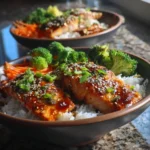
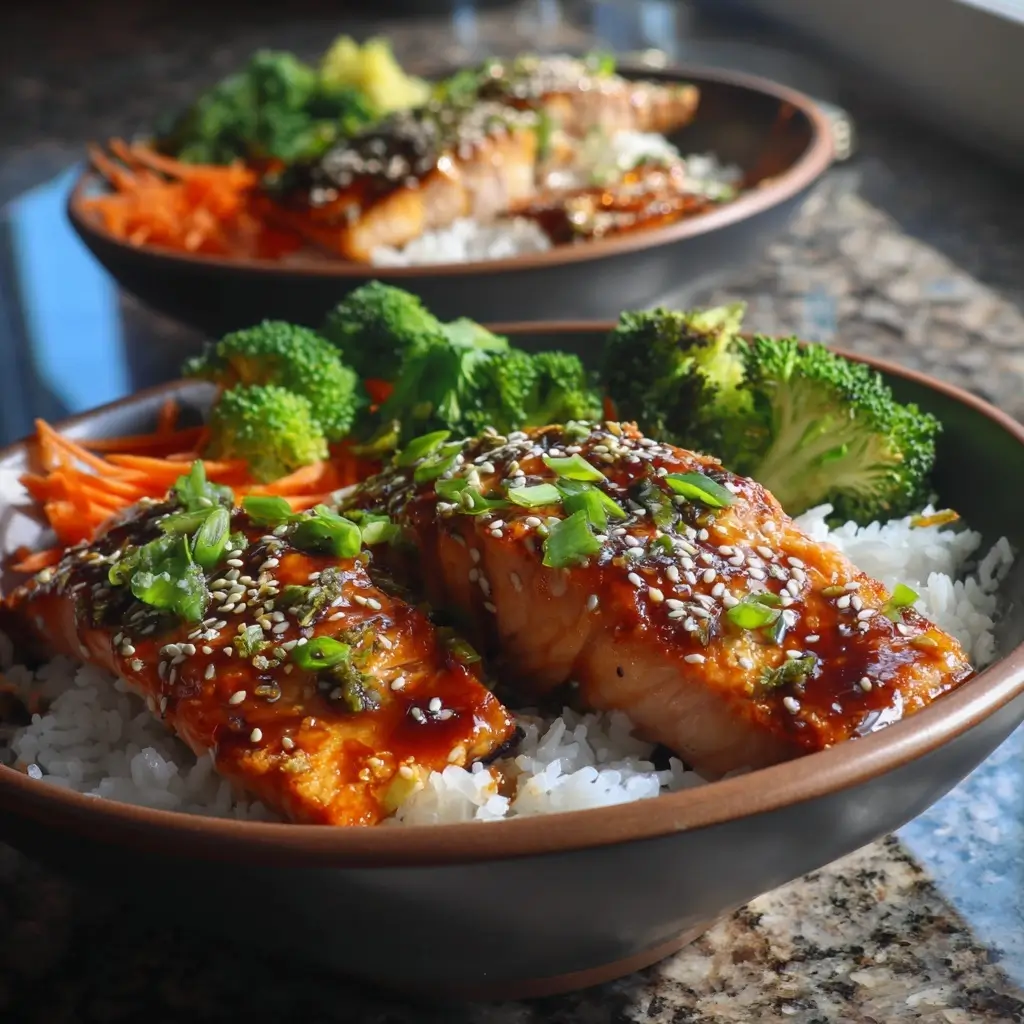
Teriyaki Salmon Rice Bowls are a harmonious fusion of savory, sweet, and umami flavors that come together in a beautifully balanced, nourishing meal. This Japanese-inspired dish features tender, flaky salmon glazed with a glossy teriyaki sauce, served over a bed of fluffy steamed rice and adorned with fresh vegetables and aromatic garnishes. Loved for its simplicity and depth of flavor, this bowl is perfect for weeknight dinners, meal prep, or impressing guests with minimal effort. Whether you’re a seasoned home cook or just starting your culinary journey, Teriyaki Salmon Rice Bowls offer an accessible yet elevated dining experience that celebrates the art of balanced eating.
The History
The roots of teriyaki trace back to 17th century Japan, where the technique was developed as a method of grilling fish or meat with a glaze made from soy sauce, mirin (sweet rice wine), and sugar. The word “teriyaki” itself comes from two Japanese words: teri, meaning luster or shine, referring to the glossy finish of the sauce, and yaki, meaning grilled or broiled. Originally used for preserving fish, this cooking style gained popularity among commoners and eventually evolved into a staple of Japanese cuisine.
As Japanese immigrants traveled abroad, particularly to Hawaii and North America, they adapted teriyaki to local tastes, incorporating ingredients like brown sugar, garlic, ginger, and pineapple juice. These variations helped popularize teriyaki beyond Japan, making it one of the most recognized Japanese dishes worldwide. Today, Teriyaki Salmon Rice Bowls reflect both traditional preparation methods and modern interpretations, blending cultural heritage with global palates. They embody the Japanese principle of ichiju-sansai—a meal consisting of rice, soup, and three side dishes—though in bowl form, it’s simplified into a single, satisfying plate.
Ingredients Breakdown
The magic of Teriyaki Salmon Rice Bowls lies in the quality and synergy of its components. Each ingredient plays a crucial role in building layers of flavor, texture, and nutrition:
- Salmon: Rich in omega-3 fatty acids and protein, wild-caught salmon provides a buttery texture and deep flavor that pairs perfectly with the sweet-savory teriyaki glaze.
- Soy Sauce: The backbone of the teriyaki sauce, soy sauce contributes saltiness and umami. Use low-sodium if preferred, or tamari for a gluten-free option.
- Mirin: A sweet rice wine that adds subtle sweetness and helps create the signature glossy finish of the sauce.
- Sake or Dry White Wine: Enhances depth and complexity; optional but recommended for authentic flavor.
- Brown Sugar or Honey: Balances the saltiness with natural sweetness and aids caramelization during cooking.
- Fresh Ginger and Garlic: Provide aromatic warmth and pungency, elevating the sauce’s profile.
- Rice Vinegar: Adds a touch of acidity to brighten the sauce and cut through richness.
- Cornstarch Slurry: Used to thicken the sauce into a velvety glaze that clings beautifully to the salmon.
- Jasmine or Sushi Rice: Fragrant, slightly sticky rice serves as the ideal base, absorbing the sauce while offering a soft contrast to the crispy salmon skin.
- Vegetable Toppings: Common additions include steamed broccoli, shredded carrots, snap peas, edamame, scallions, and pickled ginger, adding color, crunch, and nutrients.
- Garnishes: Sesame seeds, sliced green onions, nori strips, and microgreens enhance visual appeal and add nutty, fresh notes.
Step-by-Step Recipe
- Prepare the Rice: Rinse 1 cup of jasmine or sushi rice under cold water until the water runs clear. Combine with 1¾ cups water in a pot or rice cooker. Bring to a boil, reduce heat, cover, and simmer for 15–18 minutes until tender. Let stand covered for 10 minutes, then fluff with a fork. Stir in a splash of rice vinegar and a pinch of sugar for extra flavor if desired.
- Make the Teriyaki Sauce: In a small saucepan, whisk together ¼ cup soy sauce, ¼ cup mirin, 2 tablespoons sake (or dry white wine), 2 tablespoons brown sugar, 1 tablespoon honey, 1 teaspoon grated fresh ginger, 1 minced garlic clove, and 1 teaspoon rice vinegar. Bring to a gentle simmer over medium heat, stirring until sugar dissolves.
- Thicken the Sauce: In a separate bowl, mix 1 tablespoon cornstarch with 2 tablespoons cold water to make a slurry. Slowly pour into the simmering sauce while whisking continuously. Cook for 2–3 minutes until the sauce thickens into a smooth, glossy glaze. Remove from heat and set aside.
- Prepare the Salmon: Pat 2 salmon fillets (6 oz each) dry with paper towels. Season lightly with salt and pepper. Heat 1 tablespoon neutral oil (like avocado or canola) in a non-stick skillet over medium-high heat.
- Sear the Salmon: Place salmon skin-side down in the hot pan. Press gently with a spatula to ensure even contact. Cook for 5–6 minutes until the skin is crispy and golden. Flip carefully and cook for another 2–4 minutes depending on thickness, until the internal temperature reaches 125°F for medium-rare or 135°F for medium.
- Glaze the Salmon: Reduce heat to low. Pour about half the teriyaki sauce over the salmon, spooning it over the top. Cook for 1–2 minutes more, basting frequently, until the glaze caramelizes slightly and coats the fish evenly.
- Rest and Slice: Transfer salmon to a cutting board, tent loosely with foil, and let rest for 3–5 minutes. This allows juices to redistribute and prevents dryness.
- Assemble the Bowls: Divide cooked rice among two bowls. Top with a salmon fillet or sliced portions. Drizzle with additional warm teriyaki sauce. Arrange steamed or sautéed vegetables around the salmon.
- Garnish and Serve: Sprinkle with toasted sesame seeds, sliced green onions, pickled ginger, and nori strips. Serve immediately while warm.
Tips
- Choose High-Quality Salmon: Look for vibrant pink-orange flesh with firm texture. Wild-caught Alaskan or sockeye salmon offers superior flavor and sustainability.
- Dry the Salmon Skin: Moisture is the enemy of crispiness. Always pat fillets thoroughly before searing.
- Don’t Crowd the Pan: Cook salmon in batches if needed to avoid steaming instead of searing.
- Use a Non-Stick or Cast-Iron Skillet: These pans provide even heat distribution and help achieve a perfect crust.
- Baste Gently: Use a spoon to drizzle sauce over the salmon without disturbing the sear.
- Adjust Sauce Sweetness: Taste the sauce before glazing; adjust with more sugar, honey, or a splash of citrus juice as needed.
- Let Rice Rest: Allowing rice to sit after cooking improves texture and prevents mushiness.
- Prep Ahead: Make teriyaki sauce and cook rice up to 3 days in advance. Store separately and reheat when ready to serve.
- Broil Option: For hands-off cooking, marinate salmon in teriyaki sauce for 20 minutes, then broil on high for 6–8 minutes per side.
- Avoid Overcooking: Salmon continues to cook after removal from heat. Pull it off just before reaching desired doneness.
Variations and Customizations
One of the greatest strengths of Teriyaki Salmon Rice Bowls is their adaptability. Here are some creative twists to suit different dietary needs and flavor preferences:
- Protein Swaps: Replace salmon with grilled chicken, shrimp, tofu, or tempeh for alternative proteins. Adjust cooking times accordingly.
- Gluten-Free Version: Use tamari instead of soy sauce and ensure all other ingredients (like mirin) are certified gluten-free.
- Low-Sugar Option: Substitute brown sugar with monk fruit sweetener or reduce sugar by half and boost flavor with pineapple juice or apple cider.
- Pineapple Teriyaki: Add ¼ cup pure pineapple juice to the sauce for tropical sweetness and natural tenderizing enzymes.
- Spicy Kick: Stir in 1 teaspoon sriracha, gochujang, or red pepper flakes into the sauce for heat lovers.
- Grilled Version: Marinate salmon and grill over medium heat for smoky charred edges and outdoor flair.
- Buddha Bowl Style: Turn it into a plant-powered feast with quinoa, roasted sweet potatoes, kale, avocado, and miso-tahini dressing.
- Korean-Inspired Fusion: Swap teriyaki for a gochujang-soy glaze and top with kimchi, cucumber ribbons, and gochugaru.
- Avocado Addition: Add creamy slices of ripe avocado for healthy fats and luxurious texture.
- Sesame Oil Finish: Drizzle a few drops of toasted sesame oil over the finished bowl for rich aroma.
- Onigiri Twist: Shape rice into triangular onigiri and serve alongside glazed salmon for handheld fun.
Health Considerations and Nutritional Value
Teriyaki Salmon Rice Bowls are not only delicious but also packed with essential nutrients when prepared thoughtfully:
- Omega-3 Fatty Acids: Salmon is one of the best sources of EPA and DHA, which support heart, brain, and joint health.
- High-Quality Protein: Provides all essential amino acids necessary for muscle repair and satiety.
- Complex Carbohydrates: Whole grain rice (like brown or black rice) increases fiber content, aiding digestion and blood sugar control.
- Antioxidants and Vitamins: Fresh vegetables contribute vitamins A, C, K, folate, and phytonutrients that combat oxidative stress.
- Healthy Fats: Naturally present in salmon and enhanced with avocado or sesame seeds.
- Sodium Awareness: Traditional soy sauce is high in sodium. Opt for low-sodium versions or dilute with water to reduce intake.
- Sugar Content: Store-bought teriyaki sauces often contain excessive added sugars. Homemade versions allow full control over sweetness levels.
- Balanced Meal: When portioned correctly, this bowl aligns with dietary guidelines—roughly 40% carbs, 30% protein, 30% fat—for sustained energy and satisfaction.
A typical serving (one bowl with 6 oz salmon, ¾ cup white rice, veggies, and 3 tbsp sauce) contains approximately:
Calories: 550–650 | Protein: 35–40g | Carbohydrates: 50–60g | Fat: 20–25g | Fiber: 4–6g | Sodium: 800–1200mg (adjustable)
Ingredients
- 2 (6 oz) skin-on salmon fillets
- 1 cup jasmine rice or sushi rice
- 1¾ cups water (for rice)
- ¼ cup soy sauce (low-sodium preferred)
- ¼ cup mirin (sweet rice wine)
- 2 tablespoons sake or dry white wine
- 2 tablespoons packed brown sugar
- 1 tablespoon honey
- 1 teaspoon grated fresh ginger
- 1 garlic clove, minced
- 1 teaspoon rice vinegar
- 1 tablespoon cornstarch
- 2 tablespoons cold water
- 1 tablespoon neutral oil (avocado, canola, or vegetable)
- 1 cup steamed broccoli florets
- ½ cup shredded carrots
- ¼ cup edamame (shelled)
- 2 green onions, thinly sliced
- 1 tablespoon toasted sesame seeds
- Optional: pickled ginger, nori strips, avocado slices
Directions
- In a small saucepan, combine soy sauce, mirin, sake, brown sugar, honey, ginger, garlic, and rice vinegar. Whisk well and bring to a gentle simmer over medium heat, stirring until sugar dissolves (about 3–4 minutes).
- In a small bowl, mix cornstarch with cold water to form a slurry. Gradually stir into the simmering sauce. Continue cooking for 2–3 minutes, whisking constantly, until the sauce thickens and turns glossy. Remove from heat and set aside.
- Rinse rice under cold water until water runs clear. In a pot or rice cooker, combine rice and 1¾ cups water. Bring to a boil, then reduce heat to low, cover, and simmer for 15–18 minutes. Turn off heat and let sit, covered, for 10 minutes. Fluff with a fork and stir in a splash of rice vinegar if desired.
- Pat salmon fillets dry with paper towels. Season lightly with salt and pepper on both sides.
- Heat oil in a large non-stick or cast-iron skillet over medium-high heat. Once shimmering, place salmon skin-side down. Press gently with a spatula for 10 seconds to prevent curling.
- Cook for 5–6 minutes until skin is golden and crisp. Carefully flip using a wide spatula and cook for another 2–4 minutes, depending on thickness, until internal temperature reaches 125–135°F.
- Reduce heat to low. Pour about half the teriyaki sauce over the salmon. Use a spoon to baste the top, allowing the glaze to caramelize slightly (1–2 minutes). Avoid boiling vigorously to prevent burning.
- Transfer salmon to a plate, tent with foil, and rest for 5 minutes.
- Divide rice between two deep bowls. Top each with a salmon fillet. Arrange broccoli, carrots, edamame, and other vegetables around the salmon.
- Drizzle with additional warm teriyaki sauce. Garnish with green onions, sesame seeds, pickled ginger, and nori. Serve immediately.
FAQ
Can I use frozen salmon?
Yes, but thaw it completely in the refrigerator overnight for best texture. Never cook frozen salmon directly—it will steam rather than sear properly.
How do I store leftovers?
Store components separately in airtight containers: rice (3–4 days), salmon (2 days), sauce (1 week), and veggies (3–5 days). Reheat salmon gently in a skillet or oven to preserve moisture.
Is teriyaki sauce the same as soy sauce?
No. Teriyaki sauce is a prepared condiment made from soy sauce plus sweeteners and aromatics. Soy sauce alone lacks sweetness and thickness.
Can I bake the salmon instead?
Absolutely. Preheat oven to 400°F. Place marinated salmon on a lined baking sheet and bake for 12–15 minutes. Brush with sauce halfway through.
What kind of rice works best?
Jasmine, sushi, or short-grain white rice holds sauce well and has the right stickiness. Brown rice is a healthier alternative with nuttier flavor.
Can I make this dairy-free and vegan?
For vegan version: substitute salmon with marinated tofu or tempeh, use maple syrup instead of honey, and ensure mirin is vegan (some contain animal-derived ingredients).
Why did my sauce turn out too salty?
This usually happens with regular soy sauce. Next time, use low-sodium soy sauce or dilute with a bit of water or pineapple juice to balance flavors.
Can I freeze teriyaki salmon?
While possible, freezing may affect texture—salmon can become watery upon thawing. Best enjoyed fresh or refrigerated short-term.
How can I make the rice more flavorful?
Cook rice in dashi (Japanese broth), add a strip of kombu seaweed during cooking, or stir in a teaspoon of miso paste after cooking.
Are these bowls kid-friendly?
Yes! Kids love the sweet glaze. Serve with mild veggies like peas and carrots, and cut salmon into bite-sized pieces.
Summary
Teriyaki Salmon Rice Bowls blend rich, umami-packed salmon with a sweet-savory homemade glaze, served over fragrant rice and vibrant vegetables for a nutritious, restaurant-quality meal at home.
Easy to customize, packed with protein and omega-3s, and perfect for meal prep, this bowl brings Japanese comfort food to your table in under 30 minutes.