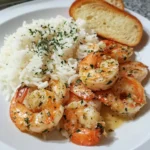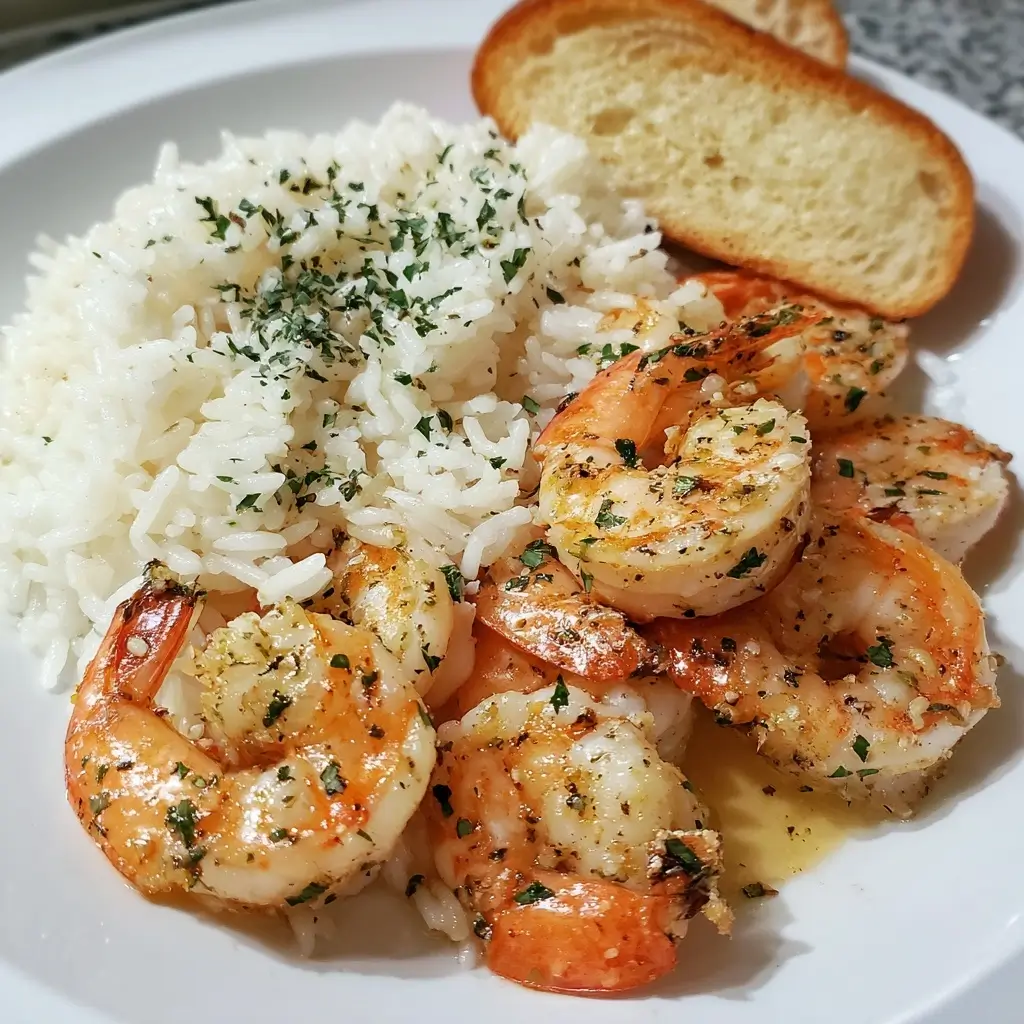
Garlic Butter Shrimp and Rice: A Flavorful One-Pan Delight
The History
The roots of Garlic Butter Shrimp and Rice trace back to the coastal regions of the Mediterranean and Southern Europe, where fresh seafood, aromatic garlic, and fragrant rice have long been staples of traditional cuisine. Dishes combining shrimp with butter and garlic gained popularity in French and Italian cooking, particularly in Provence and Liguria, where olive oil, herbs, and seafood create vibrant, rustic meals. Over time, American home cooks adopted and adapted these flavors, blending them with comfort food elements like white rice to create a more filling, family-friendly dish.
In the 20th century, the rise of quick weeknight meals brought this recipe into the spotlight. The one-pan method made it appealing for its simplicity and minimal cleanup, while the rich, savory flavor profile satisfied even picky eaters. Today, Garlic Butter Shrimp and Rice is celebrated not only for its delicious taste but also for its versatility—serving as a base for countless variations influenced by Cajun, Creole, Asian, and Latin cuisines. It has become a beloved staple on dinner tables across the United States and beyond, frequently featured in cookbooks, food blogs, and culinary magazines as a go-to recipe for both novice and experienced cooks.
Ingredients Breakdown
The magic of Garlic Butter Shrimp and Rice lies in its carefully balanced ingredients, each contributing depth, texture, and aroma to the final dish:
- Shrimp: Large or jumbo shrimp, peeled and deveined, are ideal for their meaty texture and quick cooking time. Fresh or high-quality frozen shrimp work well; just ensure they’re fully thawed before cooking.
- Butter: Unsalted butter forms the rich, creamy base. Using unsalted allows you to control the salt level, and combining it with olive oil prevents burning at higher temperatures.
- Garlic: Freshly minced garlic is essential—it provides the signature pungent aroma and deep flavor that defines the dish. Avoid pre-minced jarred garlic when possible for the best taste.
- Rice: Long-grain white rice such as jasmine or basmati works best, as it stays fluffy and separate. For a healthier option, brown rice can be substituted, though it requires longer cooking and more liquid.
- Chicken or Vegetable Broth: Adds savory depth compared to plain water. Low-sodium broth gives better control over seasoning.
- Lemon Juice: Brightens the dish and cuts through the richness of the butter. Freshly squeezed lemon juice is recommended for maximum freshness.
- Herbs: Parsley (flat-leaf) adds color and a mild peppery note. Optional additions include thyme, oregano, or basil for different flavor profiles.
- Spices: Paprika (smoked or sweet), red pepper flakes (for heat), salt, and black pepper enhance complexity without overpowering the shrimp.
- Optional Add-ins: Diced tomatoes, spinach, bell peppers, onions, or mushrooms can add nutrition and visual appeal.
Step-by-Step Recipe
- Prepare Ingredients: Peel and devein the shrimp, pat dry with paper towels. Mince garlic and parsley. Measure rice, broth, and spices.
- Sauté Aromatics: In a large skillet or Dutch oven, melt 3 tablespoons of butter with 1 tablespoon of olive oil over medium heat. Add 4–6 cloves of minced garlic and sauté for 30–60 seconds until fragrant but not browned.
- Brown the Rice: Stir in 1 cup of uncooked long-grain white rice and toast for 2–3 minutes, stirring constantly, until lightly golden. This step enhances nuttiness and prevents mushiness.
- Add Liquids and Seasonings: Pour in 2 cups of warm chicken or vegetable broth, 1 teaspoon of paprika, ½ teaspoon of salt, ¼ teaspoon of black pepper, and a pinch of red pepper flakes (optional). Stir well and bring to a gentle boil.
- Cook the Rice: Reduce heat to low, cover with a tight-fitting lid, and simmer for 15–18 minutes, or until the rice is tender and liquid is absorbed. Avoid lifting the lid during cooking to retain steam.
- Cook the Shrimp: While the rice simmers, prepare the shrimp. In a separate pan or directly on top of the rice (if space allows), add another tablespoon of butter. Once melted, arrange shrimp in a single layer and sear for 1–2 minutes per side until pink and opaque. Do not overcrowd to ensure proper browning.
- Combine and Finish: Gently fold the cooked shrimp into the rice. Stir in 1–2 tablespoons of fresh lemon juice and 2 tablespoons of chopped parsley. Adjust seasoning to taste.
- Rest and Serve: Let the dish sit covered for 5 minutes to allow flavors to meld. Fluff with a fork and serve hot with lemon wedges on the side.
Tips
- Don’t Overcook the Shrimp: Shrimp cook quickly—overcooking makes them rubbery. Remove them from heat as soon as they turn opaque with a slight C-curve.
- Toast the Rice: Toasting the rice before adding liquid enhances flavor and ensures a fluffier texture.
- Use Warm Broth: Cold broth can lower the temperature suddenly, leading to uneven cooking. Heat the broth separately before adding.
- One-Pan Option: For true one-pan convenience, after sautéing garlic and toasting rice, push the rice to one side, melt butter, and cook shrimp directly in the same pan before combining everything.
- Rest Before Serving: Allowing the dish to rest for 5 minutes helps absorb any residual moisture and improves texture.
- Butter Quality Matters: Use high-quality European-style butter for a richer, creamier flavor with higher fat content.
- Fresh Lemon Zest: Grate a bit of lemon zest into the dish before serving for an extra burst of citrus aroma.
Variations and Customizations
Garlic Butter Shrimp and Rice is incredibly adaptable to suit various tastes, dietary needs, and cultural influences:
- Cajun Style: Add Cajun seasoning, diced bell peppers, onions, and celery (the “holy trinity”) for a spicy, bold twist.
- Coconut Milk Version: Replace half the broth with coconut milk for a creamy, slightly sweet Thai-inspired variation. Garnish with cilantro and lime.
- With Tomatoes: Stir in halved cherry tomatoes or diced Roma tomatoes during the last few minutes of cooking for freshness and acidity.
- Vegetable-Packed: Add spinach, peas, zucchini, or asparagus for a nutritious boost. Spinach wilts perfectly when stirred in at the end.
- Dairy-Free: Substitute butter with vegan butter or additional olive oil, and use vegetable broth.
- Low-Carb/Keto: Replace rice with cauliflower rice. Sauté the riced cauliflower separately and mix in at the end to avoid sogginess.
- Seafood Medley: Combine shrimp with scallops, mussels, or white fish for a luxurious surf-and-turf effect.
- Asian Fusion: Use sesame oil instead of olive oil, add soy sauce, ginger, and green onions, and finish with a splash of rice vinegar.
- Cheesy Twist: Stir in grated Parmesan or mozzarella during the last minute for a melty, savory upgrade.
- Smoky Flavor: Add smoked paprika or a dash of liquid smoke for a deeper, grilled-like essence.
Health Considerations and Nutritional Value
Garlic Butter Shrimp and Rice can be part of a balanced diet when prepared thoughtfully. Here’s a breakdown of key nutritional aspects:
- Shrimp: Low in calories and high in protein, shrimp provide essential nutrients like selenium, vitamin B12, iodine, and omega-3 fatty acids, which support brain and heart health.
- Butter: High in saturated fat and calories. To reduce fat content, use a blend of olive oil and butter, or opt for grass-fed butter which contains more beneficial fats.
- Rice: White rice is a refined carbohydrate with a moderate glycemic index. For increased fiber and sustained energy, choose brown rice, wild rice, or forbidden black rice.
- Garlic: Known for its immune-boosting and anti-inflammatory properties, garlic contains allicin, which may help lower blood pressure and cholesterol.
- Lemon Juice: Rich in vitamin C and antioxidants, it aids digestion and enhances iron absorption from plant-based foods.
- Portion Control: A typical serving (1.5 cups) contains approximately 400–500 calories, depending on butter and shrimp quantity. Reducing butter to 2 tablespoons per batch can save 100+ calories.
- Sodium: Monitor salt content, especially if using store-bought broth. Opt for low-sodium versions and season at the end to avoid over-salting.
- Allergies: This dish contains shellfish and dairy (butter). Always inform guests of allergens and offer substitutions when needed.
To make it heart-healthier: increase vegetables, reduce butter, use whole grains, and limit added salt. Pairing with a side salad or steamed greens boosts fiber and nutrient density.
Ingredients
- 1 pound (450g) large shrimp, peeled and deveined
- 4 tablespoons unsalted butter, divided
- 1 tablespoon olive oil
- 6 cloves garlic, minced
- 1 cup long-grain white rice (e.g., jasmine or basmati)
- 2 cups low-sodium chicken or vegetable broth, warmed
- 1 tablespoon fresh lemon juice (plus more to taste)
- 2 tablespoons fresh parsley, finely chopped
- 1 teaspoon smoked or sweet paprika
- ½ teaspoon salt (adjust to taste)
- ¼ teaspoon black pepper
- Pinch of red pepper flakes (optional)
- Lemon wedges, for serving
Directions
- In a large oven-safe skillet or Dutch oven, heat olive oil and 2 tablespoons of butter over medium heat.
- Add minced garlic and sauté for 30–60 seconds until fragrant—do not let it brown.
- Stir in the rice and toast for 2–3 minutes, stirring frequently, until the rice becomes slightly translucent and aromatic.
- Pour in the warmed broth, then add paprika, salt, black pepper, and red pepper flakes. Stir well, increase heat to high, and bring to a boil.
- Reduce heat to low, cover with a tight-fitting lid, and simmer for 15–18 minutes, or until rice is tender and liquid is absorbed.
- While the rice cooks, pat shrimp dry and season lightly with salt and pepper.
- In a separate pan, melt 1 tablespoon of butter over medium-high heat. Add shrimp in a single layer and cook for 1–2 minutes per side until pink and opaque. Set aside.
- If desired, combine shrimp with the rice mixture once rice is done. Alternatively, place shrimp on top of rice during the last 3–4 minutes of cooking to finish in the steam.
- Once rice and shrimp are cooked, remove from heat. Stir in remaining 1 tablespoon of butter, lemon juice, and chopped parsley.
- Let stand covered for 5 minutes. Fluff with a fork, adjust seasoning, and serve immediately with lemon wedges.
FAQ
Can I use frozen shrimp?
Yes, but make sure to thaw them properly in the refrigerator overnight or under cold running water. Pat dry before cooking to prevent excess moisture.
Can I make this ahead of time?
It’s best served fresh, but you can prep ingredients in advance. Cooked leftovers keep well in the fridge for up to 3 days. Reheat gently on the stove with a splash of broth to revive moisture.
Why is my rice mushy?
Overcooking, too much liquid, or lifting the lid frequently can cause mushiness. Stick to the 1:2 rice-to-broth ratio and avoid peeking while simmering.
Can I cook everything in one pan?
Absolutely! After toasting the rice, push it to the side, melt butter, and cook the shrimp in the same pan. Cover and let everything finish together for 4–5 minutes.
Is this dish gluten-free?
Yes, as long as you use a certified gluten-free broth. Naturally, shrimp, rice, butter, garlic, and vegetables are all gluten-free.
How do I prevent butter from burning?
Always combine butter with a higher-smoke-point oil like olive or avocado oil. Keep heat at medium and monitor garlic closely.
Can I use margarine instead of butter?
You can, but real butter provides superior flavor and mouthfeel. Margarine may introduce off-flavors and contain trans fats.
What sides pair well with this dish?
Steamed asparagus, sautéed green beans, a crisp garden salad, garlic bread, or roasted vegetables complement the flavors beautifully.
Summary
Garlic Butter Shrimp and Rice is a rich, aromatic one-pan meal that combines succulent shrimp, fragrant garlic, and fluffy rice in a buttery, lemon-kissed sauce. Quick to prepare and endlessly customizable, it’s a weeknight favorite that brings restaurant-quality flavor to your kitchen.