Introduction
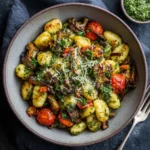
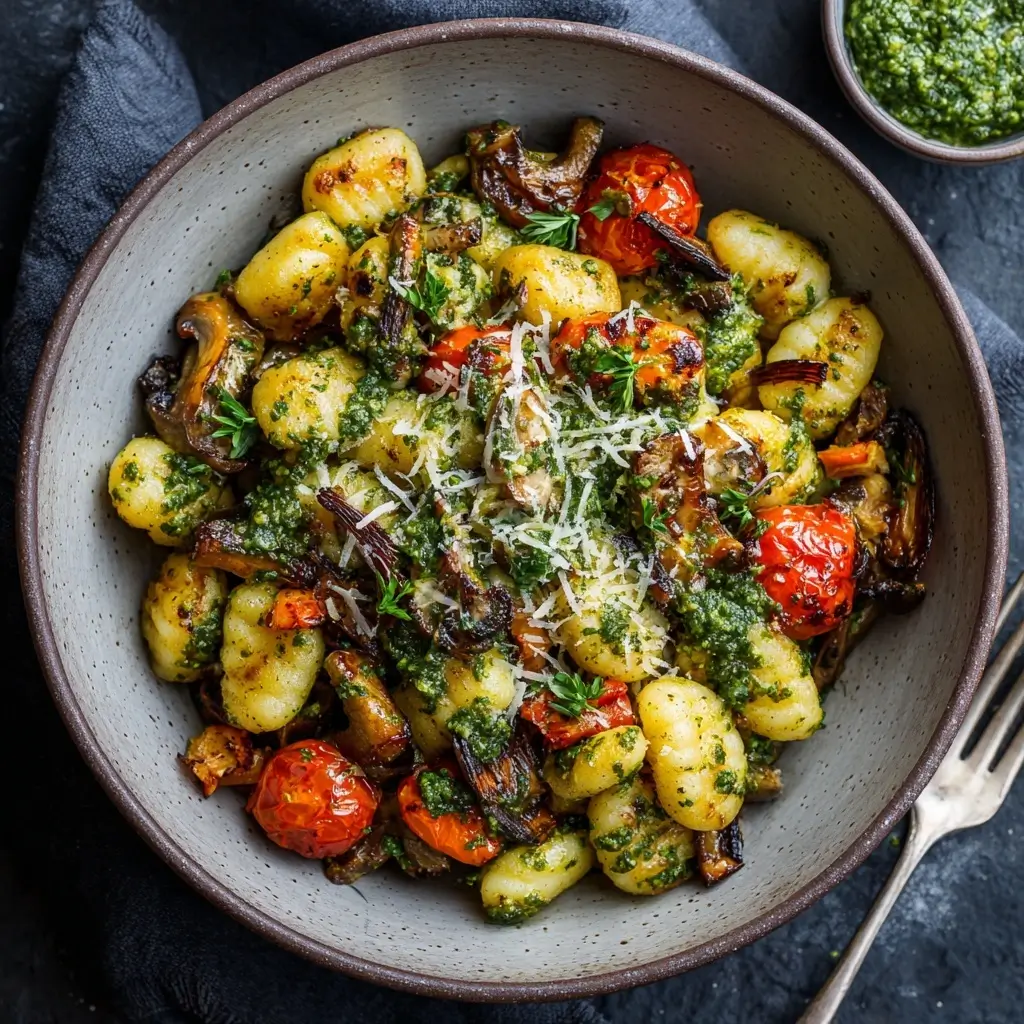
Roasted Vegetable Pesto Gnocchi is a vibrant, comforting dish that brings together the earthy richness of roasted vegetables, the creamy indulgence of pillowy gnocchi, and the bright, herbaceous punch of homemade pesto. This modern twist on a classic Italian-inspired meal offers a satisfying balance of textures and flavors, making it perfect for weeknight dinners or weekend gatherings with loved ones. Whether you’re a seasoned home cook or just beginning to explore the world of gourmet comfort food, this recipe delivers restaurant-quality results with accessible ingredients and straightforward techniques.
Combining the rustic charm of slow-roasted vegetables with the velvety softness of potato-based gnocchi and a luscious layer of fresh basil pesto, this dish celebrates seasonal produce while offering endless opportunities for customization. It’s vegetarian-friendly, easily adaptable to vegan diets, and rich in flavor without relying on heavy creams or excessive fats. Roasting the vegetables not only intensifies their natural sweetness but also deepens the overall complexity of the final dish, creating layers of savory depth that pair beautifully with the aromatic pesto.
This comprehensive guide will walk you through every step—from understanding the origins of its core components to mastering the roasting technique, crafting a vibrant pesto from scratch, and bringing everything together into a harmonious, visually stunning plate. You’ll learn about ingredient substitutions, health-conscious tweaks, storage tips, and even how to elevate the presentation for a dinner party-worthy meal. Prepare your taste buds for a journey through color, texture, aroma, and satisfaction—all in one bowl of Roasted Vegetable Pesto Gnocchi.
The History
To truly appreciate Roasted Vegetable Pesto Gnocchi, we must first explore the historical roots of its key components: gnocchi, pesto, and roasted vegetables—each with centuries of culinary evolution behind them. While the modern fusion may be relatively recent, the individual elements trace back to ancient Mediterranean traditions, particularly in Italy, where regional pride in handmade pasta and fresh produce has long shaped the cuisine.
Gnocchi, those tender dumplings typically made from potatoes, flour, and eggs, originated in Northern Italy, with records dating as far back as the 14th century. The word “gnocchi” likely derives from the Italian word *nocchio*, meaning “knot in wood,” or the Latin *nodus*, both referring to small lumps or knots—apt descriptions for these soft, doughy morsels. Originally made from breadcrumbs, semolina, or ricotta, potato gnocchi became popular after the introduction of the potato to Europe from the Americas in the 16th century. Over time, they evolved into a staple comfort food across regions like Lombardy, Piedmont, and Veneto, often served simply with butter and sage or tomato sauce.
Pesto, short for *pesto alla genovese*, hails from Genoa in the Liguria region of Italy. Its name comes from the Italian verb *pestare*, meaning “to pound” or “to crush”—a nod to the traditional method of preparing it using a mortar and pestle. Historical versions of green sauces date back to Roman times (think *moretum*, a mix of herbs, cheese, garlic, and vinegar), but the modern basil-centric pesto emerged in the 18th and 19th centuries. The classic combination of fresh basil, pine nuts, garlic, Parmesan cheese, olive oil, and salt was perfected over generations, becoming a symbol of Ligurian terroir and freshness.
As for roasting vegetables, this technique predates written history, used by countless cultures to caramelize and concentrate the natural sugars in root vegetables, squash, peppers, and tomatoes. In Italy, roasting was traditionally done in wood-fired ovens or over open flames, enhancing the depth of flavor in otherwise humble ingredients. With the rise of farm-to-table movements and an emphasis on seasonal eating in the late 20th century, roasted vegetable dishes gained renewed popularity, especially in vegetarian and plant-forward cooking.
The fusion of these three elements—gnocchi, pesto, and roasted vegetables—into a single dish is a product of contemporary culinary innovation. As global palates have become more adventurous and health-conscious, chefs and home cooks alike began experimenting with combining hearty carbohydrates, nutrient-dense vegetables, and bold sauces to create balanced, satisfying meals. Roasted Vegetable Pesto Gnocchi emerged as a favorite in modern Italian-American and Mediterranean-inspired menus, celebrated for its versatility, visual appeal, and ability to highlight peak-season produce. Today, it stands as a testament to how tradition and innovation can coexist deliciously on a plate.
Ingredients Breakdown
The beauty of Roasted Vegetable Pesto Gnocchi lies in its simplicity and synergy between high-quality ingredients. Each component plays a crucial role in building flavor, texture, and nutritional value. Here’s a detailed breakdown of what goes into this dish and why each ingredient matters:
For the Roasted Vegetables:
- Red Bell Peppers: Sweet, slightly smoky when roasted, and rich in vitamin C and antioxidants. They add color and juicy tenderness.
- Zucchini: Mild in flavor and softens beautifully when roasted, contributing moisture and a delicate texture.
- Eggplant: Absorbs flavors well and becomes creamy when roasted. High in fiber and phytonutrients like nasunin, which supports brain health.
- Cherry Tomatoes: Burst with acidity and sweetness when roasted, releasing juices that enhance the overall sauce base.
- Red Onion: Adds sharpness when raw but mellows into caramelized sweetness during roasting, providing depth and aroma.
- Olive Oil: Essential for roasting—helps conduct heat evenly, promotes browning, and carries flavor. Extra virgin olive oil adds fruity notes.
- Salt and Black Pepper: Enhance natural flavors and balance sweetness.
- Dried Herbs (Thyme, Oregano, Rosemary): Earthy, aromatic additions that complement the vegetables and infuse the oil during roasting.
For the Homemade Pesto:
- Fresh Basil Leaves: The heart of pesto—bright, peppery, and fragrant. Packed with antioxidants and anti-inflammatory compounds.
- Pine Nuts: Traditionally used for their buttery richness and subtle crunch. Can be toasted for deeper flavor. (Substitutes: walnuts, almonds, or sunflower seeds.)
- Garlic: Provides pungent heat and complexity. Raw garlic gives a zesty kick; roasted garlic creates a mellower profile.
- Parmesan Cheese (Parmigiano-Reggiano): Salty, umami-rich, and essential for depth. Use freshly grated for best texture and flavor.
- Olive Oil: Binds the pesto and emulsifies the mixture. Quality matters—opt for cold-pressed extra virgin olive oil.
- Lemon Juice (optional): A splash brightens the pesto and prevents oxidation (browning).
- Salt and Pepper: Adjusts seasoning and balances the herbal intensity.
For the Gnocchi:
- Potato Gnocchi (store-bought or homemade): Soft, cloud-like dumplings made primarily from mashed potatoes and flour. Look for refrigerated or frozen varieties if not making from scratch.
- Butter or Olive Oil (for sautéing): Used to gently crisp the cooked gnocchi, adding a golden crust and richer mouthfeel.
- Nutmeg (optional): A pinch enhances the warmth and complements the potato flavor.
Optional Additions and Garnishes:
- Fresh Mozzarella or Burrata: Melts into creamy pockets when added warm, elevating luxury.
- Pine Nuts (toasted): Sprinkled on top for crunch.
- Arugula or Baby Spinach: Tossed in at the end for freshness and added greens.
- Chili Flakes: For a spicy kick.
- Balsamic Glaze: Drizzled over the finished dish for tangy contrast.
- Extra Parmesan: For serving.
Step-by-Step Recipe
Now that you understand the components, let’s bring them together in a seamless, flavorful preparation. Follow these steps for a perfectly balanced Roasted Vegetable Pesto Gnocchi dish that impresses with minimal effort.
Step 1: Preheat & Prep the Vegetables
- Preheat your oven to 400°F (200°C). Line two large baking sheets with parchment paper or silicone mats to prevent sticking.
- Wash and dry all vegetables thoroughly.
- Cut 1 large red bell pepper into 1-inch strips, removing seeds and stem.
- Slice 1 medium zucchini and 1 small eggplant into half-moons about ½ inch thick.
- Halve 1 cup cherry tomatoes.
- Cut 1 small red onion into wedges, keeping the root intact to hold layers together.
Step 2: Season & Roast the Vegetables
- Transfer all chopped vegetables to a large mixing bowl.
- Add 3 tablespoons of extra virgin olive oil, 1 teaspoon sea salt, ½ teaspoon black pepper, 1 teaspoon dried thyme, ½ teaspoon dried oregano, and a pinch of red pepper flakes (optional).
- Toss well until evenly coated.
- Spread the vegetables in a single layer across the two baking sheets—do not overcrowd, or they’ll steam instead of roast.
- Roast for 25–30 minutes, flipping halfway through, until edges are caramelized and centers are tender when pierced with a fork.
- Remove from oven and set aside. If desired, reserve any accumulated juices—they’ll add flavor to the pesto or sauce.
Step 3: Make the Fresh Basil Pesto
- In a food processor, combine 2 cups packed fresh basil leaves (stems removed), ⅓ cup pine nuts (lightly toasted), 2 cloves garlic (peeled), and ½ teaspoon salt.
- Pulse until finely chopped.
- With the motor running, slowly drizzle in ½ cup extra virgin olive oil until smooth and emulsified.
- Add ½ cup freshly grated Parmesan cheese and pulse until combined.
- Taste and adjust seasoning—add more salt, pepper, or a squeeze of lemon juice (about 1 tsp) to brighten the flavor.
- Transfer to a bowl and cover the surface with plastic wrap to prevent browning. Set aside.
Step 4: Cook the Gnocchi
- Bring a large pot of salted water to a gentle boil (use about 1 tablespoon salt per quart of water).
- Add one 16-ounce package of gnocchi (potato or cauliflower variety) and stir gently to prevent clumping.
- Cook according to package instructions—usually 2–4 minutes—until they float to the surface.
- Drain carefully using a slotted spoon or colander, reserving ½ cup of the starchy cooking water.
Step 5: Sauté the Gnocchi (Optional but Recommended)
- In a large skillet, heat 1–2 tablespoons of olive oil or butter over medium-high heat.
- Add the drained gnocchi in a single layer and cook undisturbed for 2–3 minutes until golden brown on one side.
- Flip and cook another 2 minutes until crispy and tender inside.
- Optional: Add a pinch of nutmeg or rosemary for extra warmth.
Step 6: Combine Everything
- Reduce heat to low. Add the roasted vegetables to the skillet with the gnocchi.
- Stir in ⅓ to ½ cup of the prepared pesto, tossing gently to coat.
- If the mixture seems dry, add a splash (1–2 tablespoons at a time) of reserved gnocchi water to loosen and help the pesto cling to the ingredients.
- Continue heating for 1–2 minutes until warmed through.
Step 7: Final Touches & Serve
- Remove from heat. Taste and adjust seasoning—more salt, pepper, or pesto if needed.
- Optionally, fold in a handful of fresh arugula or spinach for a pop of color and freshness.
- Divide among warm bowls.
- Garnish with extra pesto, grated Parmesan, toasted pine nuts, chili flakes, or a drizzle of balsamic glaze.
- Serve immediately while hot and fragrant.
Tips
- Don’t skip the roasting pan spacing: Overcrowding leads to steaming rather than roasting, resulting in soggy vegetables. Use two trays if necessary.
- Toast your nuts: Lightly toasting pine nuts (or substitutes) in a dry pan enhances their flavor dramatically. Watch closely to avoid burning.
- Use starchy water: The reserved gnocchi water is gold—it helps bind the pesto and creates a silky, cohesive sauce.
- Make pesto ahead: Pesto can be made up to 3 days in advance. Press plastic wrap directly onto the surface to minimize oxidation. Freeze in ice cube trays for longer storage.
- Crispy gnocchi is key: Sautéing after boiling gives a delightful contrast—soft inside, crisp outside. Don’t stir too much once they hit the pan.
- Balance moisture: Eggplant releases water. If concerned, salt slices lightly and let sit for 10 minutes before patting dry—this draws out excess moisture.
- Season in layers: Season vegetables before roasting, pesto during blending, and the final dish before serving for maximum flavor development.
- Room temperature pesto: Cold pesto straight from the fridge can dull flavors. Let it come to room temp before mixing.
- Batch roast veggies: Roast extra vegetables—they keep well and can be used in salads, sandwiches, or grain bowls later in the week.
- Use quality Parmesan: Avoid pre-grated cheese with anti-caking agents. Freshly grate Parmigiano-Reggiano for superior melt and flavor.
Variations and Customizations
One of the greatest strengths of Roasted Vegetable Pesto Gnocchi is its adaptability. Whether you’re catering to dietary needs, seasonal availability, or personal taste, here are numerous ways to customize the dish:
Dietary Adaptations:
- Vegan Version: Use vegan Parmesan or nutritional yeast in the pesto (¼ cup), omit cheese entirely, or use a store-bought vegan alternative. Ensure gnocchi is egg-free (many brands are).
- Gluten-Free: Choose gluten-free gnocchi (often made from corn or rice flour). Check labels carefully, as some contain wheat.
- Dairy-Free: Skip Parmesan or replace with dairy-free cheese. Boost umami with miso paste (½ tsp in pesto) or capers.
Vegetable Variations:
- Summer Harvest: Try yellow squash, corn kernels, asparagus, or fennel.
- Autumn/Winter: Swap in cubed butternut squash, Brussels sprouts, carrots, or beets.
- Mediterranean Style: Add kalamata olives, artichoke hearts, or sun-dried tomatoes after roasting.
- Low-Carb Option: Replace gnocchi with roasted cauliflower florets or zucchini noodles (zoodles).
Pesto Twists:
- Arugula Pesto: Substitute half or all basil with peppery arugula for a spicier kick.
- Kale or Spinach Pesto: Blend in leafy greens to stretch the basil and boost nutrition.
- Herb Mix: Combine basil with parsley, cilantro, or mint for a fresh, complex profile.
- Nut Substitutes: Walnuts (earthy), almonds (mild), pistachios (luxurious), or sunflower seeds (budget-friendly).
- Seed-Based (Nut-Free): Use pumpkin seeds (pepitas) for a nut-free, allergen-safe pesto.
Protein Boosters:
- White Beans: Stir in cannellini or chickpeas for plant-based protein and fiber.
- Grilled Chicken or Shrimp: Top the finished dish for a heartier meal.
- Pan-Seared Tofu or Tempeh: Marinate and crisp for a vegan protein addition.
- Parmesan Crisps: Bake shredded Parmesan into lacy chips for garnish and crunch.
Flavor Elevators:
- Lemon Zest: Add to pesto or finish the dish for brightness.
- Capers or Anchovies: Blend into pesto for a salty, briny depth (great for non-vegetarians).
- Truffle Oil: A few drops drizzled at the end adds gourmet flair.
- Smoked Paprika or Sumac: Sprinkle on roasted veggies for Middle Eastern vibes.
Health Considerations and Nutritional Value
Roasted Vegetable Pesto Gnocchi is not only delicious but can also be part of a balanced, nutrient-rich diet when prepared thoughtfully. Here’s a breakdown of its health benefits and considerations:
Nutritional Highlights:
- Rich in Antioxidants: Basil, tomatoes, bell peppers, and eggplant are loaded with vitamins A and C, lycopene, and polyphenols that combat oxidative stress.
- Heart-Healthy Fats: Olive oil and pine nuts provide monounsaturated fats and omega-3s (especially if using walnuts), supporting cardiovascular health.
- Fiber-Packed: Vegetables and whole-grain or legume-based gnocchi options contribute dietary fiber, aiding digestion and satiety.
- Plant-Based Nutrition: Naturally vegetarian, this dish emphasizes whole foods, phytonutrients, and colorful produce.
- Calcium and Protein: Parmesan adds calcium and protein, though in moderation due to sodium content.
Calorie & Portion Awareness:
A typical serving (approx. 1.5 cups) contains around 400–500 calories, depending on oil, cheese, and portion size. To reduce calories:
- Use less oil when roasting (spray or measure).
- Limit cheese or use strongly flavored aged varieties so you need less.
- Boost volume with extra vegetables and reduce gnocchi portion.
- Opt for cauliflower gnocchi for fewer carbs and calories.
Sodium Management:
Parmesan and pre-made gnocchi can be high in sodium. To lower salt intake:
- Choose low-sodium gnocchi or make your own.
- Use less cheese or opt for lower-sodium alternatives.
- Rely on herbs, lemon, garlic, and spices for flavor instead of salt.
Allergen Notes:
- Nuts: Pine nuts are common allergens. Substitute with seeds for nut-free pesto.
- Dairy: Parmesan contains lactose and casein. Use vegan alternatives if sensitive.
- Gluten: Traditional gnocchi contains wheat flour. Select certified gluten-free versions if needed.
Digestive Tips:
Some people find gnocchi heavy or hard to digest. To ease this:
- Don’t overcook—al dente gnocchi digest more easily.
- Pair with a light salad or fermented vegetables to aid digestion.
- Consider smaller portions if sensitive to nightshades (eggplant, tomatoes).
Ingredients
Makes 4 servings
Roasted Vegetables:
- 1 large red bell pepper, sliced
- 1 medium zucchini, sliced
- 1 small eggplant, cubed
- 1 cup cherry tomatoes, halved
- 1 small red onion, cut into wedges
- 3 tbsp extra virgin olive oil
- 1 tsp sea salt
- ½ tsp black pepper
- 1 tsp dried thyme
- ½ tsp dried oregano
- Pinch of red pepper flakes (optional)
Homemade Basil Pesto:
- 2 cups fresh basil leaves, packed
- ⅓ cup pine nuts (or walnuts)
- 2 cloves garlic
- ½ cup grated Parmesan cheese
- ½ cup extra virgin olive oil
- ½ tsp salt
- 1 tsp lemon juice (optional)
Gnocchi & Assembly:
- 1 (16 oz) package potato gnocchi (refrigerated or frozen)
- 1–2 tbsp olive oil or butter (for sautéing)
- ½ cup reserved gnocchi water (as needed)
- Optional garnishes: extra Parmesan, toasted pine nuts, arugula, balsamic glaze
Directions
- Roast the Vegetables: Preheat oven to 400°F (200°C). Toss all vegetables with olive oil, salt, pepper, and herbs. Spread on two parchment-lined baking sheets. Roast 25–30 minutes, flipping halfway, until tender and caramelized. Set aside.
- Make the Pesto: In a food processor, blend basil, pine nuts, garlic, and salt. Slowly add olive oil while running. Add Parmesan and lemon juice. Pulse until smooth. Transfer to a bowl and cover surface with plastic wrap.
- Cook the Gnocchi: Bring salted water to a boil. Add gnocchi and cook 2–4 minutes until they float. Drain, reserving ½ cup cooking water.
- Sauté the Gnocchi: Heat oil or butter in a large skillet over medium-high. Add gnocchi and cook 2–3 minutes per side until golden and crisp.
- Combine: Add roasted vegetables to the skillet. Stir in ⅓–½ cup pesto. Add reserved water 1–2 tbsp at a time to create a glossy sauce. Warm through.
- Finish & Serve: Taste and adjust seasoning. Fold in greens if using. Divide into bowls. Garnish with extra pesto, cheese, nuts, or glaze. Serve immediately.
FAQ
Can I make this dish ahead of time?
Yes! Roast the vegetables and make the pesto up to 3 days in advance. Store separately in airtight containers in the fridge. Cook gnocchi fresh for best texture, then combine everything just before serving.
Can I freeze this dish?
It’s best enjoyed fresh, but you can freeze the pesto (in ice cube trays) and roasted vegetables (up to 2 months). Reheat gently. Gnocchi doesn’t freeze well after cooking—it can become mushy.
Why did my gnocchi fall apart?
Overworking the dough (if homemade) or boiling too vigorously can cause disintegration. For store-bought, ensure water is at a gentle simmer, not a rolling boil.
What can I use instead of pine nuts?
Walnuts, almonds, pecans, sunflower seeds, or pumpkin seeds all work well and are often more affordable.