Steakhouse Garlic Butter Salmon: A Gourmet Delight You Can Make at Home
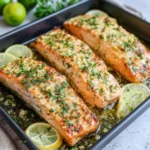
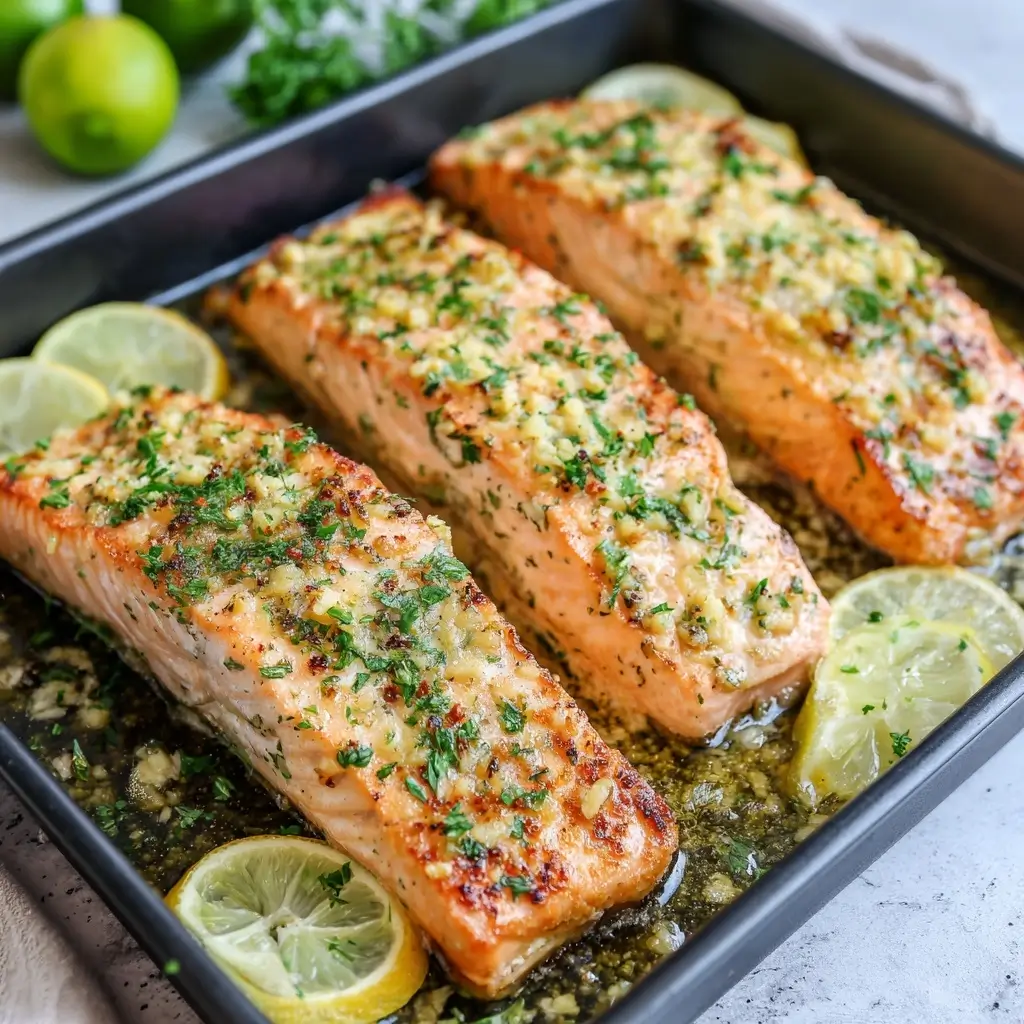
If you’ve ever dined at a high-end steakhouse and caught a whiff of that rich, buttery aroma wafting from the kitchen—chances are it was garlic butter salmon sizzling on the grill. This luxurious dish combines the delicate flakiness of fresh salmon with the bold, savory depth of garlic-infused butter, creating a restaurant-quality meal that’s surprisingly simple to recreate in your own kitchen. Steakhouse Garlic Butter Salmon captures the essence of fine dining with its golden sear, tender interior, and a sauce so divine you’ll want to sop it up with crusty bread. Whether you’re cooking for a special occasion or simply treating yourself to a midweek indulgence, this recipe promises elegance, flavor, and satisfaction in every bite.
The History of Garlic Butter Salmon in Steakhouses
Garlic butter salmon may seem like a modern culinary invention, but its roots trace back to classic French and Mediterranean techniques where butter and garlic were staples in enhancing the natural flavors of seafood. In the early 20th century, as American steakhouses began expanding their menus beyond red meat to include premium fish options, salmon emerged as a popular choice due to its rich fat content and ability to pair beautifully with bold sauces. Chefs started experimenting with compound butters—infusing unsalted butter with herbs, lemon, and copious amounts of roasted garlic—to elevate the taste profile of grilled salmon.
By the 1970s and 80s, garlic butter became synonymous with upscale dining, especially in urban steakhouses along the coasts where fresh seafood was abundant. The combination of high-heat searing and a final baste of bubbling garlic butter created a dish that looked as impressive as it tasted. Over time, this preparation method gained popularity not only for its decadent flavor but also for its visual appeal—the glistening sheen of butter over perfectly cooked salmon fillets became a hallmark of gourmet presentation. Today, Steakhouse Garlic Butter Salmon is celebrated both in restaurants and home kitchens, symbolizing a perfect marriage between simplicity and sophistication.
Ingredients Breakdown: Why Each Component Matters
The magic of Steakhouse Garlic Butter Salmon lies not just in technique, but in the quality and synergy of its ingredients. Every element plays a vital role in building layers of flavor, texture, and aroma. Let’s break them down:
- Salmon Fillets (skin-on, center-cut): Opt for wild-caught or sustainably farmed salmon with even thickness for consistent cooking. The skin helps protect the flesh during searing and crisps up beautifully when cooked properly.
- Unsalted Butter: Using unsalted butter gives you full control over the salt level. It melts smoothly into a rich base for the sauce without overpowering other flavors.
- Fresh Garlic: Freshly minced garlic delivers a pungent, aromatic kick that dried garlic can’t match. When sautéed gently in butter, it becomes sweet and mellow, adding depth to the sauce.
- Fresh Lemon Juice and Zest: Bright acidity cuts through the richness of the butter and enhances the salmon’s natural oils. The zest adds a citrusy perfume that elevates the entire dish.
- Fresh Herbs (parsley, thyme, or dill): These contribute freshness and herbal complexity. Parsley offers a clean finish, thyme brings earthiness, and dill complements salmon exceptionally well.
- Olive Oil: Used for initial searing, olive oil has a higher smoke point than butter alone, ensuring a perfect golden crust without burning.
- Kosher Salt and Freshly Ground Black Pepper: Essential seasonings that enhance all other flavors. Kosher salt adheres better and dissolves more evenly than table salt.
- Optional Additions: Shallots, white wine, capers, or red pepper flakes can be incorporated for additional complexity and heat.
Together, these ingredients form a harmonious balance—rich yet bright, savory yet fresh—making this dish a true standout on any dinner table.
Step-by-Step Recipe: How to Make Perfect Steakhouse Garlic Butter Salmon
Follow this detailed guide to achieve restaurant-worthy results every time. With attention to detail and proper timing, you’ll create a salmon fillet that’s crispy on the outside, buttery-soft within, and swimming in an irresistible garlic butter sauce.
- Prep the Salmon: Remove the salmon fillets from the refrigerator 15–20 minutes before cooking to bring them closer to room temperature. Pat them thoroughly dry with paper towels—this is crucial for achieving a good sear. Season both sides generously with kosher salt and freshly ground black pepper.
- Heat the Pan: Place a heavy-bottomed skillet (preferably cast iron or stainless steel) over medium-high heat. Add 1 tablespoon of olive oil and allow it to shimmer—just before smoking. A hot pan ensures a beautiful crust without sticking.
- Sear Skin-Side Down: Carefully place the salmon fillets skin-side down in the pan. Press lightly with a spatula for the first 10 seconds to ensure full contact. Cook undisturbed for 5–6 minutes, depending on thickness, until the skin is ultra-crispy and releases easily from the pan.
- Flip and Sear Flesh Side: Flip the fillets using a thin metal spatula. Cook for another 2–3 minutes on the flesh side. At this point, the internal temperature should reach around 120–125°F (for medium-rare). Remember, residual heat will continue cooking the fish after removal.
- Make the Garlic Butter Baste: Reduce the heat to low. Push the salmon to one side of the pan and add 4 tablespoons of unsalted butter. Once melted, stir in 4–5 cloves of minced garlic, 1 teaspoon of lemon zest, and 1 tablespoon of fresh lemon juice. Let the mixture bubble gently for about 30 seconds to infuse the flavors—do not let the garlic brown excessively.
- Baste the Salmon: Tilt the pan slightly and use a spoon to continuously scoop the hot garlic butter over the top of each fillet for 1–2 minutes. This step bathes the salmon in flavor and creates a glossy, restaurant-style finish.
- Add Fresh Herbs: Stir in 1–2 tablespoons of chopped fresh parsley (or dill/thyme), and optionally a splash of white wine or a pinch of red pepper flakes for brightness and subtle heat.
- Rest and Serve: Transfer the salmon to warmed plates, skin-side up to preserve crispiness. Spoon extra garlic butter sauce over the top. Garnish with additional herbs and lemon wedges. Serve immediately.
Pro Tips for Success
- Dry the Salmon Well: Moisture is the enemy of searing. Always pat the salmon dry before seasoning.
- Don’t Crowd the Pan: Cook in batches if necessary. Overcrowding lowers the pan temperature and causes steaming instead of searing.
- Use a Fish Spatula: Its thin, flexible edge slides easily under delicate fish without breaking it apart.
- Control Butter Temperature: Garlic burns quickly. Keep the heat low when making the baste to avoid bitterness.
- Check Doneness Visually: The salmon should flake slightly when nudged with a fork but remain translucent in the very center if aiming for medium-rare.
- Let It Rest: Allow the salmon to rest for 2–3 minutes before serving to redistribute juices.
Variations and Customizations
One of the best things about Steakhouse Garlic Butter Salmon is how adaptable it is. Here are some creative twists to keep the dish exciting:
- Lemon-Dill Butter Version: Swap parsley for fresh dill and add a bit more lemon zest for a Scandinavian-inspired twist.
- Spicy Garlic Butter: Add ½ teaspoon of crushed red pepper flakes or a dash of sriracha to the butter for a fiery kick.
- Herb-Crusted Salmon: Before searing, coat the top of the fillet with a mix of breadcrumbs, Parmesan, and chopped herbs for added crunch.
- White Wine Reduction: After removing the salmon, deglaze the pan with ¼ cup of dry white wine, simmer until reduced by half, then whisk in the butter and garlic for a more complex sauce.
- Maple-Garlic Butter: For a sweet-savory profile, add 1 tablespoon of pure maple syrup to the butter mixture—perfect for fall dinners.
- Grilled Option: Instead of pan-searing, grill the salmon over medium-high heat and baste with warm garlic butter during the last few minutes.
- Dairy-Free Alternative: Use high-quality vegan butter or ghee for those avoiding dairy, though traditional unsalted butter yields the richest flavor.
Health Considerations and Nutritional Value
While Steakhouse Garlic Butter Salmon is undeniably rich, it can still be part of a balanced, nutritious diet when enjoyed mindfully. Let’s explore its health benefits and ways to make lighter versions:
Nutritional Highlights:
- Omega-3 Fatty Acids: Salmon is one of the best sources of EPA and DHA, essential fats known to support heart, brain, and eye health.
- High-Quality Protein: A 6-ounce fillet provides about 34 grams of protein, aiding muscle repair and satiety.
- Vitamins and Minerals: Rich in vitamin D, selenium, B12, and potassium—nutrients critical for immune function, energy metabolism, and blood pressure regulation.
- Antioxidant-Rich Herbs: Fresh parsley and garlic contain antioxidants that combat inflammation and support overall wellness.
Calorie and Fat Content:
A typical serving (6 oz salmon + 3 tbsp garlic butter) contains approximately 550–650 calories, with 40–50g of fat—mostly healthy unsaturated fats from salmon and moderate saturated fat from butter. To reduce calories:
- Use 1–2 tablespoons of butter instead of 4.
- Replace half the butter with chicken or vegetable broth for basting.
- Serve with nutrient-dense sides like roasted Brussels sprouts, quinoa, or a mixed green salad to increase fiber and volume without excess calories.
Dietary Notes:
– Gluten-free (if no breadcrumbs are used)
– Keto-friendly due to high fat and low carbohydrate content
– Pescatarian-approved
– Not suitable for dairy-free diets unless modified
Full Ingredient List
- 4 skin-on salmon fillets (about 6 ounces each, 1–1.5 inches thick)
- 1 tablespoon extra-virgin olive oil
- Kosher salt (to taste)
- Freshly ground black pepper (to taste)
- 4 tablespoons unsalted butter (high-quality preferred)
- 4–5 cloves fresh garlic, finely minced
- 1 tablespoon fresh lemon juice
- 1 teaspoon lemon zest
- 2 tablespoons fresh parsley, finely chopped (or substitute dill or thyme)
- Lemon wedges, for garnish
- (Optional) ¼ cup dry white wine (e.g., Sauvignon Blanc or Pinot Grigio)
- (Optional) ½ teaspoon red pepper flakes
Detailed Directions
- Take the salmon out of the fridge and let it sit at room temperature for 15–20 minutes. Pat each fillet completely dry with paper towels. Season both sides liberally with kosher salt and freshly cracked black pepper.
- Heat a large skillet—cast iron works best—over medium-high heat. Add the olive oil and swirl to coat the pan. Heat until the oil shimmers and moves fluidly across the surface.
- Place the salmon fillets skin-side down in the pan. Use a spatula to gently press each fillet flat for the first 10 seconds to prevent curling. Do not move them for the next 5–6 minutes to allow the skin to crisp up.
- After the skin is golden brown and releases easily from the pan, flip the fillets using a thin spatula. Cook on the flesh side for 2–3 minutes, or until the salmon is just shy of your desired doneness. For medium-rare, aim for an internal temperature of 120–125°F.
- Reduce the heat to low. Move the salmon to one side of the pan (or remove temporarily to a plate if needed). Add the butter to the pan and let it melt slowly.
- Stir in the minced garlic, lemon zest, and lemon juice. Simmer gently for 30–45 seconds, stirring constantly. If using white wine, pour it in now and let it bubble for 1 minute to reduce slightly.
- Return the salmon to the pan if removed, or keep in place. Begin basting: tilt the pan and use a large spoon to continuously drizzle the hot garlic butter over the top of each fillet for 1–2 minutes. This infuses the salmon with flavor and gives it a glossy finish.
- Remove from heat. Stir in the chopped parsley (and optional red pepper flakes). Taste the sauce and adjust seasoning with a pinch more salt or squeeze of lemon if needed.
- Transfer each fillet to a serving plate, ideally with the crispy skin facing up. Spoon extra garlic butter sauce over the top. Garnish with additional parsley and a lemon wedge.
- Serve immediately with your favorite side dishes such as mashed potatoes, roasted asparagus, wild rice, or a fresh arugula salad.
Frequently Asked Questions (FAQ)
Q: Can I use frozen salmon?
A: Yes, but thaw it completely in the refrigerator overnight for best results. Never cook frozen salmon directly—it won’t sear properly and may become mushy.
Q: How do I know when salmon is done cooking?
A: Look for opaque flesh that flakes easily with a fork but remains moist. Internal temperature should be 120°F for rare, 125°F for medium-rare, 130°F for medium. Avoid cooking beyond 140°F, as it will dry out.
Q: Can I make this recipe ahead of time?
A: While best served fresh, you can prep ingredients in advance. Mince garlic, chop herbs, and measure butter ahead of time. Reheat gently if needed, but note that the skin may lose crispness.
Q: What sides go well with garlic butter salmon?
A: Excellent pairings include garlic mashed potatoes, sautéed spinach, risotto, grilled vegetables, quinoa pilaf, or a crisp Caesar salad.
Q: Can I bake this instead of pan-searing?
A: Yes! Roast at 400°F for 12–15 minutes, then broil for 2–3 minutes. Brush with garlic butter halfway through and again at the end for maximum flavor.
Q: Is the skin edible?
A: Absolutely! When properly cooked, the skin becomes crispy and delicious, adding texture and helping retain moisture in the flesh.
Q: Can I double the garlic butter sauce?
A: Definitely—many people love extra sauce for dipping bread or drizzling over sides. Just scale the butter, garlic, and lemon proportionally.
Summary
Steakhouse Garlic Butter Salmon is a luxurious, flavorful dish that brings the elegance of fine dining straight to your kitchen. With a crispy sear, tender flaky interior, and a rich, aromatic garlic butter sauce, it’s a show-stopping meal that’s easier to make than you think.