Creamy Avocado Pasta: A Fresh, Luxurious Twist on a Classic Comfort Dish
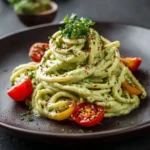
If you’re searching for a dish that blends the rich comfort of pasta with the vibrant freshness of healthy ingredients, look no further than Creamy Avocado Pasta. This modern culinary delight brings together the luscious texture of ripe avocados with al dente noodles, creating a sauce that’s both velvety smooth and packed with nutrients. Unlike traditional cream-based pastas that rely on heavy dairy, this recipe harnesses the natural creaminess of avocado to deliver a lighter yet deeply satisfying experience. Whether you’re a busy professional looking for a quick weeknight dinner, a health-conscious foodie exploring plant-based meals, or someone simply craving something deliciously green, Creamy Avocado Pasta is a must-try. It’s not just a meal—it’s a celebration of flavor, color, and wellness all tangled beautifully on your fork.
The History of Creamy Avocado Pasta
While pasta has been a staple in Mediterranean cuisine for centuries—dating back to ancient Etruscan and Roman times—and avocado has deep roots in Mesoamerican agriculture, the fusion of the two is a relatively recent innovation. The concept of using avocado as a creamy base for sauces emerged prominently in the late 20th century, gaining momentum during the 1990s and early 2000s with the rise of health-conscious eating and the popularity of California-style cuisine. Chefs and home cooks alike began experimenting with avocado as a substitute for butter, mayonnaise, and heavy cream, drawn to its smooth texture and heart-healthy fats.
The specific dish known today as Creamy Avocado Pasta likely originated from the intersection of Italian-inspired cooking and modern American food trends. As plant-based diets gained traction and avocado toast became a global phenomenon around 2015, it was only a matter of time before avocados found their way into pasta dishes. Influenced by recipes like pesto (which traditionally uses basil, garlic, pine nuts, Parmesan, and olive oil), creative cooks started blending avocado with similar ingredients to create a dairy-free, vibrant green sauce that clings beautifully to pasta.
This dish also reflects broader shifts in culinary culture: an emphasis on fresh, whole ingredients; a desire for quick, accessible meals; and growing awareness of sustainability and nutrition. Today, Creamy Avocado Pasta appears on restaurant menus from Brooklyn to Barcelona and is a favorite among vegan, vegetarian, and gluten-free communities. Its evolution continues as chefs experiment with herbs, spices, and alternative pastas, making it a dynamic and ever-adaptable classic in contemporary cuisine.
Ingredients Breakdown: What Makes This Dish Shine
The magic of Creamy Avocado Pasta lies in its simplicity and the synergy between high-quality ingredients. Each component plays a vital role in building flavor, texture, and nutritional value. Let’s break down what goes into this vibrant dish:
- Ripe Avocados: The star of the show. Ripe avocados provide a luxuriously creamy texture and a subtle, nutty flavor. They are rich in monounsaturated fats, fiber, potassium, and antioxidants like lutein, which support heart and eye health.
- Fresh Basil: Adds a bright, aromatic lift. Basil contains essential oils with anti-inflammatory properties and pairs perfectly with avocado, echoing the herbal notes found in traditional pesto.
- Garlic: Offers a pungent depth that enhances the overall savoriness of the sauce. Raw garlic also boasts immune-boosting compounds like allicin.
- Lemon Juice: Crucial for balancing richness with acidity. Lemon juice not only prevents the avocado from browning too quickly but also boosts vitamin C content and aids in iron absorption from greens.
- Extra Virgin Olive Oil: Acts as a smooth binder and enriches the sauce with polyphenols and healthy fats. It contributes to the silky mouthfeel without overpowering the delicate avocado flavor.
- Grated Parmesan Cheese (or Nutritional Yeast for Vegan Option): Adds umami and a salty tang. Parmesan deepens the savory profile, while nutritional yeast provides a cheesy flavor with B-vitamins, ideal for plant-based versions.
- Salt and Black Pepper: Essential seasonings that elevate all other flavors, ensuring the sauce is well-rounded and appetizing.
- Pasta of Choice: Traditionally, spaghetti or linguine works best due to their ability to hold onto the creamy sauce. However, fusilli, penne, or even gluten-free alternatives like chickpea or brown rice pasta can be used depending on dietary needs.
- Optional Add-ins: Cherry tomatoes, baby spinach, arugula, roasted vegetables, grilled chicken, shrimp, or sun-dried tomatoes can enhance both visual appeal and nutritional complexity.
Every ingredient serves a purpose—whether it’s enhancing flavor, improving texture, or boosting health benefits—making this dish a harmonious blend of taste and nourishment.
Step-by-Step Recipe: How to Make Creamy Avocado Pasta at Home
Preparing Creamy Avocado Pasta is surprisingly simple and requires minimal cookware. With just a few steps, you can have a restaurant-quality meal ready in under 30 minutes. Follow this detailed guide for perfect results every time.
- Boil the Pasta: Bring a large pot of salted water to a rolling boil. Use about 1 tablespoon of salt per 4 quarts of water to properly season the pasta. Add 8–12 ounces (225–340g) of your preferred pasta—spaghetti, fettuccine, or rotini work well. Cook according to package instructions until al dente (firm to the bite). Reserve ½ cup of pasta water before draining. This starchy liquid will help emulsify and thin the sauce later.
- Prepare the Avocado Sauce: While the pasta cooks, cut 2 ripe avocados in half, remove the pits, and scoop the flesh into a food processor or high-speed blender. Add 1–2 cloves of peeled garlic, juice of 1 medium lemon (about 3 tablespoons), ¼ cup (10g) fresh basil leaves, ¼ cup (25g) grated Parmesan cheese (or 3 tablespoons nutritional yeast), 3 tablespoons extra virgin olive oil, ½ teaspoon sea salt, and freshly ground black pepper to taste.
- Blend Until Smooth: Pulse the mixture several times, then blend continuously until completely smooth and creamy. Stop and scrape down the sides as needed. If the sauce is too thick, add 1–2 tablespoons of reserved pasta water or cold water to achieve a pourable consistency. Taste and adjust seasoning—add more lemon for brightness, salt for depth, or cheese for richness.
- Combine Pasta and Sauce: Transfer the drained pasta to a large mixing bowl. Pour the avocado sauce over the hot noodles. Using tongs or a large spoon, gently toss everything together. Add reserved pasta water gradually—one tablespoon at a time—until the sauce coats each strand evenly and clings smoothly without being gloopy.
- Incorporate Optional Ingredients: If adding extras like halved cherry tomatoes, sautéed mushrooms, wilted spinach, or grilled protein, fold them in now while tossing. The residual heat from the pasta will gently warm vegetables without overcooking them.
- Serve Immediately: Divide the pasta among serving plates or bowls. Garnish with additional toppings such as microgreens, red pepper flakes, extra Parmesan, chopped nuts (like pine nuts or walnuts), or a drizzle of olive oil for added elegance.
Note: For best texture and color, serve immediately. Avocado oxidizes when exposed to air, so delays in serving may cause slight browning—though still safe and tasty.
Tips for Perfect Creamy Avocado Pasta Every Time
To ensure your Creamy Avocado Pasta turns out flawlessly, consider these expert tips:
- Use Ripe—but Not Overripe—Avocados: Look for avocados that yield slightly to gentle pressure near the stem. Overly soft or stringy avocados can make the sauce watery or unpleasantly textured.
- Add Lemon Juice Early: The citric acid helps preserve the vibrant green hue and adds necessary acidity to balance the fat from the avocado and olive oil.
- Reserve Pasta Water: Don’t skip this step! The starchy water is key to achieving a silky, cohesive sauce that doesn’t separate or become gluey.
- Don’t Overheat the Sauce: Avoid cooking the avocado sauce directly over heat, as high temperatures can cause it to separate or turn bitter. Always mix it with warm (not boiling) pasta off the stove.
- Adjust Consistency Gradually: Start with less pasta water and add more only if needed. You can always thin the sauce, but you can’t thicken it once it’s too runny.
- Boost Flavor with Umami: Enhance depth by adding a splash of white miso paste, capers, or a small amount of anchovy (if not vegetarian) to the sauce.
- Prep Ahead When Possible: You can pre-cook the pasta and chill it briefly, but prepare the avocado sauce right before serving to maintain freshness and color.
- Double the Batch?: If making extra, store leftovers in an airtight container with plastic wrap pressed directly onto the surface of the sauce to minimize oxidation. Consume within 12 hours for optimal quality.
Variations and Customizations: Make It Your Own
One of the greatest strengths of Creamy Avocado Pasta is its adaptability. Here are some inspired variations to suit different tastes, dietary preferences, and seasonal ingredients:
- Vegan Avocado Pasta: Replace Parmesan cheese with 3 tablespoons of nutritional yeast and use a plant-based pasta. Ensure your pasta doesn’t contain egg if strictly vegan.
- Gluten-Free Version: Use certified gluten-free pasta made from brown rice, quinoa, lentils, or chickpeas. Chickpea pasta adds extra protein and holds up well to creamy sauces.
- Protein-Packed Upgrade: Toss in grilled chicken strips, shrimp, salmon, tofu, tempeh, or white beans for a more filling meal suitable for lunch or dinner.
- Herb Variations: Swap basil for cilantro, parsley, or arugula to change the flavor profile. Cilantro gives it a Mexican twist; arugula adds peppery notes.
- Spicy Kick: Add ½ teaspoon crushed red pepper flakes, a dash of sriracha, or a finely minced jalapeño to the sauce for heat lovers.
- Roasted Vegetable Medley: Mix in roasted cherry tomatoes, zucchini, bell peppers, or eggplant for added sweetness, texture, and fiber.
- Lime Instead of Lemon: For a tropical flair, substitute lime juice for lemon. Lime pairs especially well with cilantro and corn.
- Nutty Texture: Stir in toasted pine nuts, slivered almonds, or crushed walnuts for crunch and enhanced richness.
- Avocado Pesto Fusion: Blend in a spoonful of store-bought or homemade basil pesto for an even more complex herbal aroma.
- Cold Avocado Pasta Salad: Chill the dressed pasta and serve as a refreshing summer salad with diced cucumber, olives, and feta cheese.
No matter how you customize it, the core essence—creamy, green, fresh—remains intact, making this dish endlessly versatile.
Health Considerations and Nutritional Value
Creamy Avocado Pasta isn’t just delicious—it’s a nutritionally balanced meal when prepared thoughtfully. Let’s explore its health aspects and approximate nutritional breakdown per serving (based on 1/4 of a recipe using whole wheat spaghetti, 2 avocados, olive oil, lemon, garlic, Parmesan, and basil):
- Calories: ~450–550 kcal (varies based on pasta type, oil, and add-ins)
- Healthy Fats: Avocados and olive oil provide predominantly monounsaturated fats, which support cardiovascular health by reducing LDL (“bad”) cholesterol levels.
- Dietary Fiber: Approximately 10–15g per serving, thanks to avocados and whole grain or legume-based pasta. Fiber promotes digestive health and helps regulate blood sugar.
- Protein: Around 12–18g per serving, depending on pasta choice and additions. Legume-based pastas (like chickpea or lentil) offer significantly more protein than regular semolina.
- Vitamins & Minerals: Rich in Vitamin K, folate, vitamin E, potassium (more than a banana!), and vitamin C. These nutrients support bone health, cell function, skin integrity, and immune response.
- Antioxidants: Lutein and zeaxanthin from avocado contribute to eye health, while polyphenols in olive oil and garlic have anti-inflammatory and antioxidant effects.
- Low in Added Sugar: Naturally free from refined sugars, especially when no processed ingredients are used.
- Sodium Content: Can be controlled by reducing added salt and choosing low-sodium cheese or nutritional yeast.
Considerations:
- Oxidation: Avocado turns brown due to exposure to oxygen. While harmless, it affects appearance. Adding ample lemon/lime juice slows this process.
- Portion Control: Due to calorie density from healthy fats, mindful portions are recommended for those managing weight.
- Allergens: Contains tree nuts (if using nuts), dairy (if using Parmesan), and potential gluten (unless GF pasta is used).
- Not Ideal for Long Storage: Best consumed fresh. Refrigeration darkens the sauce and may alter texture.
Overall, this dish aligns well with Mediterranean, plant-forward, and clean-eating lifestyles. It satisfies cravings without relying on artificial ingredients or excessive saturated fat.
Ingredients
- 8 oz (225g) pasta (spaghetti, linguine, or your choice)
- 2 ripe Hass avocados
- 1 clove garlic, peeled
- Juice of 1 medium lemon (about 3 tbsp)
- ¼ cup fresh basil leaves, tightly packed
- ¼ cup (25g) grated Parmesan cheese (or 3 tbsp nutritional yeast for vegan option)
- 3 tbsp extra virgin olive oil
- ½ tsp sea salt (or to taste)
- Freshly ground black pepper, to taste
- ½ cup reserved pasta cooking water (plus more as needed)
- Optional: cherry tomatoes, baby spinach, grilled chicken, pine nuts, red pepper flakes
Directions
- Bring a large pot of salted water to a boil. Add pasta and cook until al dente according to package directions. Before draining, reserve ½ cup of pasta water. Drain pasta and set aside.
- Cut avocados in half, remove pits, and scoop flesh into a food processor or blender.
- Add garlic, lemon juice, basil, Parmesan (or nutritional yeast), olive oil, salt, and pepper.
- Blend until completely smooth, scraping down sides as needed. Add 2–3 tablespoons of reserved pasta water to loosen the sauce if necessary.
- In a large bowl, combine hot drained pasta and avocado sauce. Toss thoroughly, adding more pasta water one tablespoon at a time until sauce coats the noodles evenly.
- If using optional ingredients (e.g., tomatoes, spinach, protein), gently fold them in now.
- Divide into bowls and garnish with extra cheese, herbs, cracked pepper, or nuts.
- Serve immediately for the best flavor, texture, and vibrant green color.
FAQ
Can I make Creamy Avocado Pasta ahead of time?
It’s best served fresh, but you can prep components separately. Cook and cool the pasta (toss with a bit of oil to prevent sticking), and store avocado sauce in an airtight container with plastic wrap touching the surface. Combine just before serving.
Why did my sauce turn brown?
Avocados oxidize when exposed to air. To slow this, use plenty of lemon or lime juice and minimize air contact. Adding vitamin C powder (ascorbic acid) is another trick used commercially.
Can I freeze avocado pasta sauce?
Freezing is not recommended. Avocado separates and becomes grainy upon thawing, compromising texture and appearance.
What pasta works best?
Long strands like spaghetti or linguine hold the sauce well, but short shapes like fusilli or penne trap it nicely in their crevices. For healthier options, try chickpea, lentil, or brown rice pasta.
Is this dish suitable for vegans?
Yes! Simply omit Parmesan or replace it with nutritional yeast, and confirm your pasta is egg-free.
How do I store leftovers?
Store in an airtight container in the refrigerator for up to 12 hours. Expect some browning and slight texture changes. Reheat gently with a splash of water or lemon juice to refresh.
Can I add meat or seafood?
Absolutely. Grilled chicken, shrimp, salmon, or turkey all pair wonderfully. Sauté or grill separately and toss in at the end.
My sauce is too thick—how do I fix it?
Gradually stir in reserved pasta water, one tablespoon at a time, until desired consistency is reached. Warm water integrates better than cold.
Summary
Creamy Avocado Pasta is a modern, nutritious twist on classic comfort food, combining the rich texture of ripe avocados with al dente noodles and fresh herbs for a vibrant, satisfying meal. Quick to make, endlessly customizable, and packed with healthy fats and fiber, it’s a brilliant choice for anyone seeking a delicious, wholesome dish in under 30 minutes.