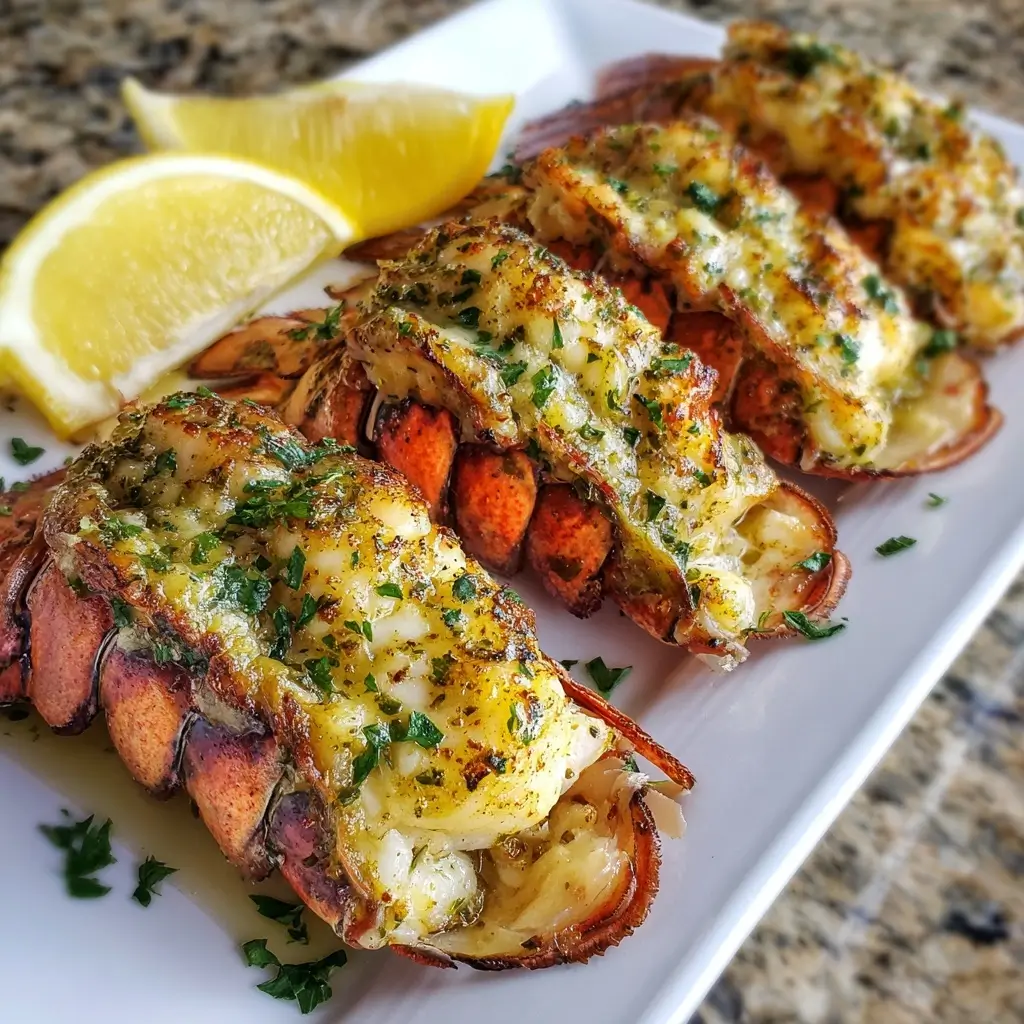
Garlic Butter Lobster Tails: A Luxurious Seafood Delight
There’s something undeniably elegant about serving lobster tails at a special dinner. Among the many ways to prepare this exquisite shellfish, Garlic Butter Lobster Tails stand out as a timeless classic—rich, aromatic, and bursting with flavor. Whether you’re planning a romantic dinner for two or impressing guests at a celebratory feast, this dish delivers restaurant-quality results in the comfort of your own kitchen. The succulent meat of the lobster, bathed in a golden pool of garlic-infused butter, creates an indulgent experience that’s both satisfying and unforgettable.
The History of Lobster Tails in Cuisine
Lobster has long been considered a delicacy across various cultures, but its journey from humble beginnings to gourmet status is fascinating. In colonial America, lobster was so abundant it was often fed to prisoners and servants, who considered it a sign of low status. However, by the mid-19th century, improvements in transportation and canning allowed lobster to be shipped inland, where demand soared among the wealthy. By the 20th century, lobster had cemented its place as a luxury food item.
Lobster tails, prized for their tender, sweet meat, became especially popular due to their ease of preparation compared to whole lobsters. While boiling and steaming were traditional methods, culinary evolution introduced broiling, grilling, and baking—with butter-based preparations leading the charge. Garlic butter, a staple in French and Mediterranean cooking, found its perfect partner in lobster. The combination emerged prominently in American seafood restaurants during the mid-1900s and remains a signature offering on fine dining menus today.
Ingredients Breakdown: What Makes This Dish Shine?
The magic of Garlic Butter Lobster Tails lies in the harmony of simple yet premium ingredients. Each component plays a vital role in building layers of flavor and texture:
- Lobster Tails: Fresh or high-quality frozen lobster tails (Norwegian, Maine, or South African) provide the star ingredient. Their firm, white flesh turns buttery and tender when cooked properly.
- Unsalted Butter: Using unsalted butter gives you control over the salt content and allows the natural sweetness of the lobster to shine. It also serves as the base for the sauce.
- Fresh Garlic: Minced fresh garlic infuses the butter with pungent aroma and depth. Cooking it gently prevents bitterness while enhancing richness.
- Fresh Lemon Juice: Adds brightness and cuts through the richness of the butter, balancing the overall flavor profile.
- Parsley: Flat-leaf parsley contributes freshness and a pop of color. It’s added at the end to preserve its vibrancy.
- Sea Salt and Black Pepper: Essential seasonings that enhance the natural flavors without overpowering them.
- Optional Enhancements: Paprika for subtle warmth, cayenne for heat, Worcestershire sauce for umami, or a splash of white wine for complexity.
The beauty of this recipe is its simplicity—few ingredients, each chosen deliberately to elevate the lobster rather than mask it.
Step-by-Step Recipe: How to Make Perfect Garlic Butter Lobster Tails
Follow these detailed steps to achieve flawlessly cooked lobster tails every time. This method uses broiling for a slightly caramelized top and juicy interior, though baking and grilling variations are included later.
- Thaw the Lobster Tails (if frozen): Place frozen lobster tails in the refrigerator for 24 hours before cooking. For quicker thawing, seal them in a plastic bag and submerge in cold water for 30–60 minutes.
- Preheat the Oven: Set your oven to 375°F (190°C) if baking, or switch to broil mode for a crispier finish. Position the rack about 6 inches below the heating element.
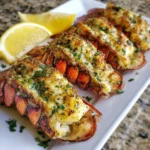
- Prepare the Lobster Tails: Use kitchen shears to cut through the top of the hard shell along the center, stopping just before the tail fin. Gently pry open the shell and lift the meat upward, resting it on top of the split shell. This “butterflying” technique exposes more surface area for basting and presentation.
- Make the Garlic Butter Sauce: In a small saucepan over medium-low heat, melt ½ cup (1 stick) of unsalted butter. Add 4–5 cloves of minced garlic and sauté for 1–2 minutes until fragrant but not browned. Stir in 1 tablespoon of freshly squeezed lemon juice, 1 teaspoon of chopped parsley, and a pinch each of salt, pepper, and optional paprika. Remove from heat.
- Season the Lobster: Brush the exposed lobster meat generously with the garlic butter mixture. Let it marinate for 5–10 minutes while the oven finishes preheating.
- Cook the Lobster Tails: Place the prepared tails on a baking sheet or in an oven-safe dish. Broil for 8–12 minutes (depending on size), basting once halfway through with remaining butter. The lobster is done when the internal temperature reaches 140°F (60°C) and the meat is opaque and milky white.
- Finish and Serve: Remove from oven and immediately drizzle with any leftover warm garlic butter. Sprinkle with additional chopped parsley and a squeeze of fresh lemon juice. Serve hot.
Tips for Success: Mastering the Art of Garlic Butter Lobster
To ensure your Garlic Butter Lobster Tails turn out perfectly every time, consider these expert tips:
- Choose the Right Size: Opt for 6–8 oz lobster tails for ideal portioning and even cooking. Larger tails may require longer cook times and risk drying out.
- Don’t Overcook: Lobster becomes tough and rubbery when overcooked. Watch closely during the final minutes of broiling.
- Butter Temperature Matters: Never use raw garlic in cold butter; always sauté garlic lightly to mellow its bite and release its oils.
- Baste Frequently: Basting locks in moisture and builds flavor. Use a pastry brush or spoon to coat the meat throughout cooking.
- Use Fresh Ingredients: Fresh lemon juice and real butter make a noticeable difference versus bottled juice or margarine.
- Rest Before Serving: Let the lobster rest for 2–3 minutes after cooking to allow juices to redistribute.
- Serve Immediately: This dish is best enjoyed fresh out of the oven while the butter is still warm and the meat is tender.
Variations and Customizations: Make It Your Own
While the classic garlic butter preparation is beloved for good reason, there are countless ways to customize this dish to suit different tastes and occasions:
- Grilled Lobster Tails: Preheat grill to medium-high. Place butterflied tails shell-side down. Grill for 5–7 minutes per side, basting frequently. Adds a smoky charred note.
- Baked Stuffed Lobster Tails: Mix breadcrumbs, Parmesan, herbs, and extra garlic into the butter sauce. Spoon over lobster meat before baking for a rich, crunchy topping.
- Spicy Garlic Butter Lobster: Add red pepper flakes or a dash of hot sauce to the butter for a kick.
- White Wine Garlic Butter: Deglaze the pan with ¼ cup dry white wine (like Sauvignon Blanc or Chardonnay) after sautéing garlic, then stir in butter for a more complex sauce.
- Herb-Infused Butter: Incorporate thyme, tarragon, chives, or dill into the butter mixture for aromatic variety.
- Dairy-Free Option: Substitute butter with ghee or a high-quality olive oil blend. Add a bit of nutritional yeast for richness.
- Cajun-Style: Toss the lobster in Cajun seasoning before coating with garlic butter for bold, spicy flavor.
- With Lump Crab Meat: Mix flaked crab meat into the butter sauce and spoon over lobster tails before baking for a decadent surf-and-turf effect.
Health Considerations and Nutritional Value
While Garlic Butter Lobster Tails are undeniably indulgent, they do offer several health benefits when enjoyed in moderation:
- High-Quality Protein: A 6-oz lobster tail contains approximately 28 grams of lean protein, essential for muscle repair and satiety.
- Low in Saturated Fat (Naturally): Lobster itself is very low in fat. The primary source of fat in this recipe comes from the butter, which can be adjusted.
- Rich in Vitamins and Minerals: Lobster is a good source of selenium (an antioxidant), vitamin B12 (for nerve function), zinc (immune support), and phosphorus (bone health).
- Omega-3 Fatty Acids: Contains beneficial fats that support heart and brain health, though in smaller amounts than fatty fish like salmon.
However, the traditional garlic butter sauce increases calorie and saturated fat content. One stick of butter (½ cup) contains about 800 calories and 50g of fat. To make a healthier version:
- Reduce butter to 2–3 tablespoons and supplement with chicken or vegetable broth.
- Use grass-fed butter for higher omega-3s and conjugated linoleic acid (CLA).
- Substitute half the butter with olive oil, which contains heart-healthy monounsaturated fats.
- Serve with roasted vegetables or a fresh salad to balance the meal.
Those with shellfish allergies should avoid this dish entirely. Additionally, individuals managing cholesterol or cardiovascular conditions may want to limit butter intake or opt for plant-based alternatives.
Full Ingredient List
- 4 lobster tails (6–8 oz each), thawed if frozen
- ½ cup (1 stick) unsalted butter
- 5 cloves garlic, finely minced
- 1 tablespoon fresh lemon juice (about ½ lemon)
- 2 tablespoons fresh parsley, finely chopped (plus extra for garnish)
- ½ teaspoon sea salt (or to taste)
- ¼ teaspoon black pepper
- ¼ teaspoon paprika (optional)
- 1 tablespoon lemon zest (optional, for extra brightness)
- Pinch of cayenne pepper (optional, for heat)
Detailed Directions
- Preparation: Remove lobster tails from packaging and pat dry with paper towels. Using kitchen shears, cut lengthwise down the center of the top shell from the body end to the tail fin. Carefully spread the shell open and lift the meat up, keeping it attached at the base. Rest the meat on top of the split shell for even exposure.
- Preheat Oven: Turn on the broiler and set oven rack 6 inches from the heat source. Alternatively, preheat oven to 375°F (190°C) for baking.
- Make Garlic Butter: In a small saucepan, melt butter over medium-low heat. Add minced garlic and cook for 1–2 minutes, stirring constantly, until fragrant but not browned. Stir in lemon juice, parsley, salt, pepper, paprika, and optional cayenne. Remove from heat.
- Coat Lobster Tails: Brush each lobster tail generously with the garlic butter mixture, ensuring the meat is fully coated. Reserve about 2 tablespoons for basting and finishing.
- Cook: Place lobster tails on a foil-lined baking sheet or in a shallow baking dish. Broil for 8–12 minutes (depending on size), basting once halfway through. If baking, cook for 12–15 minutes. The meat should be opaque, firm, and reach an internal temperature of 140°F.
- Finish and Serve: Remove from oven. Drizzle with remaining warm garlic butter. Garnish with fresh parsley and lemon wedges. Serve immediately with extra butter on the side for dipping.
Frequently Asked Questions (FAQ)
Q: Can I use frozen lobster tails?
A: Yes, frozen lobster tails work well. Thaw them in the refrigerator overnight or in cold water for faster results. Never cook them straight from frozen, as this leads to uneven texture.
Q: How do I know when lobster tails are done?
A: The meat should be opaque, white, and firm to the touch. An internal thermometer should read 140°F. Overcooked lobster turns rubbery, so monitor closely.
Q: Can I bake instead of broil?
A: Absolutely. Baking at 375°F for 12–15 minutes yields tender results with less risk of burning. Broiling gives a slightly crispier top.
Q: What sides go well with garlic butter lobster tails?
A: Classic pairings include garlic mashed potatoes, risotto, asparagus, grilled vegetables, coleslaw, or a crisp green salad. Crusty bread is perfect for soaking up the butter.
Q: Can I make the garlic butter ahead of time?
A: Yes! Prepare the garlic butter up to 2 days in advance and store in an airtight container in the fridge. Reheat gently before using.
Q: Are lobster tails healthy?
A: Yes, in moderation. They’re low in fat, high in protein, and rich in essential nutrients. The health impact largely depends on how they’re prepared—limiting butter improves dietary balance.
Q: Can I use margarine instead of butter?
A: Not recommended. Margarine can have off-flavors and doesn’t provide the same richness. For dairy-free needs, use ghee or a high-smoke-point olive oil.
Q: How many lobster tails per person?
A: One 6–8 oz tail per person is sufficient as a main course, especially with sides. For hearty appetites or larger gatherings, consider 1.5 tails per person.
Summary
Garlic Butter Lobster Tails combine sweet, tender seafood with a rich, aromatic sauce for an elegant dish perfect for special occasions or luxurious weeknight dinners. Simple to prepare yet impressive in presentation, this recipe brings fine dining flair to your home kitchen.