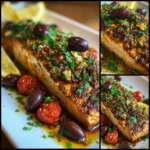
Mediterranean Salmon with Olives: A Flavorful Journey to the Coast
The History of Mediterranean Cuisine and Its Influence on This Dish
The culinary traditions of the Mediterranean region span thousands of years, rooted in the cultures of countries bordering the Mediterranean Sea—Greece, Italy, Spain, Turkey, Lebanon, and Morocco, among others. These cuisines are united by their emphasis on fresh ingredients, vibrant herbs, healthy fats like olive oil, and a balanced approach to eating that prioritizes seasonal produce and lean proteins. The concept of the “Mediterranean diet” has been celebrated globally not only for its delicious flavors but also for its numerous health benefits, including heart health, improved longevity, and reduced risk of chronic diseases.
Salmon, although not native to the Mediterranean in ancient times, has become a popular protein choice in modern interpretations of the region’s cuisine due to its rich omega-3 fatty acid content and firm texture that holds up well to bold flavors. The inclusion of olives—particularly Kalamata or green Sicilian olives—brings an authentic taste of the region, as olives have been cultivated around the Mediterranean since 6000 BCE. The combination of briny olives, garlic, tomatoes, and herbs like oregano and thyme mirrors classic Greek and Southern Italian dishes such as psari plaki or pescado al horno. Over time, home cooks and chefs alike have embraced salmon as a luxurious yet nutritious fish that pairs beautifully with traditional Mediterranean ingredients, giving rise to dishes like Mediterranean Salmon with Olives—a modern homage to age-old culinary wisdom.
Ingredients Breakdown: What Makes This Dish Shine
The magic of Mediterranean Salmon with Olives lies in its carefully selected ingredients, each contributing unique textures, flavors, and nutritional benefits. Let’s explore them in detail:
- Salmon Fillets (skin-on): High-quality wild-caught or sustainably farmed Atlantic salmon is ideal. The skin helps protect the delicate flesh during cooking and crisps up beautifully when roasted or pan-seared. Salmon is prized for its high content of omega-3 fatty acids, vitamin D, selenium, and high-quality protein.
- Kalamata Olives: These dark purple, almond-shaped olives from Greece offer a rich, fruity, and slightly tangy flavor. Unlike some other olives, they are cured in red wine vinegar and salt, which enhances their complexity. They add a signature brininess that balances the richness of the salmon.
- Cherry Tomatoes: Sweet, juicy, and bursting with freshness, cherry tomatoes provide acidity and natural sweetness. When roasted, they release juices that form part of the sauce, enhancing the overall umami profile.
- Extra Virgin Olive Oil: The cornerstone of Mediterranean cooking, EVOO adds a peppery, grassy note and helps carry flavors throughout the dish. It’s also rich in monounsaturated fats and antioxidants.
- Fresh Garlic: Minced garlic infuses the oil and tomatoes with aromatic depth. Cooked gently, it mellows into a savory backbone without overpowering.
- Red Onion or Shallots: Thinly sliced red onion adds a mild sharpness and color contrast. Shallots can be used for a more delicate, sweeter flavor.
- Dry White Wine: A splash of crisp white wine such as Sauvignon Blanc or Pinot Grigio deglazes the pan and adds brightness. Alcohol evaporates during cooking, leaving behind subtle acidity and fruit notes.
- Fresh Herbs (Oregano, Thyme, Parsley): Oregano brings earthy warmth, thyme offers woodsy notes, and flat-leaf parsley adds a fresh finish. These herbs are staples in Greek and Italian kitchens.
- Lemon Juice and Zest: Fresh lemon brightens the entire dish, cutting through the oil and enhancing the seafood flavor. The zest contains essential oils that intensify aroma.
- Capars (optional): Salty, pungent capers complement olives and add another layer of briny complexity, often found in Mediterranean seafood stews.
- Sea Salt and Black Pepper: Used to season every layer, ensuring balanced flavor development.
Step-by-Step Recipe: How to Make Mediterranean Salmon with Olives
Follow this detailed guide to create a restaurant-quality Mediterranean Salmon with Olives right in your kitchen. Serves 4.
Ingredients
- 4 skin-on salmon fillets (about 6 oz each), patted dry
- 1 cup Kalamata olives, pitted and halved
- 2 cups cherry tomatoes, halved
- 3 tbsp extra virgin olive oil (plus extra for brushing)
- 4 cloves garlic, minced
- 1 small red onion, thinly sliced
- ½ cup dry white wine (e.g., Pinot Grigio)
- 1 tsp dried oregano (or 1 tbsp fresh)
- 1 tsp fresh thyme leaves
- 1 lemon (zested and juiced)
- 2 tbsp capers, drained (optional)
- Salt and freshly ground black pepper, to taste
- Fresh parsley, chopped (for garnish)
Directions
- Preheat Oven: Set your oven to 400°F (200°C). Line a large baking sheet or roasting pan with parchment paper or foil for easy cleanup.
- Prepare Salmon: Season both sides of the salmon fillets with salt, pepper, and a light drizzle of olive oil. Place them skin-side down on the baking sheet, spacing evenly apart.
- Sauté Aromatics (Optional Stovetop Step): In a skillet over medium heat, warm 2 tablespoons of olive oil. Add the red onion and sauté for 3–4 minutes until softened. Add garlic and cook for 30 seconds until fragrant. Stir in cherry tomatoes, olives, capers, oregano, thyme, lemon zest, and juice. Pour in white wine and simmer for 5 minutes until slightly reduced. Remove from heat.
- Alternative Pan Assembly: If skipping stovetop prep, place all vegetables, olives, herbs, wine, lemon, and oil directly around the salmon on the baking sheet.
- Arrange Ingredients: Spoon or scatter the tomato-olive mixture around and partially over the salmon fillets, leaving the top of each fillet exposed to allow browning.
- Bake: Roast in the preheated oven for 12–15 minutes, depending on thickness. Salmon is done when it flakes easily with a fork and reaches an internal temperature of 145°F (63°C). For crisper skin, broil for the last 1–2 minutes, watching closely.
- Rest and Garnish: Remove from oven and let rest for 3 minutes. Sprinkle generously with fresh chopped parsley and an extra squeeze of lemon if desired.
- Serve: Transfer each salmon fillet to a plate, spooning the warm tomato-olive relish alongside or beneath. Serve immediately.
Tips for Perfect Mediterranean Salmon Every Time
- Choose Sustainable Salmon: Look for MSC-certified or ASC-labeled salmon to ensure environmental responsibility. Wild-caught Alaskan salmon tends to have superior flavor and texture.
- Don’t Overcook: Salmon continues to cook slightly after removal from the oven. Aim for slightly translucent in the center when checking; residual heat will finish it.
- Skin Crispiness: For ultra-crispy skin, pat the salmon very dry before seasoning and start with a hot pan if searing first. Alternatively, broiling at the end helps.
- Balance Brininess: If olives or capers make the dish too salty, rinse them briefly under water before using or reduce added salt accordingly.
- Use Quality Olive Oil: Since EVOO is a dominant flavor, choose a reputable brand with a fresh, fruity aroma. Avoid using “light” olive oil, which lacks flavor.
- Acid Adjustment: Taste the tomato mixture before baking. If too acidic, add a pinch of honey or a splash of broth to mellow it.
- Make Ahead Shortcut: Prepare the vegetable-olive mixture ahead of time and refrigerate. Bring to room temperature before baking with salmon.
- Even Cooking: Try to select salmon fillets of similar thickness so they cook uniformly.
Variations and Customizations
This recipe is highly adaptable based on dietary needs, preferences, and what’s in season. Here are several creative twists:
- Vegetarian Option: Replace salmon with firm tofu, tempeh, or roasted cauliflower steaks. Marinate in olive oil, lemon, and herbs before roasting.
- Spicy Kick: Add red pepper flakes or sliced fresh chili peppers (like Fresno or jalapeño) to the tomato mixture for heat.
- Citrus Swap: Use orange or blood orange juice instead of lemon for a sweeter, floral note that pairs well with olives.
- Herb Variations: Substitute marjoram, basil, or dill for oregano/thyme, especially if serving with tzatziki or yogurt sauce.
- Dairy Addition: Top with crumbled feta cheese just before serving for a creamy, salty contrast.
- Grilled Version: Cook salmon on a preheated grill (skin down) over medium heat. Use a foil tray for the tomato-olive mix alongside.
- Pasta Integration: Toss the finished tomato-olive mixture with whole wheat or chickpea pasta and flaked salmon for a hearty entrée.
- Sheet Pan Meal: Add sliced zucchini, bell peppers, or artichoke hearts to the tray for a complete one-pan dinner.
- Low-FODMAP Adaptation: Omit garlic and onion; use chives and infused olive oil instead. Ensure olives are plain (no garlic-added).
- Keto-Friendly: Naturally low in carbs, this dish fits perfectly into a ketogenic lifestyle. Serve with sautéed greens or avocado slices.
Health Considerations and Nutritional Value
Mediterranean Salmon with Olives isn’t just delicious—it’s a powerhouse of nutrition aligned with science-backed wellness principles.
Nutritional Highlights (per serving, approx. 6 oz salmon + topping):
- Calories: ~450 kcal
- Protein: 34g – supports muscle repair, satiety, and metabolic function
- Fat: 30g – primarily heart-healthy monounsaturated and omega-3 fats
- Omega-3 Fatty Acids: 2,000–3,000 mg – reduces inflammation, supports brain and cardiovascular health
- Fiber: 3–4g – from vegetables and olives, aiding digestion and gut microbiome balance
- Vitamin D: 50–70% DV – crucial for immune function and bone health
- Selenium: Over 100% DV – powerful antioxidant involved in thyroid regulation
- Vitamin C & Antioxidants: From tomatoes and lemon, boosting immunity and fighting oxidative stress
- Sodium: ~600–800mg – mainly from olives and capers; can be reduced by rinsing or using low-sodium versions
Health Benefits of Key Components:
- Salmon: Regular consumption of fatty fish like salmon is linked to lower rates of heart disease, improved cognitive function, and reduced depression symptoms.
- Olive Oil: Rich in polyphenols, it has anti-inflammatory properties and may help reduce LDL (“bad”) cholesterol while preserving HDL (“good”) cholesterol.
- Olives: Packed with healthy fats and antioxidants like hydroxytyrosol, associated with longevity and cancer prevention.
- Tomatoes: Lycopene, a carotenoid abundant in cooked tomatoes, is better absorbed with fat (like olive oil) and may protect against prostate cancer and UV skin damage.
- Garlic and Herbs: Contain compounds with antimicrobial, antiviral, and anti-inflammatory effects.
Cautions: Individuals with seafood allergies should avoid this dish. Those on blood thinners should consult a doctor before significantly increasing omega-3 intake. Monitor sodium levels if managing hypertension—opt for low-sodium olives and capers when possible.
Frequently Asked Questions (FAQ)
- Can I use frozen salmon?
- Yes, but thaw it slowly in the refrigerator overnight for best texture. Never cook frozen salmon directly unless specified in a recipe, as it may steam rather than roast properly.
- What kind of olives should I use?
- Kalamata olives are traditional, but you can use Gaeta, Cerignola, or even a mix of green and black olives for variety. Avoid canned cocktail olives with artificial coloring.
- Is white wine necessary?
- No. Substitute with chicken or vegetable broth mixed with 1 tsp vinegar or lemon juice for acidity.
- Can I cook this on the stovetop only?
- Absolutely. Sear salmon skin-side down in an oven-safe skillet for 5–6 minutes, then add the tomato-olive mixture around it, cover, and simmer on low for 6–8 minutes until cooked through.
- How do I store leftovers?
- Cool completely and refrigerate in an airtight container for up to 3 days. Reheat gently in the oven or microwave, adding a splash of water to prevent drying.
- Can I freeze this dish?
- While technically possible, freezing may alter the texture of both salmon and tomatoes. Best enjoyed fresh or refrigerated short-term.
- What sides pair well with this dish?
- Excellent options include quinoa, couscous, farro, roasted potatoes, grilled asparagus, Greek salad, or crusty whole-grain bread to soak up the sauce.
- Is this recipe gluten-free?
- Yes, provided all ingredients (especially wine and broth) are certified gluten-free. Always check labels on processed items like olives or capers.
Summary
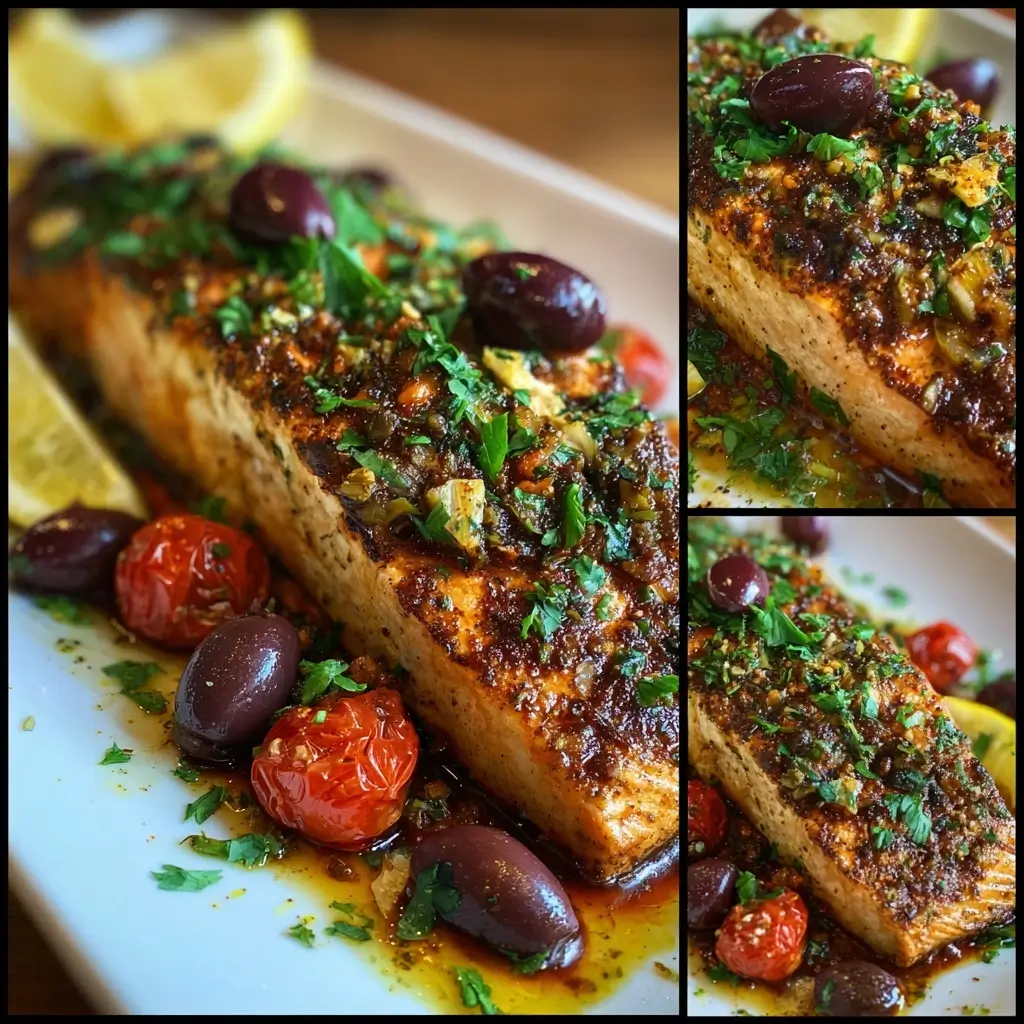
Mediterranean Salmon with Olives is a harmonious blend of rich, buttery salmon and a vibrant, briny-tangy tomato-olive relish, inspired by coastal culinary traditions. Packed with heart-healthy fats, antioxidants, and bold flavors, it’s a nourishing meal that delights the senses and supports long-term wellness.