Introduction
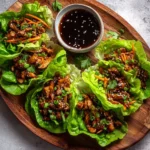
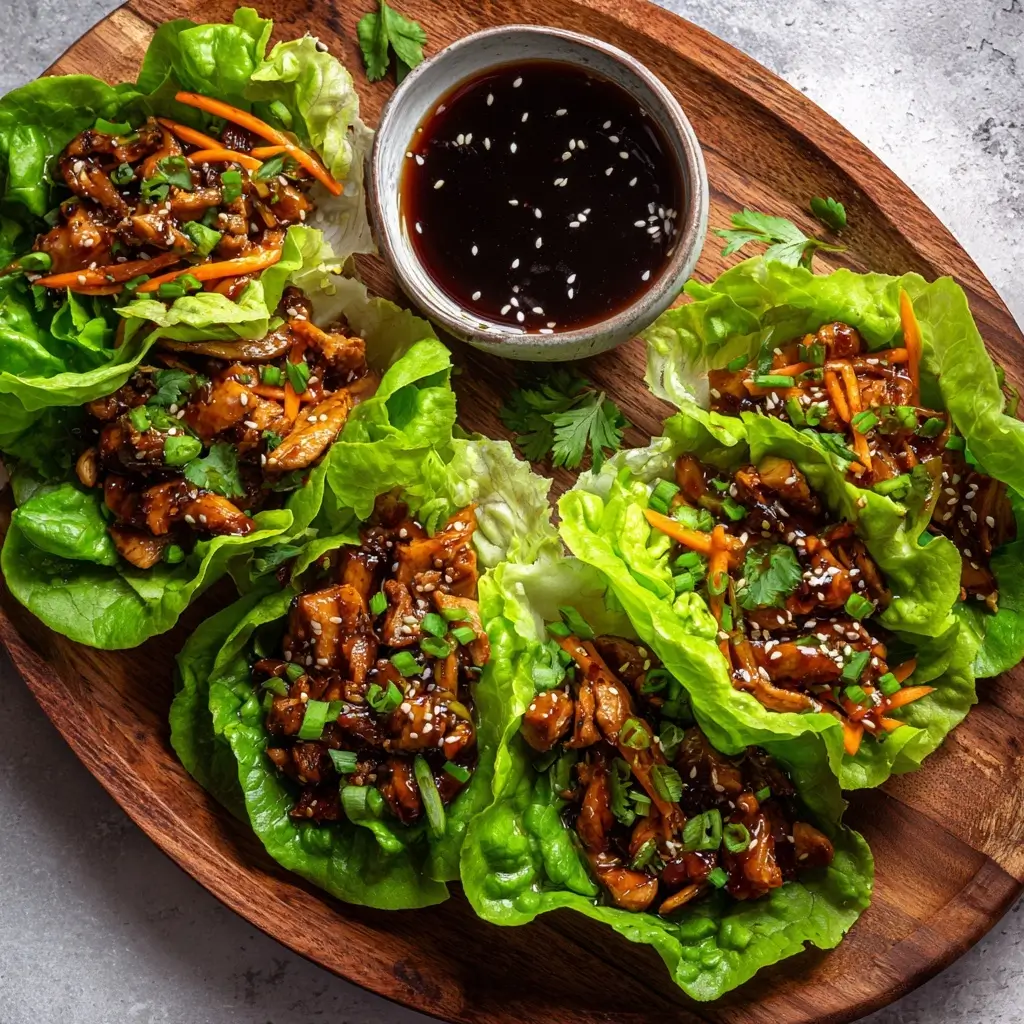
Teriyaki Chicken Lettuce Wraps are a delicious fusion of Japanese and American culinary traditions, offering a light yet satisfying meal that’s perfect for lunch, dinner, or even as an appetizer at your next gathering. These wraps combine the savory-sweet richness of teriyaki sauce with tender, juicy chicken, all nestled in crisp lettuce cups for a fresh, low-carb dining experience. Ideal for health-conscious eaters and flavor enthusiasts alike, this dish brings bold umami notes and vibrant textures to your plate without weighing you down. Whether you’re looking for a quick weeknight dinner or an impressive yet easy-to-make dish for guests, Teriyaki Chicken Lettuce Wraps deliver on taste, nutrition, and presentation.
The History
The origins of Teriyaki Chicken Lettuce Wraps can be traced back to the blending of Japanese and Western cuisines, particularly during the rise of fusion cooking in the late 20th century. “Teriyaki” itself is a traditional Japanese cooking technique where foods are grilled or broiled with a glaze of soy sauce, mirin, and sugar, creating a glossy, flavorful finish. This method dates back to the Edo period (1603–1868), when artisans developed it as a way to enhance the visual appeal and taste of fish and later meats. As Japanese cuisine spread globally, especially in the United States, chefs and home cooks began experimenting with new formats. The concept of using lettuce as a wrap originated from East Asian culinary practices, such as Chinese lettuce cups filled with minced pork or Peking duck. Combining these two ideas—teriyaki chicken and lettuce wraps—resulted in a modern dish that caters to contemporary dietary preferences like gluten-free, low-carb, and clean eating. Today, Teriyaki Chicken Lettuce Wraps are a staple in many healthy and fusion-focused restaurants across North America and beyond.
Ingredients Breakdown
To create the perfect Teriyaki Chicken Lettuce Wraps, each ingredient plays a crucial role in building layers of flavor, texture, and nutrition:
- Chicken Breast or Thighs: Boneless, skinless chicken breasts are lean and widely used, but thighs offer more moisture and richer flavor due to their higher fat content.
- Soy Sauce: Provides the salty, umami backbone of the teriyaki sauce. For a healthier option, use reduced-sodium soy sauce, or opt for tamari if you need a gluten-free alternative.
- Mirin: A sweet Japanese rice wine that adds depth and subtle sweetness. If unavailable, substitute with dry sherry or a mix of rice vinegar and sugar.
- Brown Sugar or Honey: Adds caramelization and balance to the salty soy sauce. Honey gives a floral note, while brown sugar contributes molasses-like richness.
- Fresh Ginger: Grated ginger infuses the sauce with warmth and zing, enhancing the overall aroma and complexity.
- Garlic: Minced garlic provides a pungent kick that complements the sweetness of the teriyaki glaze.
- Sesame Oil: Used sparingly for sautéing or drizzling, it adds a nutty, aromatic finish.
- Romaine or Butter Lettuce: Large, cup-shaped leaves act as edible vessels. Butter lettuce is tender and slightly sweet; romaine offers more crunch.
- Green Onions: Thinly sliced for garnish, they add freshness and mild onion flavor.
- Sesame Seeds: Toasted white or black sesame seeds provide a delightful crunch and visual appeal.
- Optional Add-ins: Pineapple chunks (for authenticity and sweetness), shredded carrots, cucumber ribbons, red cabbage, or bell peppers for added color and texture.
Step-by-Step Recipe
- Prepare the Lettuce: Wash and thoroughly dry 8–12 large lettuce leaves (depending on size). Carefully separate them and place them on a serving platter. Chill until ready to use to maintain crispness.
- Make the Teriyaki Sauce: In a small saucepan, combine 1/4 cup soy sauce, 1/4 cup mirin, 2 tablespoons brown sugar, 1 tablespoon honey, 1 teaspoon grated fresh ginger, and 2 minced garlic cloves. Bring to a gentle simmer over medium heat, stirring until the sugar dissolves. Let it cook for 5–7 minutes until slightly thickened. Remove from heat and set aside.
- Cook the Chicken: Dice 1 pound of boneless chicken into small cubes. Heat 1 tablespoon of vegetable oil in a large skillet over medium-high heat. Add the chicken and cook until golden brown and fully cooked through (about 6–8 minutes). Drain excess fat if needed.
- Glaze the Chicken: Pour the prepared teriyaki sauce into the skillet with the cooked chicken. Stir well to coat evenly and simmer for another 2–3 minutes until the sauce reduces and clings to the meat. Adjust seasoning with additional soy sauce or honey if desired.
- Add Aromatics: Stir in 1 tablespoon of toasted sesame oil and half of the sliced green onions. Toss gently to combine.
- Assemble the Wraps: Lay out the lettuce cups on a platter. Spoon a generous amount of the warm teriyaki chicken into each cup. Top with remaining green onions, toasted sesame seeds, and any optional vegetables like shredded carrots or pineapple.
- Serve Immediately: Arrange the filled lettuce wraps on a tray and serve right away while the chicken is warm and the lettuce is cool and crisp.
Tips
- Don’t Overcook the Chicken: To keep the chicken tender and juicy, avoid overcooking. Use a meat thermometer to ensure it reaches 165°F (74°C) internally but remove it promptly from heat.
- Thicken the Sauce Properly: If your teriyaki sauce isn’t thick enough, mix 1 teaspoon of cornstarch with 1 tablespoon of cold water and stir it into the simmering sauce. Cook for an additional 1–2 minutes until glossy and syrupy.
- Dry Lettuce Leaves Well: Moisture can make the wraps soggy. Pat each leaf dry with paper towels after washing.
- Prep Ahead: You can prepare the teriyaki sauce and chop the chicken up to a day in advance. Store separately in airtight containers in the refrigerator.
- Warm the Chicken Just Before Serving: Reheat the chicken mixture gently on the stove to preserve texture and flavor.
- Use Fresh Ginger and Garlic: Pre-minced versions lack the brightness and punch of freshly grated or chopped aromatics.
- Toast Sesame Seeds: Lightly toast sesame seeds in a dry pan over low heat for 1–2 minutes until fragrant and golden. This enhances their nutty flavor.
- Balance Sweetness: Taste your teriyaki sauce before adding to the chicken. Some brands of soy sauce or mirin vary in sweetness, so adjust accordingly.
Variations and Customizations
One of the best aspects of Teriyaki Chicken Lettuce Wraps is their adaptability. Here are several creative ways to customize the dish:
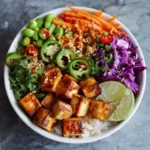
- Vegan/Vegetarian Version: Replace chicken with marinated tofu, tempeh, or jackfruit. Press and cube firm tofu, then pan-fry until crispy before tossing in teriyaki sauce.
- Spicy Teriyaki: Add sriracha, chili garlic sauce, or red pepper flakes to the sauce for a fiery twist. Garnish with sliced jalapeños for extra heat.
- Pineapple Teriyaki: Incorporate diced fresh pineapple into the chicken mixture or serve as a topping. The natural enzymes and sweetness perfectly complement the savory sauce.
- Low-Sugar Option: Substitute brown sugar with monk fruit sweetener or stevia-based syrup to reduce sugar content while maintaining sweetness.
- Gluten-Free: Use tamari instead of soy sauce and verify that all other ingredients (like mirin) are certified gluten-free.
- Keto-Friendly: Replace sugar with erythritol or allulose and use a sugar-free mirin substitute. Serve with butter lettuce for fewer carbs.
- Extra Crunch: Add julienned cucumbers, water chestnuts, or crushed peanuts for contrasting texture.
- Herb Infusion: Mix in fresh cilantro, Thai basil, or mint leaves just before serving for a bright, aromatic lift.
- Grilled Version: Skewer chicken pieces, brush with teriyaki glaze, and grill for a smoky flavor. Slice and use in wraps.
- Meal Prep Friendly: Pack components separately in containers: lettuce, chicken filling, toppings. Assemble just before eating to prevent sogginess.
Health Considerations and Nutritional Value
Teriyaki Chicken Lettuce Wraps are inherently a healthier alternative to traditional rice bowls or fried entrees. By replacing high-carb bases like rice or bread with lettuce, you significantly reduce calorie and carbohydrate intake while increasing fiber and hydration from the greens. A typical serving (two lettuce wraps) contains approximately:
- Calories: 180–220 kcal
- Protein: 20–25g (excellent source for muscle repair and satiety)
- Fat: 6–9g (mostly unsaturated, especially if using minimal oil and sesame oil in moderation)
- Carbohydrates: 10–15g (primarily from natural sugars in sauce and optional fruits/veggies)
- Sodium: 600–800mg (can be reduced by using low-sodium soy sauce)
- Vitamins & Minerals: Rich in vitamin A (from lettuce and carrots), vitamin C (from peppers, pineapple), iron (from chicken), and antioxidants (from garlic and ginger)
The inclusion of fresh vegetables boosts micronutrient density and supports digestive health. However, store-bought teriyaki sauces often contain excessive sugar and preservatives, so making your own allows better control over ingredients. Individuals managing blood sugar levels, hypertension, or sodium restrictions should monitor portion sizes and opt for reduced-sugar, low-sodium versions. Pregnant women should ensure chicken is cooked thoroughly to avoid foodborne illness. Overall, this dish aligns well with balanced diets including Mediterranean, DASH, and intermittent fasting plans when paired with mindful portioning.
Ingredients
- 1 pound boneless, skinless chicken breasts or thighs, diced
- 4 tablespoons soy sauce (or tamari for gluten-free)
- 4 tablespoons mirin (sweet rice wine)
- 2 tablespoons brown sugar (or honey/maple syrup)
- 1 tablespoon water
- 1 teaspoon cornstarch (optional, for thickening)
- 1 tablespoon fresh ginger, grated
- 2 cloves garlic, minced
- 1 tablespoon sesame oil
- 1 tablespoon vegetable oil (for cooking)
- 8–12 large lettuce leaves (butter lettuce, romaine, or iceberg)
- 1/4 cup green onions, thinly sliced
- 1 tablespoon sesame seeds, toasted
- Optional: 1/2 cup pineapple chunks, 1/2 cup shredded carrots, 1/4 cup diced cucumber
Directions
- In a small saucepan, whisk together soy sauce, mirin, brown sugar, water, ginger, and garlic. Bring to a simmer over medium heat.
- If using, mix cornstarch with 1 tablespoon cold water to make a slurry. Stir into the sauce and continue simmering for 5–7 minutes until thickened and glossy. Remove from heat and set aside.
- Heat vegetable oil in a large skillet over medium-high heat. Add diced chicken and cook until no longer pink and lightly browned, about 6–8 minutes.
- Pour the teriyaki sauce over the cooked chicken. Stir well to coat and simmer for 2–3 minutes until the chicken is glazed and sauce has reduced.
- Remove from heat and stir in sesame oil and half of the green onions.
- While the chicken cools slightly, prepare the lettuce leaves by washing, drying, and arranging them on a serving plate.
- Spoon the teriyaki chicken mixture into each lettuce cup. Top with remaining green onions, toasted sesame seeds, and any optional vegetables.
- Serve immediately, either as an appetizer or main course. Pair with steamed edamame, miso soup, or a side salad for a complete meal.
FAQ
Can I make Teriyaki Chicken Lettuce Wraps ahead of time?
Yes, you can prep the chicken and sauce up to 2 days in advance. Store them separately in airtight containers in the refrigerator. Assemble the wraps just before serving to keep the lettuce crisp.
What type of lettuce works best?
Butter lettuce (Bibb or Boston) is ideal due to its soft, cup-like shape and sweet flavor. Romaine hearts also work well for a crunchier texture. Avoid iceberg if possible, as it has less flavor.
Is teriyaki sauce healthy?
Homemade teriyaki sauce is much healthier than store-bought versions, which often contain high fructose corn syrup and excess sodium. Making your own allows you to control sugar and salt levels.
Can I bake or grill the chicken instead?
Absolutely! Marinate the chicken in teriyaki sauce for 30 minutes, then bake at 375°F (190°C) for 20–25 minutes or grill on skewers for 8–10 minutes, turning and basting occasionally.
Are these wraps kid-friendly?
Yes! Kids love the sweet-savory flavor and fun, handheld format. You can dice the chicken finely and skip spicy additions to suit younger palates.
How do I store leftovers?
Store leftover chicken filling in an airtight container in the fridge for up to 3 days. Lettuce should not be stored with the filling, as it will wilt. Reheat chicken gently before serving.
Can I freeze teriyaki chicken?
Yes, the cooked chicken in sauce freezes well for up to 3 months. Thaw overnight in the refrigerator and reheat on the stove. Texture may soften slightly but flavor remains excellent.
Summary
Teriyaki Chicken Lettuce Wraps blend the rich, glossy flavors of Japanese teriyaki with the refreshing crunch of fresh lettuce for a healthy, customizable meal. Easy to make, packed with protein, and perfect for various diets, they’re a modern favorite for home cooks and food lovers alike.