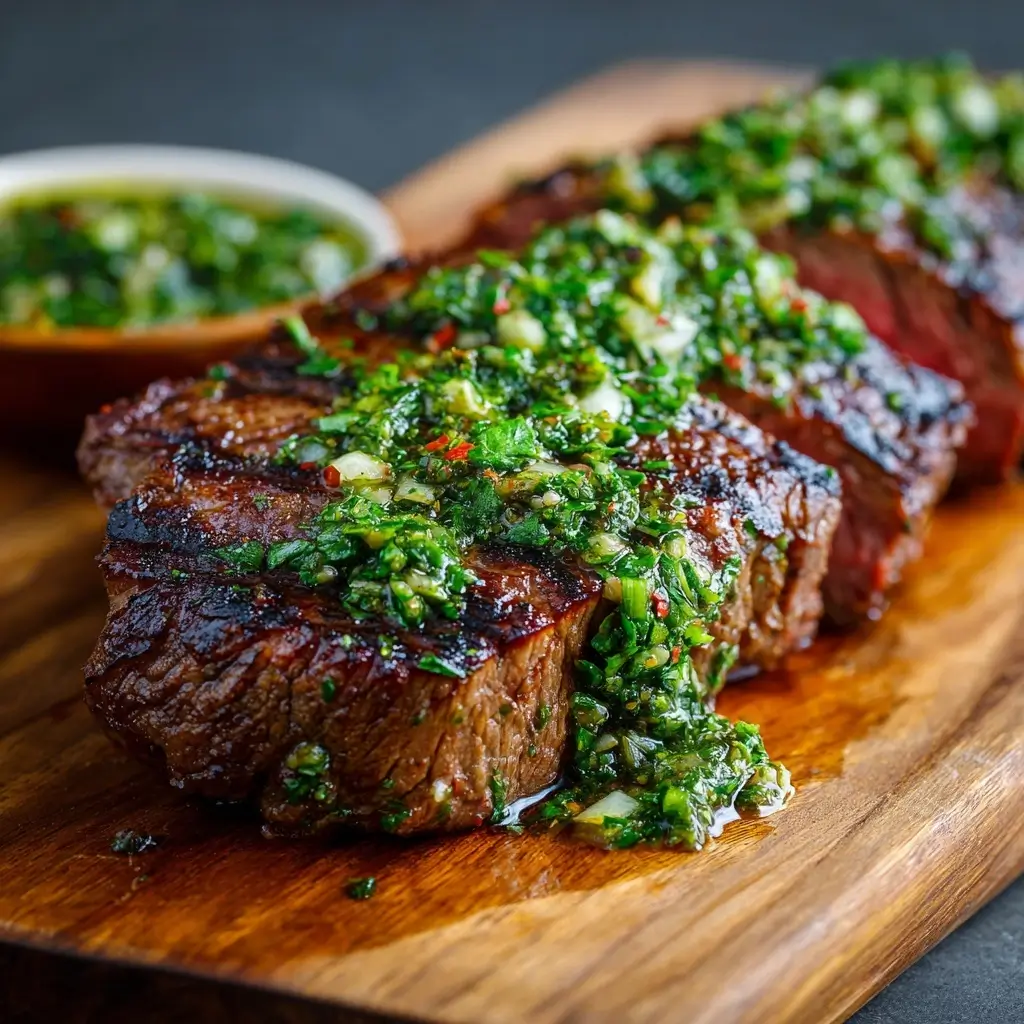
Grilled Chimichurri Steak: A Flavorful South American Delight
There’s something undeniably satisfying about a perfectly grilled steak slathered in vibrant, herbaceous chimichurri sauce. Grilled Chimichurri Steak is more than just a meal—it’s an experience that brings together bold flavors, rich textures, and culinary tradition from the heart of South America. Whether you’re hosting a backyard barbecue or preparing a romantic dinner for two, this dish promises to impress with its aromatic herbs, garlicky tang, and juicy, tender meat seared to perfection.
The History of Chimichurri and Its Place in Steak Culture
Chimichurri originated in Argentina and Uruguay, where it has long been a staple condiment served alongside grilled meats, particularly beef. While the exact origins are debated, many believe the sauce was created by Spanish or British immigrants who adapted local ingredients into a fresh, zesty accompaniment for grilled food. The name “chimichurri” may derive from the Basque word tximitxurri, meaning “a mix-up” or “anything goes,” which reflects the improvisational nature of the sauce.
In traditional Argentine asado (barbecue), chimichurri plays a central role. It’s not merely a garnish but a fundamental flavor enhancer that complements the smoky richness of grilled beef. Over time, the popularity of chimichurri spread across Latin America and eventually worldwide, becoming synonymous with outdoor grilling culture and artisanal steak preparation. Today, Grilled Chimichurri Steak is celebrated globally for its balance of acidity, heat, freshness, and savory depth—making it a must-have recipe for any steak lover.
Ingredients Breakdown: What Makes This Dish Shine
The magic of Grilled Chimichurri Steak lies in its dual components: the high-quality cut of meat and the vibrant, uncooked herb sauce. Each ingredient serves a purpose, contributing layers of flavor, aroma, texture, and color.
- Steak: Traditionally, cuts like flank steak, skirt steak, ribeye, or sirloin are used due to their ability to absorb marinades and develop a delicious crust when grilled. These cuts offer a balance between tenderness and robust beefy flavor.
- Fresh Parsley: Flat-leaf parsley forms the green base of chimichurri, providing a clean, slightly peppery herbal note. It’s essential for authenticity and freshness.
- Olive Oil: High-quality extra virgin olive oil acts as the carrier for all other flavors, adding richness and helping emulsify the sauce.
- Garlic: Freshly minced garlic delivers pungency and depth, forming one of the foundational flavors in chimichurri.
- Vinegar: Red wine vinegar is typically used for its moderate acidity and fruity undertones, which help brighten the sauce and cut through the fat of the steak.
- Red Pepper Flakes: For a touch of heat and complexity, crushed red pepper flakes add gentle warmth without overpowering the herbs.
- Oregano: Dried oregano (preferably rubbed between fingers before use) contributes earthy, slightly floral notes that ground the brightness of the parsley.
- Lemon Juice (optional): Some variations include fresh lemon juice to enhance tartness and provide additional citrus lift.
- Salt and Black Pepper: Essential seasonings that balance and elevate every component of the dish.
- Onion or Shallot (optional): Finely minced shallot or red onion can be added for subtle sweetness and crunch.
When combined, these ingredients create a sauce that’s both rustic and refined—a perfect partner for charred, juicy steak.
Step-by-Step Recipe: How to Make the Perfect Grilled Chimichurri Steak
Ingredients
- 1.5 lbs (680g) flank steak or skirt steak
- ½ cup extra virgin olive oil
- 1 cup fresh flat-leaf parsley, finely chopped
- 3 cloves garlic, minced
- 3 tablespoons red wine vinegar
- 1 teaspoon dried oregano, crumbled
- ½–1 teaspoon crushed red pepper flakes (adjust to taste)
- 1 tablespoon fresh lemon juice (optional)
- 1 small shallot, finely minced (about 2 tablespoons)
- 1 teaspoon kosher salt, plus more for seasoning steak
- Freshly ground black pepper, to taste
- Optional: 1 tablespoon fresh oregano leaves, finely chopped
Directions
- Prepare the Chimichurri Sauce: In a medium bowl, combine the chopped parsley, minced garlic, red wine vinegar, olive oil, oregano, red pepper flakes, lemon juice (if using), minced shallot, salt, and black pepper. Stir well to blend. Cover and refrigerate for at least 30 minutes to allow the flavors to meld. For best results, make the sauce up to 2 hours ahead of time and bring back to room temperature before serving.
- Season the Steak: Pat the steak dry with paper towels. Generously season both sides with kosher salt and freshly ground black pepper. Let it sit at room temperature for 20–30 minutes before grilling to ensure even cooking.
- Preheat the Grill: Heat your grill to high (around 450°F–500°F / 230°C–260°C). Clean and oil the grates to prevent sticking. If using a gas grill, preheat with the lid closed for 10–15 minutes. For charcoal, wait until the coals are ash-covered and glowing.
- Grill the Steak: Place the steak on the hot grill at a 45-degree angle to the grates for attractive sear marks. Cook for 4–6 minutes per side for medium-rare (internal temperature of 130°F–135°F / 54°C–57°C), depending on thickness. Use a meat thermometer for accuracy. Avoid pressing down on the steak, as this releases juices.
- Rest the Steak: Transfer the cooked steak to a cutting board and let it rest for 8–10 minutes. This allows the juices to redistribute, ensuring a moist and tender bite.
- Slice Against the Grain: Using a sharp knife, slice the steak thinly against the grain (perpendicular to the muscle fibers). This step is crucial for tenderness, especially with tougher cuts like flank or skirt steak.
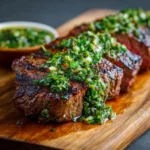
- Serve: Arrange the sliced steak on a platter. Spoon a generous amount of chimichurri over the top and serve the remaining sauce on the side for dipping or drizzling. Garnish with extra parsley if desired.
Tips for Mastering Grilled Chimichurri Steak
- Use Fresh Herbs: Always opt for fresh, vibrant parsley. Wilted or yellowing herbs will dull the flavor and appearance of your chimichurri.
- Don’t Over-Chop: While some prefer a smooth chimichurri, a slightly coarse chop preserves texture and visual appeal. Pulse carefully in a food processor if using one.
- Balance Acidity: Taste your chimichurri before serving. If it’s too acidic, add a bit more olive oil. If too oily, add a splash of vinegar or lemon juice.
- Let the Steak Rest: Skipping the resting phase leads to dry steak. Trust the process—those few minutes make all the difference.
- Control Grill Heat: Searing over high heat creates a flavorful crust, but watch for flare-ups, especially with fatty cuts. Move steak to a cooler zone if needed.
- Marinate for Extra Flavor (Optional): For deeper flavor, marinate the steak in half the chimichurri sauce for 1–4 hours before grilling. Discard used marinade for food safety.
- Slice Thinly and Against the Grain: This cannot be overstated. Cutting correctly ensures maximum tenderness.
Variations and Customizations
While traditional chimichurri is beloved for its simplicity, creative cooks have developed numerous variations to suit different palates and cuisines:
- Green vs. Red Chimichurri: The classic green version uses parsley and garlic. A red chimichurri swaps in roasted red peppers or tomatoes and sometimes includes paprika for a smokier profile.
- Citrus Twist: Add orange or lime zest for a tropical flair, ideal for summer grilling.
- Herb Variations: Mix in cilantro, basil, or mint for a unique twist. Cilantro chimichurri pairs beautifully with skirt steak tacos.
- Spicier Version: Add diced jalapeño or serrano pepper for extra heat.
- Dairy-Infused: Blend in feta or goat cheese for a creamy chimichurri ideal as a spread or dip.
- Protein Swaps: Use the same chimichurri with grilled chicken, shrimp, pork chops, or portobello mushrooms for vegetarian options.
- Wine Pairings: Serve with Malbec, Cabernet Sauvignon, or Tempranillo for a classic pairing. For white lovers, try a crisp Albariño.
Health Considerations and Nutritional Value
Grilled Chimichurri Steak can be part of a balanced diet when enjoyed in moderation. Here’s a breakdown of its nutritional components:
- Protein: Beef is an excellent source of high-quality protein, essential for muscle repair and satiety. A 4-ounce serving of flank steak provides around 25–28 grams of protein.
- Healthy Fats: The olive oil in chimichurri contains monounsaturated fats, known for supporting heart health. However, portion control matters due to calorie density.
- Vitamins and Minerals: Beef supplies iron (especially heme iron, which is easily absorbed), zinc, selenium, and B vitamins like B12 and niacin.
- Antioxidants: Fresh herbs like parsley are rich in vitamin K, vitamin C, and antioxidants such as flavonoids, which support immune function and reduce inflammation.
- Sodium: Be mindful of salt content, especially if you’re sensitive to sodium. You can reduce added salt and rely more on herbs and spices for flavor.
- Grilling Risks: High-temperature grilling can produce heterocyclic amines (HCAs) and polycyclic aromatic hydrocarbons (PAHs), compounds linked to cancer risk. To minimize this:
- Avoid charring or burning the meat.
- Marinate the steak (acidic ingredients like vinegar may reduce HCA formation).
- Flip frequently during grilling.
- Pair with antioxidant-rich sides like grilled vegetables or salads.
For lower-fat versions, choose leaner cuts like top round or eye of round, though they may be less juicy. Grass-fed beef offers higher omega-3 content and fewer saturated fats compared to grain-fed alternatives.
Frequently Asked Questions (FAQ)
Q: Can I make chimichurri ahead of time?
A: Yes! Chimichurri tastes even better after sitting for a few hours. Store it in an airtight container in the refrigerator for up to 5 days. Bring to room temperature before serving.
Q: What cut of steak is best for chimichurri?
A: Flank steak, skirt steak, hanger steak, and flat iron are top choices due to their strong flavor and ability to absorb marinades. Ribeye or strip steak work well for a more luxurious option.
Q: Can I use dried parsley?
A: No—dried parsley lacks the vibrancy and moisture needed for authentic chimichurri. Fresh parsley is non-negotiable.
Q: Is chimichurri spicy?
A: Not inherently. The heat comes from red pepper flakes, which you can adjust or omit based on preference.
Q: Can I freeze chimichurri?
A: Freezing alters the texture and dulls the fresh herb flavor. It’s best made fresh or stored short-term in the fridge.
Q: Can I use a blender or food processor?
A: Yes, but pulse carefully to avoid turning it into a puree. A coarse texture is ideal.
Q: Do I need to marinate the steak?
A: Not required, but marinating in half the chimichurri for 1–4 hours enhances flavor. Never reuse marinade that touched raw meat.
Q: What sides go well with grilled chimichurri steak?
A: Try grilled vegetables, chimichurri potatoes, quinoa salad, corn on the cob, or a simple arugula salad with shaved Parmesan.
Summary
Grilled Chimichurri Steak combines succulent, expertly grilled beef with a bright, herb-packed sauce rooted in South American tradition. Bursting with flavor and easy to customize, it’s a show-stopping dish perfect for weeknights or entertaining.
With its balance of freshness, heat, and savory depth, this recipe brings the spirit of the Argentine pampas straight to your backyard grill—simple, bold, and utterly unforgettable.