Spicy Thai Basil Chicken (Pad Kra Pao Gai): A Flavorful Culinary Journey
The History of Spicy Thai Basil Chicken
Spicy Thai Basil Chicken, known in Thailand as Pad Kra Pao Gai (ผัดกะเพราไก่), is one of the most beloved and iconic dishes in Thai cuisine. Its origins trace back to central Thailand, where it began as a humble street food staple served at local markets and roadside stalls. The dish gained popularity due to its bold flavors, affordability, and quick cooking time—making it an ideal choice for busy workers seeking a satisfying meal.
Historically, Krapow refers to holy basil, a sacred herb used not only in cooking but also in traditional Thai medicine and religious ceremonies. Over time, Pad Kra Pao evolved from a simple home-cooked meal into a national favorite, now found in nearly every Thai restaurant around the world. It’s often considered Thailand’s version of comfort food—spicy, aromatic, and deeply flavorful.
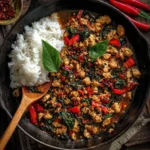
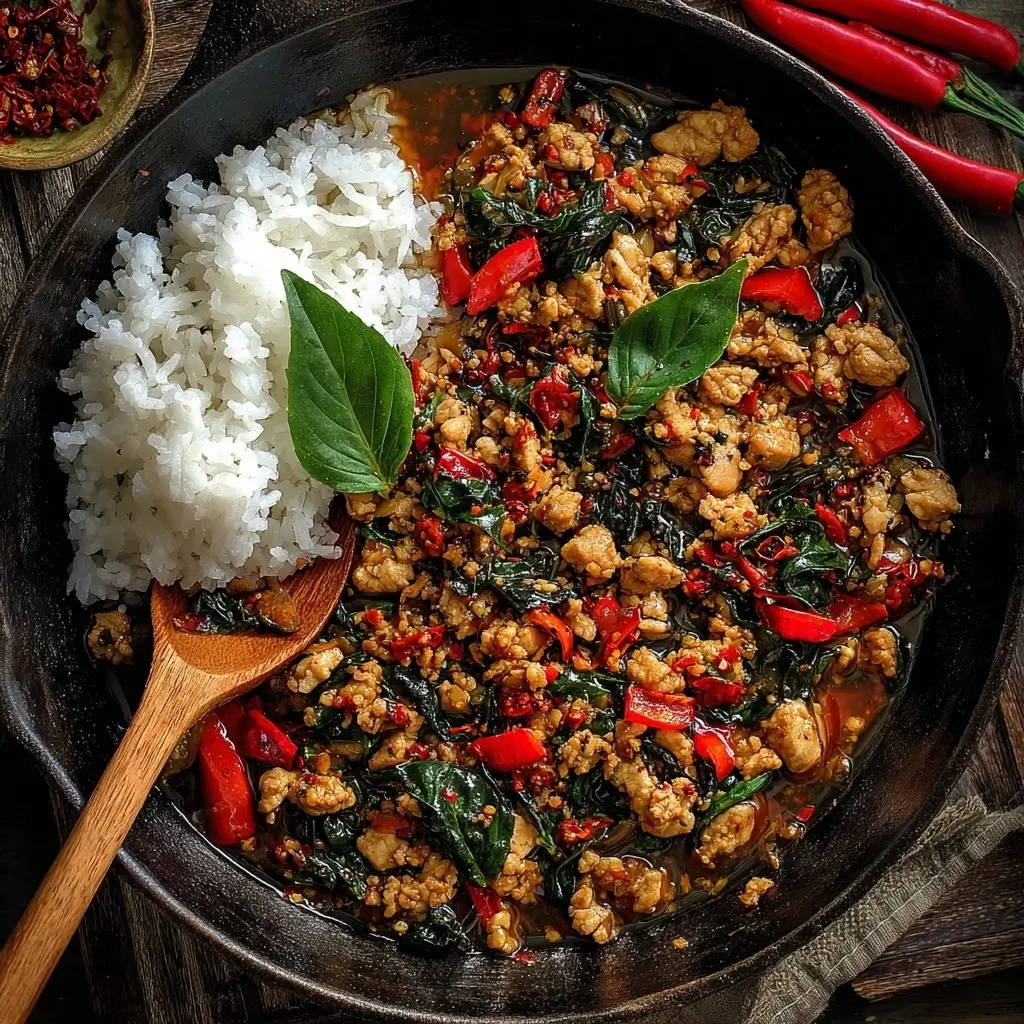
The dish reflects the core principles of Thai gastronomy: a harmonious balance of spicy, salty, sweet, sour, and umami elements. Traditionally made with minced pork or chicken, stir-fried with chilies, garlic, fish sauce, and fresh holy basil, it’s typically served over steamed jasmine rice and crowned with a fried egg—an essential touch that adds richness and completes the experience.
Ingredients Breakdown
To create an authentic and delicious Spicy Thai Basil Chicken, understanding each ingredient’s role is crucial. Here’s a detailed breakdown:
- Ground Chicken: Lean ground chicken breast or thigh meat provides a tender texture and mild flavor that absorbs the bold seasonings well. Chicken thigh is preferred for its juiciness and richer taste.
- Holy Basil (Kra Pao): This is the star herb. Holy basil has a peppery, clove-like aroma distinct from sweet or Italian basil. It’s essential for authenticity. If unavailable, Thai sweet basil can be substituted, though the flavor profile will slightly differ.
- Fresh Red Chilies or Bird’s Eye Chilies (Prik Kee Noo): These tiny but mighty peppers bring intense heat. Adjust quantity based on your spice tolerance. Fresh chilies offer vibrant color and crisp flavor compared to dried versions.
- Garlic: Minced fresh garlic adds pungent depth and enhances the overall aroma during stir-frying.
- Shallots or Onion: Finely chopped shallots add sweetness and complexity. Some recipes use red onion for convenience.
- Fish Sauce (Nam Pla): A cornerstone of Thai cooking, fish sauce provides savory umami and saltiness. Use a high-quality brand for best results.
- Oyster Sauce: Adds a rich, slightly sweet depth and helps thicken the sauce slightly.
- Soy Sauce (Light Soy): Used sparingly to enhance color and saltiness without overpowering the dish.
- Brown Sugar or Palm Sugar: A small amount balances the saltiness and heat, rounding out the flavor profile.
- Vegetable Oil or Peanut Oil: High smoke point oils are ideal for the high-heat stir-fry method.
- Jasmine Rice: The traditional accompaniment—fragrant, fluffy, and slightly sticky, perfect for soaking up the flavorful sauce.
- Fried Egg (optional but recommended): A runny-yolk fried egg placed on top adds creaminess and transforms the dish into a complete meal.
- Lime Wedges: Served on the side for a bright, acidic contrast.
- Chili Garlic Vinegar (optional): A tangy condiment sometimes drizzled on top for extra kick.
Step-by-Step Recipe
Follow these detailed steps to recreate an authentic Spicy Thai Basil Chicken at home:
- Prepare Ingredients: Mince 2 cloves of garlic and 1 small shallot. Slice 2–4 bird’s eye chilies (depending on desired heat). Measure out ½ cup of holy basil leaves. Have all sauces ready: 1½ tbsp fish sauce, 1 tbsp oyster sauce, 1 tsp light soy sauce, and 1 tsp brown sugar.
- Cook Jasmine Rice: Begin by cooking 1 cup of jasmine rice according to package instructions. Serve hot alongside the finished dish.
- Heat the Wok or Pan: Place a wok or large skillet over high heat. Add 2 tablespoons of vegetable oil and swirl to coat the surface evenly.
- Sauté Aromatics: Add minced garlic and shallot. Stir-fry for about 30 seconds until fragrant but not browned.
- Add Chilies: Toss in the sliced chilies and stir briefly—about 15 seconds—to release their aroma.
- Cook Ground Chicken: Add 1 lb (450g) of ground chicken to the pan. Break it apart with a spatula and stir-fry for 3–4 minutes until fully cooked and lightly browned.
- Season the Dish: Pour in fish sauce, oyster sauce, soy sauce, and brown sugar. Mix thoroughly to ensure even coating. Continue cooking for another 1–2 minutes, allowing the sauce to caramelize slightly.
- Incorporate Holy Basil: Add the holy basil leaves and stir rapidly until just wilted—about 30 seconds to 1 minute. The leaves should remain vibrant green and fragrant.
- Taste and Adjust: Sample the dish. Add more fish sauce for saltiness, sugar for sweetness, or chili for heat if needed.
- Prepare Fried Egg (Optional): In a separate non-stick pan, fry an egg sunny-side up or over-easy so the yolk remains runny.
- Serve Immediately: Spoon the hot Spicy Thai Basil Chicken over steamed jasmine rice. Top with the fried egg. Garnish with additional basil leaves and serve with lime wedges and chili vinegar on the side.
Tips for Perfect Spicy Thai Basil Chicken
- Use High Heat: A searing hot wok is essential for achieving the smoky wok hei flavor characteristic of authentic stir-fries.
- Don’t Overcook the Basil: Add holy basil at the very end and cook just until wilted. Overcooking dulls its unique aroma and turns the leaves black.
- Fresh Ingredients Matter: Always use fresh garlic, chilies, and holy basil for the best flavor. Pre-minced or dried substitutes won’t deliver the same punch.
- Balance the Flavors: Taste as you go. The dish should have a strong umami base with noticeable heat, balanced by a hint of sweetness and brightness from lime.
- Prep Ahead: Mise en place is key. Have all ingredients chopped, measured, and within reach before starting to cook, as the process moves quickly.
- Avoid Crowding the Pan: If doubling the recipe, cook in batches to prevent steaming instead of searing.
- Egg Doneness: For maximum indulgence, aim for a soft, runny yolk that blends into the rice and sauce when broken.
- Rest Before Serving: Let the dish sit for a minute after cooking to allow flavors to meld, but serve while still hot.
Variations and Customizations
While traditional Pad Kra Pao uses chicken, this versatile dish lends itself to numerous adaptations:
- Protein Swaps: Substitute ground pork (the most common alternative), beef, turkey, tofu, or shrimp for different textures and flavors.
- Vegan/Vegetarian Version: Use crumbled tempeh or plant-based ground “meat” with vegan oyster sauce and omit fish sauce or replace it with soy sauce and a splash of seaweed broth for umami.
- Different Basil Types: While holy basil is ideal, Thai sweet basil or even regular sweet basil can be used in a pinch. Note that holy basil has a spicier, more anise-like flavor.
- Extra Vegetables: Add bell peppers, snap peas, carrots, or mushrooms for added nutrition and crunch. Just be sure not to overcrowd the pan.
- Low-Sodium Option: Reduce fish sauce and use low-sodium soy sauce. Boost flavor with extra garlic, chili, and a splash of lime juice.
- Noodle Version: Serve over rice noodles or glass noodles for a heartier twist.
- Creamy Twist: Add a spoonful of coconut milk at the end for a milder, creamier variation inspired by Southern Thai flavors.
- Gluten-Free Adaptation: Use gluten-free tamari instead of soy sauce and ensure oyster sauce is certified gluten-free.
Health Considerations and Nutritional Value
Spicy Thai Basil Chicken can be a nutritious and balanced meal when prepared mindfully:
Nutritional Highlights (per serving, approx. 1 cup with rice and egg):
- Calories: ~450–550 kcal
- Protein: ~25–30g (excellent source from chicken and egg)
- Fat: ~18–22g (mostly unsaturated from oil and egg yolk)
- Carbohydrates: ~45–50g (primarily from jasmine rice)
- Sodium: ~900–1200mg (can be reduced with less fish/soy sauce)
Health Benefits:
- Holy Basil: Contains antioxidants and anti-inflammatory compounds; traditionally used in Ayurvedic and Thai medicine to support immunity and reduce stress.
- Chili Peppers: Rich in capsaicin, which may boost metabolism, reduce appetite, and provide pain relief.
- Lean Protein: Supports muscle maintenance and satiety, helping with weight management.
- Ginger and Garlic: Known for antimicrobial and cardiovascular benefits.
Considerations:
- Sodium Content: Traditional recipes can be high in sodium due to fish and soy sauces. Opt for reduced-sodium versions or control portion sizes.
- Spice Sensitivity: The dish may irritate the stomach lining in individuals with acid reflux or ulcers. Modify chili levels accordingly.
- Balanced Meal: Pair with steamed vegetables or a side salad to increase fiber and micronutrient intake.
- Rice Portion: For lower-carb diets, serve over cauliflower rice or zucchini noodles.
Ingredients
- 1 tablespoon vegetable oil
- 3 cloves garlic, minced
- 1 small shallot, finely chopped (or ¼ cup red onion)
- 2–4 fresh red chilies (bird’s eye or Thai chilies), sliced (adjust to taste)
- 1 pound (450g) ground chicken (thigh or breast)
- 1½ tablespoons fish sauce
- 1 tablespoon oyster sauce
- 1 teaspoon light soy sauce
- 1 teaspoon brown sugar or palm sugar
- 1 cup fresh holy basil leaves (Thai basil if unavailable)
- Cooked jasmine rice, for serving
- 1–2 eggs, fried (optional)
- Lime wedges, for garnish
- Chili garlic vinegar, for serving (optional)
Directions
- Cook jasmine rice according to instructions and keep warm.
- Heat oil in a wok or large skillet over high heat.
- Add garlic and shallot; stir-fry for 30 seconds until fragrant.
- Add chilies and stir for 15 seconds.
- Add ground chicken; break apart and stir-fry for 3–4 minutes until no longer pink.
- Pour in fish sauce, oyster sauce, soy sauce, and sugar. Mix well and cook for 1–2 minutes.
- Stir in holy basil leaves and cook until just wilted (30 seconds).
- Taste and adjust seasoning as needed.
- Serve immediately over hot jasmine rice.
- Top with a fried egg, garnish with lime, and serve with chili vinegar on the side.
FAQ
Q: What is the difference between holy basil, Thai basil, and sweet basil?
A: Holy basil (Kaprao) has a spicy, peppery, clove-like flavor and is essential for authentic Pad Kra Pao. Thai basil has a licorice-anise taste and holds up better to heat than sweet basil. Sweet basil (common in Italian dishes) is more delicate and less suitable for high-heat cooking.
Q: Can I make this dish less spicy?
A: Yes! Reduce the number of chilies or remove the seeds. You can also use milder peppers like jalapeños or skip them entirely for a family-friendly version.
Q: Is fish sauce necessary?
A: Fish sauce is critical for authentic flavor. However, vegetarians can substitute with soy sauce + a pinch of seaweed or mushroom powder for umami depth.
Q: Can I use frozen ground chicken?
A: Yes, but thaw completely and pat dry to avoid excess moisture, which can steam the dish instead of sear it.
Q: How long does leftovers last?
A: Store in an airtight container in the refrigerator for up to 3 days. Reheat in a pan to preserve texture. Note: Basil may darken upon reheating.
Q: Why is my dish too salty?
A: Too much fish or soy sauce can cause this. Balance with a squeeze of lime or a pinch of sugar. Always taste before adding extra sauce.
Q: Can I cook this in a regular pan instead of a wok?
A: Absolutely. A large skillet works well. Ensure it’s preheated properly to achieve good browning.
Summary
Spicy Thai Basil Chicken is a fiery, aromatic stir-fry that delivers bold flavors in minutes—perfect for weeknight dinners or craving-satisfying meals. With its roots in Thai street food culture, this dish combines ground chicken, holy basil, chilies, and savory sauces into a harmonious explosion of taste.
Served over jasmine rice with a runny fried egg, it’s a complete, satisfying meal that’s easy to customize, healthy when balanced, and unforgettable in flavor—truly a global favorite with authentic Thai soul.