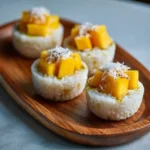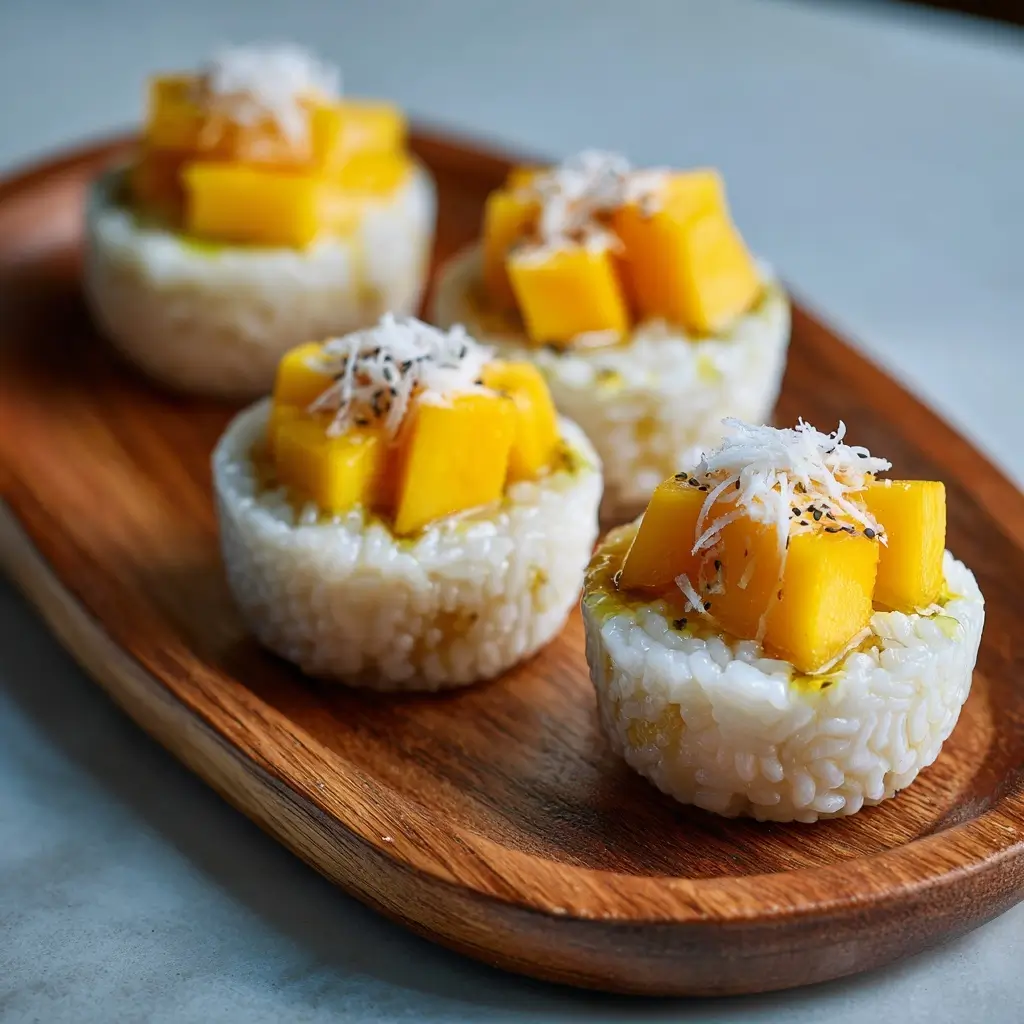
Mango Sticky Rice Dessert Cups
Mango Sticky Rice, known as Kao Niew Mamuang in Thai, is a beloved traditional dessert that has captured the hearts and taste buds of food lovers around the world. This luscious and creamy treat combines the natural sweetness of ripe mangoes with the rich, chewy texture of glutinous rice, all brought together with a luxurious coconut milk sauce. Served in individual dessert cups, this version elevates the classic street food into an elegant, portable, and perfectly portioned indulgence—ideal for dinner parties, summer gatherings, or a personal sweet escape.
The History of Mango Sticky Rice
Mango Sticky Rice traces its roots back to Thailand, where it has long been a staple of both home kitchens and bustling street food markets. The dish originated in central Thailand, particularly during the mango harvest season when the famed Ataulfo and Ok Rong mango varieties are at their peak. Historically, sticky rice was considered a symbol of prosperity and fertility, often used in religious offerings and celebrations. When paired with the golden, fragrant mango—the national fruit of Thailand—the dessert became not just a culinary delight but a cultural emblem of abundance, warmth, and seasonal joy.
Over time, Mango Sticky Rice gained international acclaim, appearing on menus from Bangkok night markets to Michelin-starred restaurants in New York and Paris. Its popularity stems from the harmonious balance of flavors and textures: sweet, creamy, chewy, and refreshing all in one bite. By serving it in dessert cups, modern chefs and home cooks have reimagined this traditional treat for contemporary dining experiences, making it more accessible, photogenic, and convenient without sacrificing authenticity.
Ingredients Breakdown
Creating perfect Mango Sticky Rice Dessert Cups requires attention to detail and high-quality ingredients. Each component plays a vital role in achieving the ideal balance of flavor, texture, and aroma:
- Glutinous Rice (Sticky Rice): Also known as sweet rice, this short-grain rice is essential for its naturally sticky, chewy texture when cooked. It absorbs flavors beautifully, especially the sweetened coconut milk.
- Ripe Mangoes: Choose fragrant, golden-yellow mangoes like Ataulfo, Champagne, or Honey mangoes. They should be slightly soft to the touch and emit a floral, tropical aroma. These varieties are less fibrous and sweeter than others, making them perfect for desserts.
- Coconut Milk: Full-fat coconut milk is crucial for a rich, velvety sauce. It provides the creamy backbone of the dessert and carries the sweetness and saltiness that elevate the entire dish.
- Palm Sugar or Brown Sugar: Palm sugar is traditional and offers a deep caramel-like flavor with subtle earthy notes. If unavailable, light brown sugar makes an excellent substitute.
- Salt: A pinch of salt enhances the sweetness and balances the richness of the coconut milk, creating a more complex flavor profile.
- Water: Used to soak the rice and adjust the consistency of the coconut sauce.
- Optional Garnishes: Toasted mung beans, sesame seeds, shredded coconut, or a drizzle of coconut cream add texture and visual appeal.
Step-by-Step Recipe
Follow these detailed instructions to create exquisite Mango Sticky Rice Dessert Cups that are as beautiful as they are delicious.
- Soak the Glutinous Rice: Rinse 1 cup of glutinous rice under cold water until the water runs clear. Soak the rice in enough water to cover by at least 2 inches for a minimum of 4 hours, preferably overnight. This step ensures even cooking and a tender yet chewy texture.
- Steam the Rice: Drain the soaked rice and transfer it to a steamer lined with cheesecloth or banana leaves (if available). Steam over boiling water for 20–25 minutes, or until the grains are translucent and fully cooked. Banana leaves impart a delicate, aromatic flavor if used.
- Prepare the Coconut Sauce: While the rice is steaming, combine 1 can (13.5 oz) of full-fat coconut milk, 1/3 cup palm sugar (or brown sugar), and 1/4 teaspoon salt in a saucepan. Heat over medium-low, stirring constantly, until the sugar dissolves completely. Do not boil. Remove from heat and set aside.
- Infuse the Rice: Once the rice is cooked, transfer it to a large mixing bowl. Slowly pour about 3/4 of the warm coconut sauce over the hot rice, gently folding with a wooden spoon or spatula to avoid mashing the grains. Cover with a clean cloth and let it sit for 30 minutes to absorb the flavors.
- Prepare the Mangoes: Peel and slice 2–3 ripe mangoes into thin, even slices. Cut into cubes or fan shapes depending on your presentation preference.
- Assemble the Dessert Cups: Use clear glass jars, small mason jars, or elegant dessert coupes. Begin by placing a generous layer (about 1/4 cup) of coconut-infused sticky rice at the bottom of each cup. Top with a layer of fresh mango slices. Repeat the layers, finishing with mango on top.
- Add Final Touches: Drizzle the remaining coconut sauce over each cup. For extra richness, add a dollop of thick coconut cream. Garnish with toasted mung beans, black sesame seeds, or a sprinkle of shredded coconut.
- Chill (Optional): For a chilled version, refrigerate the assembled cups for 20–30 minutes before serving. However, serve at room temperature for the most authentic texture and flavor.
Tips for Success
- Don’t Skip Soaking: Soaking the glutinous rice is non-negotiable. It prevents the grains from becoming too hard or unevenly cooked.
- Use Full-Fat Coconut Milk: Light coconut milk will result in a watery, less flavorful sauce. Shake the can well before opening, or blend separated coconut cream with the liquid for consistency.
- Adjust Sweetness: Taste the coconut sauce before mixing with rice. Some mangoes are sweeter than others, so you may want to reduce sugar accordingly.
- Work While Rice Is Hot: The hot rice absorbs the coconut mixture much better than cooled rice, resulting in deeper flavor penetration.
- Layer Thoughtfully: For visual appeal, alternate colors and textures—try a rice-mango-rice-mango pattern in tall glasses.
- Serve Fresh: While leftovers can be refrigerated, the rice tends to harden. Reheat gently with a splash of coconut milk to restore softness.
Variations and Customizations
Mango Sticky Rice Dessert Cups are wonderfully adaptable. Here are some creative twists to suit different tastes and occasions:
- Tropical Twist: Add diced pineapple, passionfruit pulp, or lychee between layers for a more exotic flair.
- Vegan Version: Ensure your sugar is vegan (some palm sugars use bone char), and use certified vegan coconut milk.
- Low-Sugar Option: Replace palm sugar with monk fruit sweetener or erythritol, adjusting to taste. Serve with naturally sweeter mango varieties.
- Nutty Crunch: Sprinkle crushed roasted peanuts, cashews, or almond slivers on top for added crunch.
- Floral Notes: Infuse the coconut sauce with a few drops of pandan extract or a strip of lemongrass while heating for an aromatic twist.
- Boozy Upgrade: For adults, add a splash of rum or coconut liqueur to the coconut sauce for a tropical cocktail-inspired dessert.
- Mini Parfaits: Use shot glasses for bite-sized versions—perfect for weddings, buffets, or tasting menus.
Health Considerations and Nutritional Value
While Mango Sticky Rice is undeniably a treat, understanding its nutritional profile can help you enjoy it mindfully.
Nutritional Highlights (per serving, approx. 1 cup):
- Calories: ~350–450 kcal
- Carbohydrates: 60–70g (mainly from rice and mango)
- Fats: 15–20g (mostly healthy saturated fats from coconut)
- Protein: 4–6g
- Fiber: 2–3g (from mango and whole grain rice)
- Vitamins: Rich in Vitamin C (mango), Vitamin A (beta-carotene), and small amounts of B vitamins and potassium.
Health Notes:
- Gluten-Free: Naturally gluten-free, making it suitable for those with celiac disease or gluten sensitivity (ensure no cross-contamination).
- High in Natural Sugars: Due to mango and added sweeteners, it’s best enjoyed in moderation, especially for diabetics.
- Coconut Fat Myth: While coconut milk contains saturated fat, recent studies suggest that the medium-chain triglycerides (MCTs) in coconut may have neutral or even beneficial metabolic effects when consumed in moderation.
- Energy-Dense: Ideal as a post-workout snack or energy boost due to its balanced carbs and fats.
Ingredients
- 1 cup glutinous (sticky) rice
- 1 3/4 cups water (for soaking)
- 1 (13.5 oz) can full-fat coconut milk, divided
- 1/3 cup palm sugar (or light brown sugar)
- 1/4 teaspoon fine sea salt
- 2–3 ripe mangoes (preferably Ataulfo or Champagne mango)
- Toasted mung beans, sesame seeds, or shredded coconut (optional, for garnish)
Directions
- Rinse glutinous rice under cold water until water runs clear. Soak in 1 3/4 cups water for 4–12 hours.
- Drain rice and steam in a lined steamer basket for 20–25 minutes until tender and translucent.
- In a saucepan, heat 3/4 of the coconut milk with sugar and salt over medium-low heat until sugar dissolves. Do not boil.
- Transfer cooked rice to a bowl and mix in the warm coconut mixture. Cover and let sit for 30 minutes.
- Cut mangoes into thin slices or cubes.
- In clear dessert cups, layer sticky rice and mango alternately, starting and ending with mango.
- Drizzle with remaining coconut sauce and garnish as desired.
- Serve immediately at room temperature, or chill briefly for a cooler texture.
FAQ
Can I make Mango Sticky Rice ahead of time?
Yes! Cook and flavor the rice up to one day in advance and store it covered at room temperature. Assemble the cups just before serving to keep the mango fresh.
Why is my sticky rice too hard?
Likely causes: insufficient soaking, under-steaming, or using regular rice instead of glutinous rice. Always soak for at least 4 hours and ensure proper steaming.
Can I use frozen mango?
Fresh is best for texture and flavor. Frozen mango tends to become mushy when thawed, though it can work in a pinch if drained well.
Is glutinous rice the same as sushi rice?
No. Glutinous rice is a unique variety that becomes chewy and sticky when cooked. Sushi rice is short-grain japonica rice, which behaves differently and won’t yield the same results.
How do I store leftovers?
Store in an airtight container in the refrigerator for up to 2 days. Reheat gently with a splash of coconut milk to restore softness.
Can I use canned mango?
Not recommended. Canned mango lacks freshness and often comes in syrup, making the dessert overly sweet and soggy.
Summary
Mango Sticky Rice Dessert Cups bring the vibrant flavors of Thailand into a modern, elegant format—perfect for sharing or savoring solo. With sweet mango, creamy coconut-glazed rice, and endless customization options, this dessert is a celebration of tropical luxury in every bite.