Introduction
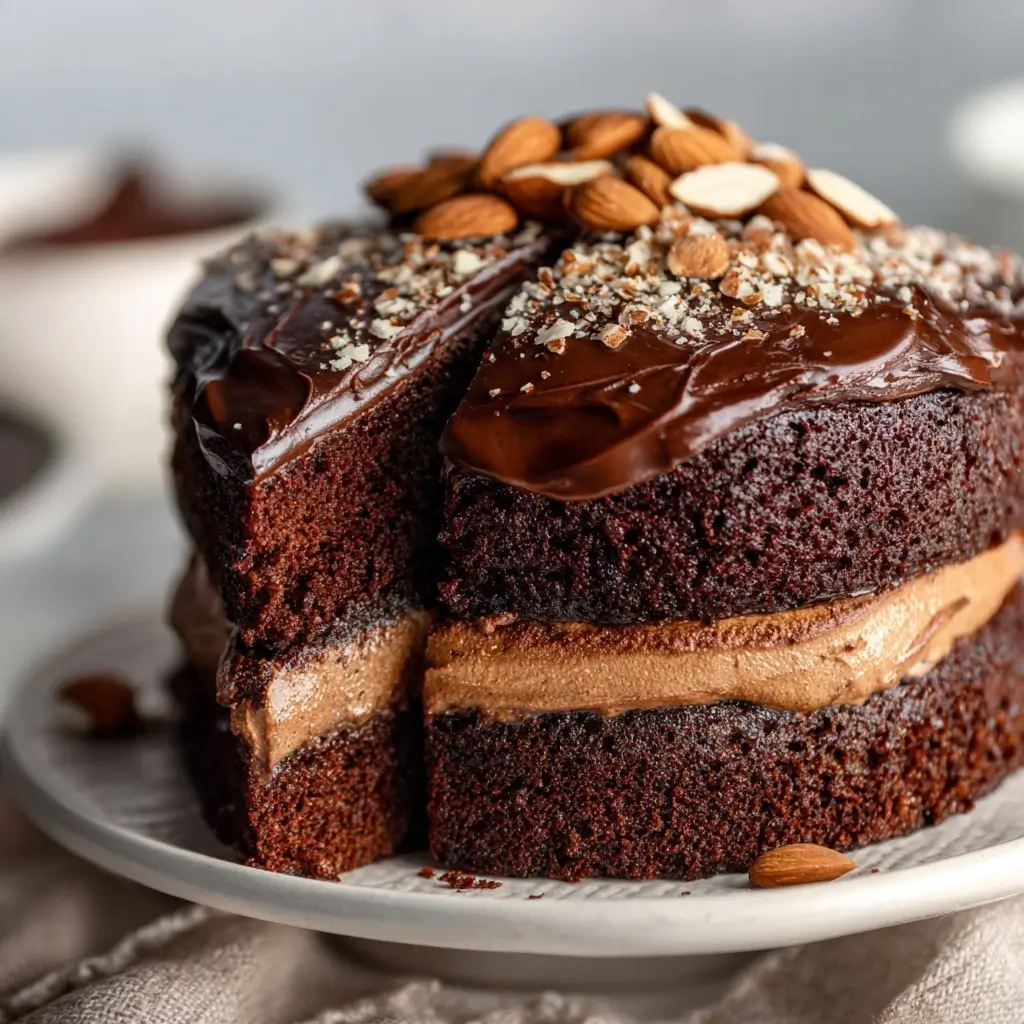
The Almond Flour Chocolate Cake is a decadent, moist, and rich dessert that redefines what a gluten-free chocolate cake can be. Unlike traditional chocolate cakes made with all-purpose flour, this version uses almond flour as its base, offering a nutty depth of flavor, a tender crumb, and a naturally fudgy texture. It’s perfect for those following a gluten-free, low-carb, or paleo-inspired lifestyle—but so delicious that even conventional dessert lovers will crave slice after slice. Whether you’re baking for a special occasion, a dinner party, or simply treating yourself, this cake delivers intense chocolate satisfaction without compromising on quality or taste.
The History
While the origins of chocolate cake date back to the 18th century, with early recipes emerging in American cookbooks during the Victorian era, the modern adaptation using almond flour is rooted in contemporary dietary trends. Almond flour itself has ancient roots—it was commonly used in Middle Eastern and Mediterranean cuisines long before becoming popular in Western kitchens. Its resurgence began in the late 20th century alongside the rise of gluten-free and low-carbohydrate diets such as paleo, keto, and diabetic-friendly eating plans. Bakers began experimenting with almond flour as a grain-free alternative, discovering its ability to produce moist, dense, and flavorful baked goods. The almond flour chocolate cake emerged as a standout recipe—merging indulgence with health-conscious ingredients—and quickly gained popularity in health food circles, specialty bakeries, and home kitchens alike. Today, it stands as a symbol of how traditional desserts can be reinvented to meet evolving nutritional needs without sacrificing richness or pleasure.
Ingredients Breakdown
The magic of this almond flour chocolate cake lies in the careful selection and balance of high-quality ingredients. Each component plays a vital role in achieving the perfect texture, flavor, and structure:
- Almond Flour: The star ingredient—finely ground blanched almonds provide a soft, moist crumb and a subtle nuttiness. Make sure to use super-fine almond flour (not almond meal) for a smooth texture without graininess.
- Unsweetened Cocoa Powder: High-quality Dutch-process or natural cocoa powder gives the cake its deep chocolate flavor. Dutch-process offers a smoother, milder taste, while natural cocoa provides a more robust tang.
- Eggs: Act as both a binder and leavening agent, helping the cake rise and hold together. Room-temperature eggs blend more easily into the batter.
- Coconut Sugar or Maple Syrup: Natural sweeteners that complement the nutty flavor of almond flour. Coconut sugar offers a caramel-like depth, while maple syrup adds moisture and earthy sweetness.
- Coconut Oil or Grass-Fed Butter: Adds richness and helps create a fudgy texture. Melted coconut oil keeps the cake dairy-free, while butter enhances flavor for non-dairy-free versions.
- Baking Soda: A small amount helps the cake rise slightly while reacting with the acidic cocoa or added vinegar.
- Vanilla Extract: Enhances the overall flavor profile and balances the bitterness of dark chocolate.
- Sea Salt: A pinch amplifies the sweetness and brings out the complexity of the chocolate.
- Dark Chocolate (optional): Melted and folded into the batter or used for a glossy ganache topping, it intensifies the chocolate experience.
- Apple Cider Vinegar or Lemon Juice: A small splash helps activate the baking soda and improves the cake’s rise and tenderness.
These ingredients work synergistically to create a cake that’s not only rich and satisfying but also nutrient-dense compared to traditional flour-based cakes.
Step-by-Step Recipe
- Preheat and Prepare: Preheat your oven to 350°F (175°C). Grease an 8-inch round or square cake pan thoroughly with coconut oil or butter, then line the bottom with parchment paper to ensure easy release.
- Mix Dry Ingredients: In a medium bowl, whisk together 2 cups of super-fine almond flour, ½ cup unsweetened cocoa powder, 1 teaspoon baking soda, and ¼ teaspoon sea salt. Sift if necessary to remove any lumps for a smoother batter.
- Combine Wet Ingredients: In a large mixing bowl, beat 4 large eggs until frothy. Add ⅓ to ½ cup coconut sugar (or ½ cup pure maple syrup), ⅓ cup melted coconut oil or softened butter, 1 teaspoon vanilla extract, and 1 tablespoon apple cider vinegar. Mix until well combined and creamy.
- Incorporate Dry into Wet: Gradually add the dry mixture to the wet ingredients, stirring gently with a spatula or hand mixer on low speed until just combined. Do not overmix, as this can lead to a dense texture.
- Add Optional Chocolate: For extra richness, fold in ¼ cup melted dark chocolate (70% cacao or higher) at room temperature. This enhances the fudgy consistency.
- Pour and Smooth: Transfer the thick batter into the prepared pan, spreading it evenly with a spatula to ensure uniform baking.
- Bake: Place in the center of the preheated oven and bake for 28–35 minutes. The cake is done when a toothpick inserted into the center comes out with moist crumbs (not wet batter). Avoid overbaking, as almond flour cakes dry out faster than wheat-based ones.
- Cool Completely: Let the cake cool in the pan for 15 minutes, then carefully transfer it to a wire rack by lifting the parchment paper. Allow it to cool completely before slicing or frosting to prevent crumbling.
- Optional Glaze: Drizzle with a simple chocolate ganache made from ¼ cup melted dark chocolate and 1 tablespoon coconut cream, or dust with powdered erythritol or cocoa for a minimalist finish.
Tips
- Use Room-Temperature Ingredients: Especially eggs and coconut oil, to ensure smooth blending and consistent texture.
- Don’t Overbake: Almond flour burns more easily and dries out quickly. Start checking at 25 minutes and use visual cues—cracked top, pulling away slightly from edges, clean toothpick test with moist crumbs.
- Let It Cool: This cake firms up as it cools. Cutting too soon may result in a crumbly slice.
- Sift Cocoa Powder: To avoid clumps and achieve a silky texture, sift the cocoa powder with the almond flour.
- Line the Pan: Parchment paper is essential—almond flour cakes stick more easily than traditional ones.
- Store Properly: Keep covered at room temperature for 1–2 days or refrigerate for up to 5 days. Bring to room temperature before serving for best texture.
- Freeze for Longevity: Wrap individual slices in plastic and store in an airtight container for up to 3 months. Thaw at room temperature or gently warm in the oven.
- Enhance Flavor: Add a shot of espresso or instant coffee granules (½ tsp) to deepen the chocolate notes without making it taste like coffee.
Variations and Customizations
This almond flour chocolate cake is incredibly versatile. Here are some creative ways to personalize it:
- Keto Version: Replace coconut sugar with monk fruit sweetener or erythritol blend. Use sugar-free dark chocolate to keep carbs low.
- Vegan Option: Substitute eggs with flax eggs (4 tbsp ground flaxseed + 10 tbsp water, set for 10 mins) and use maple syrup with coconut oil only. Note: texture will be denser.
- Orange Zest Chocolate: Add 1 tablespoon fresh orange zest and replace vanilla with orange extract for a citrus-chocolate twist.
- Mocha Cake: Mix in 1–2 teaspoons instant espresso powder for a café-style mocha flavor.
- Peppermint Chocolate: Add ½ teaspoon peppermint extract and top with crushed sugar-free peppermint candies.
- Nut-Free Alternative: Replace almond flour with sunflower seed flour (make sure seeds are finely ground and blanched). Beware of potential green discoloration due to polyphenol oxidase.
- Frostings & Toppings: Try a whipped coconut cream, avocado chocolate mousse, cashew cream cheese frosting, or a shiny chocolate ganache.
- Add-Ins: Fold in ⅓ cup dairy-free chocolate chips, chopped walnuts, pecans, or toasted hazelnuts for extra crunch.
- Layers: Double the recipe to make two cakes and create a layered dessert with frosting in between—perfect for birthdays or celebrations.
- Mini Versions: Bake in muffin tins for chocolate cupcakes (reduce time to 18–22 minutes).
Health Considerations and Nutritional Value
One of the biggest advantages of using almond flour is its superior nutritional profile compared to refined white flour. Here’s why this cake can be part of a balanced diet when enjoyed in moderation:
- Gluten-Free: Naturally free from gluten, making it safe for people with celiac disease or gluten sensitivity.
- Low Glycemic Index: Almond flour has minimal impact on blood sugar levels, especially when paired with low-glycemic sweeteners like monk fruit or stevia.
- Rich in Healthy Fats: Almonds are high in monounsaturated fats, which support heart health and satiety.
- Protein-Packed: Contains about 6–8 grams of protein per slice (depending on size), far more than typical cakes.
- Source of Vitamin E and Magnesium: Almonds are loaded with antioxidants and essential minerals.
- Dairy-Free Option: Easily made without dairy by using coconut oil and plant-based sweeteners.
- No Refined Sugars: When sweetened with maple syrup, coconut sugar, or sugar alternatives, it avoids the blood sugar spikes associated with white sugar.
Nutrition Estimate (per slice, 1/8 of cake, made with coconut oil and coconut sugar):
- Calories: ~240
- Total Fat: 20g (mostly healthy fats)
- Saturated Fat: 6g
- Carbohydrates: 12g
- Dietary Fiber: 4g
- Sugars: 6g (natural)
- Protein: 7g
- Net Carbs: ~8g (ideal for moderate low-carb diets)
Note: Values vary based on specific ingredients used. Those with nut allergies should avoid almond flour altogether and consider alternatives like pumpkin seed flour or certified gluten-free oat flour (if not strictly paleo).
Ingredients
- 2 cups super-fine blanched almond flour
- ½ cup unsweetened cocoa powder (Dutch-process or natural)
- ½ teaspoon baking soda
- ¼ teaspoon sea salt
- 4 large eggs (room temperature)
- ⅓ cup coconut sugar or ½ cup pure maple syrup
- ⅓ cup melted coconut oil or grass-fed butter
- 1 teaspoon pure vanilla extract
- 1 tablespoon apple cider vinegar
- ¼ cup melted dark chocolate (optional, 70%+ cacao)
- 1 teaspoon espresso powder (optional, for enhanced chocolate flavor)
Directions
- Preheat oven to 350°F (175°C). Grease an 8-inch cake pan and line the bottom with parchment paper.
- In a bowl, sift together almond flour, cocoa powder, baking soda, and salt. Set aside.
- In a large mixing bowl, beat eggs until light and frothy. Add coconut sugar (or maple syrup), melted coconut oil, vanilla, and apple cider vinegar. Mix until smooth and emulsified.
- Gradually add the dry ingredients to the wet mixture, stirring until just combined.
- If using, gently fold in melted dark chocolate and espresso powder.
- Pour batter into the prepared pan and smooth the top with a spatula.
- Bake for 28–35 minutes, or until a toothpick comes out with moist crumbs.
- Cool in the pan for 15 minutes, then transfer to a wire rack to cool completely.
- Once cooled, slice and serve as-is or with your favorite topping.
- Store leftovers in an airtight container in the refrigerator for up to 5 days or freeze for longer storage.
FAQ
Can I use almond meal instead of almond flour?
It’s not recommended. Almond meal is coarser and includes the skins, which can result in a gritty texture and darker color. Stick to blanched, super-fine almond flour for best results.
Why did my cake sink in the middle?
Common causes include underbaking, opening the oven too early, or using too much leavening agent. Ensure your baking soda is fresh and don’t open the oven door during the first 25 minutes.
Can I make this cake ahead of time?
Yes! This cake actually tastes better the next day as flavors meld. Store it covered in the fridge and bring to room temperature before serving.
Is this cake suitable for keto?
Yes, with modifications. Use a keto-friendly sweetener like erythritol or allulose and sugar-free chocolate. Total net carbs can be reduced to under 5g per serving.
How do I prevent sticking?
Always grease the pan well and use parchment paper. Cooling the cake properly before removal is crucial.
Can I use a different oil?
Yes, but coconut oil and butter yield the best texture. Avoid strongly flavored oils like olive oil unless you want a savory note.
Can I double the recipe for a larger cake?
Yes, but adjust baking time and consider using two pans for even thickness. A single deep pan may require 45–50 minutes.
Summary
The Almond Flour Chocolate Cake is a rich, fudgy, and nutritious dessert that proves gluten-free baking can be indulgent and satisfying. With its deep chocolate flavor, moist texture, and wholesome ingredients, it’s a timeless treat for every diet and occasion.