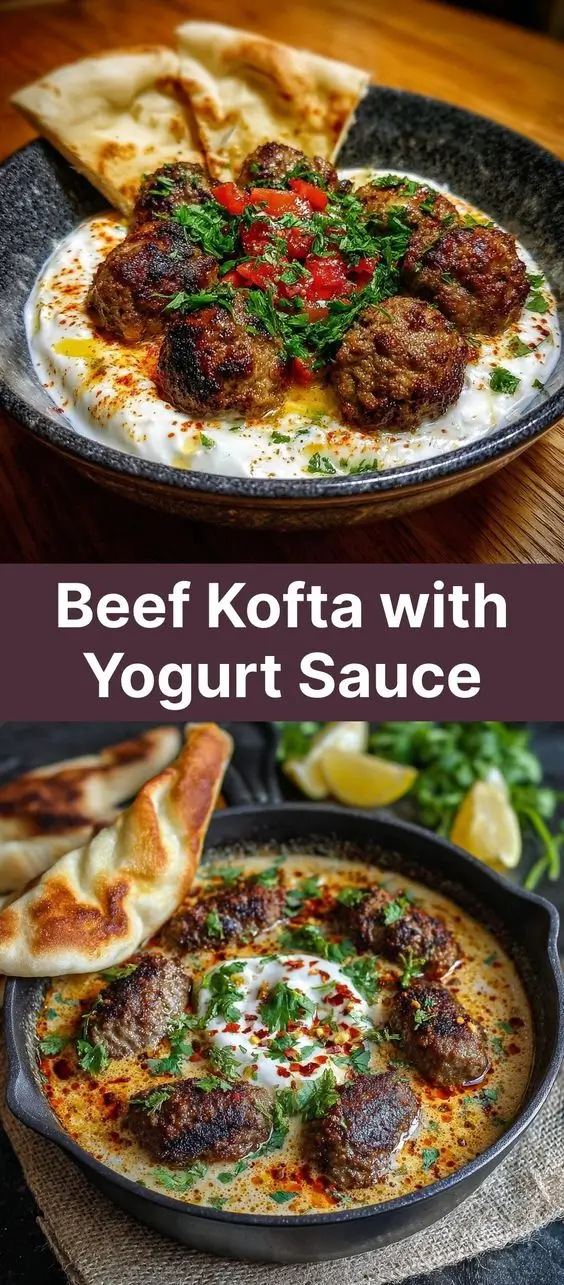
Beef Kofta with Yogurt Sauce: A Flavorful Middle Eastern Delight
The History of Beef Kofta
Beef kofta, a beloved staple in Middle Eastern and Mediterranean cuisine, traces its roots back centuries across regions such as Turkey, Lebanon, Iran, and the Levant. The word “kofta” comes from the Persian verb koftean, meaning “to pound” or “to grind,” which reflects the traditional method of preparing the meat—pounded to achieve a tender, cohesive texture. Originally developed as a way to use every part of the animal efficiently, kofta evolved into an art form, with regional variations incorporating local spices, herbs, and cooking techniques.
In ancient times, nomadic tribes would mix minced meat with available herbs and spices, shaping them around hot stones or skewers for grilling. As trade routes expanded, so did the influence of kofta, absorbing flavors from India, Central Asia, and North Africa. Over time, beef became a preferred meat in many areas, especially where cultural or religious dietary laws favored it over pork. Today, beef kofta is celebrated not only for its rich flavor and satisfying texture but also for its versatility—served on skewers, in pita bread, over rice, or alongside fresh salads and tangy sauces like yogurt sauce.
The pairing of kofta with yogurt-based sauces has deep culinary significance. In hot climates, cooling accompaniments balance the richness and warmth of spiced grilled meats. Yogurt, fermented for centuries in the region, provides a creamy contrast that enhances the overall eating experience. This combination remains a hallmark of authentic Middle Eastern dining, cherished in homes and street food stalls alike.
Ingredients Breakdown: What Makes Beef Kofta Shine
The magic of beef kofta lies in the harmony of simple yet bold ingredients. Each component plays a role in building layers of flavor, moisture, and aroma. Here’s a detailed breakdown of what goes into crafting perfect kofta and its complementary yogurt sauce:
For the Beef Kofta:
- Ground Beef (85–90% lean): The foundation of the dish. Choosing beef with a moderate fat content ensures juiciness and helps bind the mixture without drying out during grilling.
- Yellow Onion (finely grated): Adds natural sweetness and moisture. Grating releases juices and allows even distribution throughout the meat.
- Fresh Parsley and Mint (chopped): These herbs lend brightness and freshness, cutting through the richness of the meat. Parsley dominates, while mint adds a subtle aromatic lift.
- Garlic (minced): Provides a pungent backbone that intensifies when grilled, enhancing savory depth.
- Ground Cumin: Earthy and warm, cumin is essential to Middle Eastern spice profiles and gives kofta its signature scent.
- Ground Coriander: Citrusy and slightly floral, it complements cumin beautifully and rounds out the spice blend.
- Paprika (sweet or smoked): Adds color and mild sweetness; smoked paprika can introduce a subtle campfire note.
- Ground Allspice: Often used in Levantine cooking, allspice brings warm notes reminiscent of clove, cinnamon, and nutmeg.
- Salt and Black Pepper: Crucial for seasoning and enhancing all other flavors.
- Pinch of Cayenne Pepper (optional): For those who enjoy a hint of heat.
- Breadcrumbs or Soaked Bread (optional): Helps retain moisture and improves texture, especially if using very lean beef.
- Olive Oil (extra virgin): Binds ingredients and promotes browning on the grill.
For the Yogurt Sauce:
- Plain Whole-Milk Yogurt: Creamy and thick, whole milk yogurt holds up better than low-fat versions and provides a luxurious mouthfeel.
- Garlic (minced or crushed): Infuses the sauce with sharpness that balances the cool dairy.
- Lemon Juice (freshly squeezed): Brightens the sauce and prevents it from being overly heavy.
- Dried Dill or Fresh Dill (chopped): Imparts a delicate herbal note that pairs perfectly with grilled meats.
- Salt: Enhances flavor and helps draw out the taste of other ingredients.
- Optional Additions: Cucumber (grated and drained), mint, or a drizzle of tahini for extra complexity.
Step-by-Step Recipe: How to Make Perfect Beef Kofta with Yogurt Sauce
Ingredients
For the Kofta:
- 1.5 lbs (680g) ground beef (85% lean)
- 1 medium yellow onion, finely grated
- 1/2 cup fresh parsley, finely chopped
- 2 tablespoons fresh mint, finely chopped (optional)
- 3 cloves garlic, minced
- 1 teaspoon ground cumin
- 1 teaspoon ground coriander
- 1 teaspoon paprika (smoked or sweet)
- 1/2 teaspoon ground allspice
- 1/2 teaspoon salt (or to taste)
- 1/4 teaspoon black pepper
- 1/8 teaspoon cayenne pepper (optional)
- 1 tablespoon olive oil
- 2 tablespoons breadcrumbs or 1 slice stale bread, soaked in water and squeezed dry
For the Yogurt Sauce:
- 1 cup plain whole-milk yogurt
- 1 clove garlic, finely minced or grated
- 1 tablespoon lemon juice (freshly squeezed)
- 1 teaspoon dried dill (or 1 tbsp fresh dill, chopped)
- 1/4 teaspoon salt (adjust to taste)
- Optional: 1/4 cup grated cucumber, drained
Directions
- Prepare the Yogurt Sauce First: In a medium bowl, combine yogurt, garlic, lemon juice, dill, and salt. If using cucumber, squeeze out excess moisture and stir in. Cover and refrigerate for at least 30 minutes to allow flavors to meld. This step ensures the sauce is well-chilled and flavorful by serving time.
- Prep the Kofta Mixture: In a large mixing bowl, add the grated onion (including juices). Squeeze gently to extract excess liquid if desired, but don’t discard all—some moisture is needed. Add ground beef, parsley, mint, garlic, cumin, coriander, paprika, allspice, salt, pepper, cayenne (if using), olive oil, and breadcrumbs or soaked bread.
- Mix Gently: Using clean hands, mix the ingredients just until combined. Avoid overmixing, which can make the kofta dense and tough. The goal is uniform distribution without compacting the meat too much.
- Rest the Mixture: Cover the bowl with plastic wrap and refrigerate for 30–60 minutes. Chilling firms up the fats and helps the mixture hold its shape on skewers.
- Shape the Kofta: If using wooden skewers, soak them in water for at least 30 minutes to prevent burning. Divide the mixture into 6–8 portions. Take one portion and roll it into a sausage shape about 5–6 inches long, pressing firmly onto a skewer. Mold the meat evenly around the skewer, smoothing seams with your fingers. Repeat with remaining portions.
- Preheat Grill or Broiler: Heat a grill, grill pan, or broiler to medium-high heat (about 400°F / 200°C). Lightly oil the grates to prevent sticking.
- Grill the Kofta: Place skewers on the hot grill. Cook for 3–4 minutes per side, turning occasionally, until nicely charred and cooked through (internal temperature should reach 160°F / 71°C). Total cooking time is usually 10–12 minutes.
- Rest Before Serving: Remove from heat and let rest for 2–3 minutes. This allows juices to redistribute, keeping each bite moist.
- Serve: Slide kofta off skewers or serve directly on them. Accompany with chilled yogurt sauce, warm pita bread, tabbouleh, hummus, grilled vegetables, or a crisp salad.
Expert Tips for the Best Beef Kofta
- Don’t Overwork the Meat: Handle the mixture as little as possible to maintain a tender texture.
- Use Cold Hands: Wetting your hands slightly before shaping helps prevent sticking and reduces compaction.
- Uniform Size Matters: Keep all kofta pieces similar in thickness for even cooking.
- Chill Before Cooking: Refrigeration sets the shape and prevents falling apart on the grill.
- Don’t Rush the Grill: Let the kofta sear properly before flipping—this creates a delicious crust and locks in flavor.
- Let It Rest: Always allow a short resting period after cooking for optimal juiciness.
- Yogurt Sauce Should Be Cold: Serve straight from the fridge for maximum refreshment against hot kofta.
Variations and Customizations
While traditional beef kofta is deeply satisfying, this recipe welcomes creativity. Consider these delicious twists:
- Meat Variations: Substitute half the beef with lamb for a more authentic Middle Eastern profile. Alternatively, use turkey or chicken for a lighter version (add extra oil or binders to compensate for lower fat).
- Vegetarian Kofta: Replace meat with mashed chickpeas, lentils, mushrooms, or textured vegetable protein seasoned with the same spices.
- Spice Adjustments: Try adding cinnamon, sumac, or baharat (a Middle Eastern spice blend) for deeper complexity.
- Herb Swaps: Basil, cilantro, or tarragon can be used in place of mint depending on preference.
- Gluten-Free Option: Omit breadcrumbs or use gluten-free oats or almond flour as a binder.
- Kofta Bowls: Serve sliced kofta over couscous, quinoa, or rice with roasted veggies and sauce drizzled generously.
- Pita Wraps: Stuff warm pita with kofta chunks, lettuce, tomatoes, onions, pickles, and plenty of yogurt sauce for a handheld meal.
- Appetizer Skewers: Make mini kofta on short skewers for parties or mezze platters.
- Marinated Kofta: After shaping, marinate briefly in olive oil, lemon, and extra garlic for added zing.
- Sauce Twists: Mix tahini into the yogurt sauce, or stir in harissa for a spicy kick. Tzatziki-style sauce (with cucumber) is another popular option.
Health Considerations and Nutritional Value
Beef kofta with yogurt sauce offers a balanced profile of macronutrients, though mindful preparation can enhance its nutritional benefits.
Nutritional Highlights (per serving, approx. 3 oz kofta + 1/4 cup sauce):
- Calories: ~320 kcal
- Protein: ~25g – High-quality complete protein supports muscle repair and satiety.
- Fat: ~20g – Mostly from beef; choosing leaner cuts reduces saturated fat.
- Carbohydrates: ~8g – Primarily from onions, herbs, and optional breadcrumbs.
- Calcium & Probiotics: From yogurt, supporting gut health and bone strength.
- Iron and Zinc: Abundant in beef, crucial for immune function and oxygen transport.
- Vitamins: B12, niacin, and selenium are naturally present in beef.
Health Tips:
- Leaner Meat: Opt for 90–93% lean beef or grass-fed options to reduce saturated fat intake.
- Portion Control: Serve with generous vegetables and limit to 3–4 oz of kofta per person.
- Low-Sodium Options: Reduce added salt and rely on herbs and spices for flavor.
- Lactose Sensitivity: Use lactose-free yogurt or coconut yogurt for the sauce (note: flavor will differ).
- Grilling Safety: Avoid charring excessively, as burnt meat may contain harmful compounds like heterocyclic amines (HCAs). Marinating and flipping frequently help reduce risk.
- Balanced Meal: Pair with fiber-rich sides like bulgur wheat, brown rice, or a large green salad to improve digestion and nutrient absorption.
Frequently Asked Questions (FAQ)
Can I bake beef kofta instead of grilling?
Yes! Preheat oven to 400°F (200°C). Place shaped kofta on a parchment-lined baking sheet and bake for 18–22 minutes, turning once halfway through, until browned and fully cooked.
Can I freeze raw or cooked kofta?
Absolutely. Raw kofta can be frozen on skewers (wrap individually in plastic) for up to 3 months. Cooked kofta freezes well for 2–3 months. Thaw overnight in the fridge before reheating.
How do I prevent kofta from falling off the skewers?
Make sure the mixture is well-chilled before shaping. Press meat firmly onto the skewer and create slight indentations at both ends to secure it. Flat-sided skewers work best.
Is there a binder substitute for eggs?
Eggs aren’t typically needed due to fat and moisture in the meat. However, if required (e.g., with lean meat), use mashed potato, flaxseed meal, or breadcrumbs soaked in milk.
Can I make kofta ahead of time?
Yes. Prepare and shape kofta up to 24 hours in advance; store covered in the refrigerator. You can also pre-mix the meat and keep it refrigerated for 1–2 days before shaping.
What’s the difference between kofta and kebab?
“Kebab” refers broadly to grilled meat dishes, often cubed. “Kofta” specifically means ground or minced meat formed into balls, patties, or cylinders, usually spiced. All kofta can be considered a type of kebab, but not vice versa.
Why is my yogurt sauce watery?
Strain regular yogurt through cheesecloth for 1–2 hours to thicken it (making labneh). Also, ensure garlic and cucumber are well-drained before adding.
Can I use dried herbs instead of fresh?
You can, but fresh herbs are strongly recommended for brightness. If substituting, use 1/3 the amount of dried herbs (e.g., 1 tbsp fresh = 1 tsp dried).
Are metal or wooden skewers better?
Metal conducts heat better and are reusable, ideal for grills. Wooden skewers are affordable and insulate better but must be soaked first to avoid burning.
Can I cook kofta in an air fryer?
Yes. Spray shaped kofta with oil and cook at 375°F (190°C) for 10–12 minutes, flipping halfway, until browned and cooked through.
Summary
Beef kofta with yogurt sauce is a fragrant, juicy, and satisfying dish rooted in centuries of Middle Eastern tradition, combining spiced ground beef grilled to perfection and served with a cool, creamy, herb-infused yogurt dip.
This versatile recipe delights as a main course, wrap filling, or appetizer, offering rich flavor, balanced nutrition, and endless customization possibilities for home cooks and food lovers worldwide.