Introduction
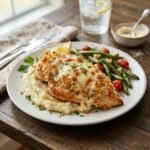
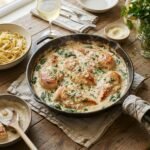
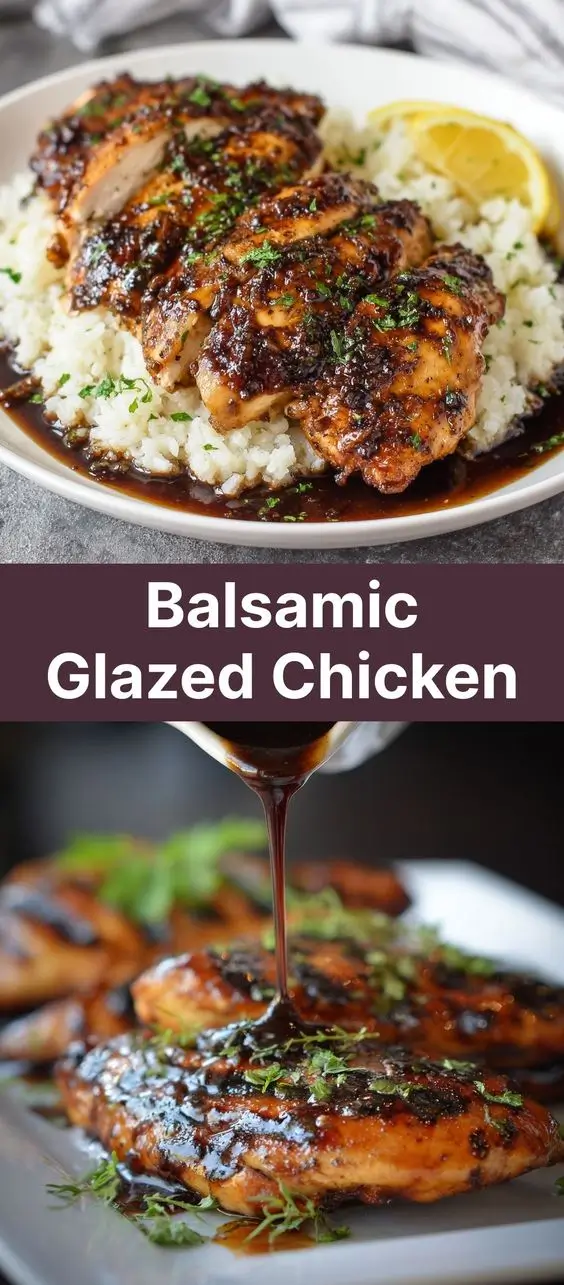
Balsamic Glazed Chicken is a culinary masterpiece that brings together the rich, tangy sweetness of balsamic vinegar with the savory tenderness of perfectly cooked chicken. This dish has earned its place in kitchens around the world thanks to its elegant flavor profile, ease of preparation, and versatility. Whether you’re hosting a dinner party or preparing a weeknight family meal, Balsamic Glazed Chicken delivers restaurant-quality taste without requiring advanced cooking skills. The glossy, deep-brown glaze clings beautifully to the chicken, creating an appetizing sheen that’s as pleasing to the eye as it is to the palate.
The History
The origins of balsamic vinegar trace back over 900 years to the Modena region of Italy, where artisans began aging grape must—crushed grape juice—in wooden barrels to create a luxurious condiment. Traditional balsamic vinegar was reserved for nobility and special occasions, often given as gifts among aristocrats. Over time, the practice of using balsamic vinegar in cooking expanded beyond Italy, influencing global cuisine. The pairing of balsamic vinegar with meat, particularly chicken, emerged in the 20th century as Italian-American fusion cuisine gained popularity. Chefs began experimenting with reducing balsamic vinegar into a syrupy glaze, enhancing its natural sweetness and complexity. Balsamic Glazed Chicken evolved from these innovations, becoming a staple in modern home cooking due to its balance of acidity and richness. Today, while traditional aged balsamic remains a luxury, commercially available versions have made this flavorful dish accessible to everyone.
Ingredients Breakdown
The magic of Balsamic Glazed Chicken lies in the harmony of its ingredients, each contributing to the overall depth and balance of flavor:
- Chicken breasts or thighs: Boneless, skin-on chicken breasts are most commonly used for their lean texture and ability to absorb flavors. Thighs can be substituted for a juicier, more robust option.
- Balsamic vinegar: Choose a high-quality balsamic vinegar with a balanced sweet-tart profile. Avoid artificially colored or overly acidic varieties.
- Brown sugar or honey: Adds sweetness to counteract the vinegar’s acidity and helps form a caramelized glaze.
- Olive oil: Used for searing the chicken and adding richness.
- Garlic: Freshly minced garlic provides aromatic depth and complements the balsamic notes.
- Dijon mustard: Enhances tanginess and emulsifies the glaze, giving it a smooth consistency.
- Fresh herbs (rosemary, thyme): Infuse earthy undertones; rosemary pairs exceptionally well with balsamic.
- Salt and black pepper: Essential seasonings to bring out the natural flavors.
- Butter (optional): Added at the end for a silky finish and enhanced mouthfeel.
- Chicken broth (optional): Helps deglaze the pan and build a more complex sauce.
Optional additions include shallots, red wine, or a splash of maple syrup for nuanced variations.
Step-by-Step Recipe
- Prepare the chicken: Pat 4 boneless, skin-on chicken breasts dry with paper towels. Season both sides generously with salt and freshly ground black pepper. Let sit at room temperature for 15–20 minutes to ensure even cooking.
- Preheat the oven: Set your oven to 375°F (190°C). Preheating ensures proper roasting and browning.
- Sear the chicken: Heat 2 tablespoons of olive oil in a large oven-safe skillet (cast iron works best) over medium-high heat. Once shimmering, place the chicken in the pan, skin-side down. Sear for 5–6 minutes until golden brown and crispy. Flip and cook the other side for 3 minutes. Remove chicken and set aside temporarily.
- Build the glaze: In the same skillet, reduce the heat to medium. Add 1 tablespoon of butter and stir in 3 minced garlic cloves. Cook for 30 seconds until fragrant. Pour in 1 cup of balsamic vinegar, 1/4 cup of chicken broth, 2 tablespoons of brown sugar, 1 tablespoon of Dijon mustard, and 1 teaspoon each of fresh rosemary and thyme (or 1/2 tsp dried).
- Simmer and reduce: Bring the mixture to a gentle simmer, scraping up any browned bits from the bottom of the pan (this adds tremendous flavor). Allow the sauce to reduce by nearly half—about 8–10 minutes—until it coats the back of a spoon.
- Glaze the chicken: Return the seared chicken to the skillet, skin-side up. Spoon the glaze over each piece. Transfer the entire skillet to the preheated oven.
- Raise the chicken: Roast for 18–22 minutes, or until the internal temperature reaches 165°F (74°C) when measured at the thickest part.
- Final glaze: Remove from oven and let rest for 5 minutes. Spoon additional warm glaze over the chicken before serving. For extra shine, broil for 1–2 minutes at the end (watch closely to avoid burning).
- Garnish and serve: Sprinkle with chopped fresh parsley or chives. Serve immediately with the reduced pan sauce drizzled on top.
Tips
- Use skin-on chicken: The skin protects the meat during searing and contributes to a crisp, flavorful exterior.
- Don’t rush the sear: A proper sear locks in juices and builds fond—the browned residue in the pan essential for flavor.
- Reduce the glaze slowly: High heat can make balsamic vinegar bitter. Gentle simmering preserves its balance.
- Check doneness accurately: Always use a meat thermometer. Overcooked chicken becomes dry and tough.
- Let it rest: Resting allows juices to redistribute, resulting in moister meat.
- Double the glaze: Make extra sauce to serve over rice, quinoa, or roasted vegetables.
- Skillet matters: An oven-safe pan eliminates the need to transfer dishes, preserving both convenience and flavor.
- Balance sweetness: If your glaze tastes too tart, add a bit more honey. Too sweet? A splash of red wine vinegar can correct it.
Variations and Customizations
Balsamic Glazed Chicken is highly adaptable to different tastes, dietary needs, and cultural influences:
- Citrus twist: Add orange or lemon zest and a splash of juice to brighten the glaze.
- Spicy version: Include red pepper flakes or a dash of cayenne for heat.
- Herb substitutions: Swap rosemary for sage or tarragon for a unique aromatic profile.
- Mediterranean style: Top with crumbled feta, Kalamata olives, and sun-dried tomatoes after baking.
- Asian fusion: Replace some balsamic with soy sauce and add ginger and sesame oil for an umami-rich variation.
- Grilled option: Instead of roasting, grill the chicken and brush with glaze during the last few minutes.
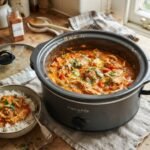
- Slow cooker method: Sear chicken first, then place in a slow cooker with the glaze ingredients. Cook on low for 4–6 hours.
- Meal prep friendly: Prepare the glaze ahead and store separately. Cook chicken fresh for best texture.
- Vegan alternative: Use portobello mushrooms or tofu as a plant-based substitute.
- Gluten-free: Ensure all ingredients (especially Dijon mustard and broth) are certified gluten-free.
Health Considerations and Nutritional Value
Balsamic Glazed Chicken can be a nutritious addition to a balanced diet when prepared mindfully:
- Protein content: Chicken breast is a lean source of high-quality protein, supporting muscle repair and satiety.
- Low in carbs (with modifications): Reducing or omitting sugar makes this dish suitable for low-carb or ketogenic diets.
- Antioxidants: Balsamic vinegar contains polyphenols, antioxidants that may support heart health and reduce inflammation.
- Heart-healthy fats: Olive oil provides monounsaturated fats beneficial for cardiovascular wellness.
- Sodium awareness: Store-bought broths and vinegars may be high in sodium. Opt for low-sodium versions when possible.
- Calorie control: One serving (one chicken breast with moderate glaze) ranges from 280–350 calories depending on preparation.
- Digestive benefits: The acidity of balsamic vinegar may aid digestion when consumed in moderation.
- Blood sugar impact: Those managing diabetes should monitor added sugars in the glaze; consider using stevia or monk fruit as alternatives.
- Allergens: Check labels if using pre-made Dijon mustard or broth, which may contain allergens like mustard seed or dairy derivatives.
Pairing this dish with fiber-rich sides like steamed broccoli, quinoa, or a mixed green salad enhances its nutritional profile.
Ingredients
- 4 boneless, skin-on chicken breasts (about 6 oz each)
- Salt and freshly ground black pepper (to taste)
- 2 tablespoons olive oil
- 1 tablespoon unsalted butter
- 3 garlic cloves, minced
- 1 cup balsamic vinegar (preferably aged)
- 1/4 cup low-sodium chicken broth
- 2 tablespoons brown sugar (or honey/maple syrup)
- 1 tablespoon Dijon mustard
- 1 teaspoon fresh rosemary, finely chopped (or 1/2 tsp dried)
- 1 teaspoon fresh thyme leaves (or 1/2 tsp dried)
- Optional: 1/2 teaspoon red pepper flakes, 1 tablespoon lemon juice, or 1 shallot (minced)
- Fresh parsley or chives, for garnish
Directions
- Pat chicken dry and season with salt and pepper on both sides. Let rest at room temperature.
- Preheat oven to 375°F (190°C).
- In a large oven-safe skillet, heat olive oil over medium-high heat. Sear chicken skin-side down for 5–6 minutes until golden. Flip and cook for 3 minutes. Remove and set aside.
- Lower heat to medium. Melt butter in the same pan and sauté garlic for 30 seconds.
- Pour in balsamic vinegar, chicken broth, brown sugar, Dijon mustard, rosemary, and thyme. Stir well, scraping up browned bits.
- Simmer for 8–10 minutes until the sauce reduces by half and thickens slightly.
- Return chicken to the skillet, skin-side up. Spoon glaze over each piece.
- Transfer skillet to oven and bake for 18–22 minutes, until internal temperature reaches 165°F (74°C).
- Remove and let rest for 5 minutes. Spoon warm glaze over chicken.
- Garnish with fresh herbs and serve with remaining sauce on the side.
FAQ
Can I use boneless, skinless chicken?
Yes, but skinless chicken may dry out more easily. Reduce cooking time and monitor temperature closely.
How do I store leftovers?
Store in an airtight container in the refrigerator for up to 3 days. Reheat gently in the oven or skillet to preserve texture.
Can I freeze Balsamic Glazed Chicken?
Yes. Freeze for up to 2 months. Thaw overnight in the fridge and reheat slowly to prevent toughness.
Why is my glaze too thin?
Continue simmering until it reaches desired thickness. It will thicken slightly upon cooling.
Is balsamic vinegar healthy?
In moderation, yes. It contains antioxidants and may help regulate blood sugar, though some commercial brands contain added sugar and caramel coloring.
Can I make this recipe without sugar?
Yes. Omit sugar and allow the natural sugars in the reduction process to caramelize. You may add a touch of apple juice for subtle sweetness.
What sides go well with this dish?
Excellent pairings include garlic mashed potatoes, wild rice, roasted asparagus, caprese salad, or grilled zucchini.
Can I use chicken thighs?
Absolutely. Thighs are more forgiving and stay juicier. Adjust cooking time to 25–30 minutes in the oven.
Can I make the glaze ahead of time?
Yes. Prepare the glaze up to 3 days in advance and refrigerate. Reheat gently before using.
Is this dish gluten-free?
It can be. Verify that your Dijon mustard and broth are certified gluten-free.
Summary
Balsamic Glazed Chicken combines succulent, perfectly seasoned poultry with a rich, tangy-sweet reduction that elevates simple ingredients into a gourmet experience. Easy to customize and ideal for both casual dinners and special occasions, this dish delivers bold flavor, impressive presentation, and wholesome nutrition in every bite.