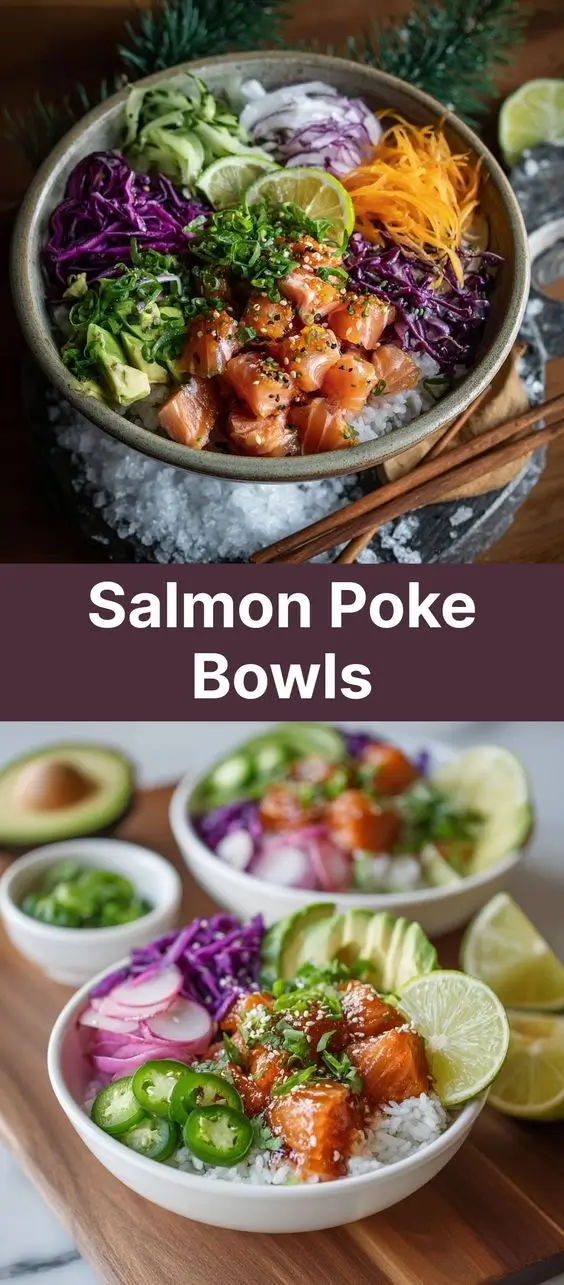
Salmon Poke Bowls: A Flavorful Journey from Ocean to Bowl
Introduction
The Salmon Poke Bowl is more than just a meal—it’s a culinary experience that blends the freshness of the ocean with the vibrancy of global flavors. Originating in Hawaii but inspired by Japanese sashimi traditions, this dish has taken the world by storm with its colorful presentation, balanced nutrition, and customizable nature. Whether you’re a seafood lover, a health enthusiast, or someone simply looking for a satisfying yet light lunch, the salmon poke bowl offers something for everyone. Packed with omega-3 fatty acids, fresh vegetables, and complex carbohydrates, it’s not only delicious but also nourishing. In this comprehensive guide, we’ll explore everything you need to know about crafting the perfect salmon poke bowl at home—from its fascinating history to expert tips, variations, nutritional insights, and frequently asked questions.
The History
The word “poke” (pronounced poh-kay) comes from the Hawaiian term “poké,” which means “to slice” or “cut crosswise into pieces.” Traditionally, poke was made with raw reef fish like ‘ōpelu (mackerel scad) or aku (skipjack tuna), seasoned simply with sea salt, seaweed (limu), and crushed kukui nuts (inamona). This humble fisherman’s snack evolved over centuries, absorbing influences from immigrant communities, especially Japanese, Chinese, and Korean cultures. With the arrival of soy sauce, sesame oil, and green onions, the flavor profile expanded significantly.
Modern salmon poke emerged as a popular variation in the 20th century when refrigeration allowed for safer handling of fatty fish like Atlantic and Alaskan salmon. While traditional poke rarely used salmon—due to its non-native status in Hawaiian waters—today’s version embraces it for its rich texture and buttery taste. The poke bowl format itself gained popularity in the early 2000s, particularly on the U.S. mainland, where chefs began serving marinated raw fish over rice with an array of toppings, turning it into a full-fledged entrée. Now, poke bowls are a staple in health-conscious eateries, fast-casual chains, and gourmet restaurants worldwide, symbolizing the fusion of island tradition with contemporary wellness culture.
Ingredients Breakdown
Creating an authentic and flavorful salmon poke bowl requires attention to each ingredient’s role in building layers of taste, texture, and nutrition. Here’s a detailed breakdown:
- Fresh Raw Salmon: Sushi-grade salmon is essential. Look for bright pink-orange flesh, firm texture, and a clean ocean scent. It should be previously frozen to kill parasites, as recommended by food safety standards.
- Soy Sauce or Tamari: Provides umami depth. Use low-sodium versions if desired, or tamari for a gluten-free alternative.
- Sesame Oil: Adds nutty aroma and richness. Toasted sesame oil delivers a stronger flavor, so use sparingly.
- Rice Vinegar: Balances the bowl with mild acidity, helping to brighten heavier elements.
- Green Onions: Offer a crisp bite and mild onion flavor. Slice thinly on the diagonal for visual appeal.
- Sesame Seeds: White and black varieties add crunch and visual contrast. Lightly toast them to enhance their flavor.
- Lime Juice: Freshly squeezed lime adds zesty brightness and helps preserve the fish temporarily.
- Ginger: Fresh grated ginger introduces a warm, slightly spicy note that complements the salmon beautifully.
- Wasabi or Horseradish (optional): For heat lovers, a small amount can elevate the marinade with sinus-clearing zest.
- Base Grains: Typically white or brown sushi rice, but quinoa, cauliflower rice, or mixed grains work well for dietary preferences.
- Toppings: Include avocado slices, cucumber ribbons, shredded carrots, edamame, nori strips, pickled ginger, microgreens, radish sprouts, mango, or even crispy shallots for added complexity.
- Drizzles: Spicy mayo (sriracha + mayo), eel sauce (unagi glaze), ponzu, or chili oil can be swirled on top before serving.
Step-by-Step Recipe
Ingredients
- 1 lb (450g) sushi-grade salmon, skin removed and cubed into ¾-inch pieces
- ½ cup cooked and cooled sushi rice (or preferred grain base)
- 3 tbsp soy sauce (or tamari)
- 1 tbsp toasted sesame oil
- 1 tbsp rice vinegar
- 1 tbsp fresh lime juice
- 1 tsp fresh grated ginger
- 2 green onions, thinly sliced
- 1 tsp sesame seeds (black and white mix)
- ¼ tsp red pepper flakes (optional)
- ½ ripe avocado, sliced
- ¼ cup diced cucumber
- ¼ cup shelled edamame
- 2 tbsp pickled ginger
- ¼ cup shredded carrots
- Nori strips or sheets, cut into thin ribbons
- Optional drizzle: 1 tbsp spicy mayo or eel sauce
Directions
- Prepare the Rice: Cook sushi rice according to package instructions. Once done, let it cool slightly. You may season it with a splash of rice vinegar, sugar, and salt for authenticity, then spread on a plate or bowl base.
- Cube the Salmon: Using a sharp knife, carefully cut the salmon into uniform cubes. Place them in a glass or ceramic bowl—avoid metal, which can react with acids.
- Make the Marinade: In a separate small bowl, whisk together soy sauce, sesame oil, rice vinegar, lime juice, grated ginger, and red pepper flakes (if using).
- Mix the Poke: Pour the marinade over the salmon. Gently fold to coat all pieces without breaking them. Add sliced green onions and sesame seeds. Cover and refrigerate for 15–30 minutes to allow flavors to meld—but do not exceed 1 hour, as prolonged marinating can start to “cook” the fish due to acid exposure.
- Prep Toppings: While the salmon rests, prepare your vegetables: slice avocado, dice cucumber, shred carrots, and portion out edamame and pickled ginger.
- Assemble the Bowl: Start with a bed of rice. Arrange the marinated salmon neatly in the center. Surround it with vibrant toppings in small sections for visual impact—avocado, cucumber, carrots, edamame, pickled ginger, and nori.
- Add Final Touches: Sprinkle extra green onions and sesame seeds on top. Drizzle with spicy mayo or eel sauce in a zig-zag pattern for restaurant-style flair.
- Serve Immediately: Enjoy cold, straight from the fridge, with chopsticks and a spoon. Stir gently before eating to blend flavors.
Tips
- Always Use Sushi-Grade Fish: Never substitute regular raw salmon from the grocery counter unless labeled sushi-grade. Freezing kills parasites, making it safe for raw consumption.
- Keep Ingredients Cold: Store all components separately until ready to serve, especially the salmon, to prevent spoilage and maintain freshness.
- Cut Uniform Pieces: Consistent cube sizes ensure even marination and a professional look.
- Don’t Over-Marinate: Acidic ingredients like lime juice begin denaturing proteins; after 30–60 minutes, the texture may become mealy.
- Balanced Texture: Combine creamy (avocado), crunchy (cucumber, carrots), chewy (nori), and soft (rice) elements for a dynamic mouthfeel.
- Season Your Rice: Sushi rice tastes best when lightly seasoned with rice vinegar, a pinch of sugar, and salt.
- Customize for Dietary Needs: Make it paleo with cauliflower rice, vegan by substituting smoked tofu, or keto with low-carb veggies only.
- Use Colorful Presentation: Place brightly colored ingredients around the bowl like a clock face—carrots at 12, avocado at 3—to make the dish visually appealing.
- Pre-Chill Bowls: For an extra refreshing experience, chill your serving bowls in the freezer for 10 minutes before assembling.
- Double the Marinade: If you plan to serve leftovers, keep extra marinade on hand to refresh the poke just before eating.
Variations and Customizations
The beauty of the salmon poke bowl lies in its versatility. Below are some creative twists to suit different palates and occasions:
- Spicy Salmon Poke: Add 1–2 teaspoons of sriracha or gochujang to the marinade for a fiery kick. Top with jalapeño slices and spicy mayo.
- Tropical Twist: Incorporate diced mango, pineapple, or papaya for sweetness. Swap lime for yuzu juice and garnish with coconut flakes.
- Korean-Inspired: Replace soy sauce with gochujang-based marinade, add kimchi, and sprinkle with perilla leaves and toasted sesame paste.
- Mediterranean Style: Use olive oil instead of sesame oil, lemon juice instead of rice vinegar, and top with olives, cherry tomatoes, feta, and dill.
- Smoked Salmon Version: Use cold-smoked salmon for a richer, more robust flavor. Pair with capers, red onion, and crème fraîche.
- Vegetarian Option: Substitute salmon with marinated hearts of palm, jackfruit, or king oyster mushrooms for a plant-based alternative.
- Breakfast Poke Bowl: Serve over quinoa with a poached egg on top, adding spinach, sweet potato hash, and everything bagel seasoning.
- Deconstructed Poke Nachos: Spread tortilla chips with guacamole, top with poke mix, pico de gallo, and sour cream for a fun twist.
- Poke Salad: Skip the rice and serve the poke over mixed greens, arugula, or kale for a lighter option.
- Sushi Roll-Inspired: Roll the poke filling inside a nori sheet with rice and veggies for handheld sushi burritos.
Health Considerations and Nutritional Value
A typical salmon poke bowl is a powerhouse of nutrients, provided it’s prepared thoughtfully. Here’s a general nutritional estimate for one serving (excluding optional sauces):
| Nutrient | Amount per Serving |
|---|---|
| Calories | ~550–700 kcal |
| Protein | 30–40 g |
| Fat | 20–30 g (mostly healthy fats) |
| Omega-3 Fatty Acids (EPA & DHA) | 2,000–3,000 mg |
| Carbohydrates | 45–60 g |
| Fiber | 6–10 g |
| Sodium | 800–1,200 mg (varies with soy sauce) |
Benefits:
- Heart Health: Omega-3s in salmon reduce inflammation, lower triglycerides, and support cardiovascular function.
- Brain Function: Regular intake of DHA is linked to improved cognitive performance and reduced risk of neurodegenerative diseases.
- Weight Management: High protein content increases satiety, helping control appetite and reduce snacking.
- Skin and Hair: Healthy fats contribute to glowing skin and strong hair.
- Digestive Health: Fiber-rich toppings like edamame, carrots, and brown rice promote gut health.
Considerations:
- Raw Fish Risks: Pregnant women, immunocompromised individuals, and young children should avoid raw seafood due to potential bacterial or parasitic contamination.
- Mercury Levels: Salmon generally has low mercury compared to tuna or swordfish, but moderation is still advised.
- Sodium Content: Soy sauce is high in sodium. Opt for low-sodium versions or use coconut aminos as a healthier alternative.
- Allergens: Contains fish, soy, sesame, and potentially shellfish (if shared preparation surfaces). Be cautious with allergies.
FAQ
- Can I cook the salmon instead of eating it raw?
- Yes! Pan-sear or bake the salmon, then flake it into the bowl. It won’t be traditional poke, but it’s safer for those avoiding raw fish.
- How long does salmon poke last in the fridge?
- Up to 24 hours. After that, texture and safety decline. Always store below 40°F (4°C).
- What does “sushi-grade” mean?
- It means the fish was caught, handled, and frozen quickly under strict conditions to ensure safety for raw consumption. There’s no official regulation, so buy from reputable sources.
- Can I freeze salmon poke?
- No. Freezing changes the texture drastically and compromises food safety upon thawing.
- Is salmon poke gluten-free?
- Only if you use tamari instead of soy sauce and verify all other ingredients (e.g., sauces, seasonings) are certified gluten-free.
- Can I make a big batch for meal prep?
- You can prep individual components (rice, chopped veggies, marinade), but assemble the salmon just before eating to preserve quality.
- Why is my salmon turning white after marinating?
- The acid in lime juice and vinegar begins to denature the proteins—a process similar to ceviche. This is normal but indicates it’s starting to “cook.”
- What can I use instead of rice?
- Try quinoa, farro, barley, couscous, or riced cauliflower, broccoli, or sweet potato for low-carb or grain-free options.
Summary
The salmon poke bowl is a harmonious blend of fresh, vibrant ingredients rooted in Hawaiian tradition and elevated by global flavors. Easy to customize and rich in essential nutrients, it’s a modern classic that satisfies both the palate and the body.